
Abstraction-Création: A Pioneering Force in Modern Art
The Abstraction-Création movement, founded in 1931, was a critical turning point in the evolution of abstract art in Europe. At a time when Surrealism dominated the avant-garde and political ideologies, such as Socialist Realism, were gaining traction, a group of artists led by Auguste Herbin, Jean Hélion, and Georges Vantongerloo banded together to champion the cause of non-representational art. Their objective was clear: to preserve and promote the growth of abstract art in its purest form. In doing so, they established a vital forum for artists working in the abstract, geometric, and non-figurative styles, giving rise to one of the most influential art collectives of the 20th century.
The Context: Abstraction Under Siege
In the early 1930s, abstract art faced mounting opposition from multiple fronts. The dominance of Surrealism, led by André Breton and others, was reshaping the art world, often overshadowing more geometric and formal approaches to art. Simultaneously, the rise of Socialist Realism in Soviet Russia, and later in other parts of Europe, pushed an agenda of realism in service of political ideology. This movement rejected abstract art as bourgeois, non-representational, and disconnected from the struggles of the working class.
Within this climate, artists like Herbin, Hélion, and Vantongerloo saw a need to defend the integrity of abstraction. They believed that geometric and non-objective art had a universal quality that transcended politics and could speak to fundamental human concerns in a way that figurative or narrative art could not.
 Auguste Herbin - Left: Synchronie en Jaune (1935) - Right: Composition (1940) - ©IdeelArt
Founding of the Abstraction-Création Group
Abstraction-Création was officially founded in 1931, drawing its name from the core tenets of its members: abstraction in form and the creation of non-representational imagery. The group’s founders, including Herbin and Hélion, were joined by an impressive roster of artists, including Piet Mondrian, Hans Arp, Robert Delaunay, Theo van Doesburg, Vasily Kandinsky, and Naum Gabo, among others. The collective became an international network that united various strands of abstract art under a common banner, fostering communication and collaboration among artists across Europe and beyond.
The group’s initial activities centered around organizing exhibitions and publishing theoretical texts. In particular, they released an annual magazine titled Abstraction-Création: Art Non-Figuratif, which featured works by the group’s members alongside essays and manifestos that articulated their vision for the future of abstract art. The publication became a crucial vehicle for advancing the movement’s ideas and reaching a broader audience.

Jean Helion - Equilibrium (1934) - ©the artist
The Philosophical Foundations of Abstraction-Création
The Abstraction-Création movement was founded on a belief in the universality of geometric abstraction. Members of the group argued that, by stripping art down to its essential elements - color, form, and structure - artists could create works that were free from the constraints of national, political, or cultural specificity. For them, abstract art was a universal language, one that could transcend borders and speak to the shared human experience.
This philosophy stood in contrast to the more narrative-driven approaches of movements like Surrealism or Socialist Realism. While those movements sought to convey specific messages or emotions, Abstraction-Création artists believed that pure abstraction could evoke deeper, more fundamental truths about the nature of reality.
The influence of Piet Mondrian and his concept of Neoplasticism was particularly strong within the group. Mondrian’s vision of art as an expression of universal harmony through the careful balancing of horizontal and vertical lines resonated with many members of Abstraction-Création. His work provided a model for how abstract art could move beyond individual expression to embody a more universal, spiritual ideal.

George Vantongerloo - Composition (1921) - ©the artist
Key Artists and Their Contributions
Several prominent artists emerged from the Abstraction-Création movement, each contributing in unique ways to the development of abstract art.
Auguste Herbin: One of the founders of the movement, Herbin was instrumental in developing a visual language based on geometric forms and vibrant colors. His exploration of the relationships between shapes, colors, and space played a significant role in shaping the group’s aesthetic. His later development of the Alphabet Plastique, a system in which letters were associated with specific colors and shapes, exemplified his belief in the systematic and universal potential of abstract art.
Jean Hélion: Another founding member, Hélion was a key theorist within the group. While his work eventually shifted back toward figurative painting, during his time with Abstraction-Création, he was a passionate advocate for non-representational art. His writings and exhibitions helped bring the group’s ideas to a wider audience.

Sophie Taeuber-Arp - Composition à formes de "S", 1927 - ©the artist
Piet Mondrian: Although not a founder, Mondrian’s participation in Abstraction-Création gave the group significant credibility. His strict adherence to Neoplasticism—characterized by the use of primary colors and a grid of horizontal and vertical lines—became one of the defining features of the group’s aesthetic. Mondrian’s work exemplified the movement’s commitment to abstraction as a means of achieving universal harmony.
Georges Vantongerloo: A co-founder of the group, Vantongerloo was a Belgian artist and architect who contributed to both the theoretical and practical aspects of the movement. His work often explored the intersection of art and mathematics, and he believed that abstract art could reveal deeper truths about the underlying structure of the universe.
Sophie Taeuber-Arp and Hans Arp: This artist couple played a crucial role in bridging the gap between abstraction and Dadaism. Their work, characterized by fluid, organic forms, provided a counterpoint to the more geometric tendencies of artists like Mondrian, showing the diversity of approaches within the movement.

Jeremy Annear - Construct (Red Disc and Triangle), 2014 - ©the artist
Influence on Later Movements
Abstraction-Création played a pivotal role in shaping the trajectory of modern art, both in Europe and the United States. By providing a platform for abstract artists during a time of political and cultural upheaval, the group helped ensure that abstraction would continue to develop and evolve in the post-war period.
Many of the group’s members, including Mondrian and Naum Gabo, would go on to have significant influence on the development of Abstract Expressionism and Minimalism in the United States. The emphasis on geometry, form, and structure that characterized Abstraction-Création can be seen in the works of artists like Jackson Pollock, Mark Rothko, and Barnett Newman, even as these artists took abstraction in new and more expressive directions.
In Europe, the legacy of Abstraction-Création can be seen in the work of the Zero Group and Op Art movements, both of which continued to explore the possibilities of non-representational art.

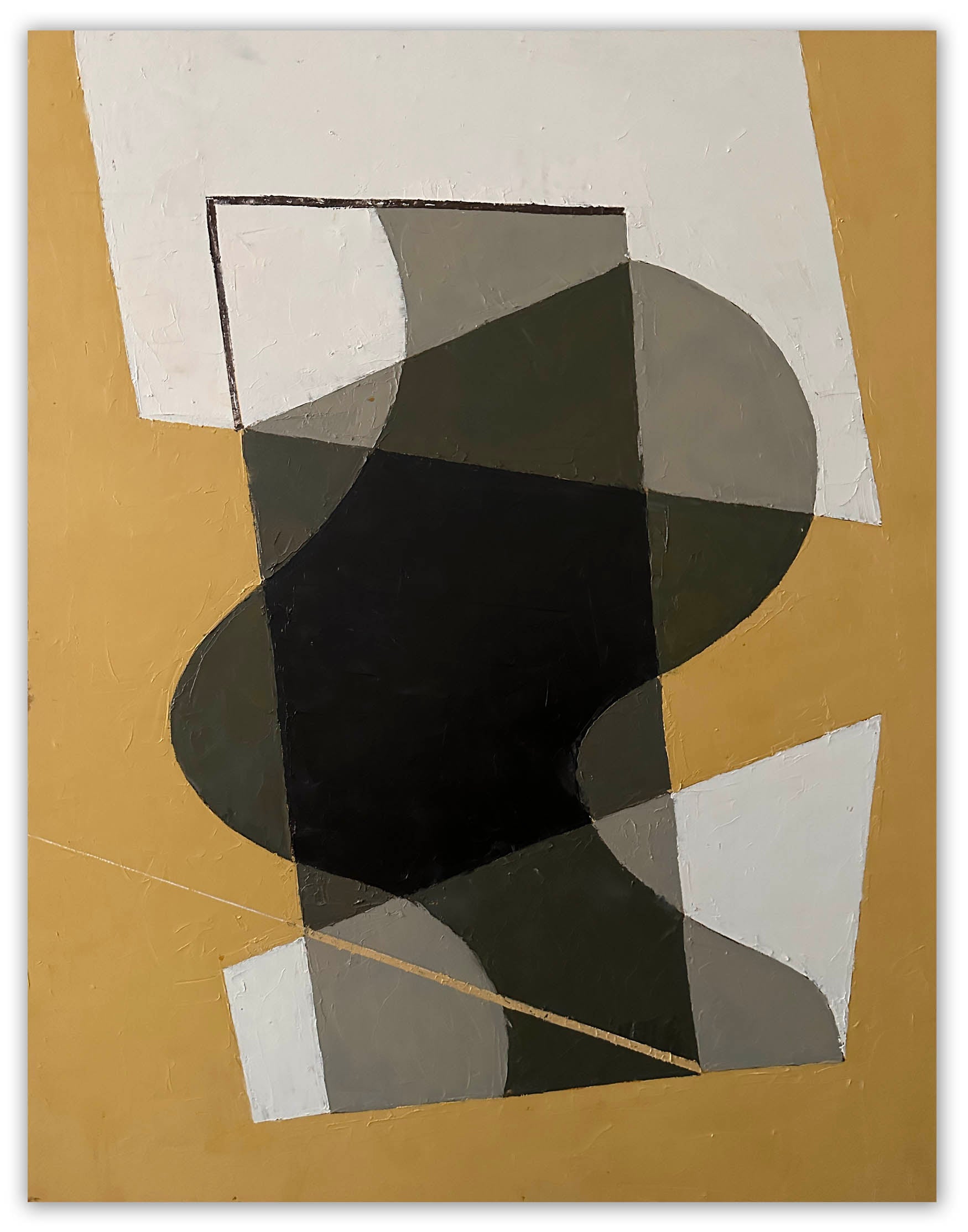
Tilman - Untitled (101.13), 2013 (left) and Untitled 258.11, 2011 (right) - ©the artist
A Lasting Impact: From 1931 to Contemporary Echoes
The Abstraction-Création group officially disbanded in 1936, as the political situation in Europe became increasingly unstable and the rise of Fascism in Germany and Italy made it difficult for many of the group’s members to continue their work. However, the movement’s impact on the development of modern art was profound. The group’s publications and exhibitions provided a crucial lifeline for abstract artists during a time when their work was under attack from both political and cultural forces.
Today, the legacy of Abstraction-Création can be seen in the work of numerous contemporary artists who continue to explore the possibilities of geometric abstraction. The group’s belief in the universality of abstract art, and its commitment to exploring the relationship between color, form, and space, remain central to the ongoing evolution of modern and contemporary art.
The Abstraction-Création group was never a monolith; it was a "big tent" that housed everything from the cold precision of Constructivism to the warm rhythms of biomorphism. Today, this rich diversity is mirrored across the IdeelArt roster. While many of our artists could claim a lineage to this pivotal movement, the following five have been selected to exemplify how its distinct "wings", structural, organic, playful, optical, and architectural, have evolved for the 21st century.

Jessica Snow - Flow in the ever present #6, 2021 - ©the artist
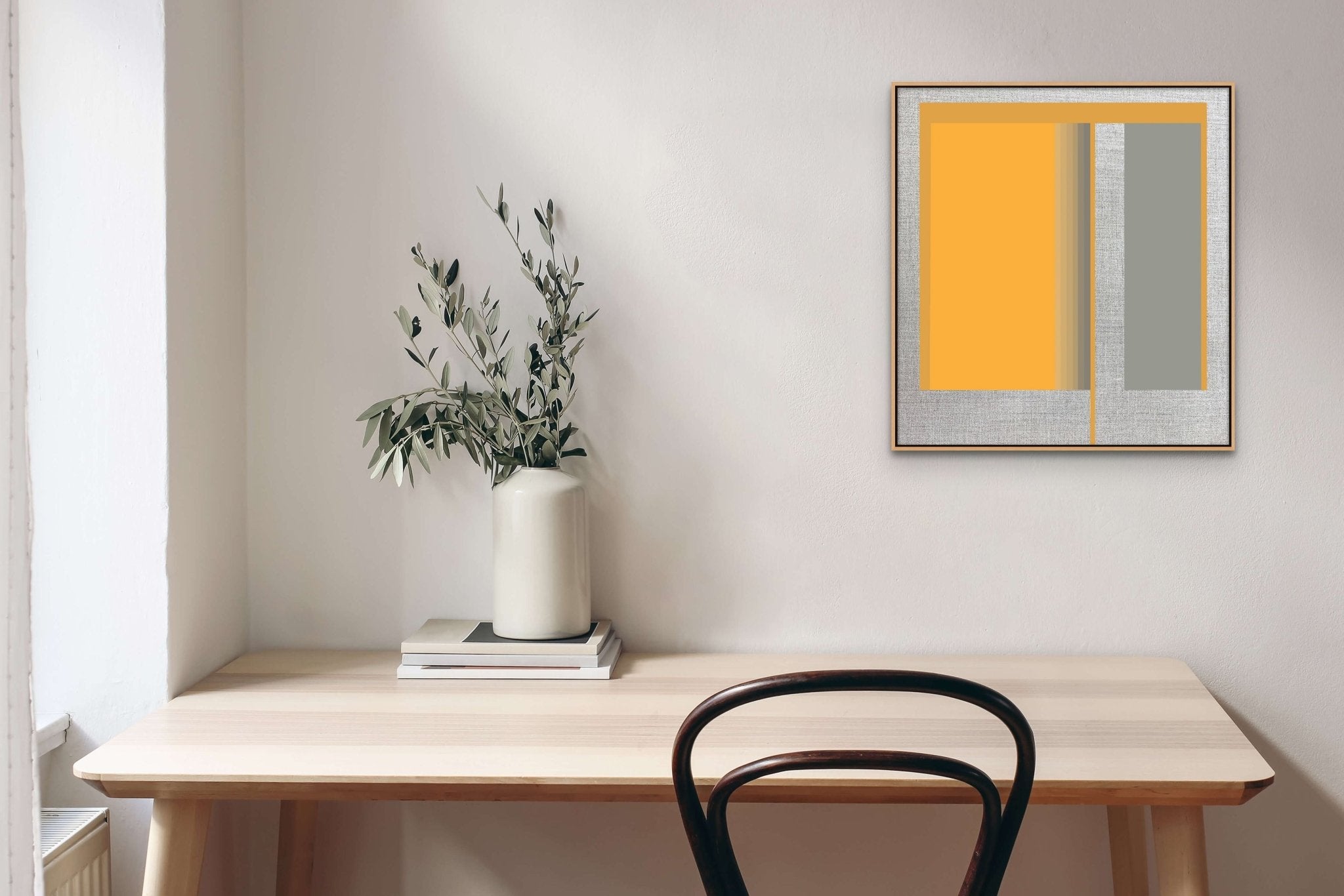
Jeremy Annear, the organic connection: The Abstraction-Création group had strong ties to the British St. Ives school (Ben Nicholson and Barbara Hepworth were members), a lineage that celebrated the tension between geometry and the natural world. Jeremy Annear acts as a modern torchbearer for this "warm," organic abstraction. His relief-like oil paintings capture the natural geometry of the landscape without being literal, balancing European Modernist structure with a distinctly rhythmic, earthly sensibility that recalls the group's softer side.
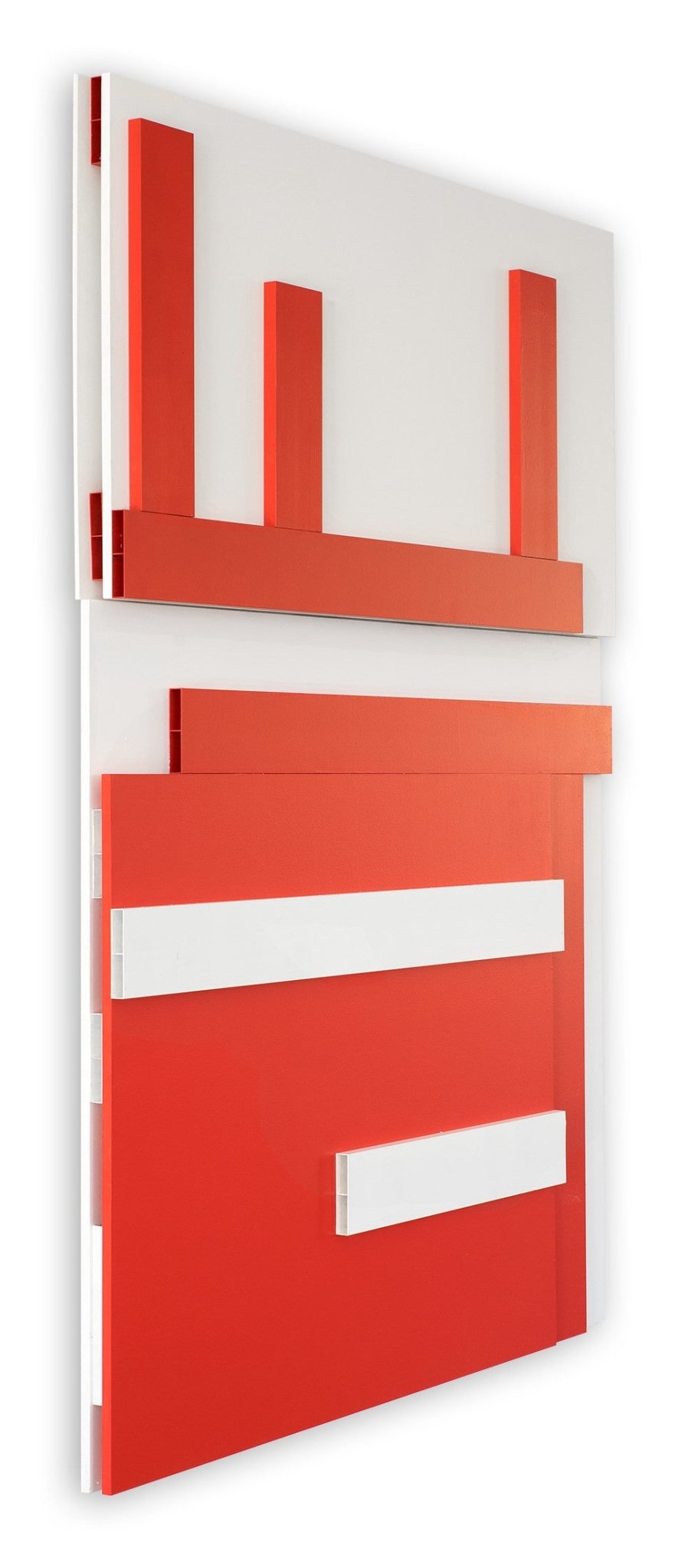
Tilman, the structural heir: Representing the movement's "Concrete" wing, championed originally by figures like Georges Vantongerloo and Max Bill, Tilman engages in a rigorous exploration of light, space, and objecthood. His work does not represent the world; it constructs a new one. Through his reductive "built environments" and stacked objects, he fulfills the group’s foundational demand for art that is constructed with mathematical clarity rather than impressionistic feeling, bringing the Constructivist dream into our contemporary physical space.

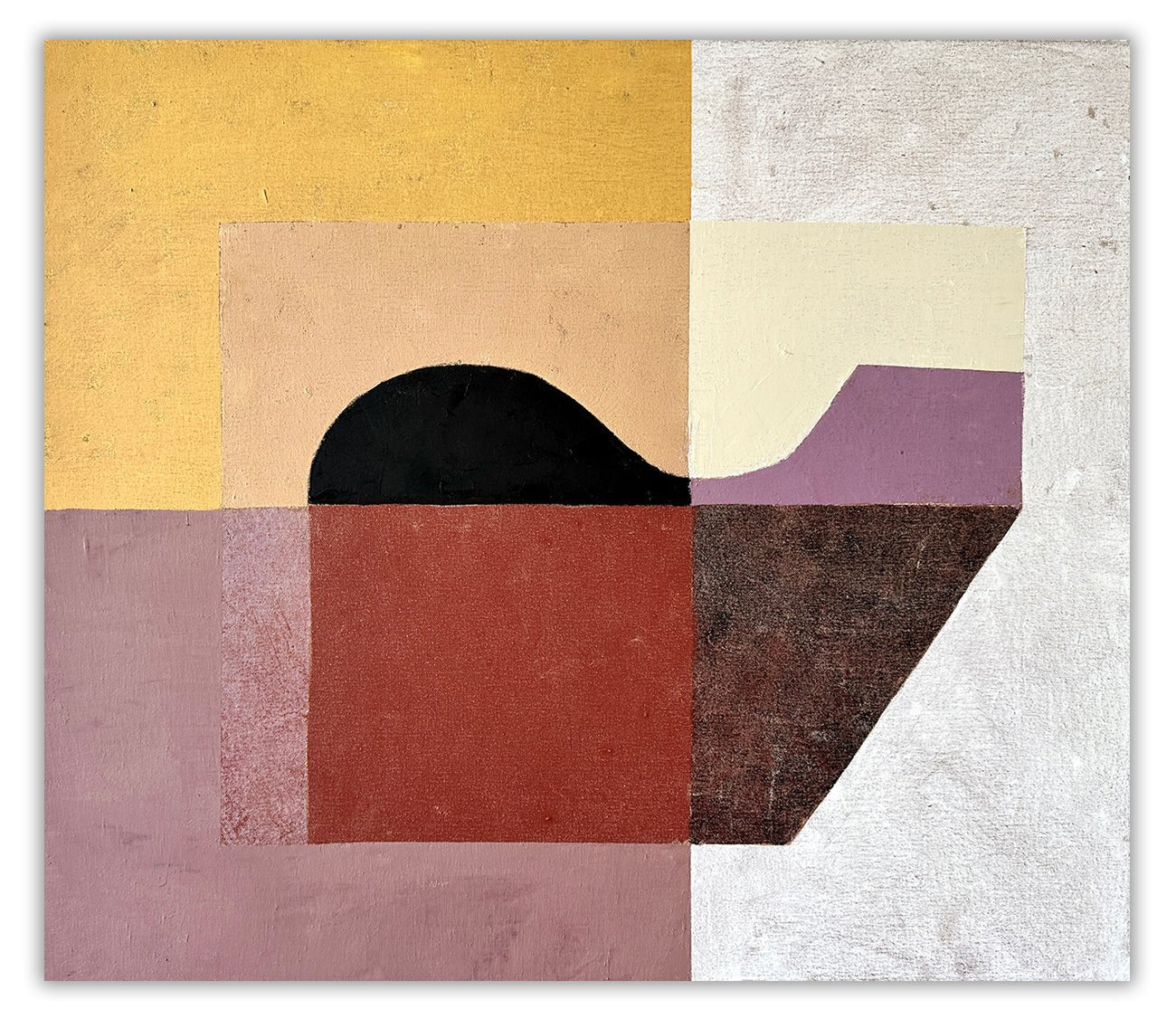
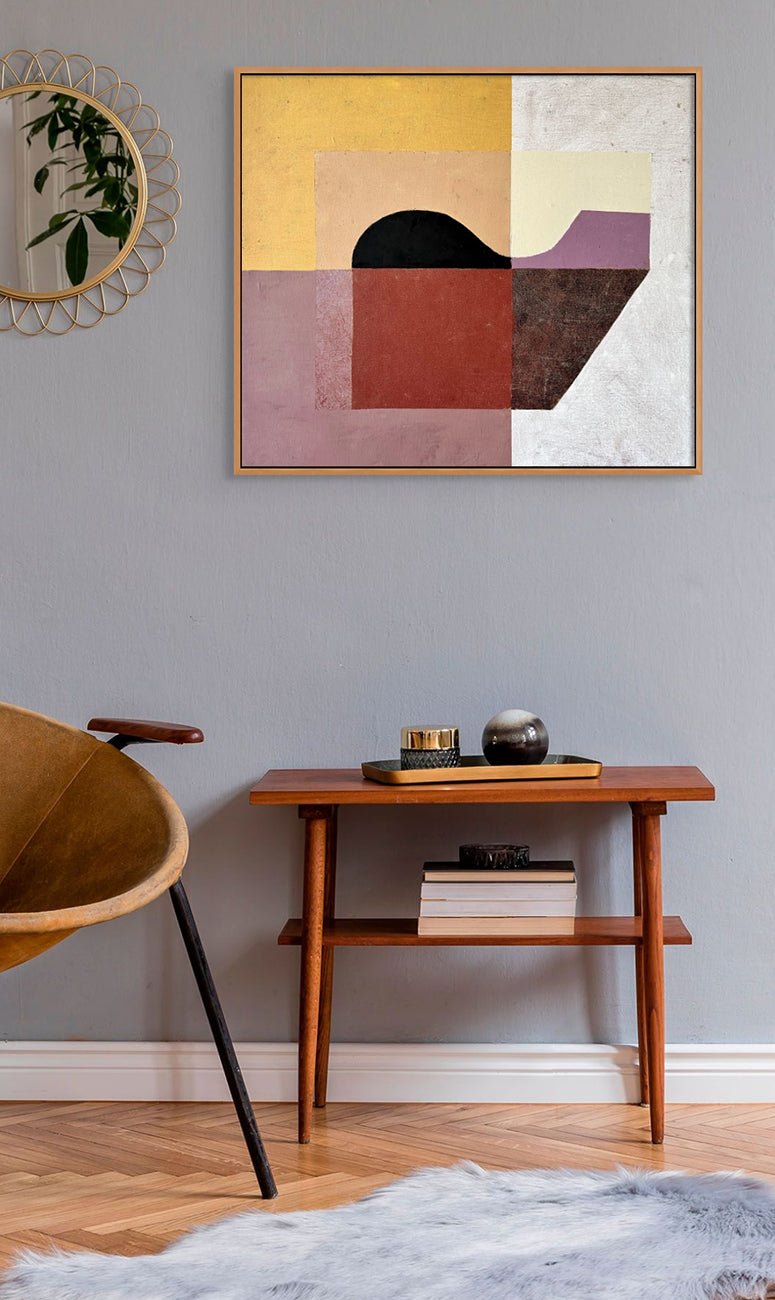
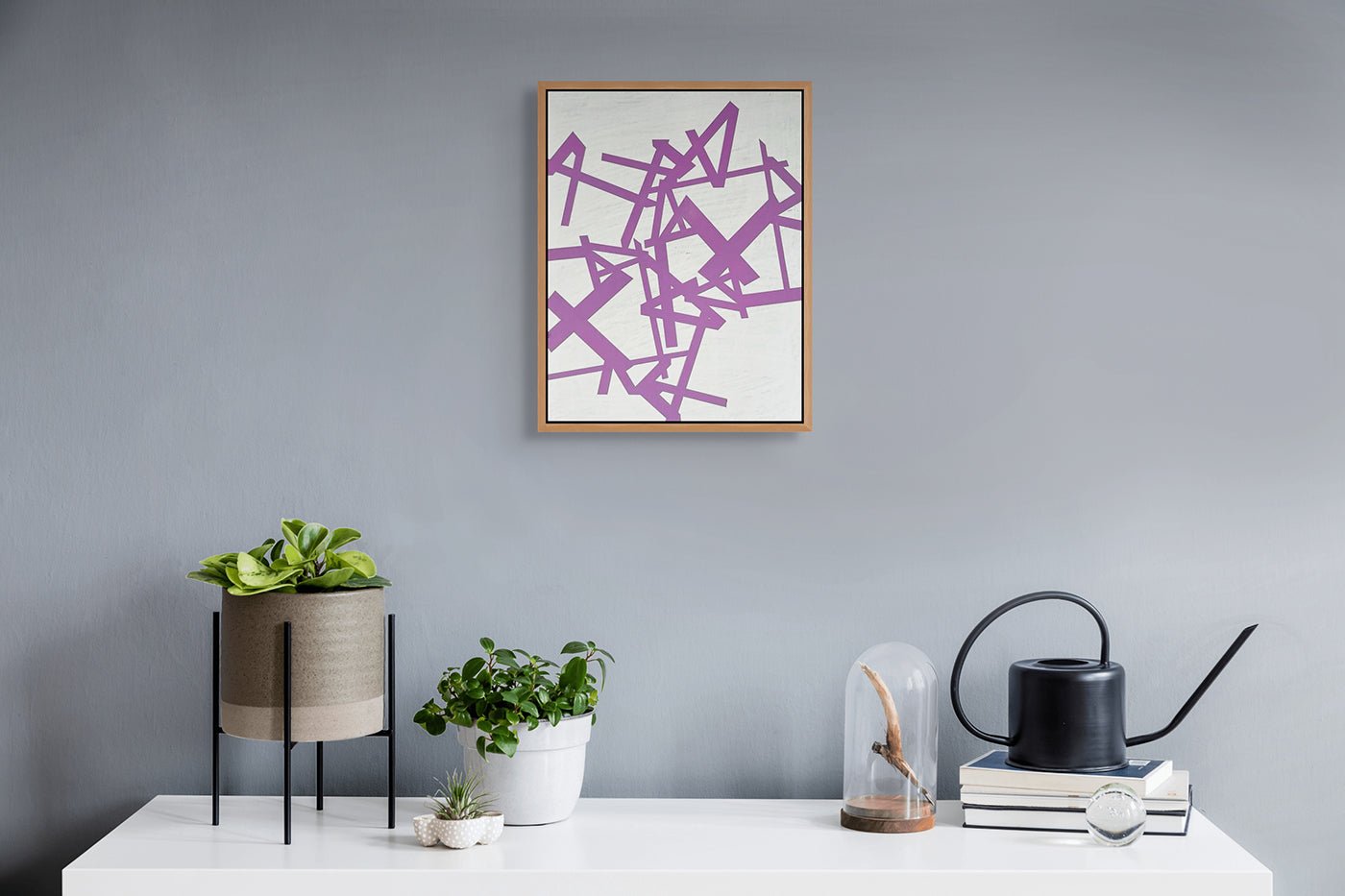
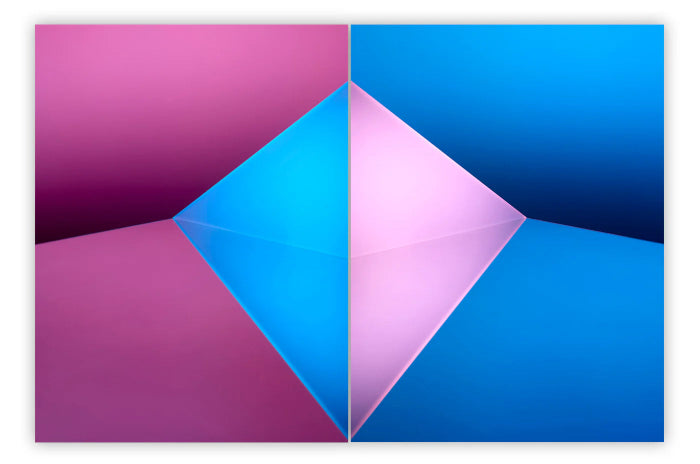
Jasper Van der Graaf - Untitled 2024 (purple-beige) and Untitled 2024 (purple-white), 2024 - ©the artist
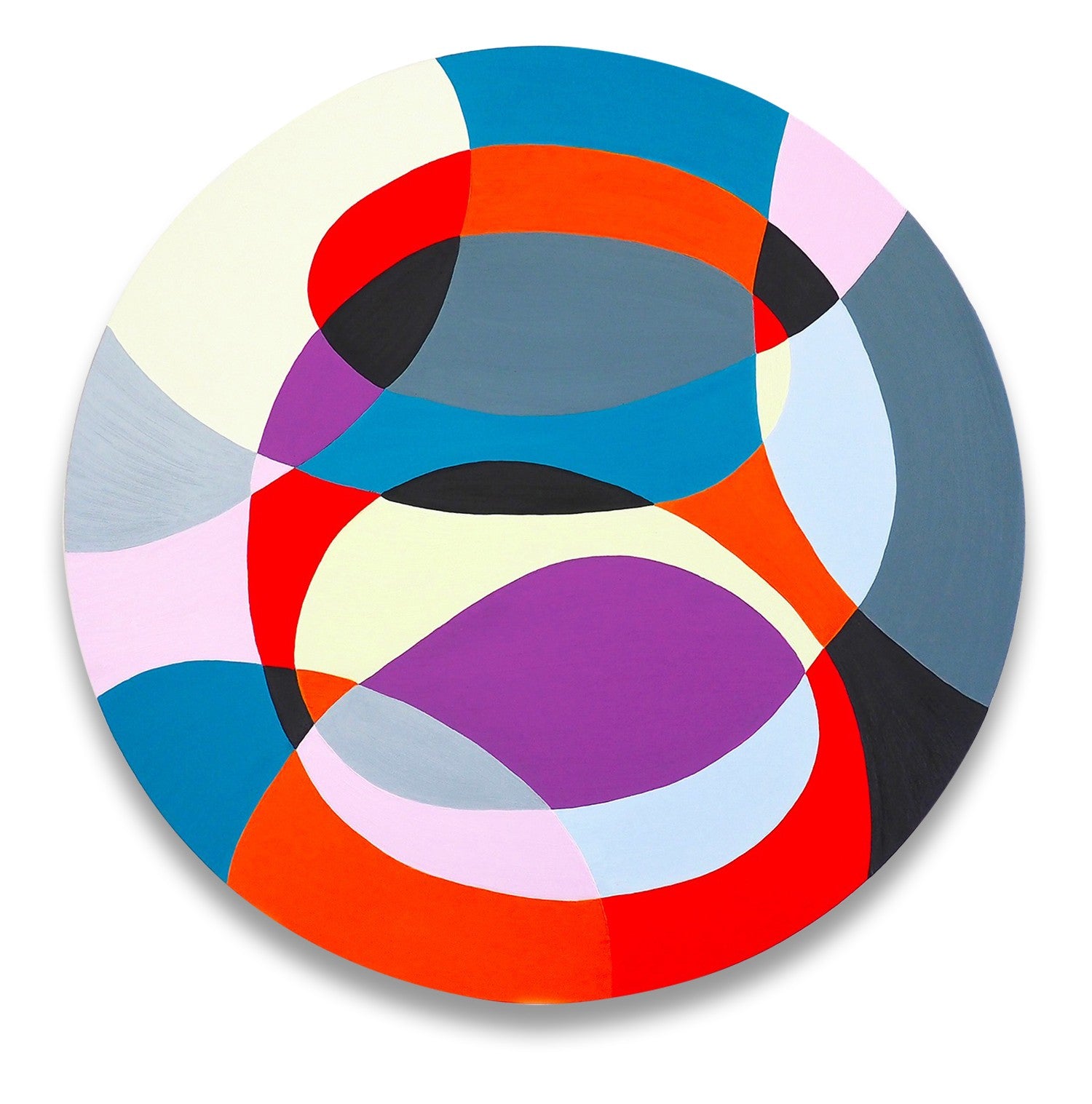
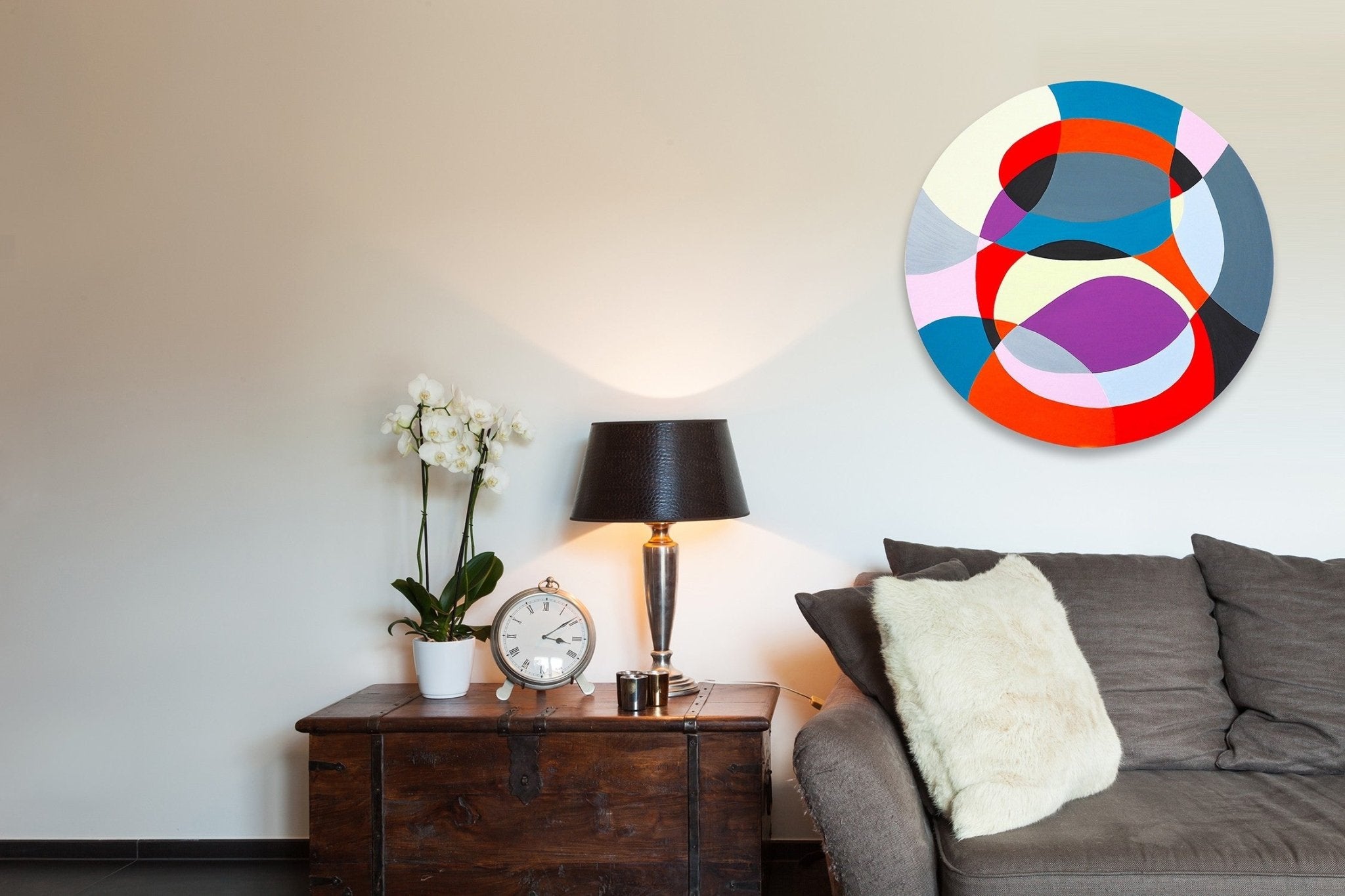
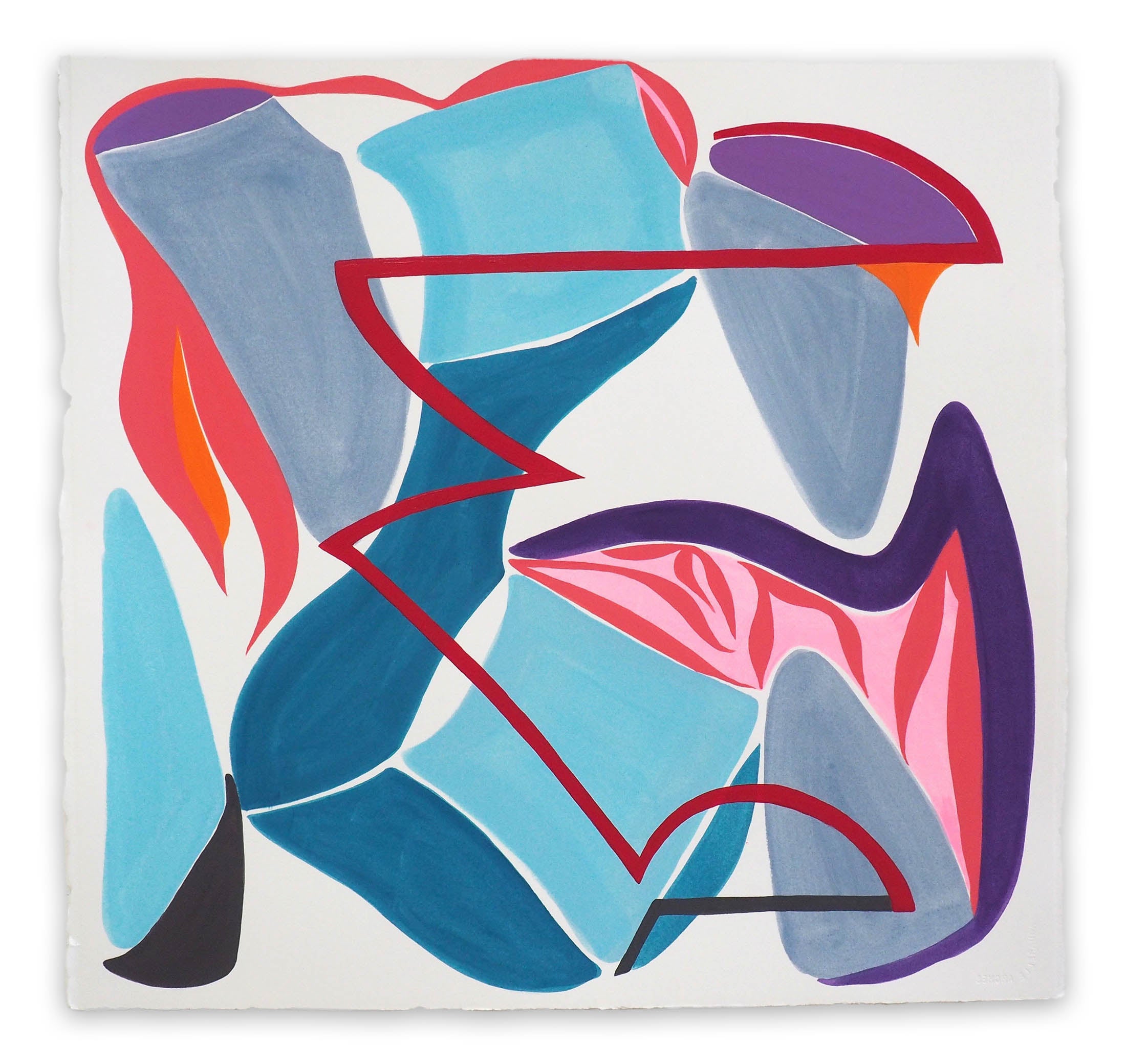
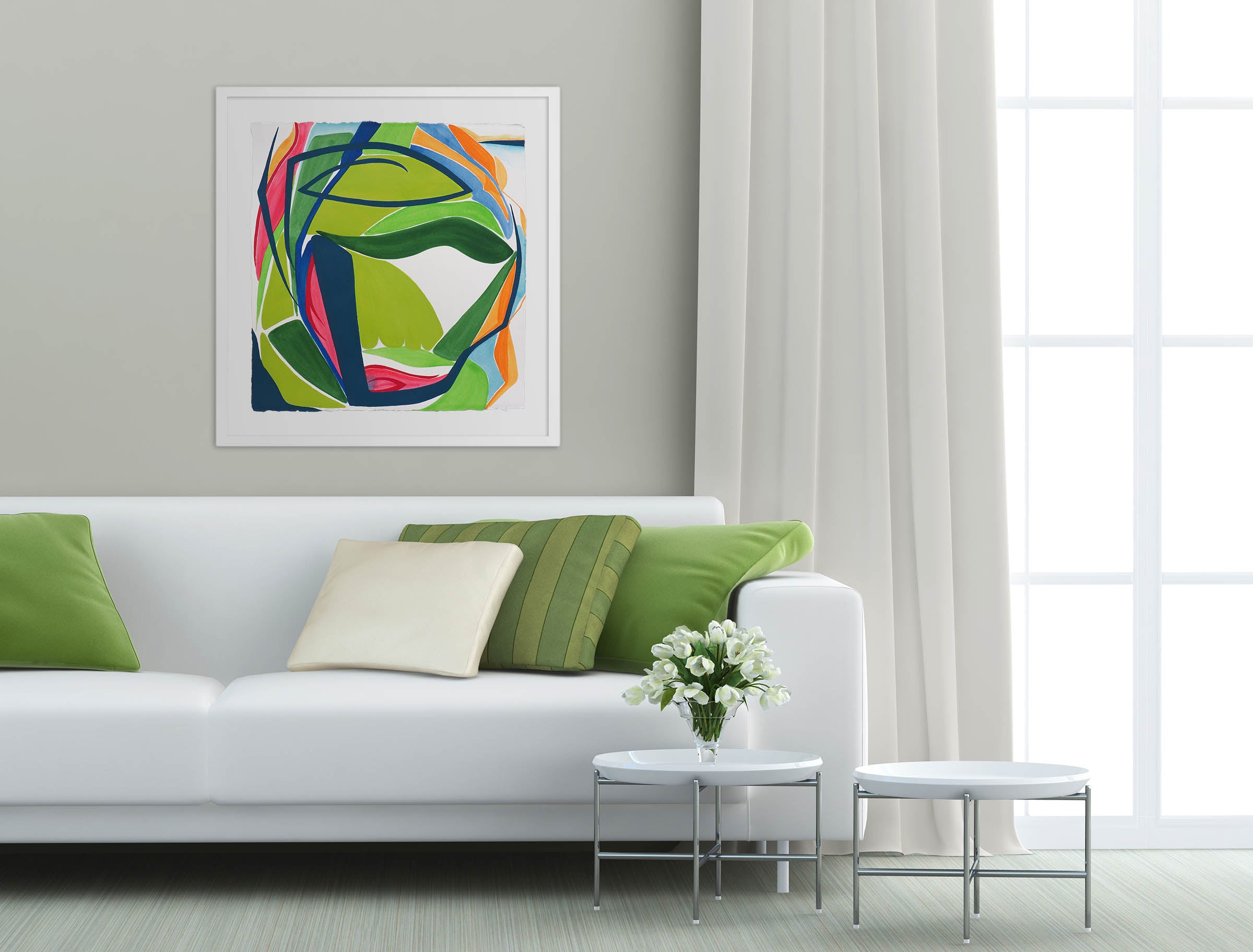
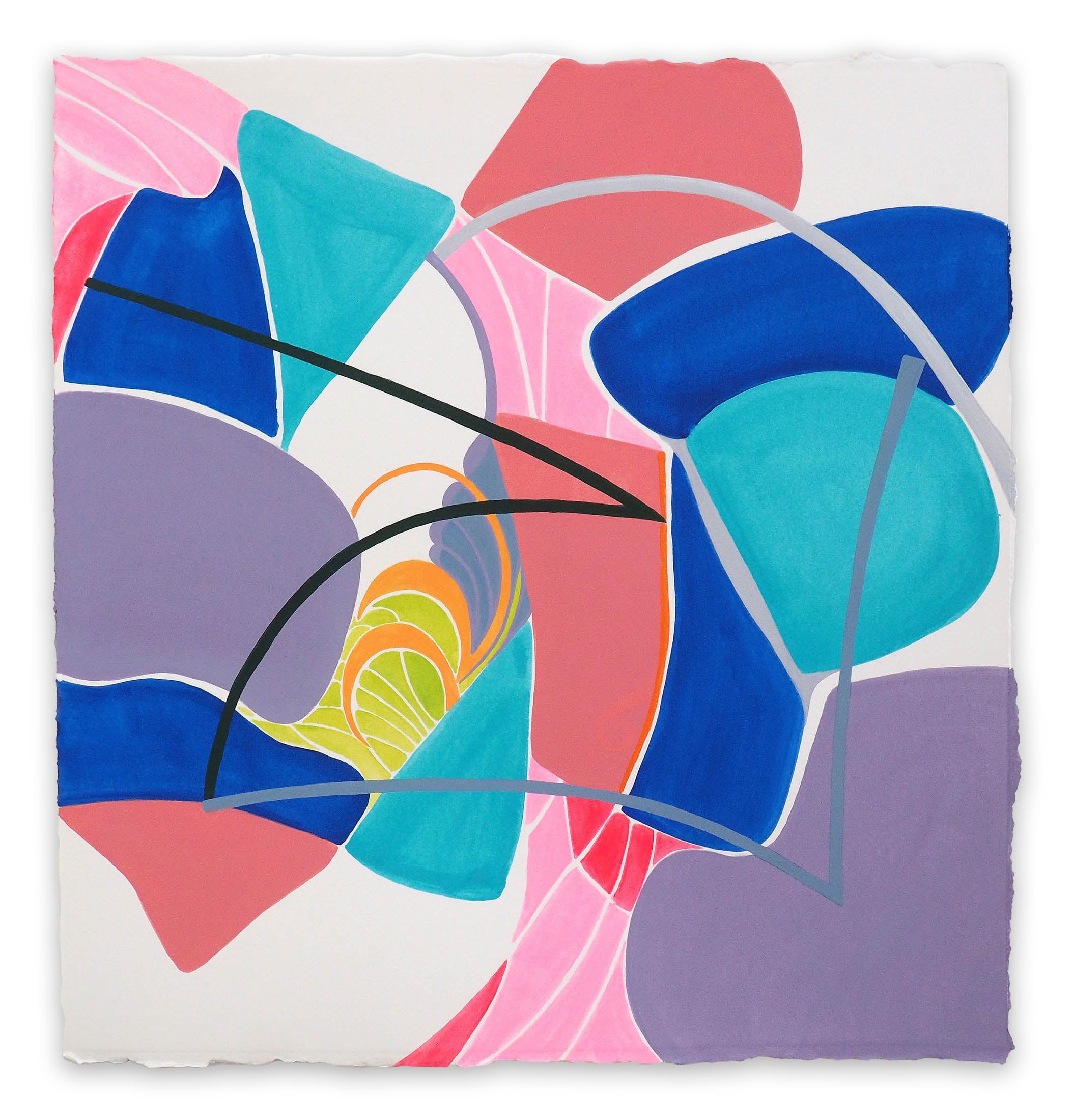
Jessica Snow, playful geometry: Sophie Taeuber-Arp was bridging the gap between rigid geometry and joyful rhythm. Today, American artist Jessica Snow continues this spirited investigation. Citing Taeuber-Arp as a primary influence, Snow liberates geometry from austerity. Her colorful, playful compositions use precision not to restrict, but to express "metaphorical light, air, and freedom," proving that the mathematical roots of the movement can yield results that are full of life and buoyancy.
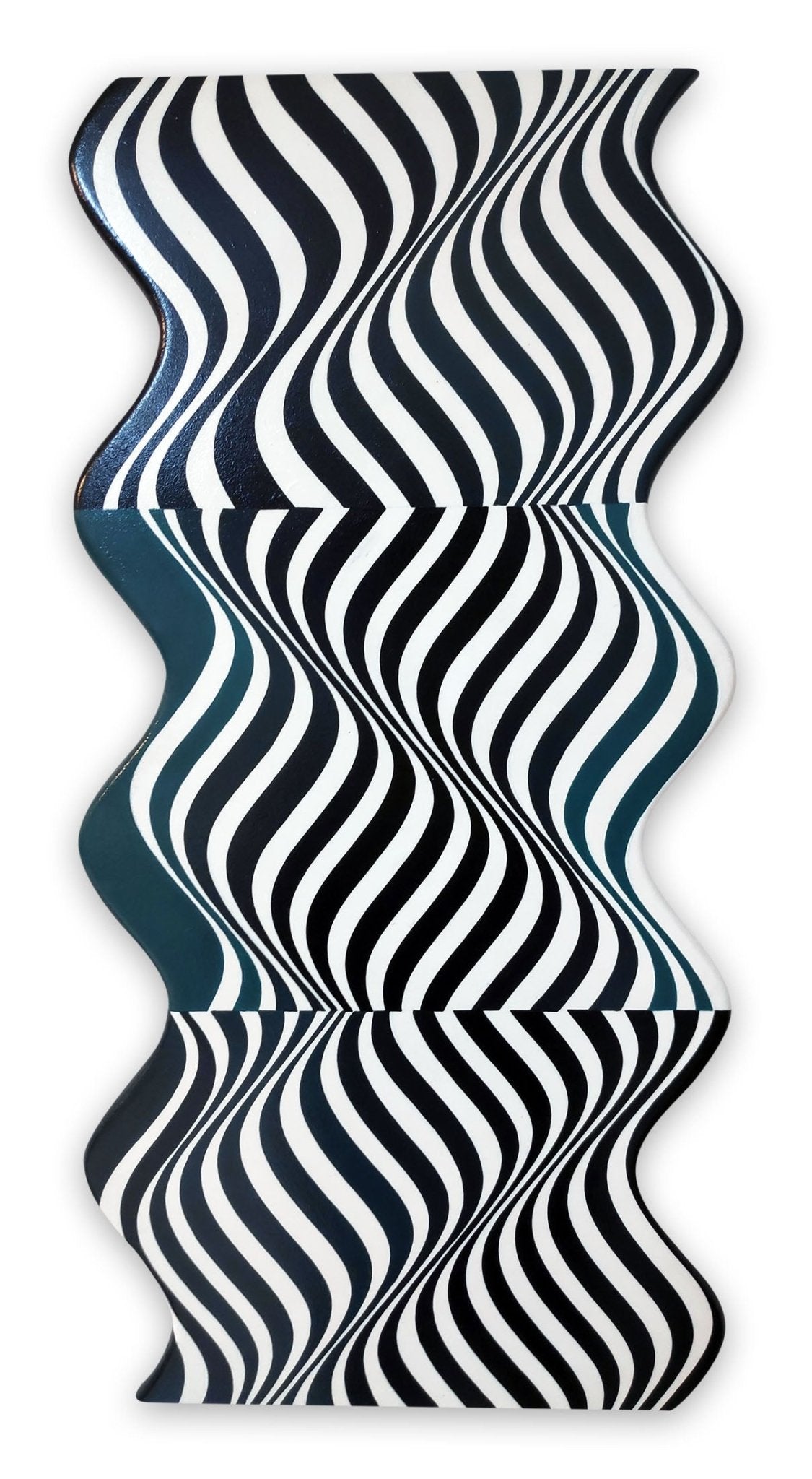
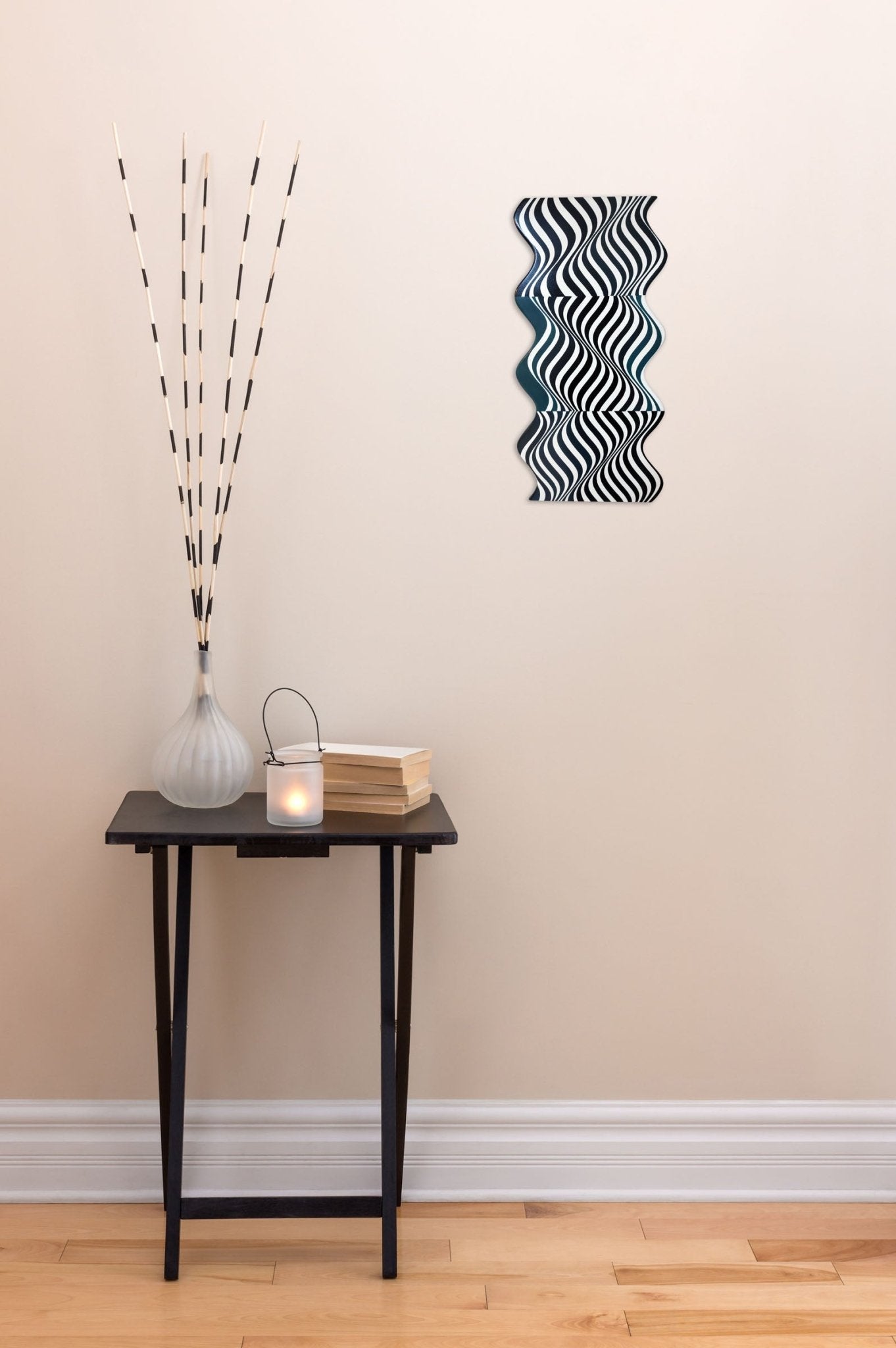
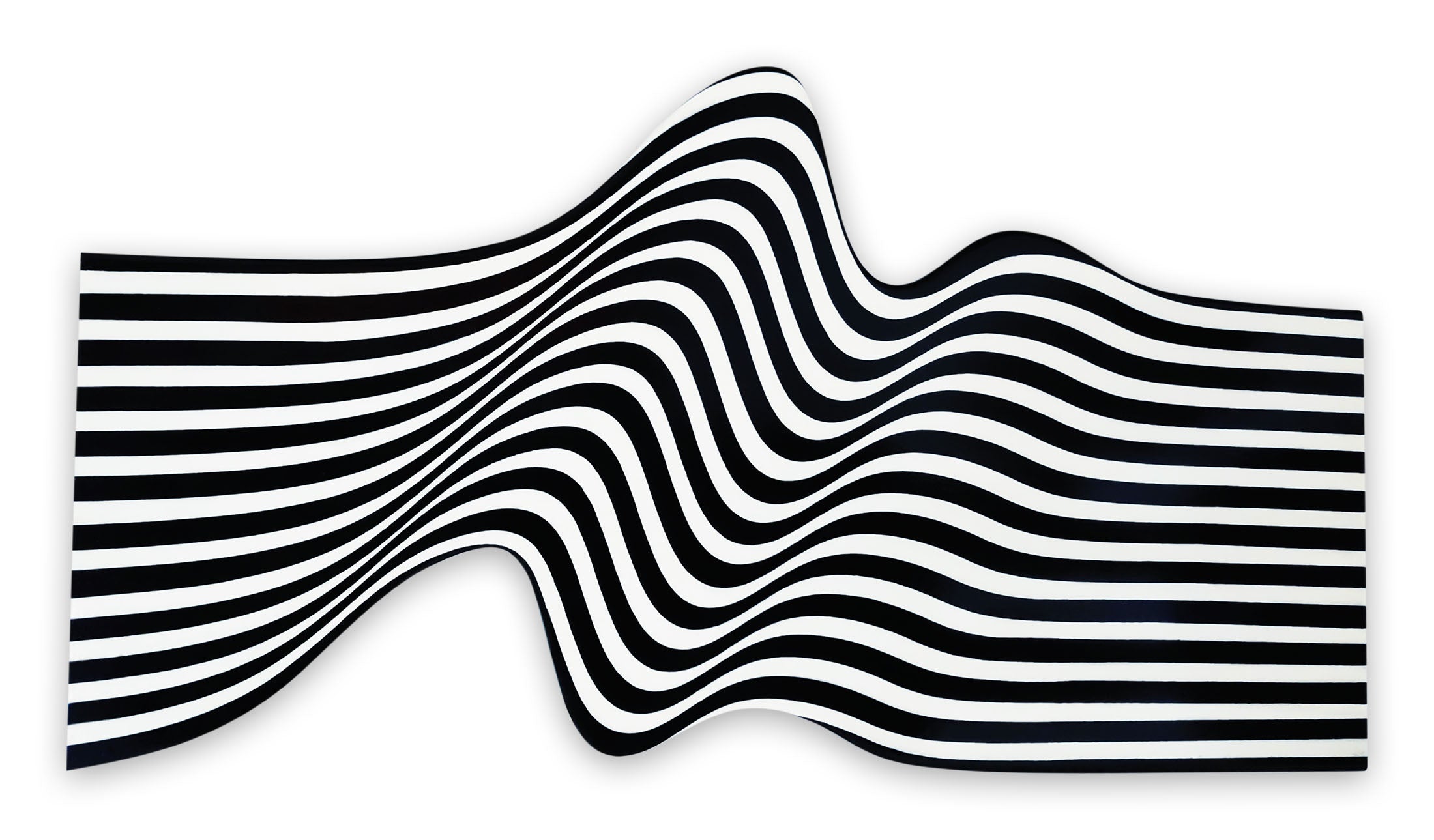
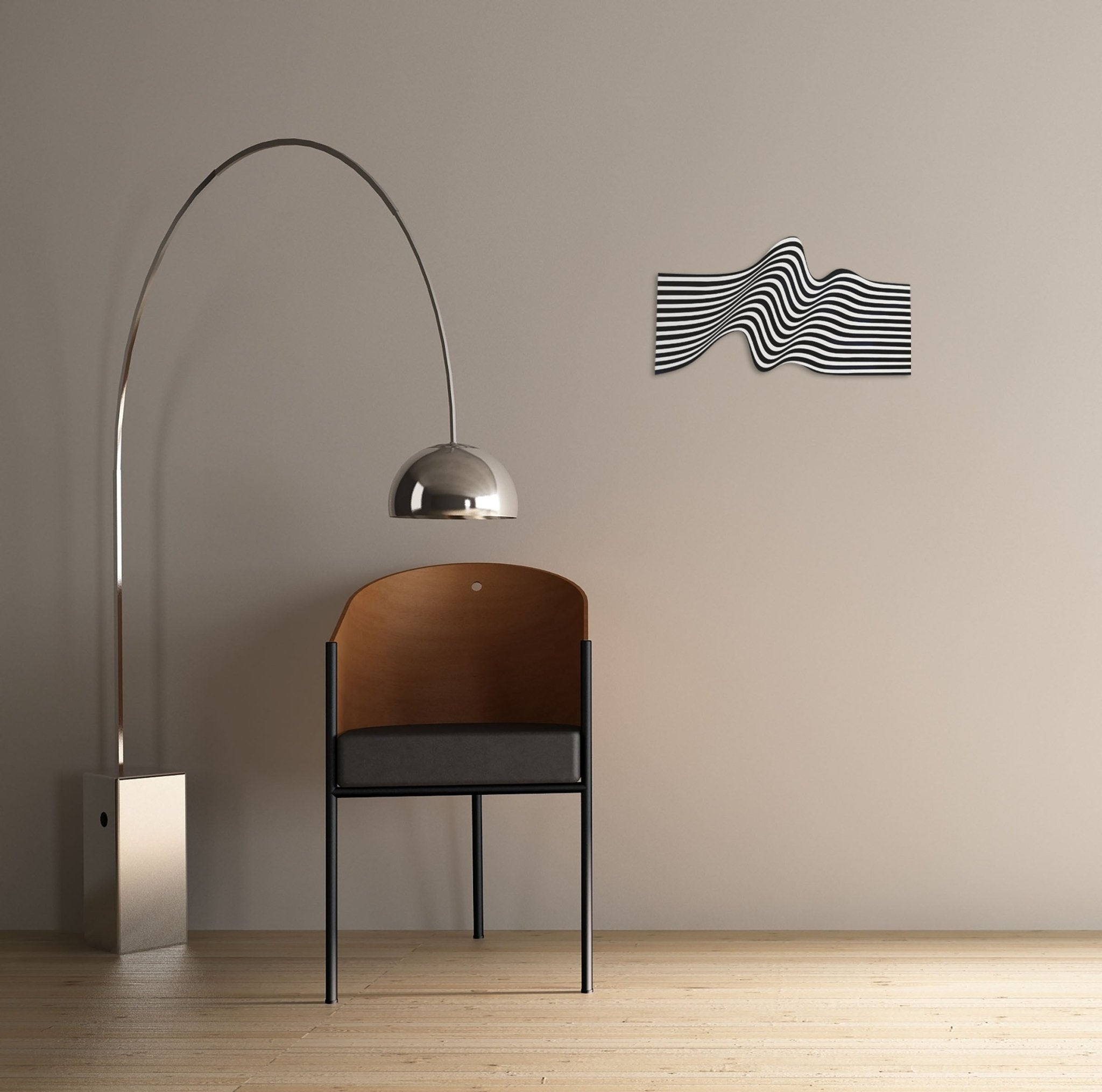
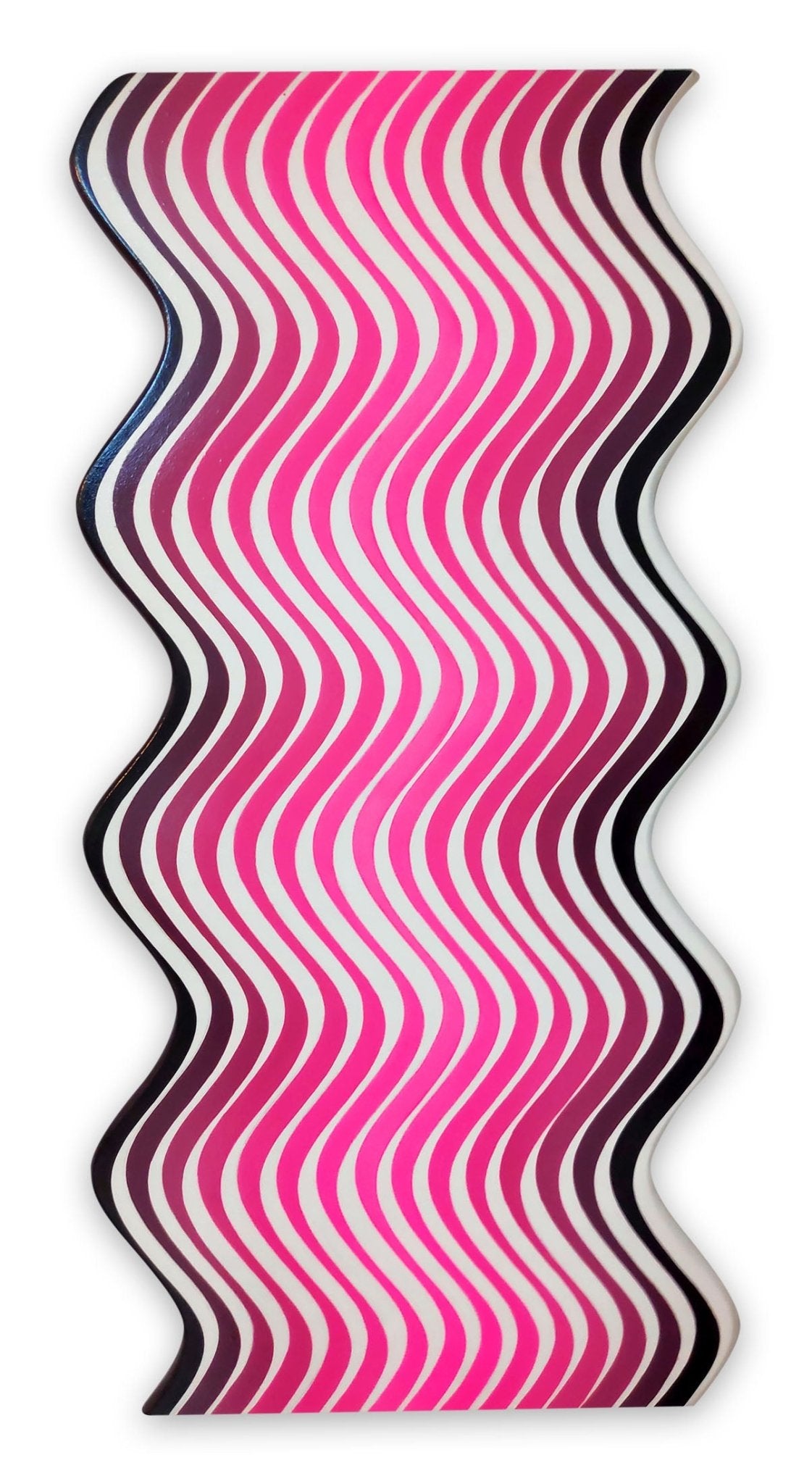
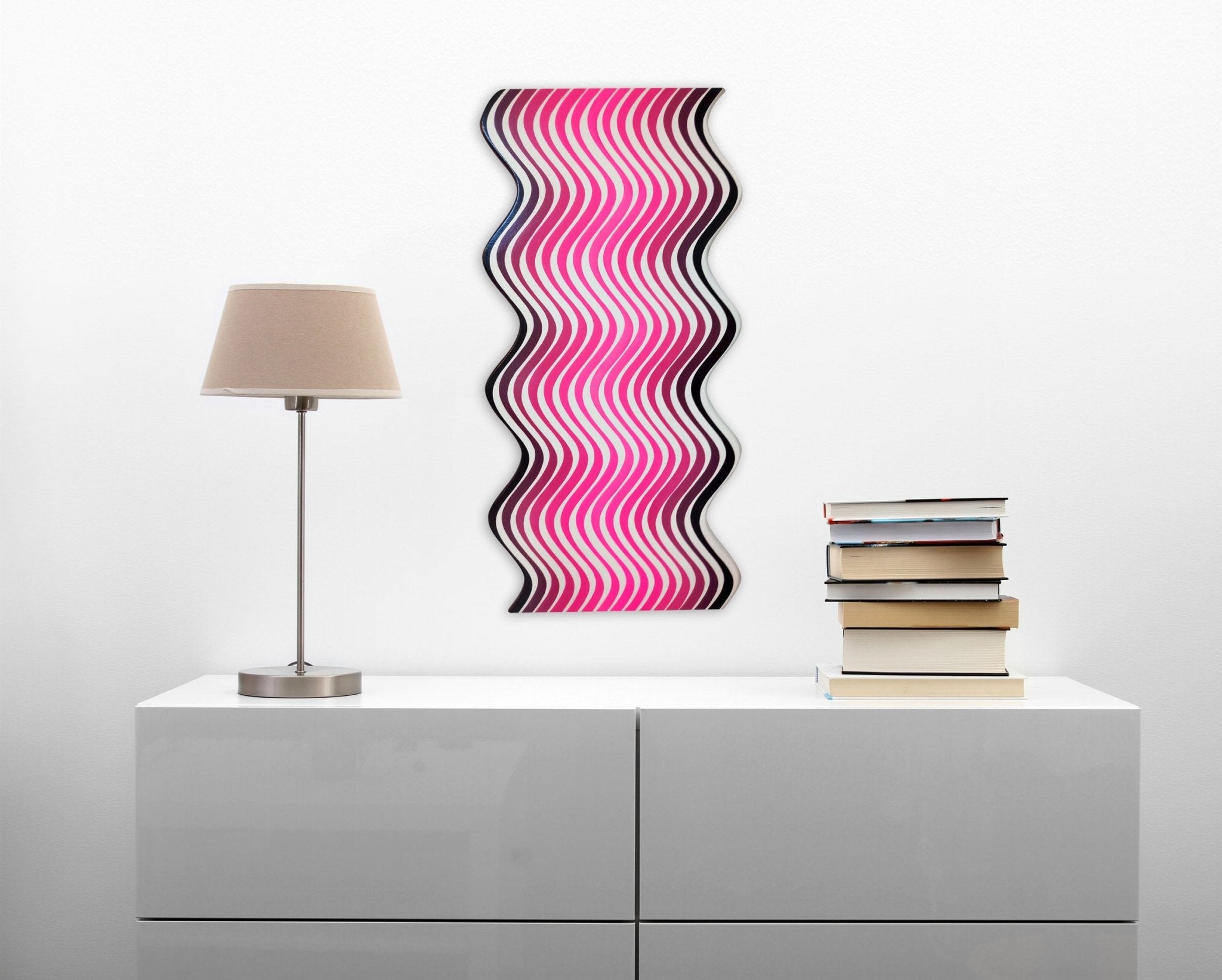
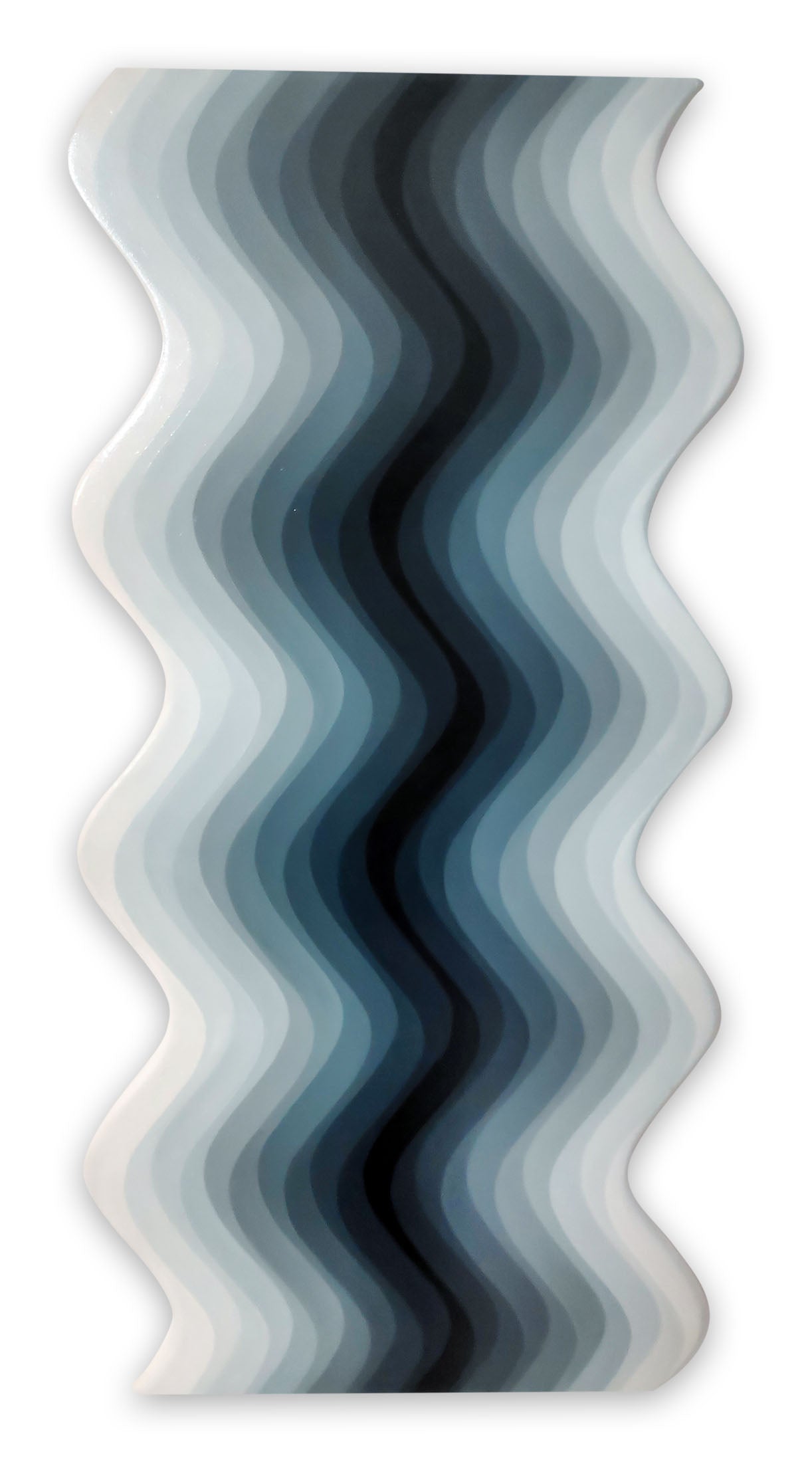
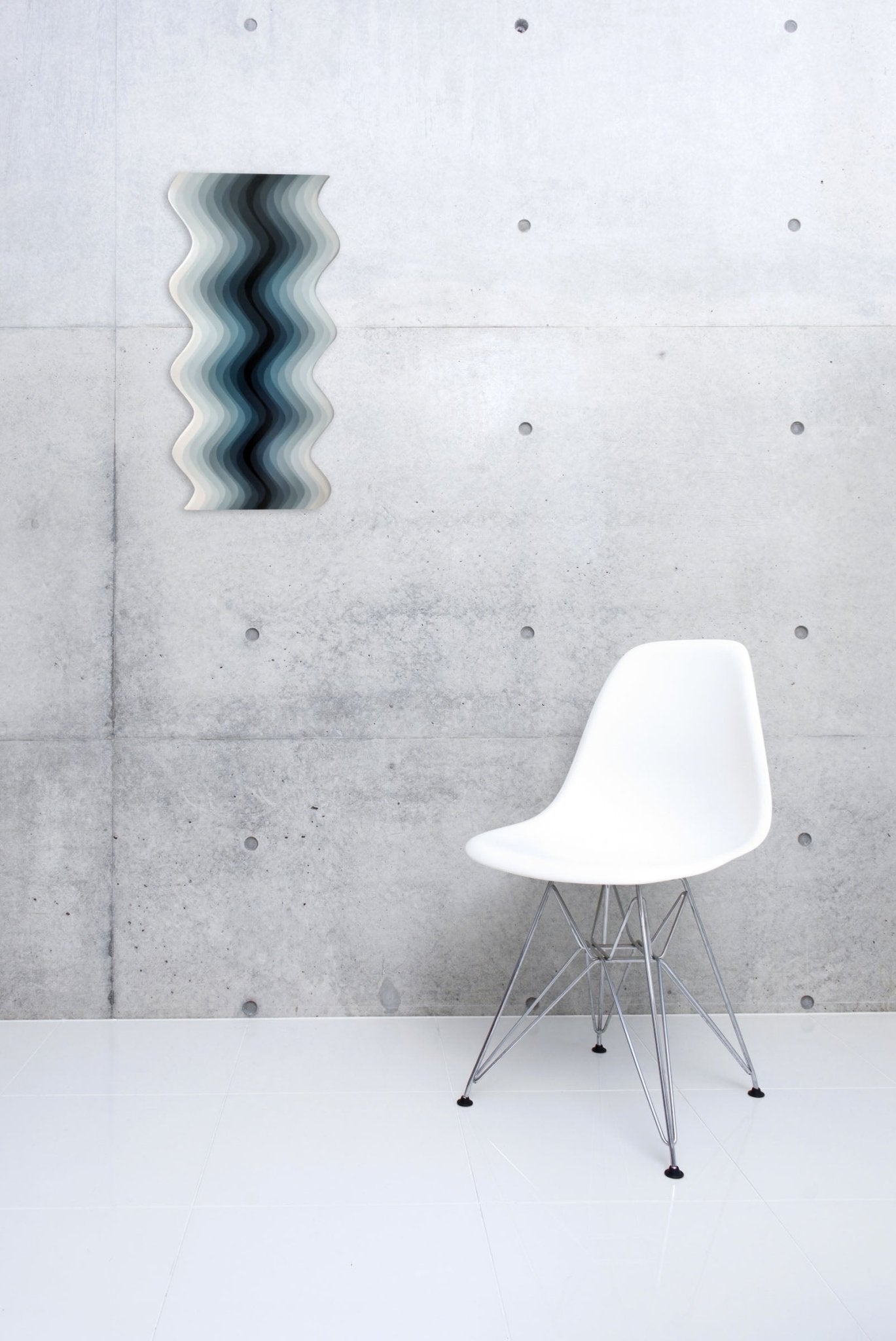
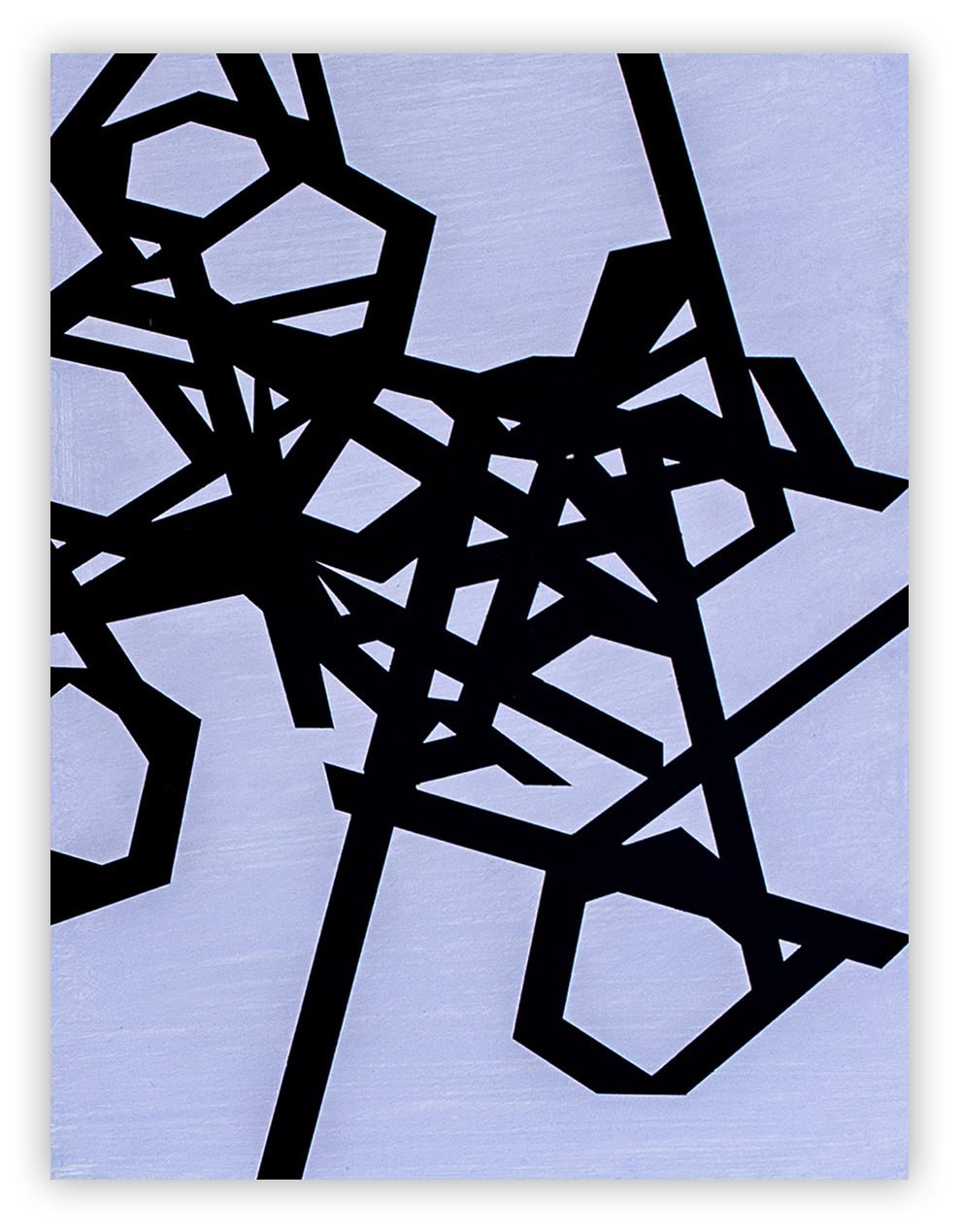
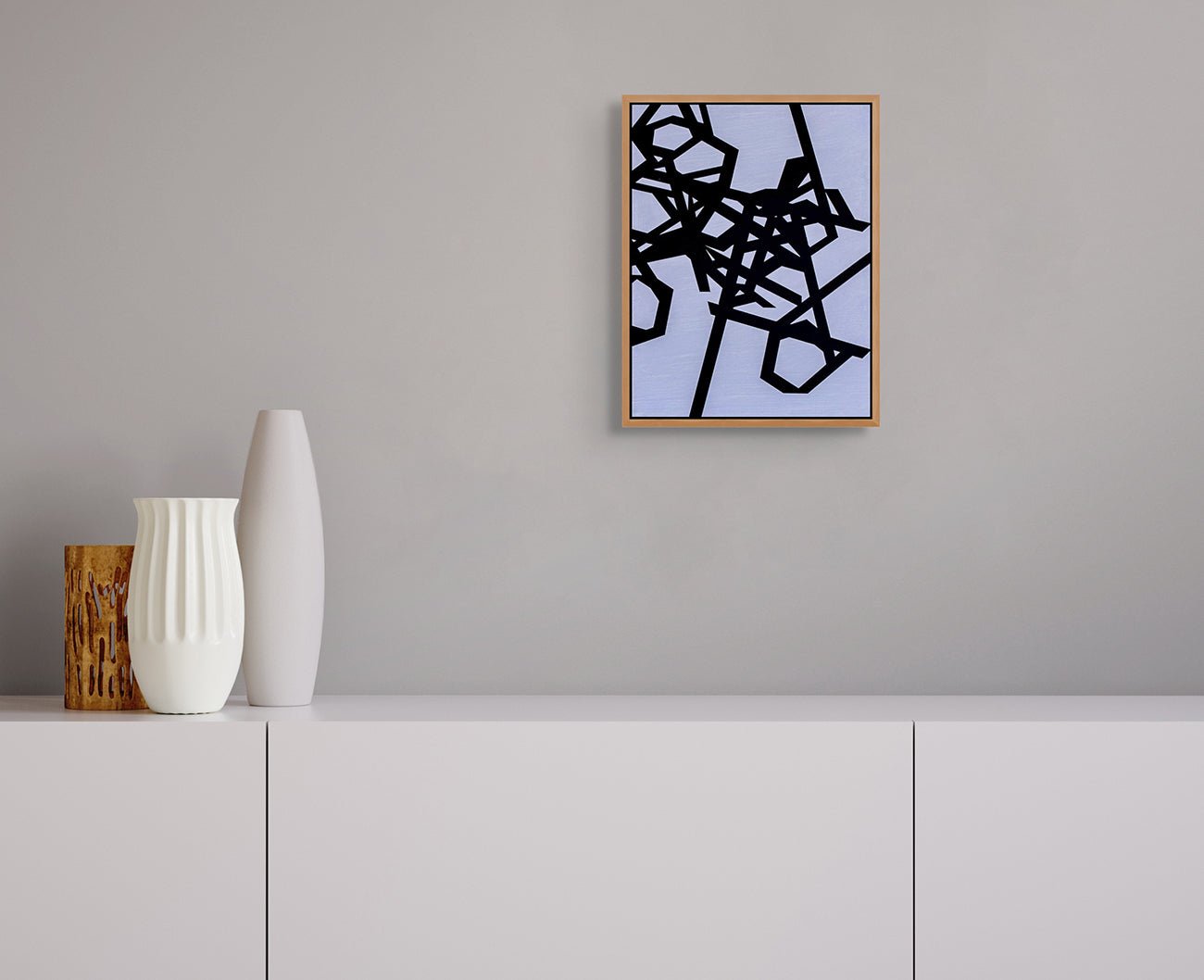
Cristina Ghetti, the optical evolution: Auguste Herbin’s "plastic alphabet" and his experiments with the physiology of seeing paved the way for Op Art. Cristina Ghetti pushes this lineage into the digital age. By originating her compositions on a computer before translating them to canvas, she creates "formal redundancies" and illusions of movement that challenge the viewer’s perception. Her work is a contemporary evolution of the kinetic experiments that Herbin and later Vasarely championed, using modern tools to explore the timeless mechanics of vision.
Jasper van der Graaf, the architectural legacy: Drawing from the De Stijl principles brought to the group by Piet Mondrian and Theo van Doesburg, Jasper van der Graaf explores the architectural potential of abstraction. His large-scale murals and site-specific works investigate the interplay between positive and negative space, integrating art directly into the built environment. His minimalist use of color and form connects him to the movement’s ambition to merge painting with the architecture of modern life.

Cristina Ghetti - Double wave Black , 2017 - ©the artist
A Vital force
The Abstraction-Création movement was more than just a group of like-minded artists, it was a vital force in the preservation and promotion of abstract art during one of the most turbulent periods in modern history. By uniting artists from across Europe and beyond, the movement helped ensure that abstraction would continue to thrive, even in the face of political opposition and cultural shifts. The group’s influence can still be felt today, not only in the work of abstract artists but in the broader history of modern art.
In recognizing the contributions of Abstraction-Création, we are reminded of the power of art to transcend political and cultural boundaries and to speak to the universal human experience.
By Francis Berthomier
Featured Image: Terra Incognita (detail) by Jessica Snow
A Small Selection of related Artworks from our inventory