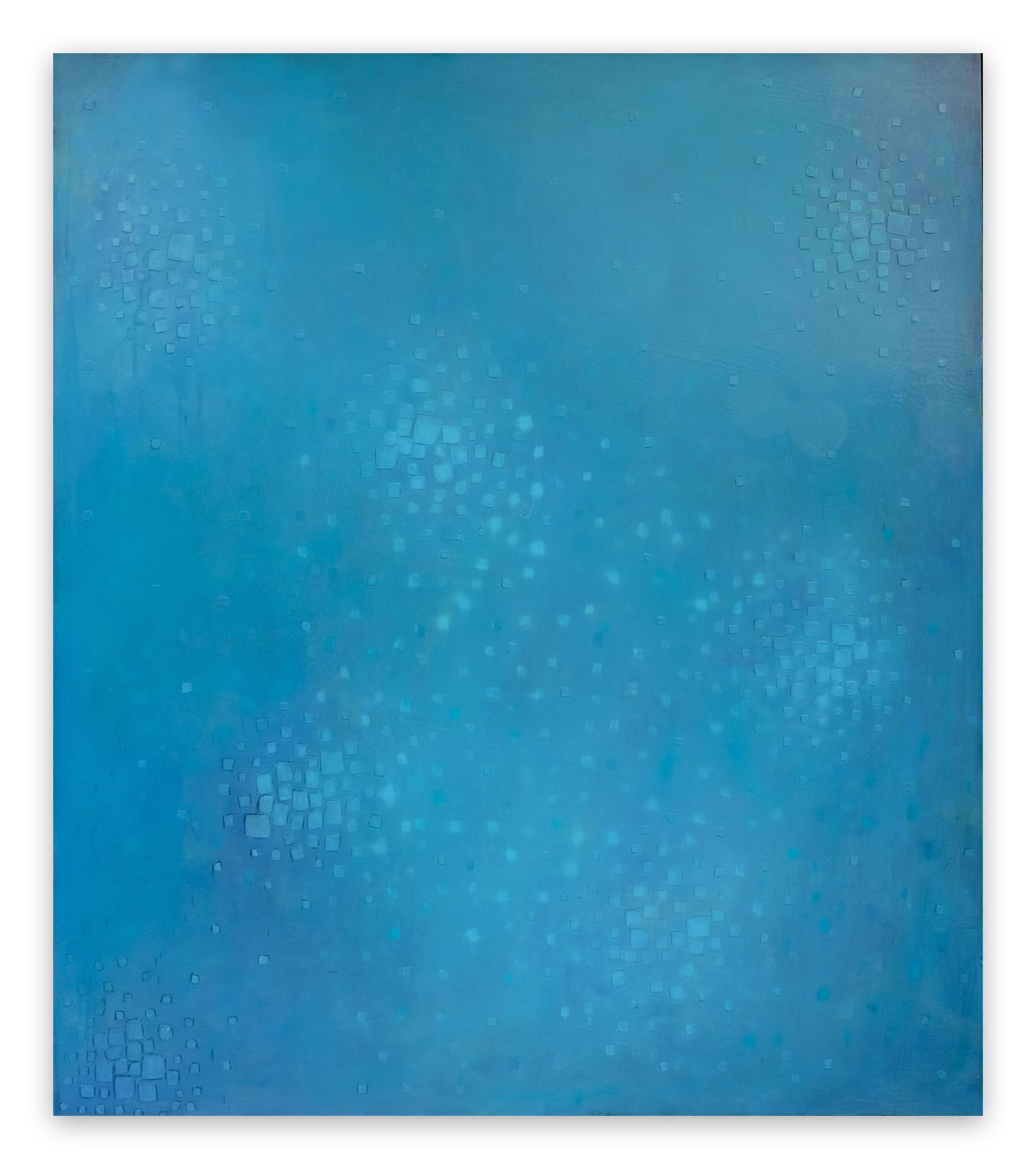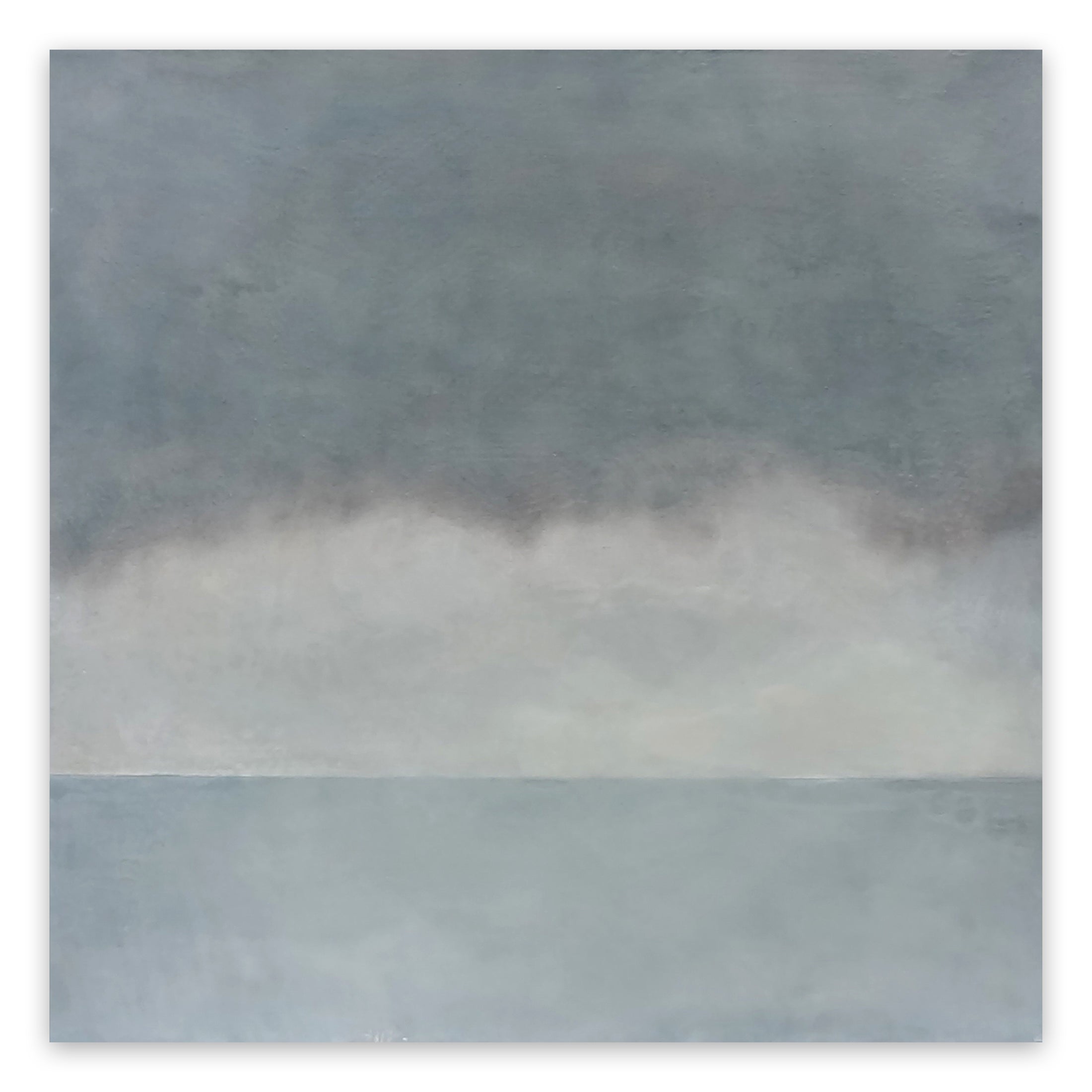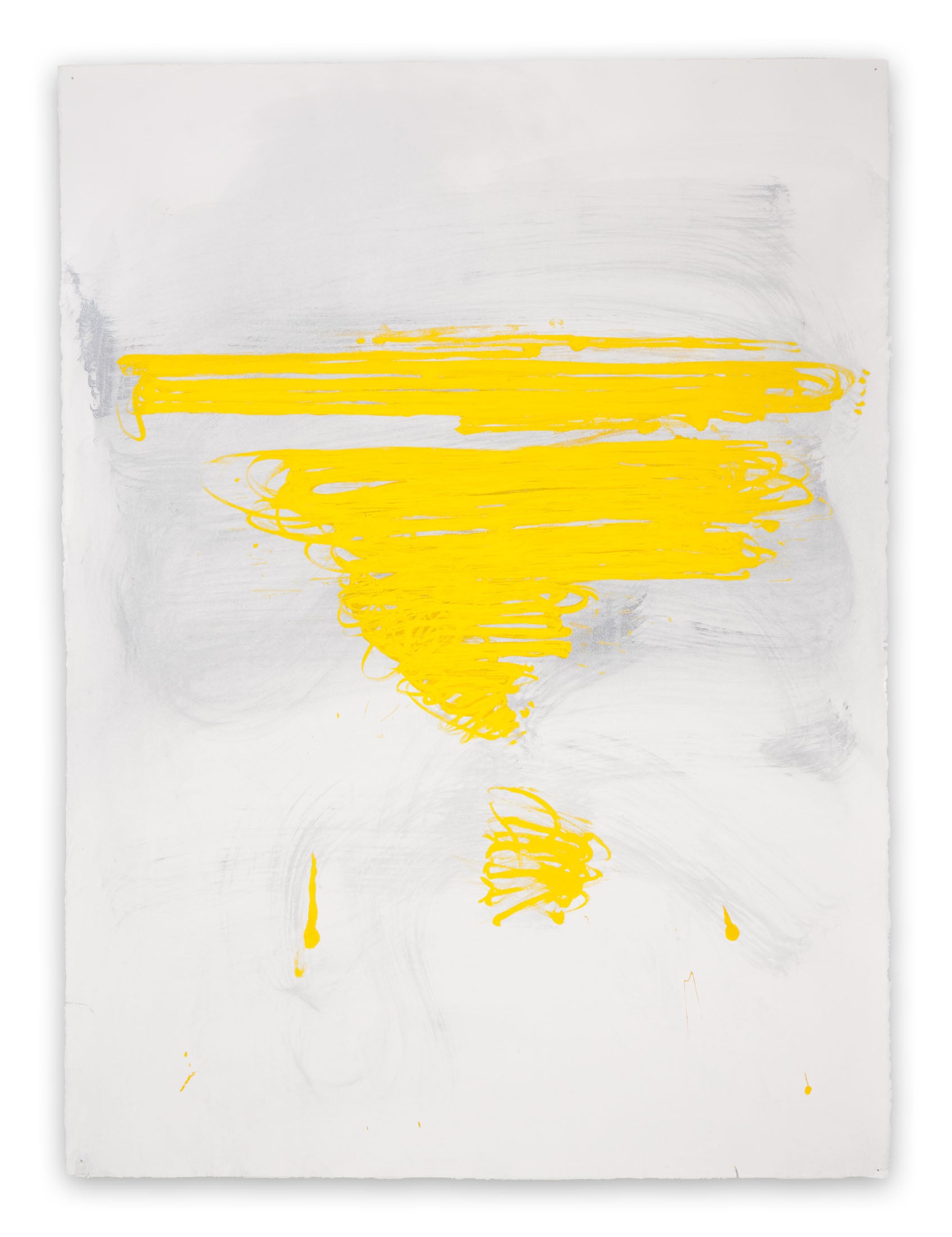
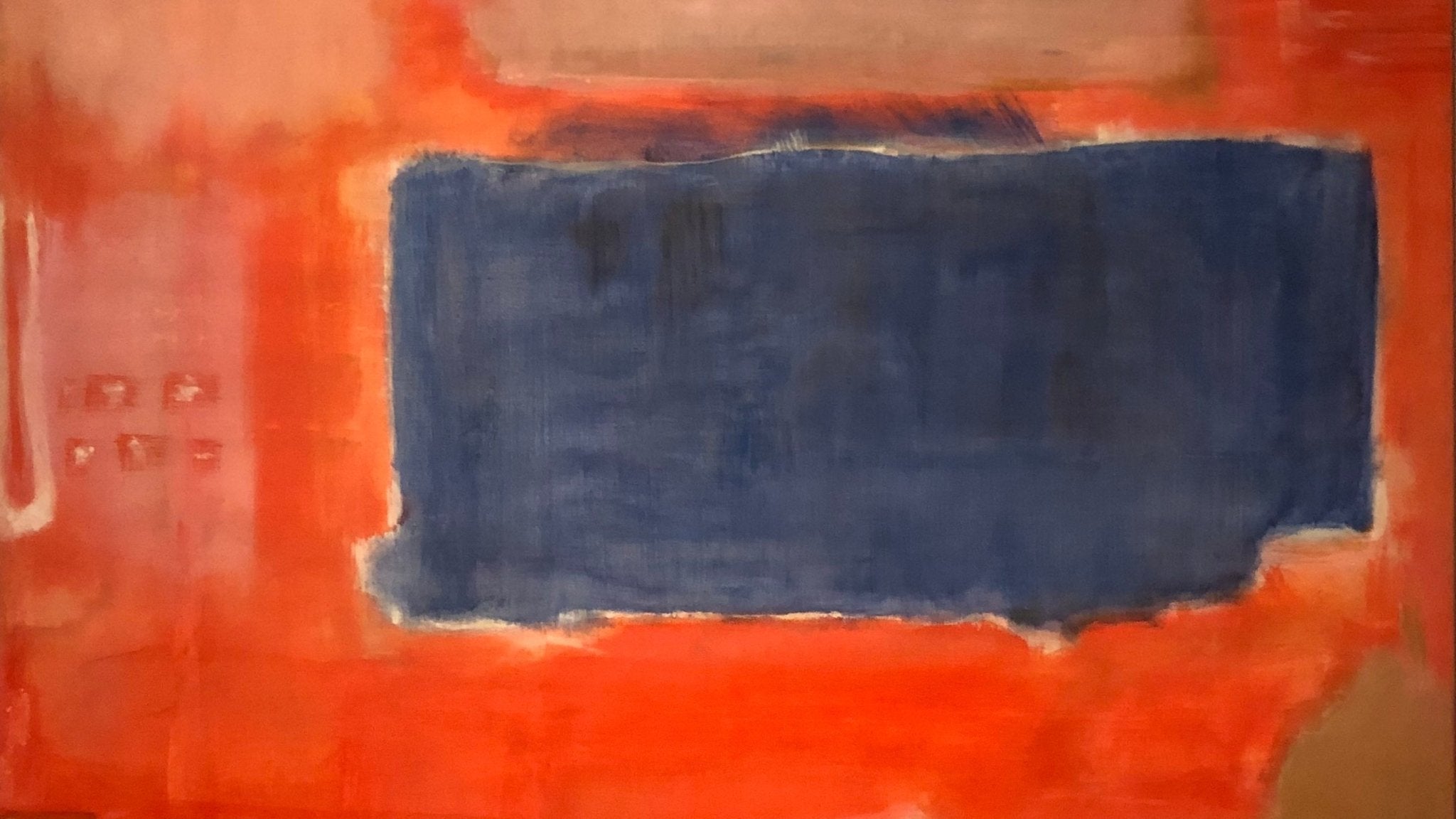
The Ultimate Guide to Mark Rothko: The Master of Color in Search of The Human Drama
Standing before a late Rothko canvas, its vast field of trembling burgundy bleeding into black, one does not simply look at a painting. One is looked at. Few artists in the history of 20th-century abstraction have made that claim with such quiet, irrefutable force as Mark Rothko (1903-1970): a Latvian-born immigrant who became the conscience of American painting, and whose works remain among the most emotionally demanding objects ever placed before a human being.
A key protagonist of Abstract Expressionism and colour field painting, Rothko's canvases were far from mere explorations of painterly form. Despite numerous interpretations based on their formal qualities, Rothko embarked on a lifelong journey to captivate the viewer, investigate emotion, and instigate an experience through rich pigment, luminous colour fields, and the charged relationships the hues establish, evoking a deeply human connection that often escapes reason and resists explanation. This Ultimate Guide draws on archival sources, exhibition documentation, and the artist's own writings to trace that journey from its origins to its most extreme conclusions.
Predominantly an autodidact and a misfit in a sense, Rothko was a man of complex mind, opposing labels, confronting the epithet of "colorist" in particular, and a painter in constant search to portray the precariousness of the human drama. Throughout his career, he never adopted a group mentality, creating a unique body of work that followed its own trajectory, informed by tragedy, mythology, philosophy, and an unyielding belief that painting could be a vehicle for transcendence.
Mark Rothko: Fast Facts
- Born: September 25, 1903, Dvinsk (Daugavpils), Russian Empire (modern-day Latvia)
- Died: February 25, 1970, New York City, USA (aged 66)
- Birth name: Marcus Yakovlevich Rotkovich
- Education: Yale University (scholarship, 1921-1923); Art Students League of New York (under Max Weber)
- Primary Mediums: Oil on canvas, egg tempera, works on paper, gouache
- Associated Movements: Abstract Expressionism, Color Field Painting, Surrealism (early), Art Informel
- Key Peers: Adolph Gottlieb, Barnett Newman, Clyfford Still, Willem de Kooning, Jackson Pollock, Milton Avery
- Major Collections: Tate Modern (London), Museum of Modern Art (MoMA, New York), National Gallery of Art (Washington D.C.), Kunstmuseum Basel, Fondation Louis Vuitton (Paris), Rothko Chapel (Houston)
- Key Concepts: Colour as drama, luminous layering (glazing), immersive scale, the "multiform", tragic sublime, the elimination of the frame
- Published Writing: The Artist's Reality (written c. 1940s, published posthumously 2004)
From Rotkovich to Rothko: The Formative Years (1903-1935)
Dvinsk & Emigration (1903-1913)
Marcus Yakovlevich Rotkovich was born on September 25, 1903, in Dvinsk (Daugavpils) a city in the Russian Empire that is today part of Latvia. Raised in a liberal Jewish family steeped in intellectual tradition, he experienced displacement early: his father died when he was still a child, and at ten years old he emigrated with his family to Portland, Oregon. The weight of that uprooting - cultural, linguistic, existential - would run through his entire practice as a painter.
Yale & New York (1921-1925)
In 1921, he won a scholarship to Yale University, where he lasted two years before the institution's rigid social hierarchies wore him down. He left without a degree and moved to New York, where he enrolled at the Art Students League under the Cubist painter Max Weber. It was there that he first encountered European modernism at close range: Cézanne's structural rigour, Matisse's chromatic liberation, the haunted expressionism of Klee and Rouault, absorbing everything while refusing to be absorbed by any single influence.
Early New York Scene (1929-1935)
By the late 1920s and early 1930s, Rotkovich, who would not take the name Rothko until 1940, had found his milieu in the New York avant-garde. He met Adolph Gottlieb and Barnett Newman, future pillars of Abstract Expressionism, and befriended the painter Milton Avery, whose loose, lyrical approach to colour as flat, breathing surface would prove decisive for Rothko's own evolution. His first solo exhibition opened in 1933, the work still figurative, still searching.
The Ten (1935-1939)
In 1935, he co-founded The Ten, officially The Ten Whitney Dissenters, an independent group of New York painters united by their hostility toward the conservative nationalism of American Scene painting and the institutional gatekeeping of venues such as the Whitney Museum. They exhibited together annually from 1935 to 1939, deliberately outside the mainstream, and issued a collective statement in 1938 denouncing what they called the Whitney's "megalomania."
The group's best-known members were Rothko and Adolph Gottlieb, both of whom would go on to define Abstract Expressionism. Less celebrated today but equally significant within the group were Ilya Bolotowsky, a geometric abstractionist influenced by Mondrian; Louis Harris, whose expressionist figuration bridged the gap between representation and abstraction; Ben-Zion, a painter and poet who brought a deeply Jewish literary sensibility to the canvas; and Joseph Solman, whose psychologically charged portraits and urban scenes carried a raw emotional directness that prefigured the broader New York turn toward feeling as subject. Mark Schwartz and Nahum Tschacbasov completed the roster.

Rothko - Entrance to Subway - 1938
None of the ten had yet found their mature voice; Rothko himself was still painting figurative subway scenes and urban interiors. But the shared conviction that painting had to carry emotional and philosophical weight, not merely illustrate America, was precisely the urgency that would drive Rothko's long withdrawal from figuration over the following decade.
The Search for a Contemporary Myth (1938-1946)
As the horrors of the Second World War reshaped the cultural landscape, Rothko, like many New York painters, turned to ancient mythology and depth psychology as frameworks capable of bearing the weight of contemporary tragedy. Deeply influenced by Sigmund Freud's The Interpretation of Dreams and Carl Jung's theories of the collective unconscious, Rothko began incorporating mythological archetypes into his canvases: figures from Greek tragedy, primordial creatures, biomorphic forms drawn from Surrealism.
Works such as The Omen of the Eagle (1942) and Antigone (1941) reveal an artist attempting to create, in his own words, a "contemporary myth" — a visual language ancient enough to carry universal human emotion, yet entirely of its moment. Aeolian Harp /7 (1946), illustrated here, extends that mythological reach into his mature colour field work: the title — evoking the ancient wind instrument said to be played by nature itself — signals that even at the height of abstraction, Rothko never abandoned the belief that painting should resonate with something older and deeper than the eye. In 1943, Rothko and Gottlieb published their famous letter in the New York Times, stating: "We assert that the subject is crucial and only that subject matter is valid which is tragic and timeless."

Rothko - Aeolian Harp /7 -1946
The Multiforms and the Birth of the Colour Field (1946-1950)
By 1946, Rothko made a decisive break. Cleansed of any figurative or mythological reference, he began painting his "Multiforms": canvases reduced entirely to soft, luminous, superimposed fields of colour. These were not decorative compositions; they were emotional environments. The rectangular zones of colour, never quite touching, bleeding softly into one another at their edges, were designed to create an internal light, a vibration that the viewer feels physically rather than reads intellectually.
"A painting is not a picture of an experience. It is an Experience," Rothko declared, placing scale, atmosphere, and chromatic vibration at the centre of his practice. He began working on very large canvases precisely to overwhelm peripheral vision, to envelope the standing viewer in colour rather than offer colour as an object to contemplate from a distance.

Mark Rothko - No. 14, 1960. Oil on canvas. 290.83 x 268.29 cm. San Francisco Museum of Modern Art.
© 1998 Kate Rothko Prizel & Christopher Rothko / ADAGP, Paris
The Science of Colour: How Rothko Built Light from Within
Glazing and the Layered Surface
Rothko's technique was deceptively laborious. He applied his colour fields in multiple translucent layers - a process borrowed from Old Master oil glazing - building up thin washes of pigment suspended in a mixture of oil, egg, and rabbit-skin glue. Each successive layer modifies the one beneath it without obliterating it, creating a depth and luminosity that appears to radiate from within the canvas rather than from its surface.

C Thomas in front of Untitled (Red,Black,White on Yellow) by Rothko - 1955
© IdeelArt
The soft, feathered edges between his colour zones, never a hard line but always a diffuse gradient, are the result of working wet-into-wet on an unprimed or lightly washed canvas laid flat on the studio floor. The pigment seeps and blooms, creating transitions that feel organic, almost respiratory.
Colour as Emotional Architecture
Rothko was adamant that his paintings were not about colour in any formalist sense. "I'm not interested in color. It's light I'm after," he remarked, and by light he meant the inner drama that colour, at sufficient scale and luminosity, can generate in the nervous system of the viewer. His choice of complementary hues - warm reds against cool violets, glowing oranges against muted ochres, bruised maroons hovering above absolute black - creates a chromatic tension that mimics emotional states: elation, melancholy, awe, dread.

Mark Rothko at Foundation Louis Vuitton - December 2023 © IdeelArt
The Great Commissions: Architecture, Immersion, and the Sacred (1954-1967)
| Commission | Year | Location | Significance |
|---|---|---|---|
| Phillips Collection Murals | 1960 | Washington, D.C., USA | Rothko's first site-specific installation; three canvases designed to envelop a single intimate room. |
| Seagram Murals | 1956-1958 | Tate Modern, London (Rothko Room) | Originally conceived for Mies van der Rohe's Four Seasons restaurant; Rothko withdrew them, calling the commission a trap. The nine canvases now form one of the most visited rooms in the Tate. |
| Harvard Murals | 1962 | Harvard University, Cambridge, USA | Five large-scale panels for the university's Holyoke Center; faded severely due to early pigment instability; digitally restored and re-projected since 2014. |
| Rothko Chapel | 1964-1967 (opened 1971) | Houston, Texas, USA | Rothko's magnum opus: fourteen large black and plum canvases installed in an octagonal, non-denominational chapel. A site of pilgrimage, meditation, and human rights events. Rothko died before seeing it completed. |
The Seagram Murals: A Commission Refused
The story of the Seagram Murals reveals everything essential about Rothko's uncompromising artistic ethics. In 1958, he accepted a prestigious commission to paint large-scale murals for the Four Seasons restaurant in Mies van der Rohe's landmark Seagram Building on Park Avenue, New York, then the most expensive restaurant in the city. Rothko began the series enthusiastically, imagining paintings that would "ruin the appetite of every son-of-a-bitch who ever eats in that room."
But during a 1959 dinner at the Four Seasons, sitting among its wealthy clientele, Rothko felt the profound incompatibility between the luxury spectacle of the space and the tragic seriousness of his paintings. He returned the advance, withdrew all the canvases, and eventually donated a group of them to the Tate Gallery - a gesture of extraordinary moral clarity from an artist who refused to allow his work to become decoration for the powerful.
Rothko - Red on Maroon - 1959 (part of the Seagram Murals) © IdeelArt
The Rothko Chapel: Painting as Sanctuary
Commissioned by Houston philanthropists John and Dominique de Ménil, the Rothko Chapel (opened 1971, one year after his death) represents the fullest realisation of Rothko's belief that painting could function as sacred space. The fourteen paintings, their palette reduced to near-black plum and charcoal hues, hang in an octagonal structure designed to flood the interior with diffuse natural light from a central skylight.

View from The Rothko Chapel
The Chapel is simultaneously an art installation, an interfaith spiritual sanctuary, and a human rights forum. It has hosted the Dalai Lama, Jimmy Carter, and numerous international humanitarian events, a testament to the universal gravity Rothko believed great painting could achieve.
The Black and Grey Series and Final Years (1968-1970)
In 1968, Rothko suffered a serious aortic aneurysm. Forbidden by his doctors from working on large vertical canvases, he began painting on paper - a medium he had previously used only for studies - producing the haunting Black and Grey series. These works, radically reduced to a single horizontal band of black above a field of grey, have been interpreted as premonitions of death, acts of final purification, or, more generously, as the ultimate distillation of his lifelong project: colour stripped to its barest existential minimum.

Rothko - Black and Grey series - 1969 © IdeelArt
On the morning of February 25, 1970, Rothko was found dead in his New York studio by his assistant Oliver Steindecker. He was 66. The Rothko Chapel opened the following year.
Artists in Dialogue: Rothko's Legacy at Ideelart
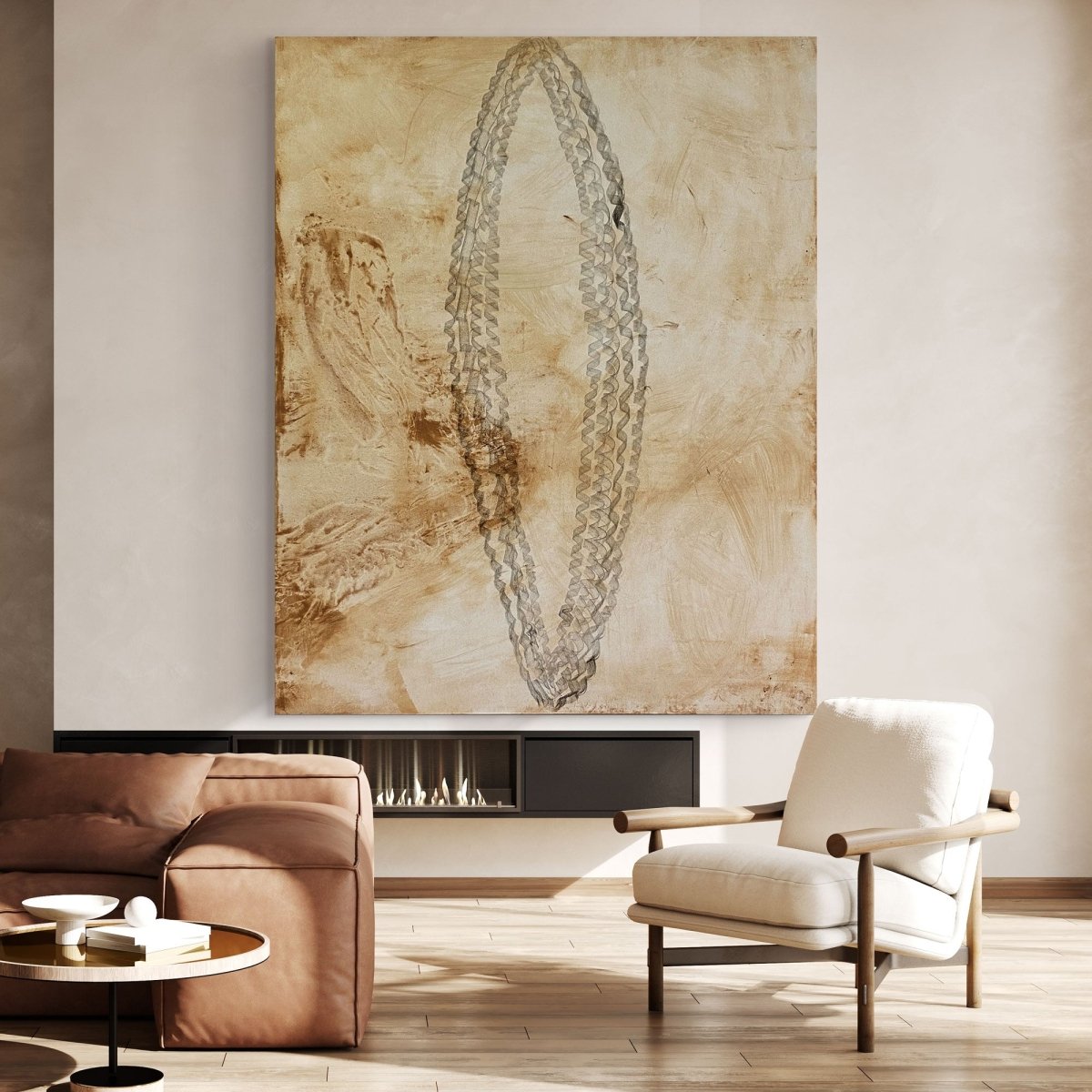
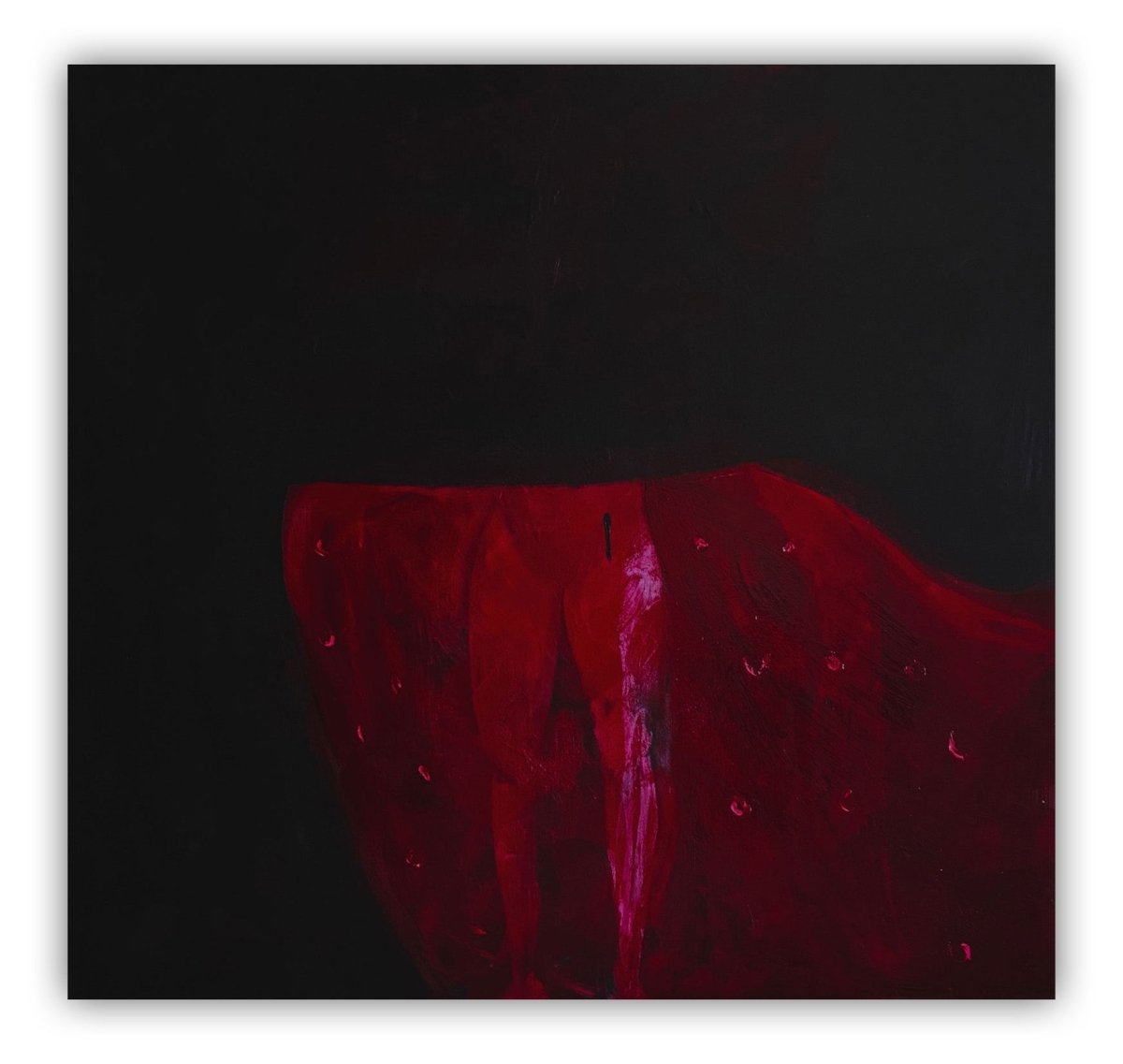
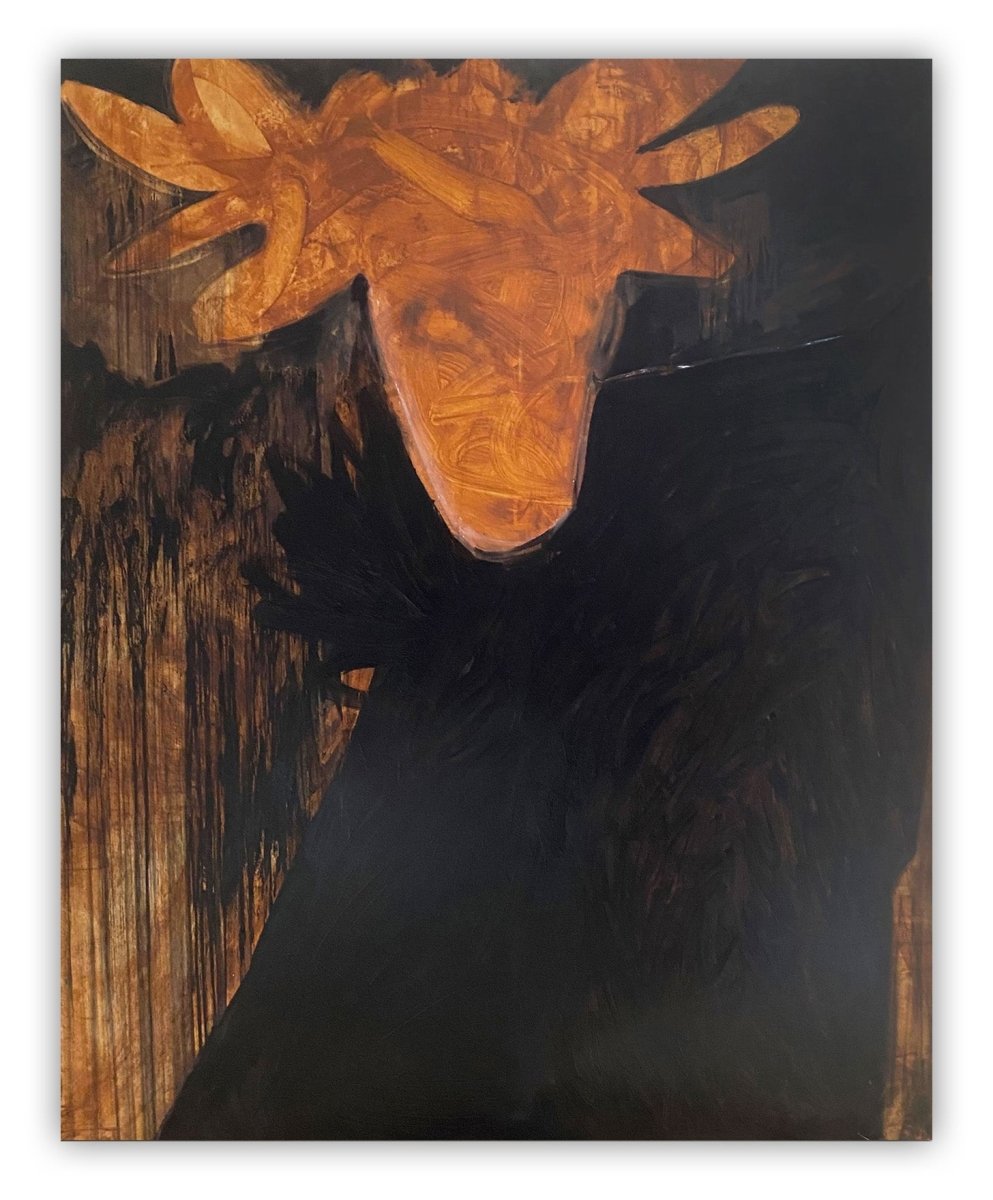
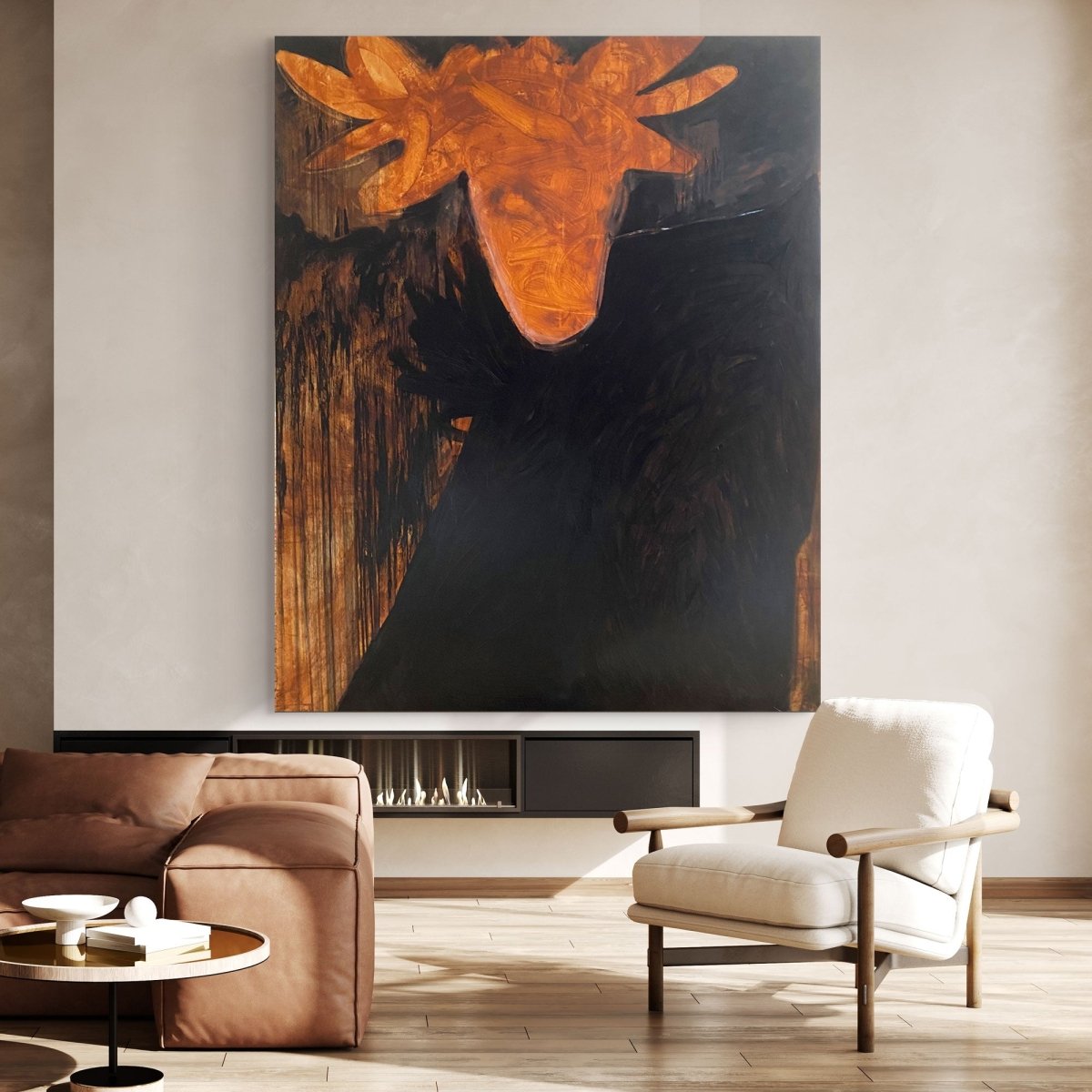
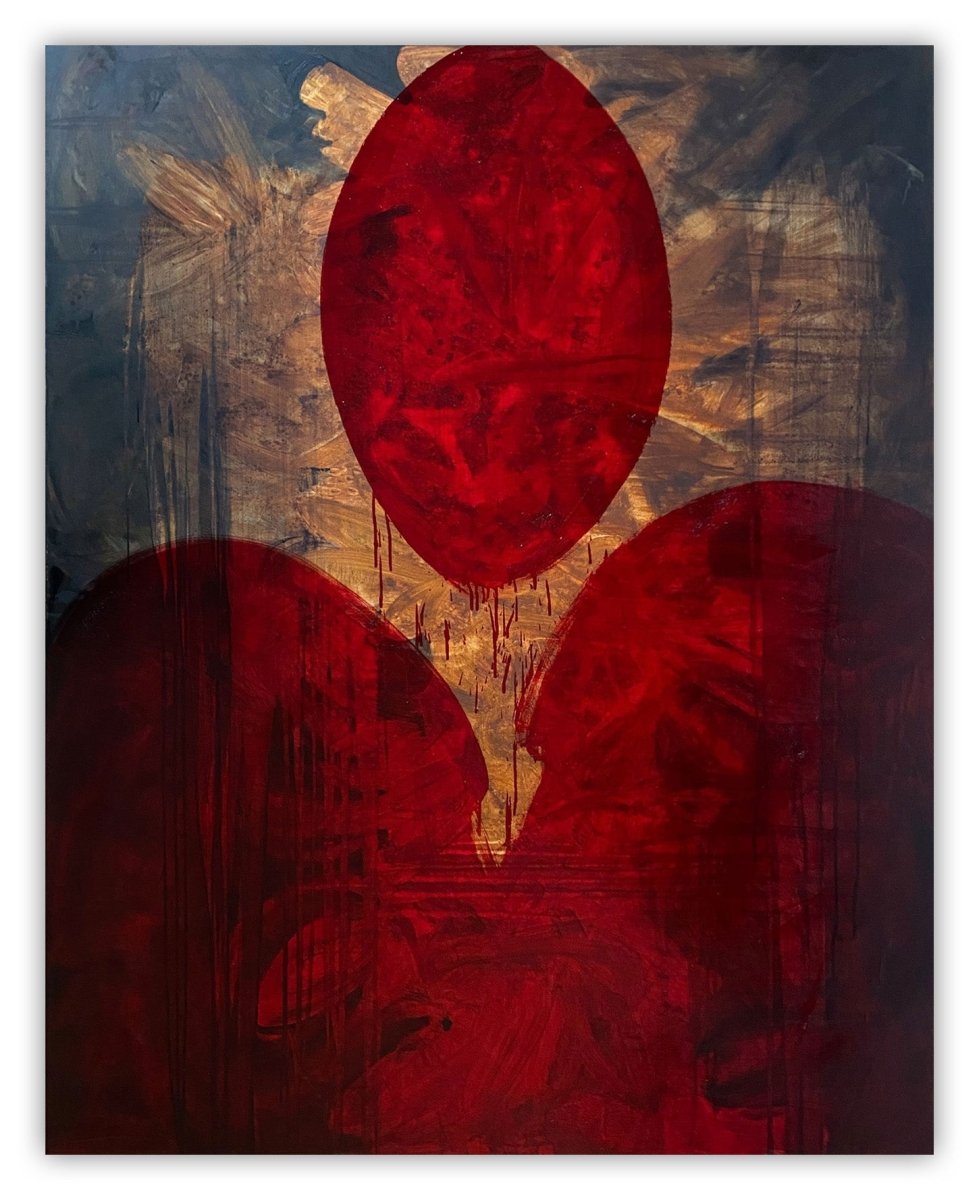
Rothko's conviction that colour could carry the full weight of human emotion did not end with him. The artists available at Ideelart who carry that legacy forward are numerous - each, in their own way, pursuing the charged field, the luminous surface, the painting that asks to be felt rather than decoded.
Yari Ostovany - Colour as Transcendence
Of all the painters working today in Rothko's wake, Iranian-born American artist Yari Ostovany is perhaps the closest to the core of what Rothko was after. Like Rothko, Ostovany builds his surfaces through the patient accumulation of translucent layers - pigment added, washed out, scraped away, dissolved, then built up again - until the composition becomes, in his own words, "deeper and more luminous" with each phase. Informed by Persian mysticism, Western abstraction, music, and poetry, his works are held in the New Britain Museum of American Art, the Pasargad Bank Museum in Tehran, and numerous private collections worldwide.

Numinous 19 - Yari Ostovany
Jean Feinberg - Light as Subject
New York-based Jean Feinberg is among the most quietly powerful colourists working in America today. Her canvases - built through successive washes and layered glazes of pure pigment - generate a luminosity that appears to emanate from within the surface itself, a quality Rothko described as his central ambition. Where Rothko sought the tragic and the sublime, Feinberg navigates a more intimate register: the light in her paintings is contemplative, even tender, pulling the viewer into a prolonged visual attention that mirrors the meditative state her surfaces describe.

R/Y/B - Jean Feinberg
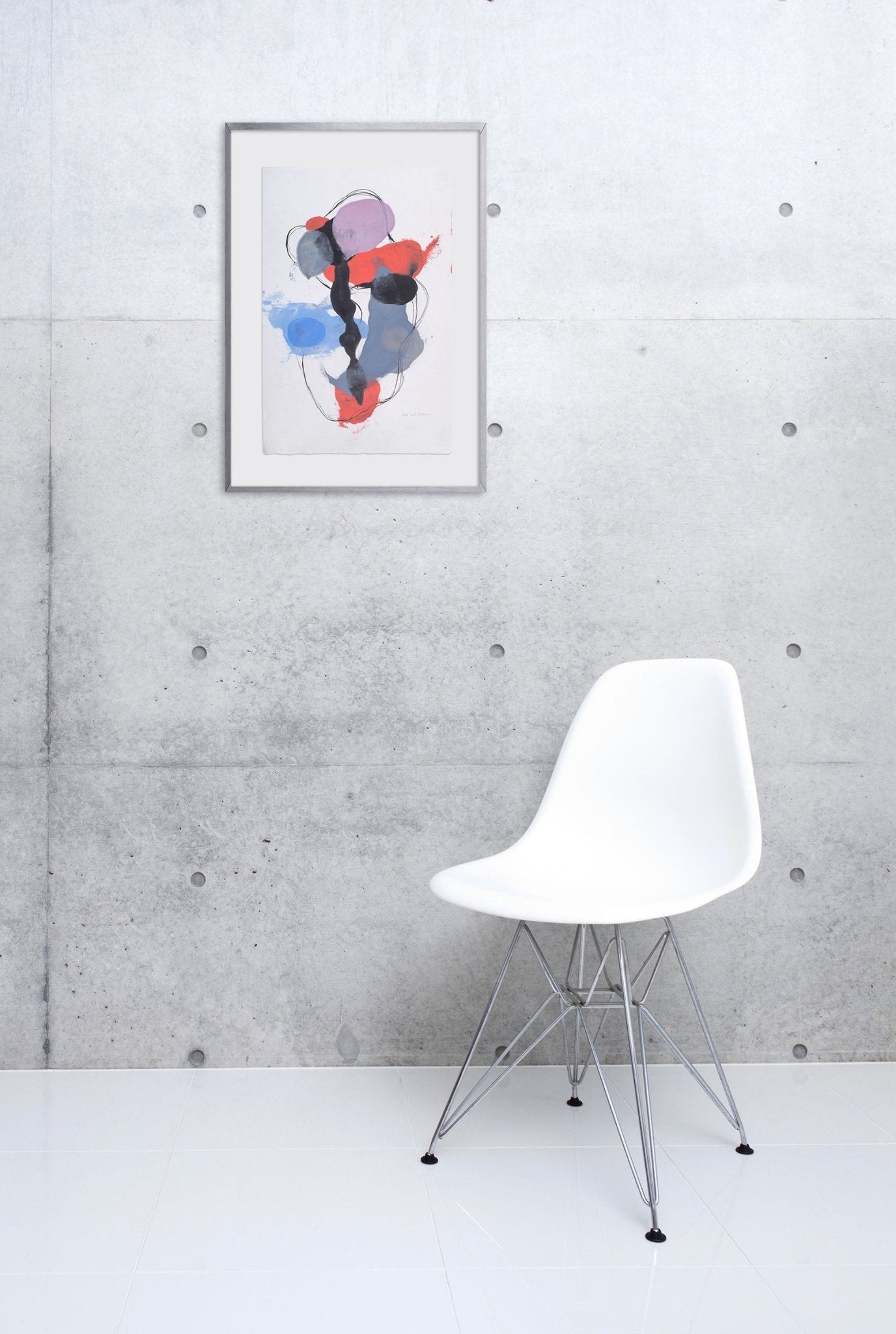
Gudrun Mertes-Frady - The Vibrating Threshold
German-born, New York-based Gudrun Mertes-Frady works in the direct lineage of American Color Field painting, building dense, vibrating surfaces through the accumulation of chromatic layers that hover in a state of perpetual visual tension. Her compositions hold opposing forces in suspension - weight and levity, opacity and transparency, stillness and tremor - a dynamic that places her squarely in the tradition Rothko helped define. Her surfaces do not illustrate emotion; they generate it, delivering the same quiet demand that Rothko's great canvases make of anyone willing to stand before them.

Opposing Currents no.I - Gudrun Mertes-Frady
Tracey Adams - Encaustic Light
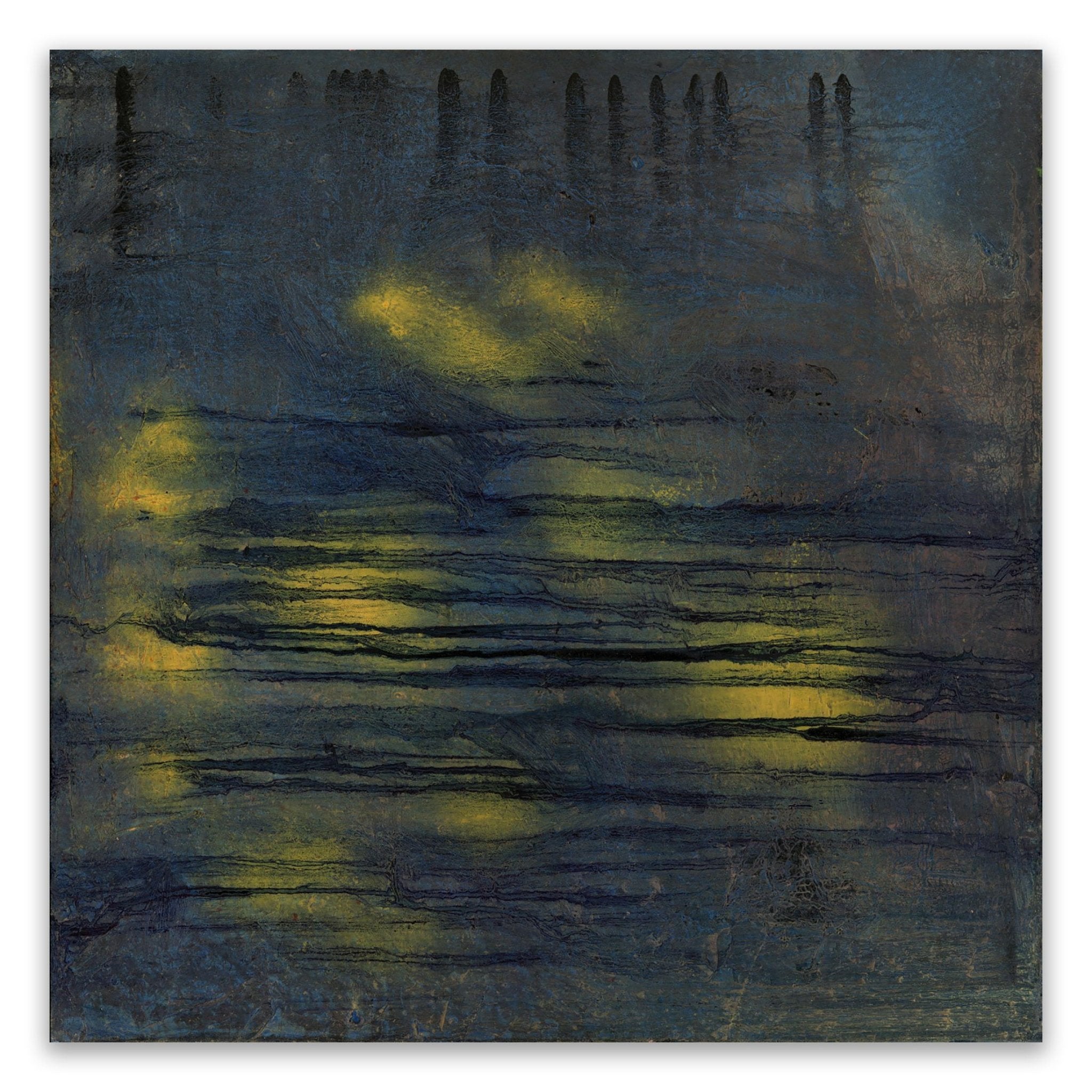
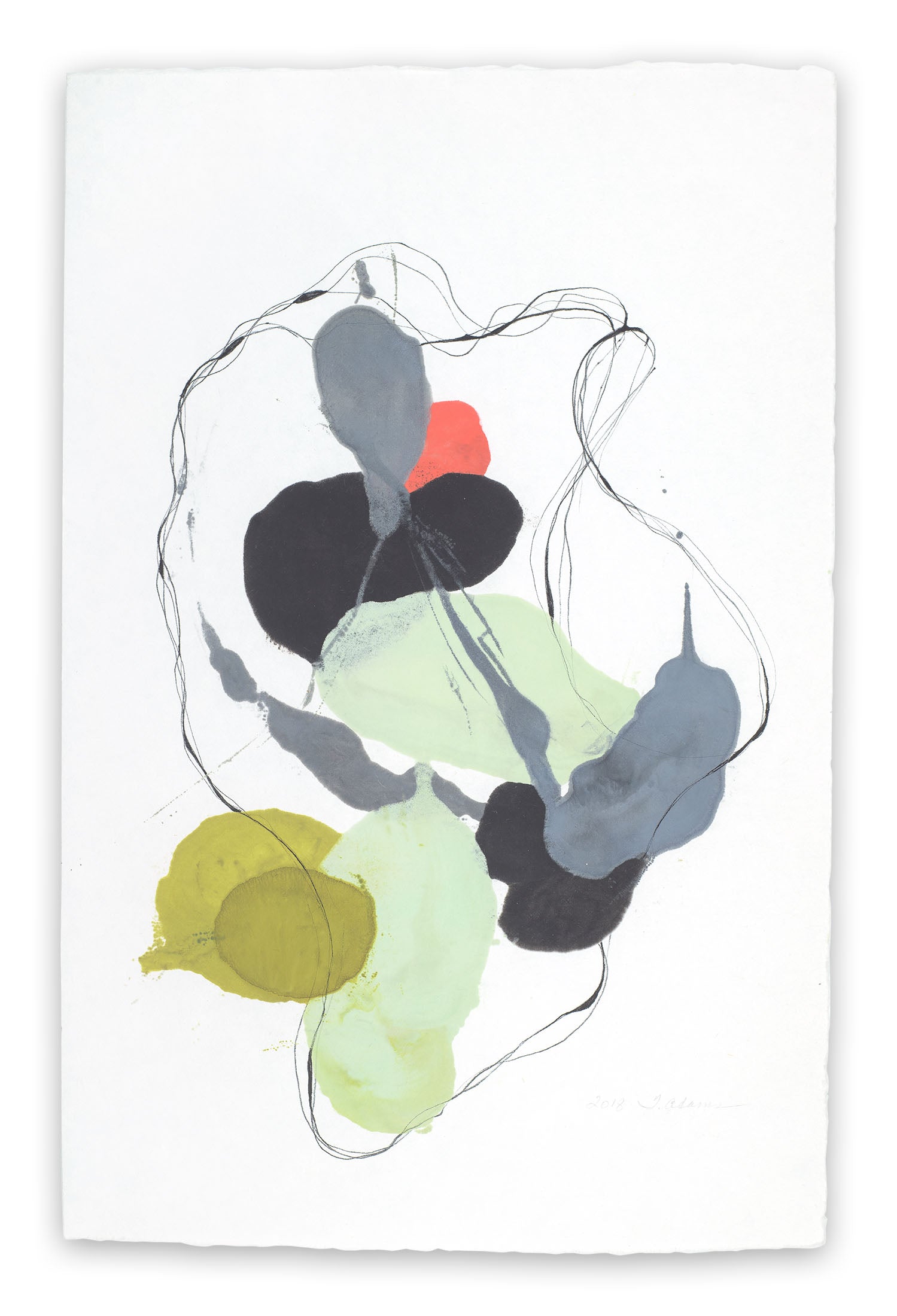
American artist Tracey Adams works primarily in encaustic - molten pigmented wax applied in layers and fused with heat - a medium that shares with Rothko's glazing technique the essential quality of building light from within. Each layer of wax is simultaneously translucent and physical, trapping depth in the surface and generating a warm, interior luminosity that the eye reads as the work breathing. Her compositions are spare and meditative, distilled to essential chromatic relationships that carry emotional weight without narrative - precisely the territory Rothko claimed as his own.

0218-10 - Tracey Adams
Dana Gordon - The Vibrating Field
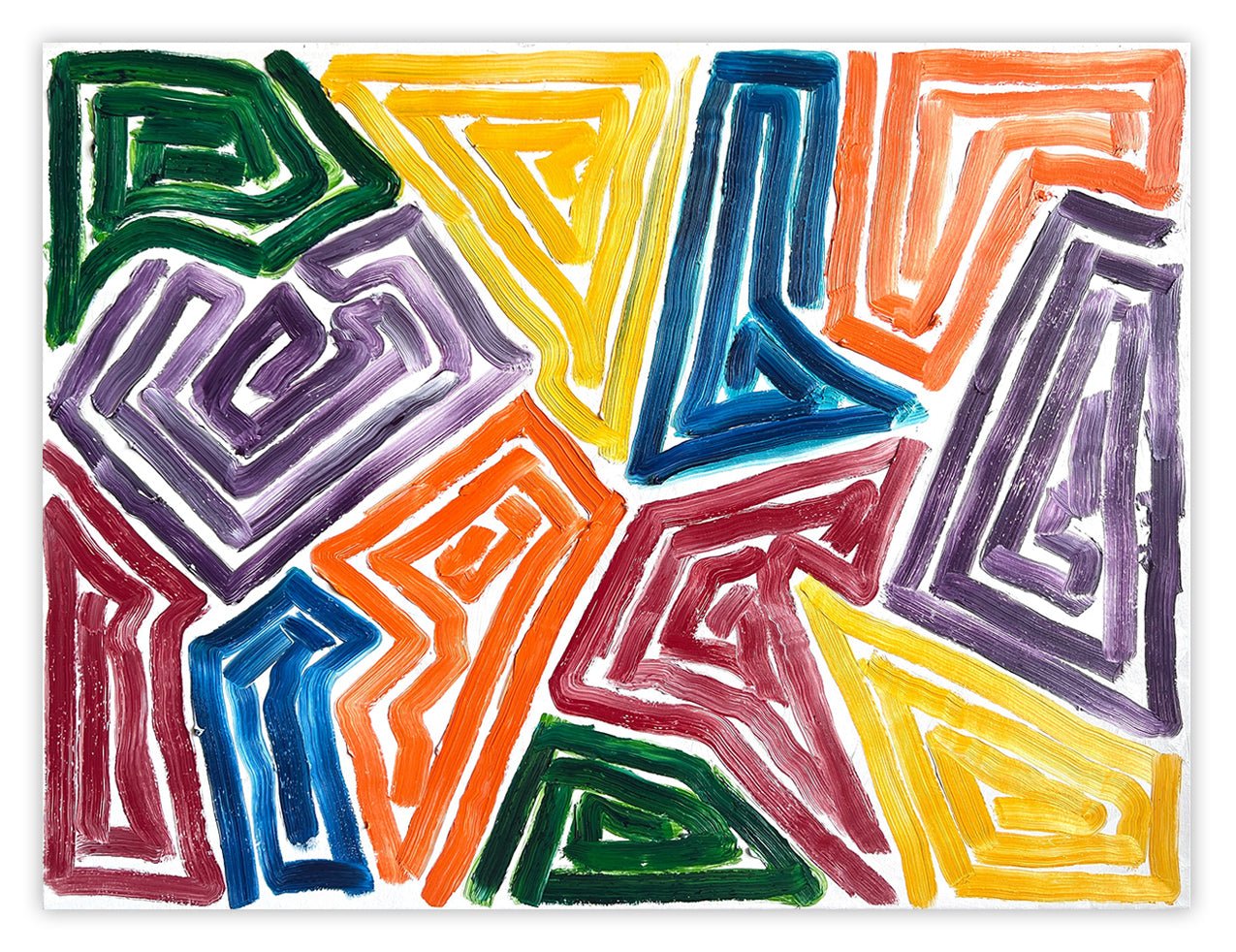
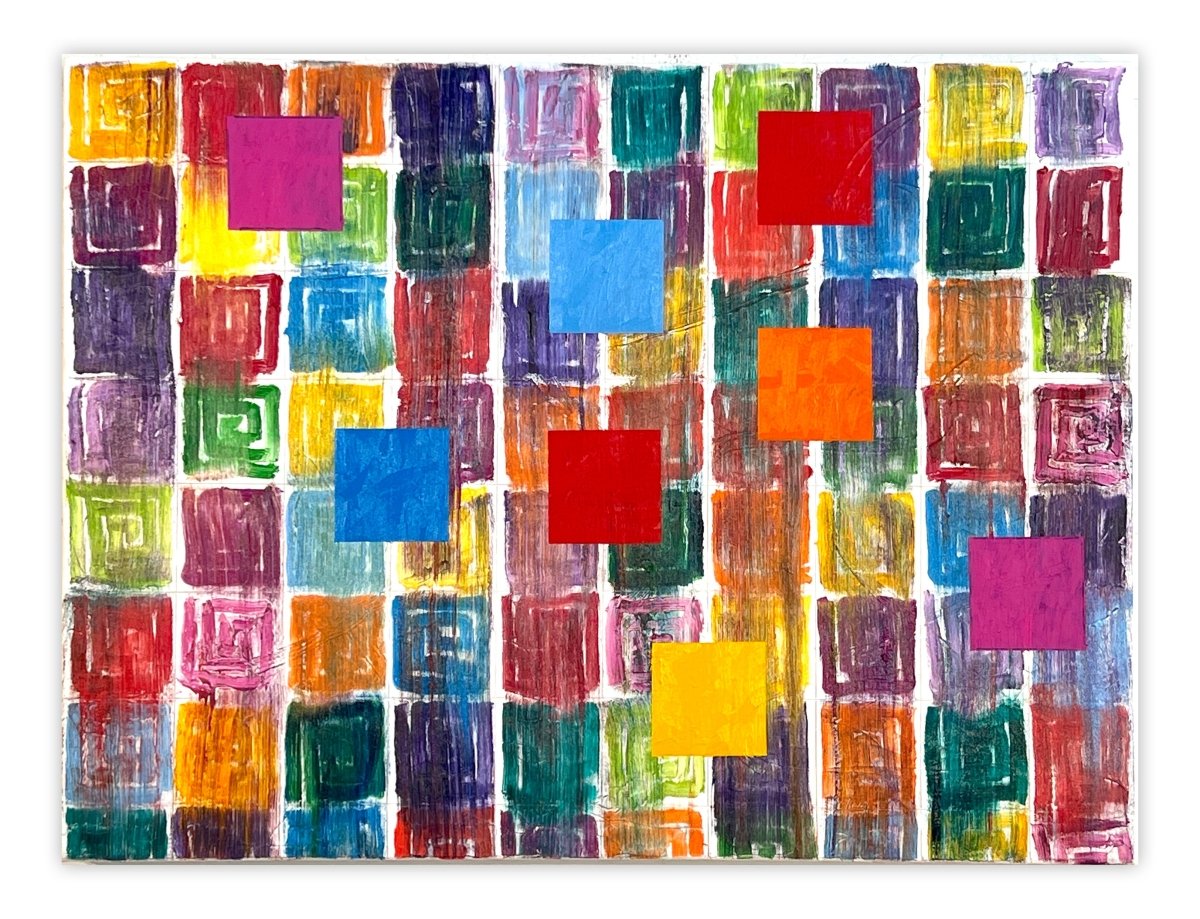
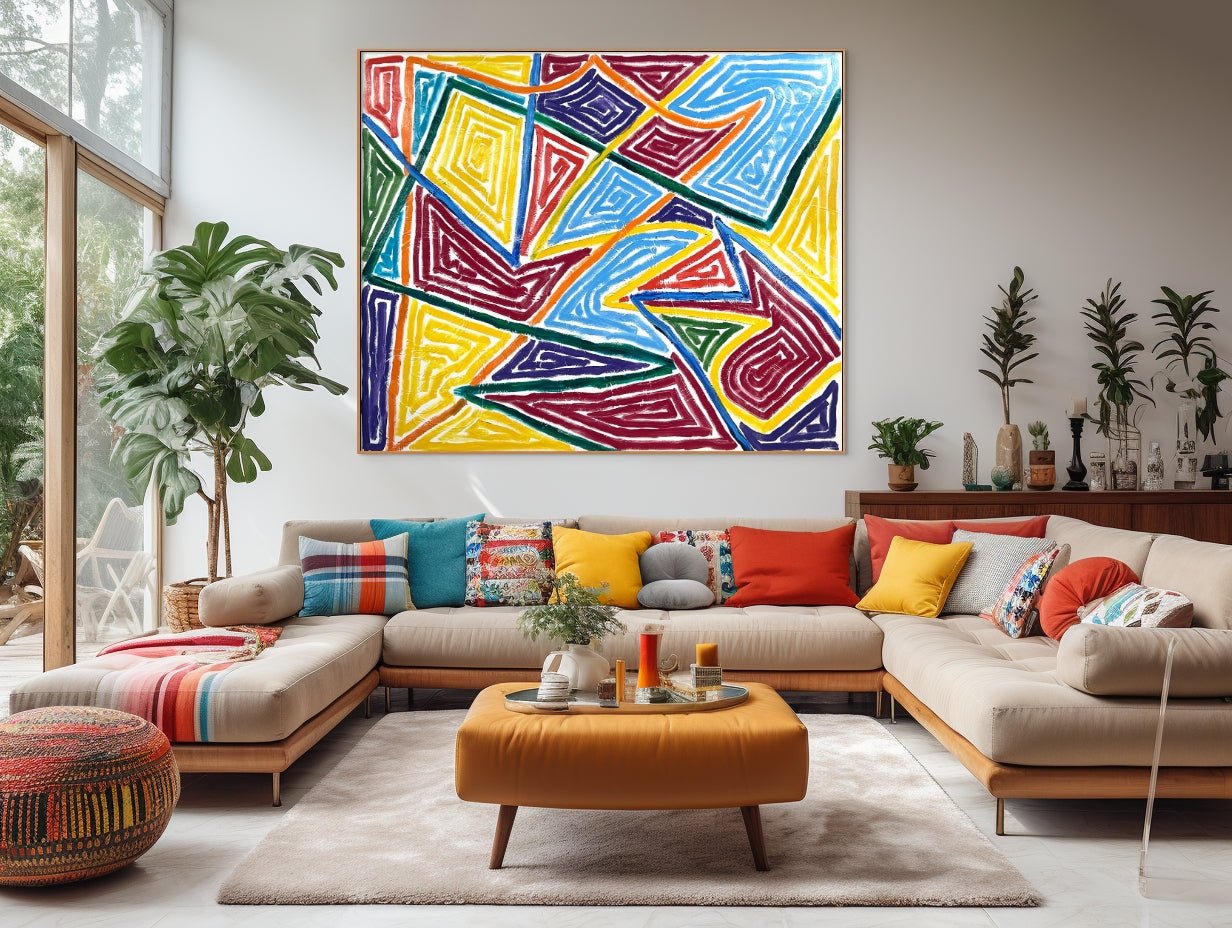
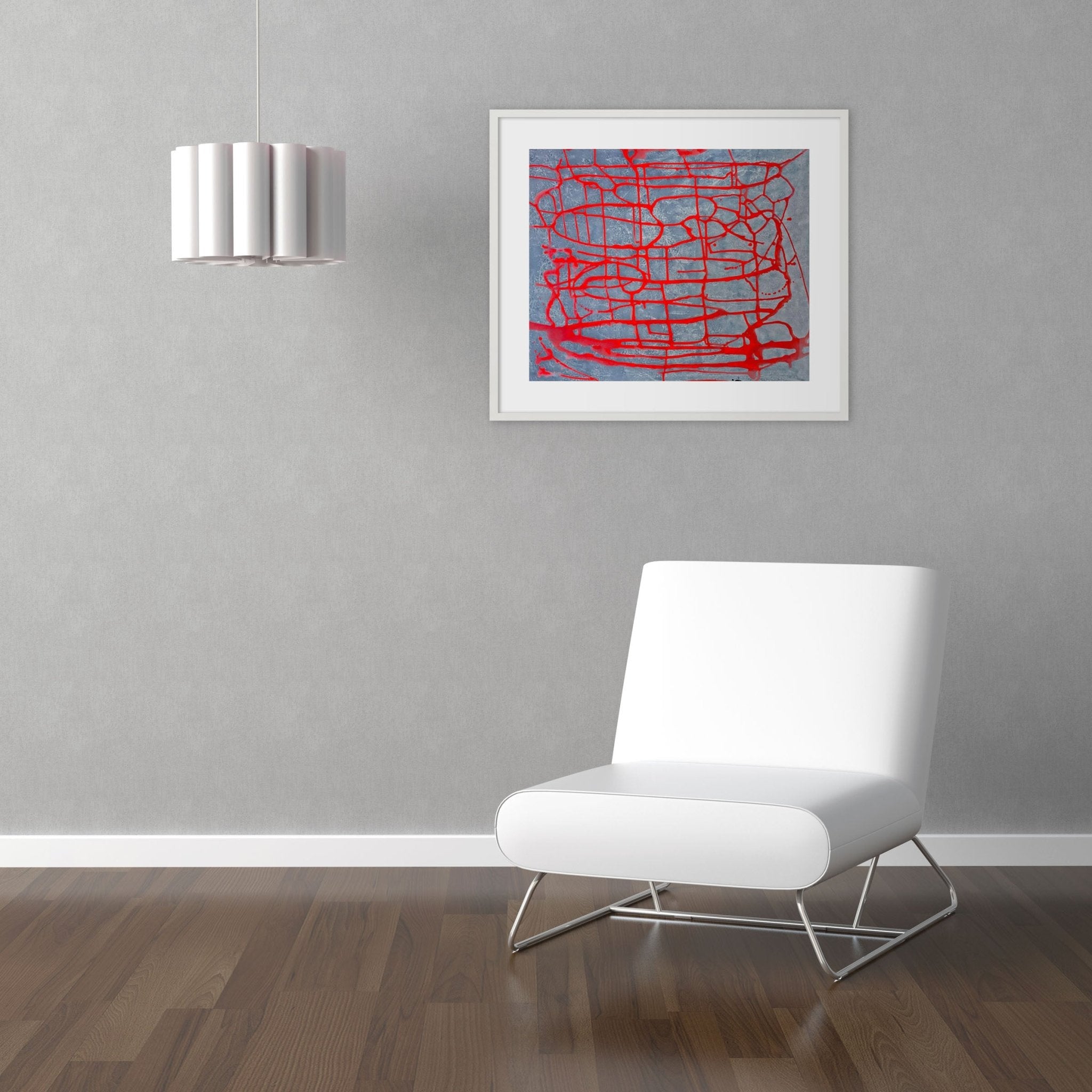
Dana Gordon brings a distinct perspective to this dialogue, one grounded in over five decades of abstract practice and a rare proximity to Rothko's world - she is the author of Notes and Reflections on Rothko in Paris, published on Ideelart, a firsthand account of standing before his paintings at the Fondation Louis Vuitton retrospective. She layers flat, solid colour blocks over dense, hand-painted grids of kaleidoscopic spiral motifs, creating a "push-pull" optical dynamic that transforms the canvas into a joyful, vibrating field of pure spectral colour - asking the same question of the viewer as Rothko did: can you feel the colour before you think it?

Altitude - Dana Gordon
Martina Nehrling - Chromatic Density
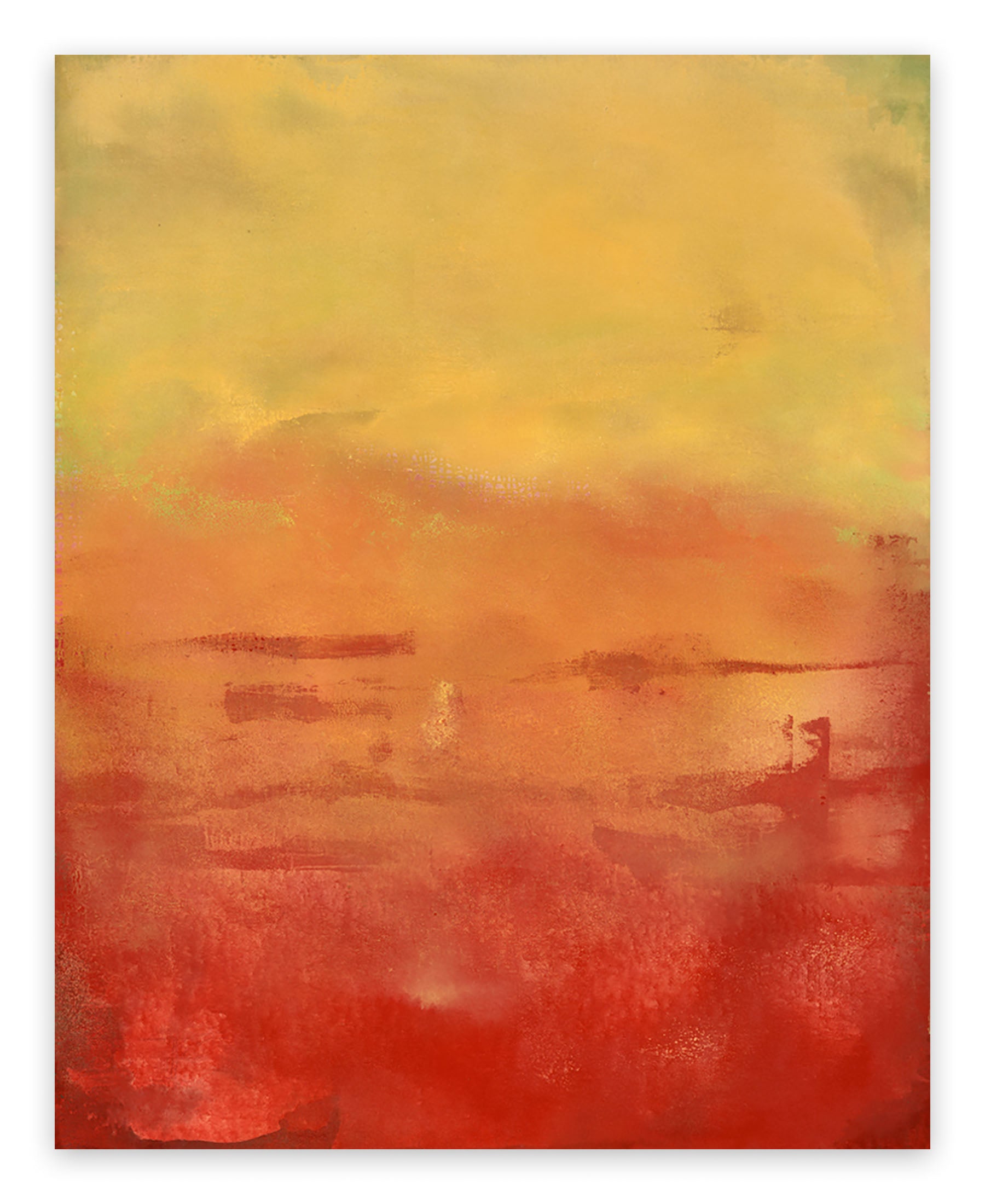
Chicago-based Martina Nehrling builds her canvases through dense accumulations of vivid, layered colour that generate a visual heat - an inner pressure that pushes outward from the surface toward the viewer. Like Rothko, she understands colour not as description but as physical event: her surfaces do not depict energy, they produce it. The chromatic architecture of her paintings - warm hues pushing against cool, saturated zones holding tension with muted passages - creates an emotional charge that the body registers before the mind can name it.

Fume - Martina Nehrling
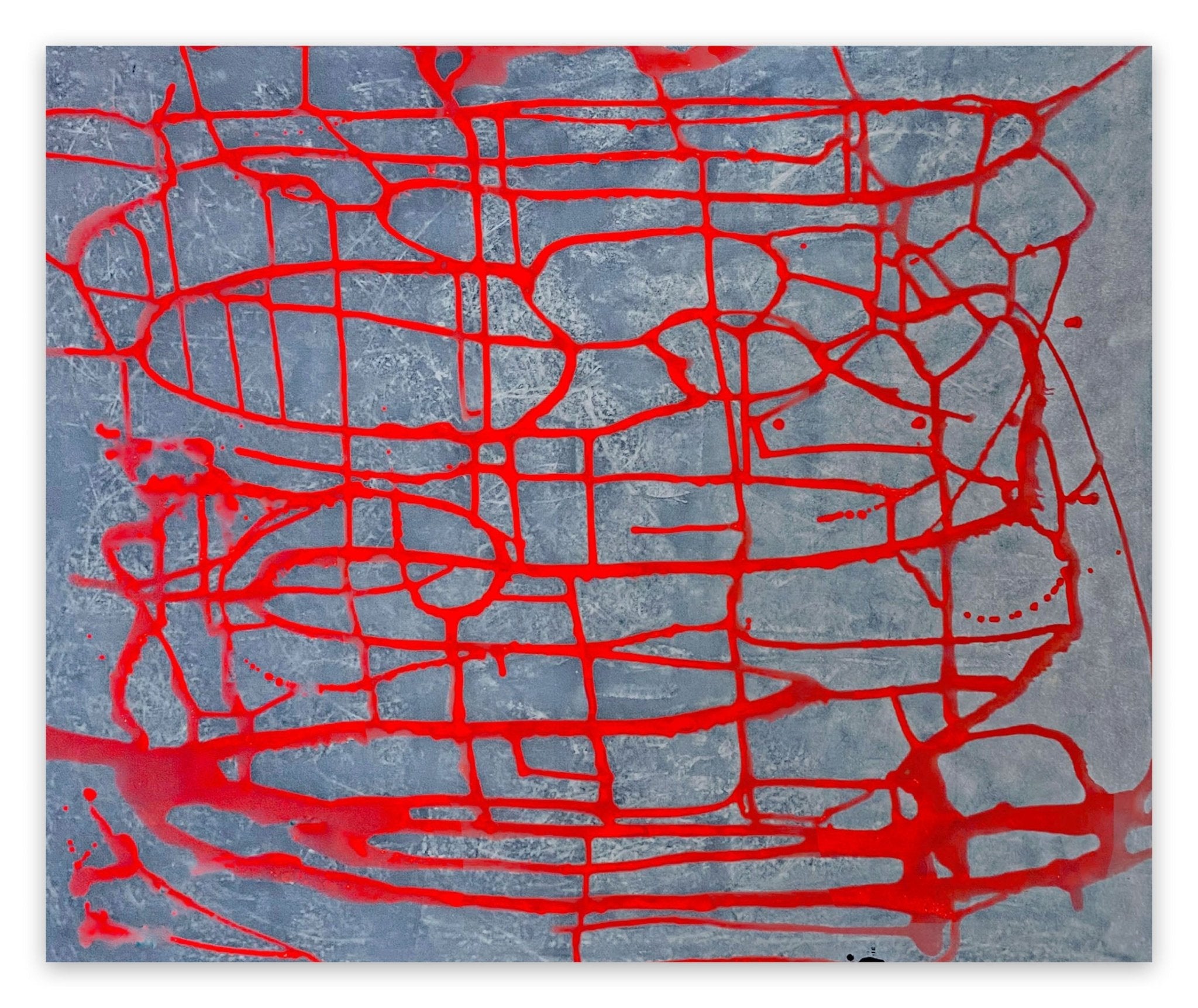
Jill Moser - Gesture and Luminosity
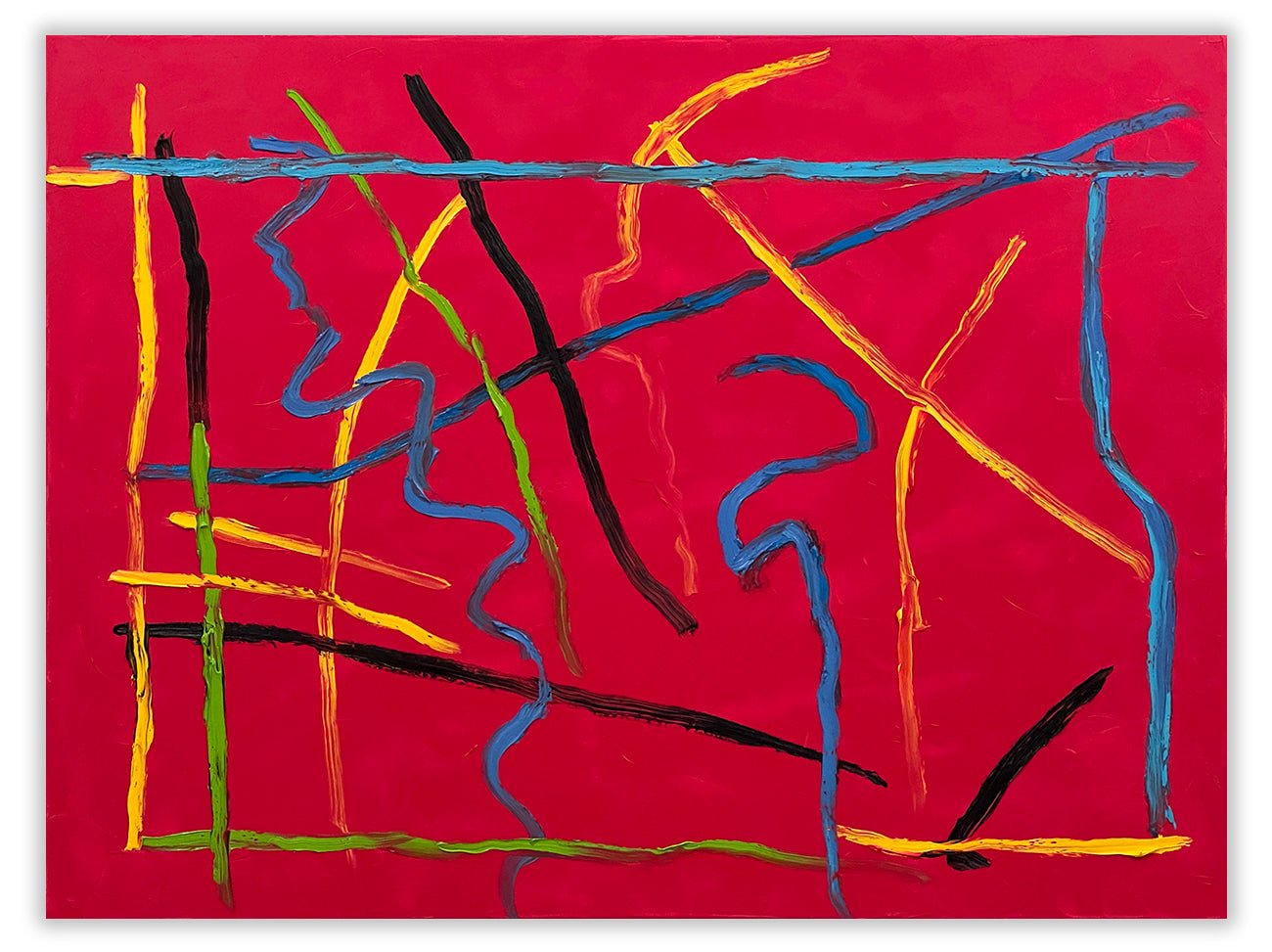
New York-based Jill Moser operates in the space between gesture and field - her marks are physical, almost calligraphic, yet they coalesce into chromatic environments that envelop rather than punctuate. This tension between the singular gesture and the atmospheric whole is distinctly Rothkoïan in ambition: both artists refuse the comfort of pure formalism, insisting that the physical act of making remains embedded in the emotional content of the finished work. Moser's paintings hold their charge with a lyrical intensity that rewards sustained looking.

7.3 - Jill Moser
Janise Yntema - Translucent Depths
American artist Janise Yntema works in encaustic - layers of pigmented wax that build translucent depth and inner light in a manner that directly mirrors Rothko's glazing ambition. Her surfaces possess a quality of suspended luminosity, as if colour has been captured inside the material rather than applied to its exterior. The encaustic medium forces a slow, deliberate process of building and revealing that instils her work with the meditative gravity Rothko believed all serious painting must carry.

The Whisper of Solitude - Janise Yntema
Kim Uchiyama - Layered Radiance
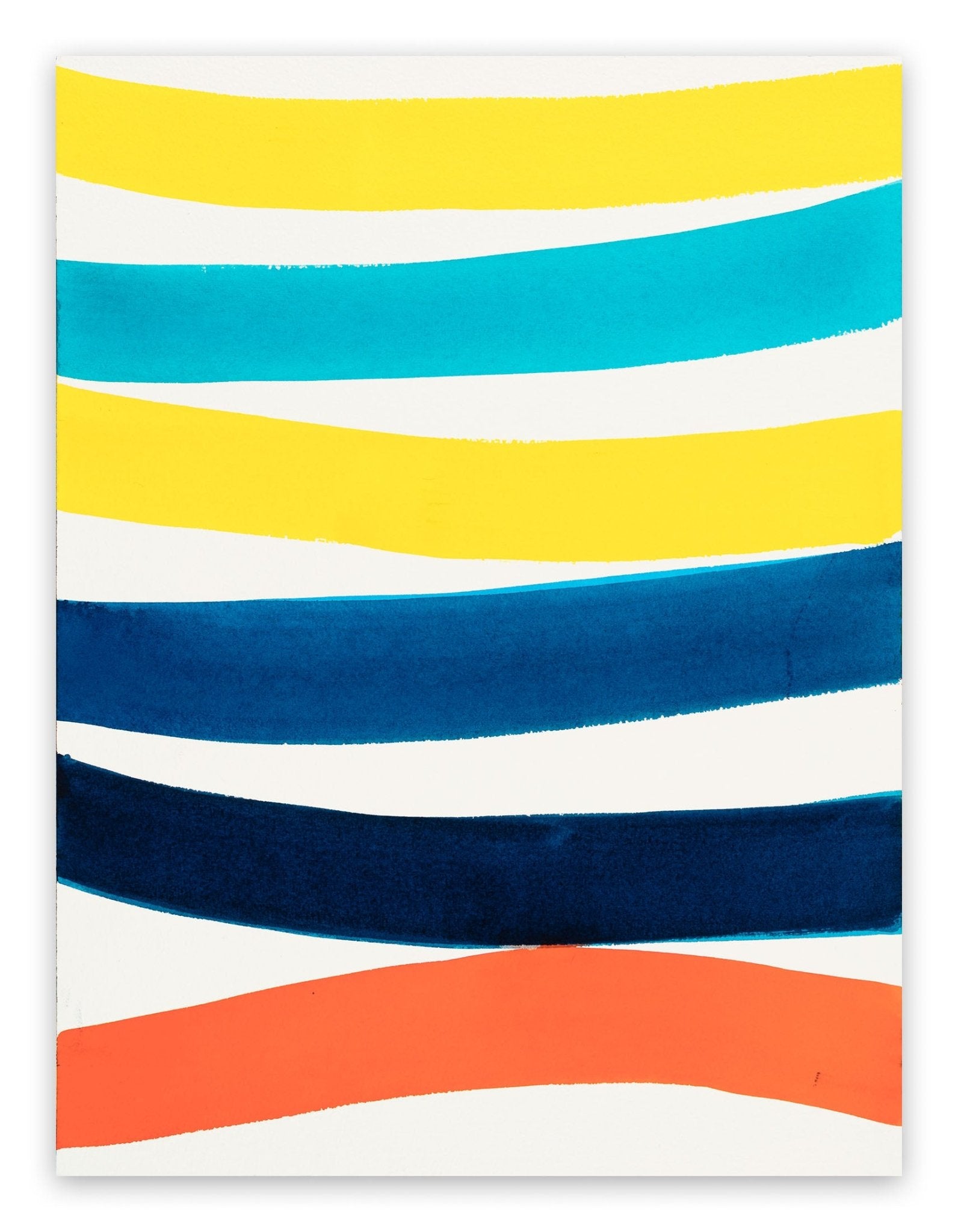
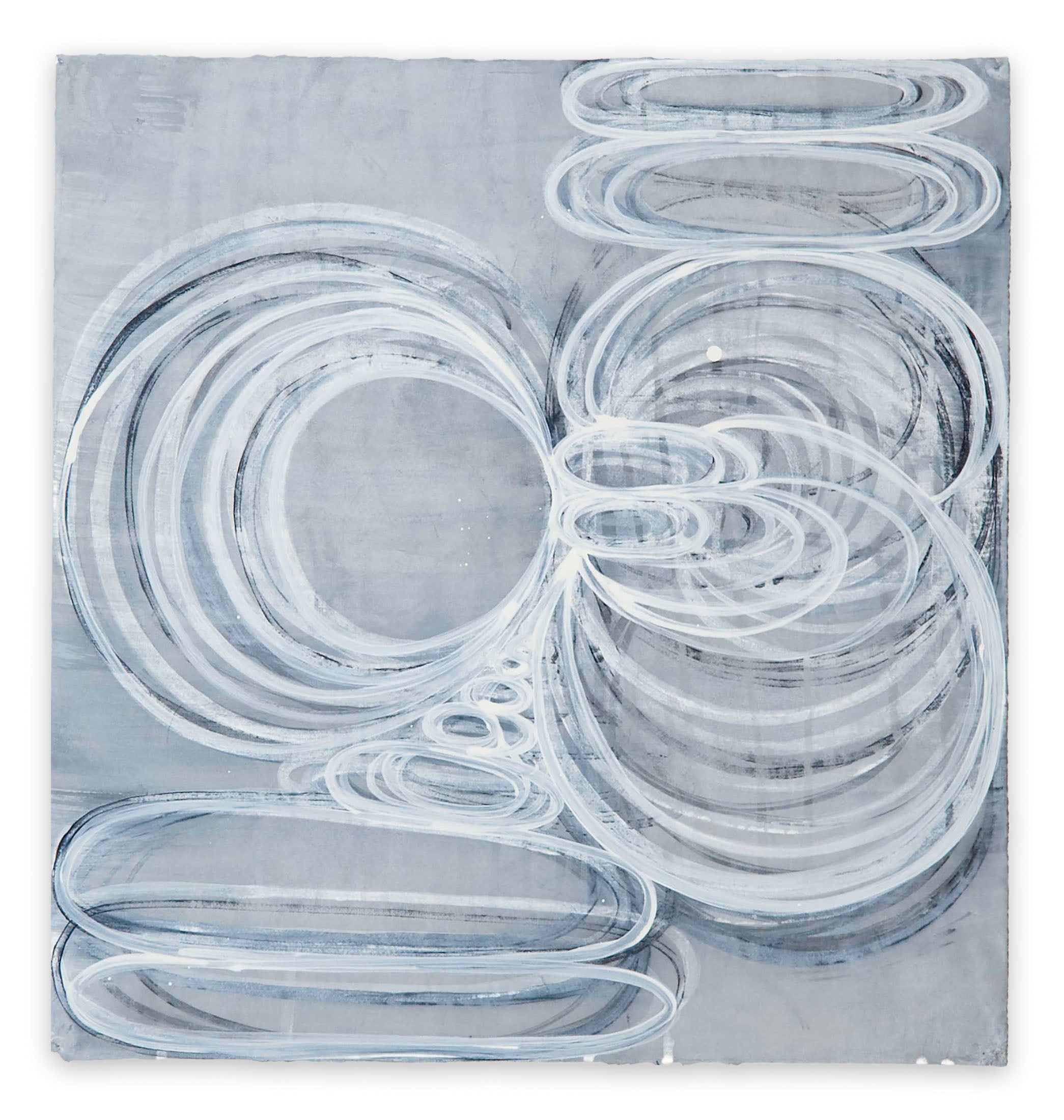
New York-based Kim Uchiyama builds her paintings through a slow, meditative process of layering oil paint in thin, translucent strata - each pass of colour modifying and enriching what lies beneath without obliterating it, generating a surface radiance that reads as inner light rather than reflected surface. The chromatic relationships in her paintings - often pairing warm and cool registers at close tonal value - create a visual vibration that the body experiences as sensation before the mind processes it as form. Her practice is a direct continuation of the luminous, feeling-first ambition that animated Rothko's mature work.

Chord - Kim Uchiyama
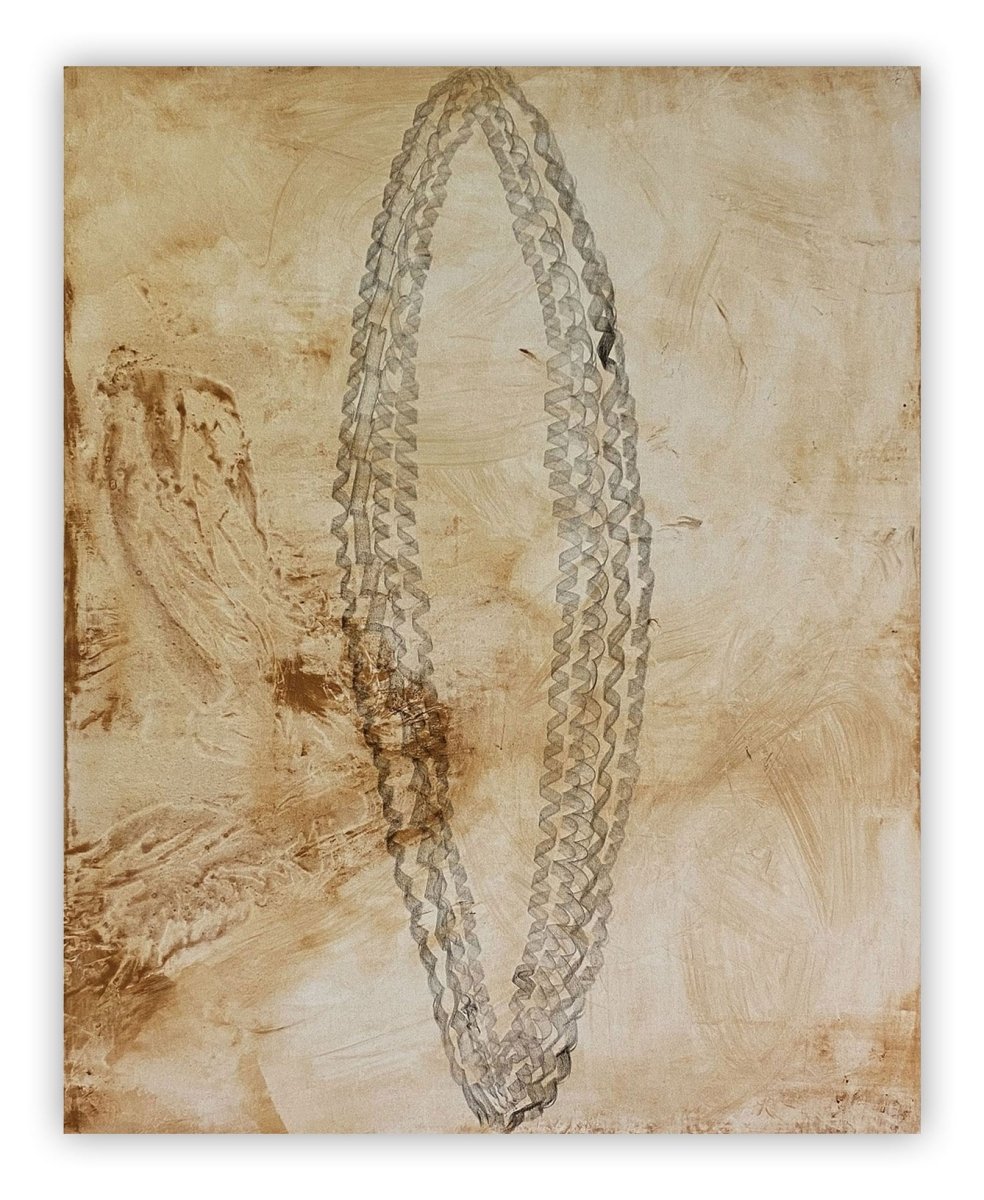
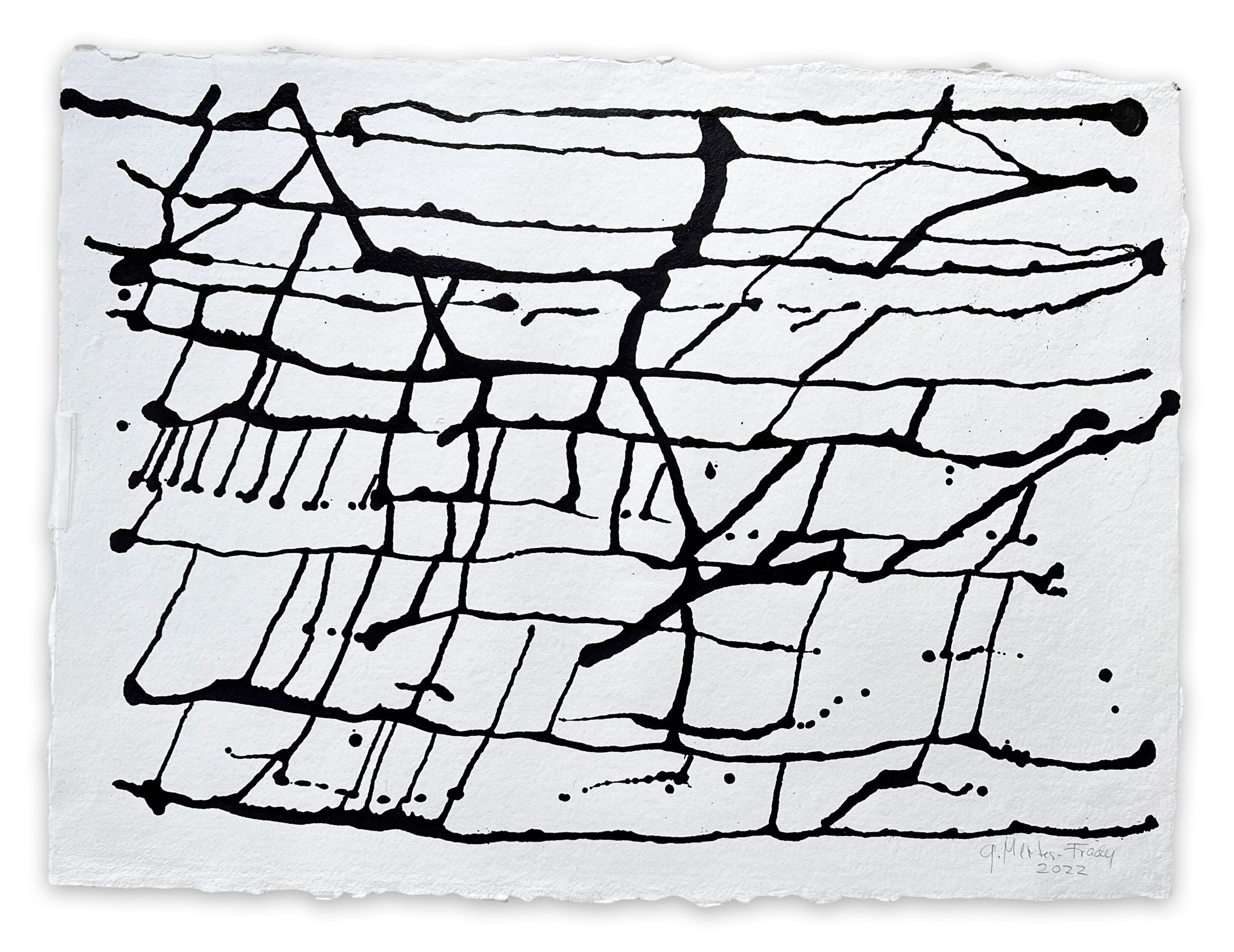
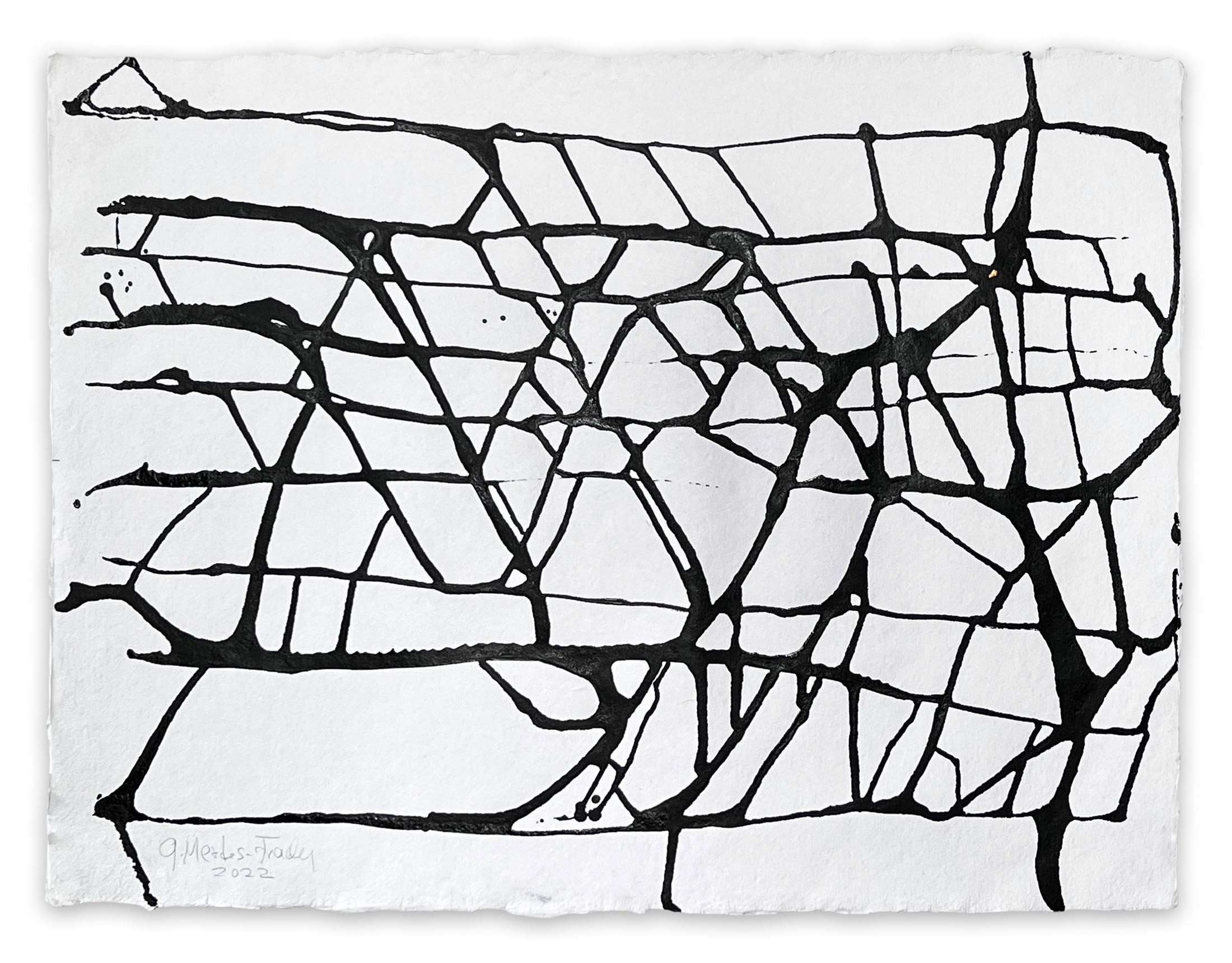
Paul Landauer - The Counted Gesture
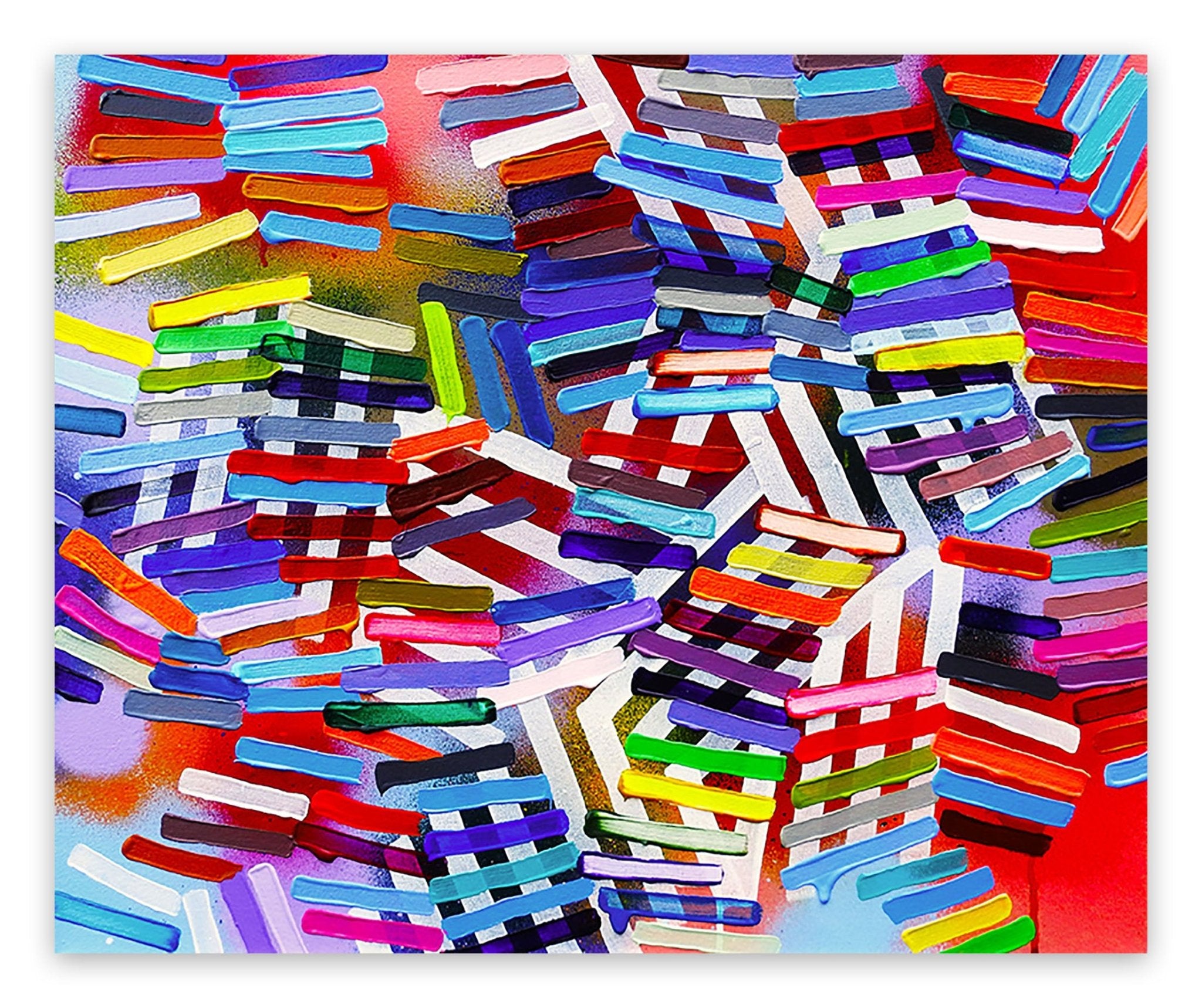
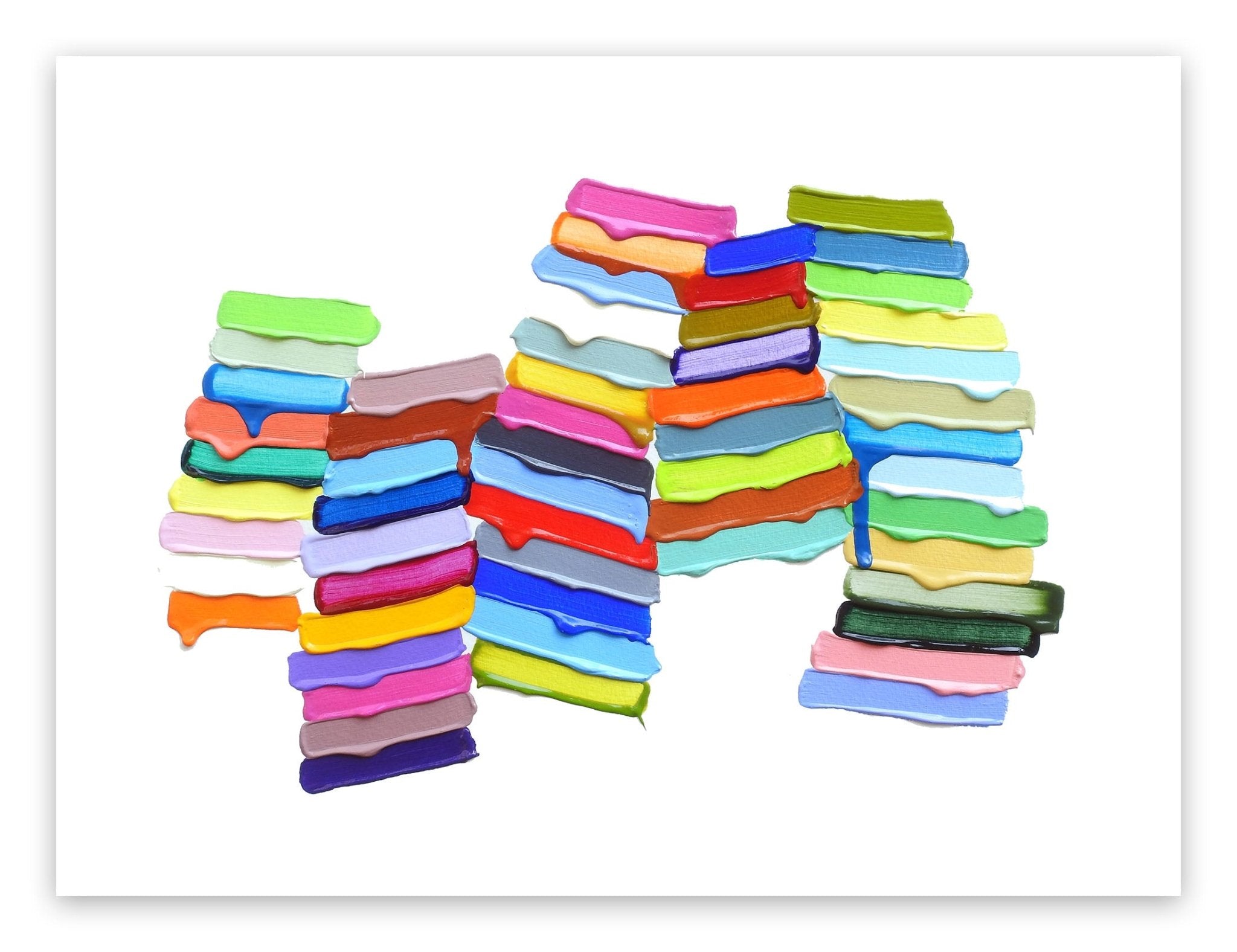
Austrian abstract artist Paul Richard Landauer approaches the act of painting from a different angle, yet arrives at a similar conviction: that the process of making is the meaning. Where Rothko built his luminous colour fields through transparent glazes applied and refined over weeks, Landauer constructs his surfaces through a deceptively simple but rigidly disciplined act: the repeated, counted application of individual brushstrokes, each one intentional, measured, recorded. Both artists refuse decoration; both locate meaning in the body's direct encounter with pigment; both create works whose full emotional weight reveals itself only in physical presence. Situated within the tradition of Art Informel and Abstract Expressionism, Landauer's surfaces read as deeply harmonious and musical - a meditative score performed in silence, stroke by stroke.

Forever - Paul Landauer
Collecting Mark Rothko: Market, Mediums, and Authentication
Rothko remains one of the most commercially significant artists in auction history, with total lifetime sales exceeding $2 billion. His market is characterised by extreme scarcity at the top - fewer than 1,000 oils on canvas are known to exist - and fierce institutional demand.
| Category / Medium | Price Range | Collector Profile |
|---|---|---|
| Large-Scale Classic Oils (1955-1965) | $50M - $186M+ | Blue-chip masterworks. Orange, Red, Yellow (1961) sold for $86.9M at Christie's (2012); No. 6 (Violet, Green and Red) for $186M privately (2014). Institutional and sovereign fund buyers. |
| Seagram / Dark Period Oils (1957-1964) | $20M - $75M | The burgundy, maroon, and black works prized by sophisticated collectors for their emotional gravity. Tate, Kunstmuseum Basel, private foundations. |
| Works on Paper / Gouaches | $500K - $5M | Accessible entry to Rothko's language. High demand from private collectors seeking presence without the scale of a major canvas. |
| Early Figurative Works (pre-1946) | $100K - $2M | Rare and increasingly sought by museum-quality collectors interested in the full narrative arc of Rothko's career. |
Authentication
The Kate Rothko Prizel & Christopher Rothko estate manages authentication inquiries. The Rothko catalogue raisonné, published in 1998, remains the definitive reference. All major works should be cross-referenced against this catalogue and accompanied by verifiable provenance documentation.
Frequently Asked Questions
1. Was Rothko really a "colour field" painter?
Rothko famously resisted the label. He was deeply hostile to being categorised as a formalist or a "colorist," insisting that his paintings were about tragedy, ecstasy, and the human drama - not colour as an aesthetic end in itself. The colour field label, coined by critic Clement Greenberg, was applied to Rothko alongside artists such as Barnett Newman and Clyfford Still, but Rothko always maintained that the label missed the essential point of his work.
2. Why are Rothko's paintings so large?
Scale was a deliberate philosophical decision. Rothko wanted his paintings to overwhelm the viewer's peripheral vision, eliminating the psychological distance between observer and canvas. "I want to be very intimate and human," he said. "To paint a small picture is to place yourself outside your experience." At life-scale, the viewer is not looking at the painting - they are inside it.
3. What technique did Rothko use to create his luminous colour fields?
Rothko applied his colour in multiple thin, translucent layers - a technique related to Old Master glazing - using a complex mixture of oil, egg tempera, and rabbit-skin glue. He worked on unprimed or lightly washed canvas laid flat on the studio floor, allowing pigment to seep and bloom at the edges. The result is a surface that appears to radiate light from within rather than reflect it from outside.
4. Why did Rothko refuse the Seagram commission?
Rothko accepted the Seagram commission in 1958 to paint murals for the Four Seasons restaurant in New York, then returned the fee and withdrew the paintings after dining there and feeling the profound incompatibility between luxury social spectacle and the tragic seriousness of his work. He eventually donated a group of the canvases to the Tate Gallery in London, where they now form the celebrated Rothko Room.
5. What is the Rothko Chapel?
The Rothko Chapel in Houston, Texas (opened 1971) is Rothko's most ambitious realised project: fourteen large paintings in near-black plum and charcoal tones, installed in an octagonal non-denominational sanctuary designed to house them. Commissioned by John and Dominique de Ménil, it functions as both an art installation and an interfaith spiritual space, and has hosted the Dalai Lama, human rights summits, and numerous international ceremonies.
6. Did Rothko write about his own work?
Yes. Rothko wrote extensively but published almost nothing during his lifetime. His book The Artist's Reality, written around 1940, was published posthumously in 2004 by Yale University Press. It offers a remarkable philosophical account of his beliefs about art, the role of the artist, and the relationship between form and emotion - essential reading for anyone seeking to understand his paintings.
7. What is the Black and Grey series?
Produced between 1969 and 1970 following a serious aortic aneurysm that limited his physical capacity, the Black and Grey series represents a radical reduction of Rothko's visual language to two chromatic zones: a band of black above a field of grey. Executed primarily on paper, they are among the most austere and emotionally devastating works in 20th-century painting.
8. How should I display a Rothko work on paper?
Works on paper by Rothko are highly light-sensitive. They should be displayed away from direct sunlight and strong artificial UV sources. Frame behind UV-filtering museum glass; mount on acid-free board. Maintain relative humidity between 45-55% and temperature between 18-21°C. Rotate display periods if possible to limit cumulative light exposure.
9. What are Rothko's most expensive works ever sold?
Rothko holds some of the highest auction results in art history. Key benchmarks include: Orange, Red, Yellow (1961) at $86.9M at Christie's New York (2012); White Center (Yellow, Pink and Lavender on Rose) (1950) at $72.8M at Sotheby's New York (2007); and No. 6 (Violet, Green and Red) (1951), reportedly sold privately for approximately $186M in 2014.
10. Is Rothko connected to Abstract Expressionism or Color Field painting?
Both, and neither entirely. Rothko emerged from the first generation of Abstract Expressionism in New York alongside Pollock, de Kooning, and Newman, but his mature work developed a quieter, more meditative register that critics classified separately as Color Field painting. Rothko rejected both labels, insisting his subject was always the same: the tragedy and ecstasy of the human condition.
11. What influenced Rothko's use of mythology in his early work?
Rothko was deeply influenced by Nietzsche's The Birth of Tragedy, Freud's psychoanalytic theory, and Carl Jung's concept of the collective unconscious. He believed that Greek myth provided universal emotional archetypes capable of communicating directly across cultural boundaries - a belief that ultimately led him to abandon mythology in favour of an even more direct vehicle: pure chromatic field.
12. Why did Rothko paint without a frame?
Rothko considered the traditional picture frame a psychological barrier between viewer and painting. By eliminating it, he sought to create an uninterrupted chromatic environment, a field of colour with no edge separating it from the viewer's space. He also specified very precise hanging heights for his works: low, close to the floor, so that the canvases breathed at the same level as the standing human body.
13. Which contemporary artists at Ideelart are closest to Rothko's legacy?
Ideelart represents a number of artists whose practice carries Rothko's legacy forward in distinct but complementary ways.
Yari Ostovany is perhaps the most direct heir: layered translucent pigment, emotional impulse, colour fields of remarkable depth and transcendence.
Numinous 19 - Yari Ostovany
Jean Feinberg pursues a quieter, intimate luminosity — successive glazes of pure pigment radiating from within the canvas, contemplative light that rewards patient looking.
R/Y/B - Jean Feinberg
Gudrun Mertes-Frady works in the direct lineage of Color Field painting — dense vibrating surfaces holding weight and levity, opacity and transparency in suspension.
Opposing Currents no.I - Gudrun Mertes-Frady
Tracey Adams works in encaustic — layers of pigmented wax fused with heat — producing warm inner luminosity and meditative spareness that mirrors Rothko's glazing ambition.
0218-10 - Tracey Adams
Dana Gordon — author of Notes and Reflections on Rothko in Paris — pursues colour as vibrating optical energy through her push-pull of flat colour blocks over kaleidoscopic grids.
Altitude - Dana Gordon
Martina Nehrling builds dense chromatic accumulations whose inner pressure pushes outward — colour as physical event, an emotional charge registered by the body before the mind can name it.
Fume - Martina Nehrling
Jill Moser operates between gesture and field — her marks coalesce into chromatic environments that envelop the viewer, the physical act of making embedded in the emotional content of the finished work.
7.3 - Jill Moser
Janise Yntema works in encaustic layers that build translucent depth and inner light — colour captured inside the material, a suspended luminosity mirroring Rothko's glazing ambition.
The Whisper of Solitude - Janise Yntema
Kim Uchiyama layers oil in thin translucent strata — each pass enriching what lies beneath — generating surface radiance read as inner light, a visual vibration the body experiences before the mind processes it.
Chord - Kim Uchiyama
Paul Richard Landauer shares Rothko's conviction that painting is an act rather than an image — his counted, rhythmic brushstrokes a meditative discipline within Art Informel tradition whose results carry the same quiet intensity.
Forever - Paul Landauer
14. Where can I see Rothko's work in Europe?
Major European holdings include the Tate Modern in London (the Rothko Room with the Seagram Murals), Kunstmuseum Basel, Centre Pompidou in Paris, and the Fondation Louis Vuitton in Paris, which hosted a major retrospective in 2023. The Beyeler Foundation in Basel also holds significant works.
15. What should I read to understand Rothko better?
Start with Rothko's own The Artist's Reality (Yale University Press, 2004), an essential primary source. Then: James E.B. Breslin's biography Mark Rothko: A Biography (1993), the exhibition catalogue from the 1998 National Gallery of Art retrospective, and the Tate's catalogue from the 2008 Rothko retrospective. For a personal contemporary account, read also: Notes and Reflections on Rothko in Paris by Dana Gordon, published on Ideelart.
By Francis Berthomier - updated and expanded September 2026
Featured image: Untitled (Multiform) 1948, Detail
RELATED ARTWORKS