

Benefitting (From) the Arts
Art is not an allegory. When a work of art, or a particular artist's oeuvre, seems to be trying to make some metaphorical point it can be a bit of a turn off. It somehow reduces the experience of interacting with the work to something akin to getting a lecture. Yet art does have the power to change the world. We don't mean this in a silly, sentimental way. We mean that art exists in the world as a social force, an economic force, a political force, even a spiritual force. Every work of art, and therefore every artist, has the potential to exercise if this is the correct word, power.
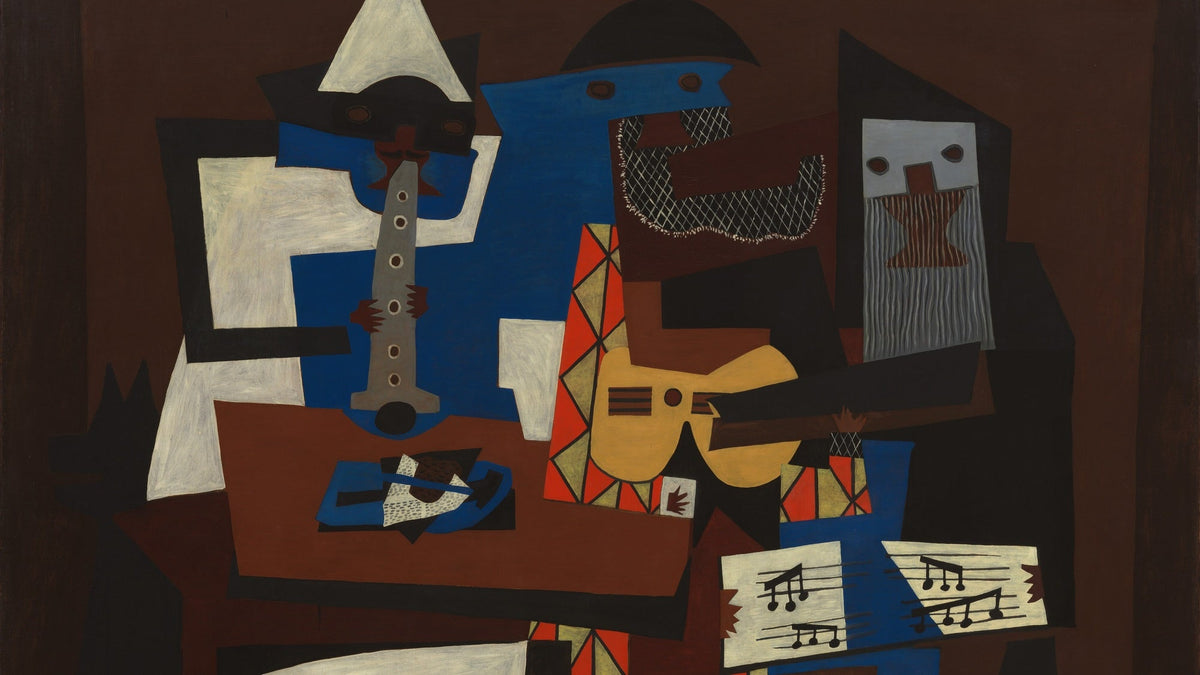
When Picasso displayed his infamous work "Guernica" in 1937, he offered the world a glimpse, through his perspective, of the horrible cost of the Nazi campaign in the Basque region of Spain. The work was not an allegory. It was not a metaphor. It did not seek to make a sentimental point. It wasn't intended to lecture anyone, yet it is considered to be one of the most important anti-war paintings of all time. It was a revolutionary act for Picasso to paint it and to exhibit it to a frightened world. Picasso had power, and he lent it to his work, and he affected minds.
The Philanthropic Power of Art
As mindful inhabitants of an increasingly interdependent biosphere, all of us realize that we have the ability to make choices that can also affect the minds of our contemporaries. As artists, art collectors, art dealers and art appreciators, we can do work that can exercise power in our world. The most obvious way artists and their work can exhibit power is by embracing the role of art as a commodity. When a work of art has the potential to make money, or a lot of money, the work attracts people to itself. It creates an audience. It gets people's attention, and thus it has the opportunity to matter.
The Art of the Auction
Auctioning art as a fundraising tool is a respected method of utilizing the power of art as commodity to effect change. If an art auction is raising money to support a cause you admire, what better way to support your world view than to buy art while also supporting something that matters to you? And sometimes the art being auctioned partners perfectly with the mission of the auction's beneficiary, creating levels of meaning that can enhance the experience for all involved.
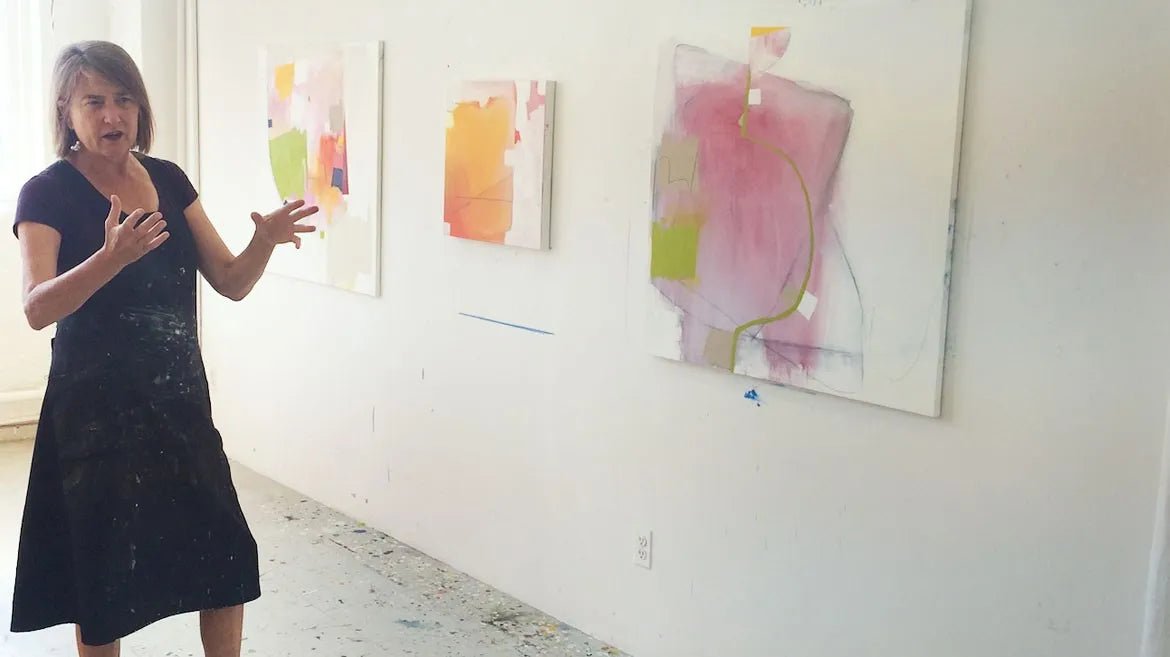
Recently, Holly Miller, an American abstract painter represented online by IdeelArt, donated her work to an auction for a non-profit called Art in a Box. Art in a Box partners with disadvantaged communities providing recovery and empowerment opportunities through art. They use art to positively affect people who have been damaged by war, disease, poverty and natural disasters.
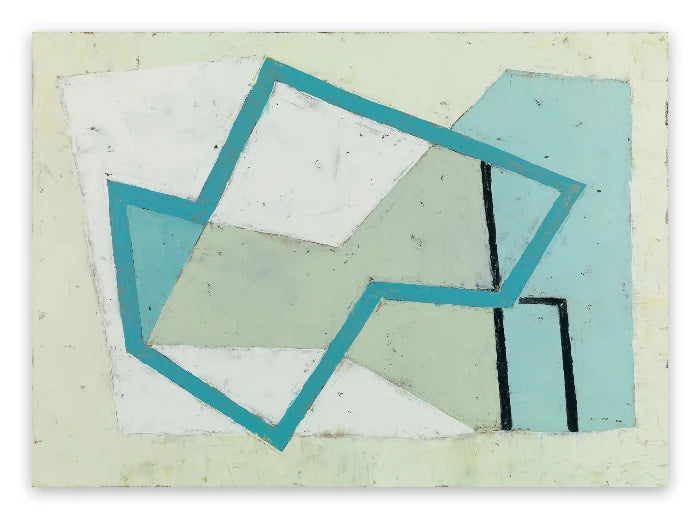
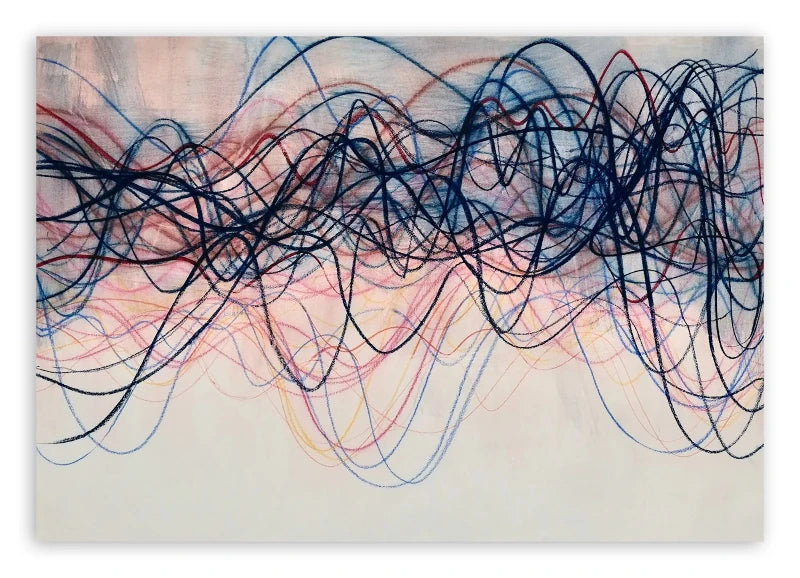
Miller's abstract paintings involve the creation of soothing color fields on square canvases. She then adds intuitive line patterns and clusters, creating abstract conflagrations of geometric shapes and organic forms. She next introduces holes into the canvas, finally interweaving thread through the holes, creating a multilayered visual and tactile experience that evolves the closer the viewer is to the work.
A Perfect Pairing
Miller's work is punctured. It's damaged. New elements are introduced to plug the holes, reinterpreting damage as evolution. It seems simple from afar but upon closer examination becomes increasingly complex. It's not an allegory. It's not a metaphor. But it's an exploration of the assumptions humans make about their world. It's a challenge for people to try to see differently. It's the perfect work to support the objectives of Art in a Box.
Who Benefits From Art Benefits?
Not every art auction is going to present work that appeals to every collector. And certainly, we would never recommend people buy contemporary art unless it speaks to them in some way. But no serious collector, dealer, curator or artist should overlook art auctions and benefits as a legitimate venue for experiencing new work.
While no one likes to be lectured about this cause or that cause, there are times, as with Holly Miller's partnership with Art in a Box, when the power inherent in a work manages to coalesce with an opportunity to effect change. When that happens, and a collector has a chance to obtain a work of art that matters, who benefits?
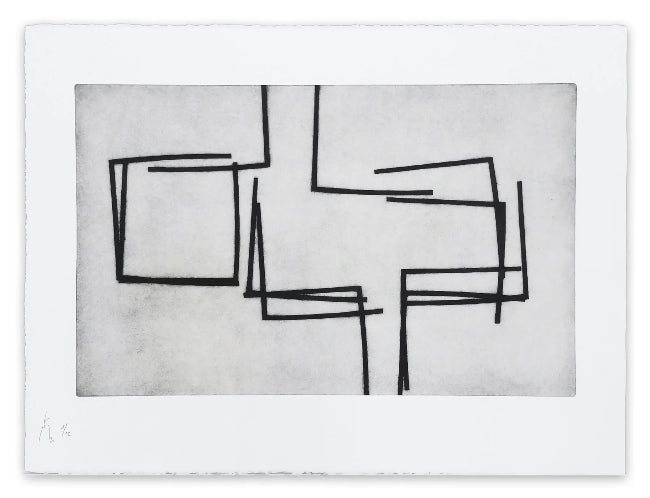
Featured image: Holly Miller - Soothe 1, 2013.