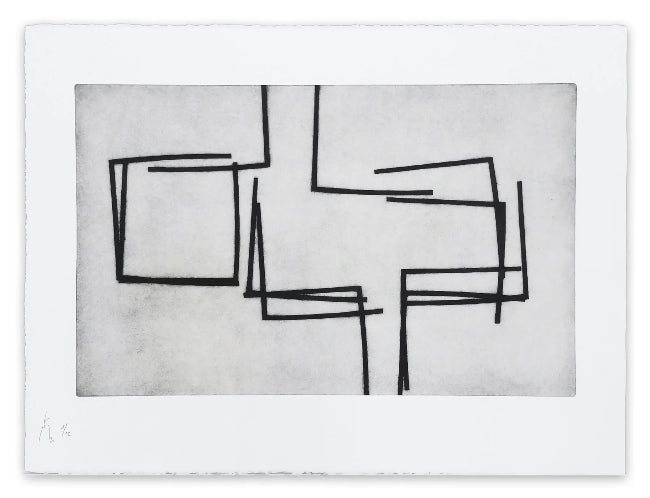

Concrete Art: A Collector's Guide to the Art of Absolute Clarity
In the lexicon of art history, few terms are as misunderstood as "Concrete Art." To the uninitiated, the word implies weight, solidity, or perhaps the grey industrial material itself. In the art world, however, it signifies something far more radical: a rejection of the idea that art must be "about" something else. While traditional abstraction abstracts from reality (taking a tree and reducing it to lines), Concrete Art constructs a new reality. It argues that a line, a color, or a plane is a real thing, as concrete as a chair or a stone. Today, as we navigate a world saturated with digital noise and endless narratives, the Concrete Artist's pursuit of "absolute clarity" and autonomous form feels not just relevant, but essential. It offers a visual sanctuary, a place where what you see is exactly what it is.
Beyond Abstraction: The Distinct Nature of Concrete Art
Along with Suprematism, Constructivism, De Stijl, Neo-Concrete Art, and Minimalism, Concrete Art is one of half a dozen geometric abstract art movements that emerged in the 20th Century, roughly between 1913 and 1970. But it is distinctly different from all of the others on this list. The difference may not be easily apparent. Visually, all six of these movements produced similar work. That is because all were based on the same syntax—a visual language rooted in non-objective, formal elements like lines, shapes and colors.

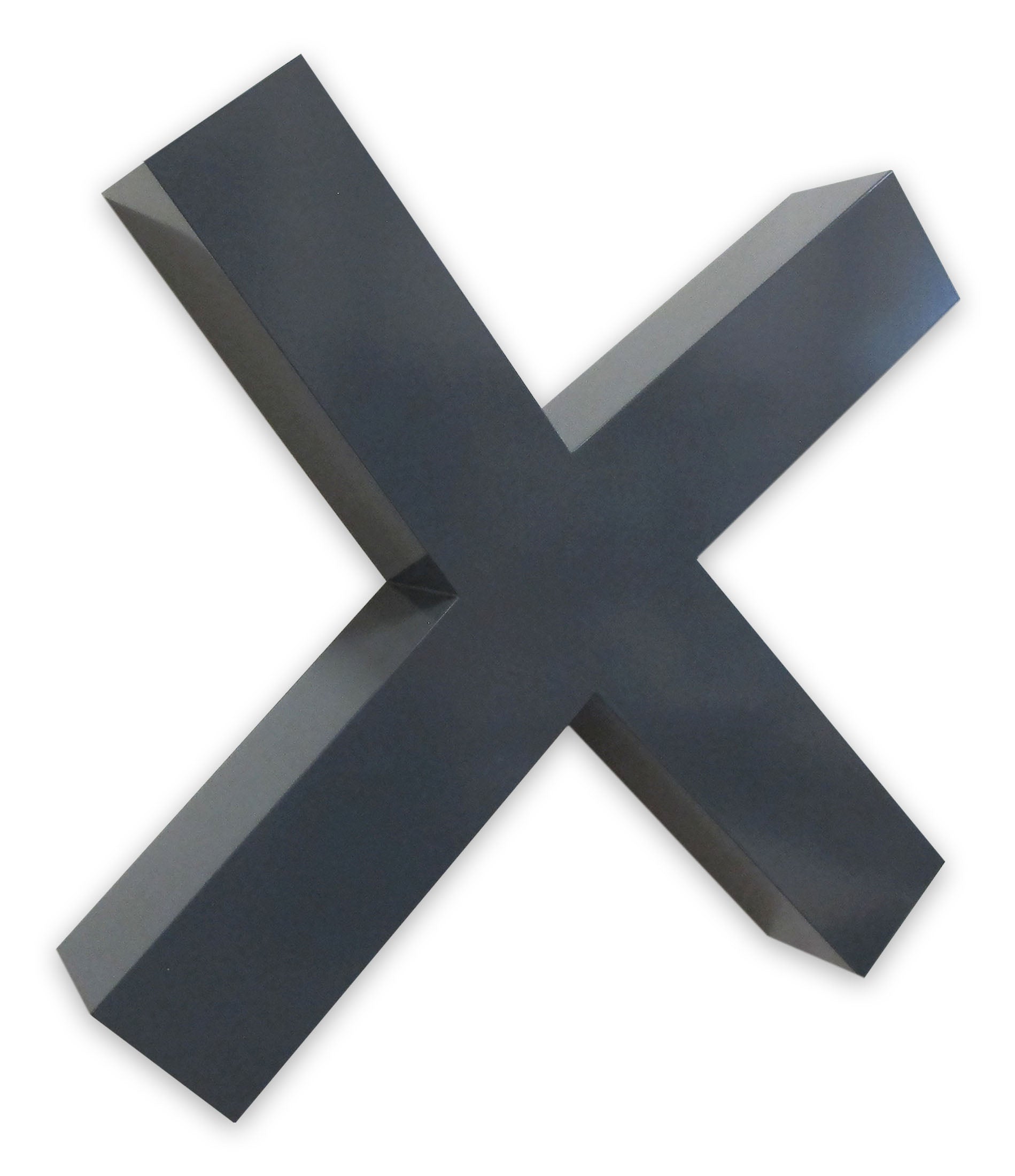
Daniel Göttin - Untitled 1-12 - 2017
The essential difference between them was almost entirely semantic, meaning the intention and meaning underlying each was unique. Suprematism used geometric abstraction to communicate the “supremacy of pure feeling or perception.” Constructivism used it to construct new useful symbols for a modern world. De Stijl used geometric elements to explore the intrinsic harmony of the universe. Concrete Art was purely plastic: every visual element it employed was created in a mechanical way and was devoid of any symbolic, emotional, spiritual or naturalistic meaning. Neo-Concrete Art used the same visual language as Concrete Art, but rejected its pure plasticity, focusing instead on the phenomenological potential that arises when people interact with art. Minimalism agreed that plastic elements should be self-referential, but took that belief to its extreme, endowing aesthetic components with autonomous power to the point of sublimating the artist, removing all evidence of authorship, narrative, biography, or anything else that might interfere with the totalitarian presence of the work.
Of all of these movements, only one, concrete art, can claim to be purely abstract. It alone actively sought to eliminate any outside meaning, freeing artists from having to communicate anything beyond what was clearly visible in the work.
Moving Toward Concretion
The tendency toward a pure, plastic art took root in Europe around the mid-1800s. That was when painters associated with movements like Impressionism and Divisionism started isolating elements like light and color as things worthy of individual consideration. But subject matter and meaning were still important to people at that time, if not to the artists themselves, at least to their patrons. It took movements like Cubism and Futurism to start to change that outlook, clearing the way for artists like Wassily Kandinsky and Kazimir Malevich to paint completely abstract works in the early 1900s.
But even Kandinsky and Malevich made work that referenced outside sources of meaning, such as spirituality and symbolism. It was not until 1930 that the first European successfully verbalized the desire to embrace a truly meaningless, pure form of abstract visual art. That artist was the Dutch painter and writer Theo van Doesburg. Van Doesburg had first become prominent around 1917, when he co-founded De Stijl with Piet Mondrian. But he and Mondrian soon parted ways, because Mondrian, like many other abstract artists, was heavily influenced by utopian spirituality. Van Doesburg wanted to escape all such influences, along with all naturalistic or figurative references. So, in 1930, along with Swiss artist Otto Gustaf Carlsund, French painter Jean Hélion, Armenian painter Léon Arthur Tutundjian, and French typographer Marcel Wantz, he co-authored the Concrete Art Manifesto.
 Leon Arthur Tutundjian - La Boule Noire, 1926, © Leon Arthur Tutundjian
The Concrete Art Manifesto
The manifesto laid out six principals: “1) Art is universal. 2) A work of art must be entirely conceived and shaped by the mind before its execution. It shall not receive anything of nature’s or sensuality’s or sentimentality’s formal data. We want to exclude lyricism, drama, symbolism, and so on. 3) The painting must be entirely built up with purely plastic elements, namely surfaces and colors. A pictorial element does not have any meaning beyond “itself”; as a consequence, a painting does not have any meaning other than “itself”. 4) The construction of a painting, as well as that of its elements, must be simple and visually controllable. 5) The painting technique must be mechanic, i.e., exact, anti-impressionistic. 6) An effort toward absolute clarity is mandatory.”
Van Doesburg died one year after the Concrete Art Manifesto was published, so he was not around long enough to defend it from the army of critics that attacked it in the decades that followed. The complaints of those critics mainly centered on what they perceived as the cold soullessness and sterility of Concrete Art. But, of course, that was the intent of the movement all along. In fact, it is hard to imagine that, had van Doesburg lived longer, he would have bothered to argue with his critics. He likely would have interpreted the word soulless as a compliment, and the words cold and sterile as high praise.
 Art Concret Manifesto, May 1930, via wikiart.org
To understand why Concrete Art first appealed so strongly to many artists, it is essential to understand that van Doesburg was part of a generation that had become jaded following decades of violence. The mass death and destruction that accompanied modern warfare shocked them. And many intellectuals came to the conclusion that the violence had not arisen out of a vacuum. On the contrary, they saw it as the inevitable result of political, religious and ideological conflict. Concrete Art was a plea for artists to disconnect from the reality that had brought the world to the brink of destruction.
The Market for Clarity: Collecting Concrete Art Today
In the mid-2020s, the art market has witnessed a quiet but decisive shift. After a decade dominated by hyper-narrative and politically charged figurative work, collectors and interior designers are increasingly pivoting toward Geometric Abstraction and Minimalism. This trend is not merely aesthetic; it is psychological. In a period defined by global volatility and digital noise, the art world is seeing a "flight to structure", a collective craving for visual sanctuary.
Concrete Art sits at the apex of this movement. Because it refuses to reference the chaotic outside world, rejecting politics, tragedy, and representation in favor of pure form, it offers a timeless stability that insulates it from the caprices of trend-driven art. It is, by definition, an art of certainty.

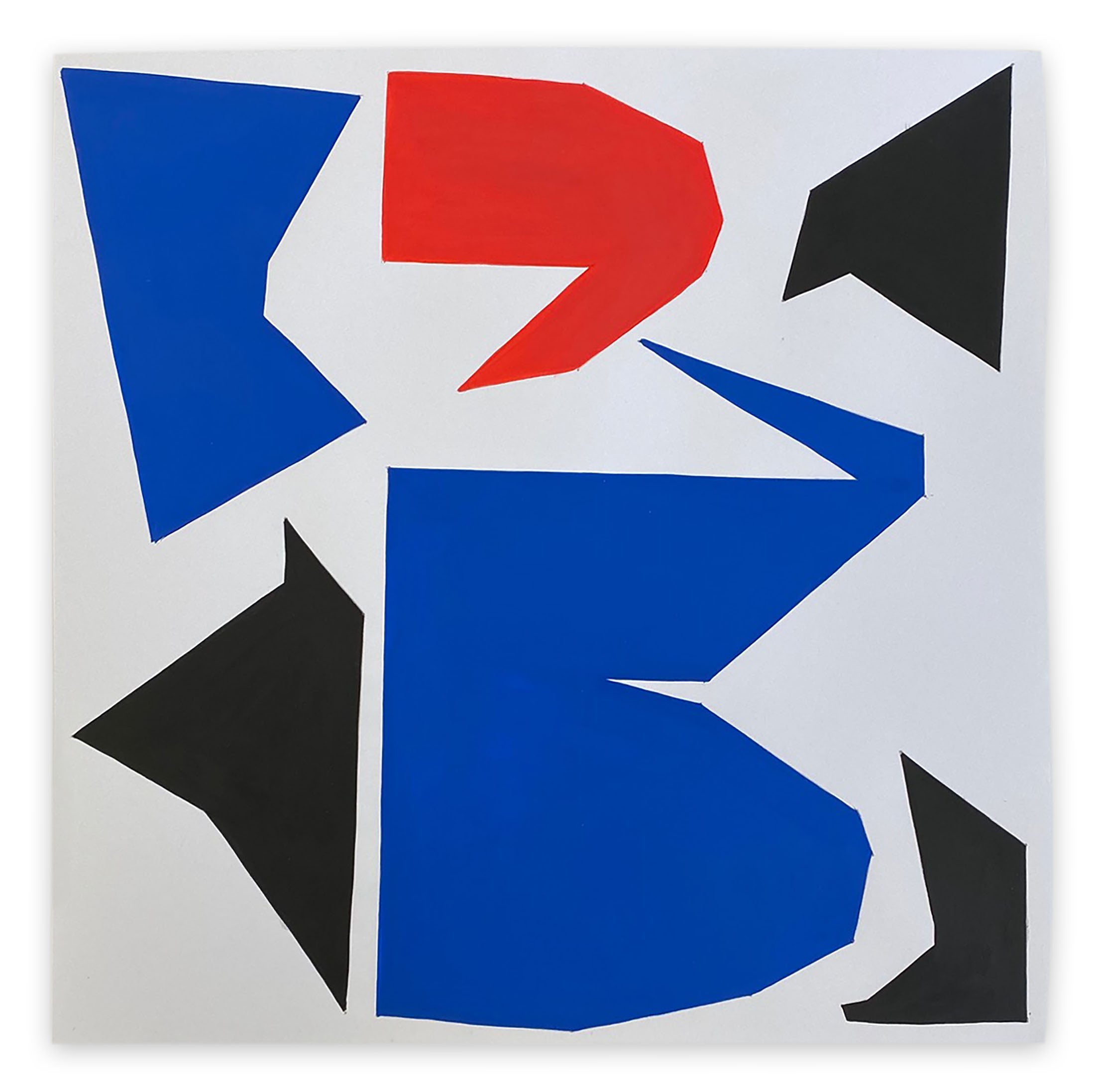
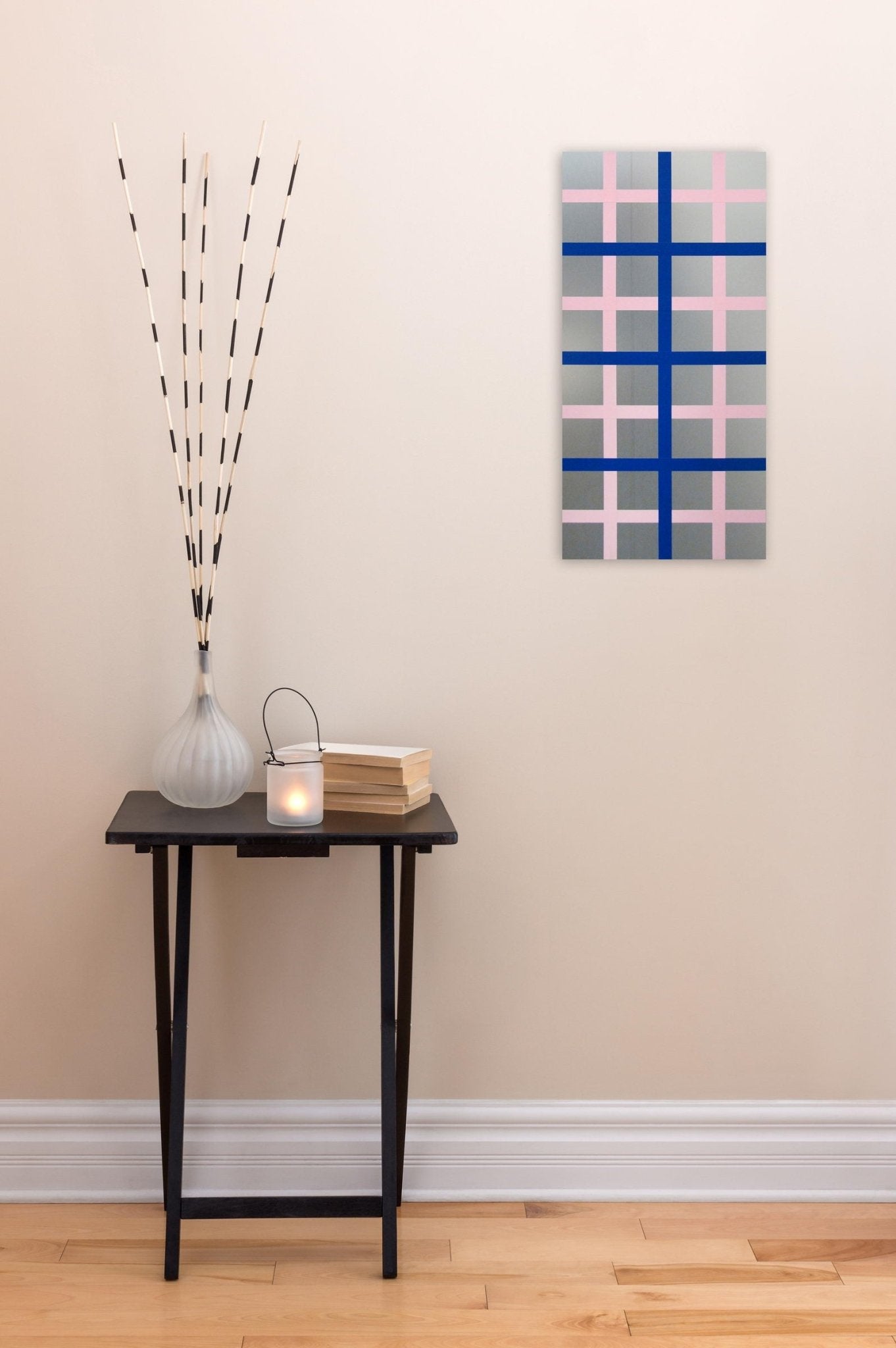
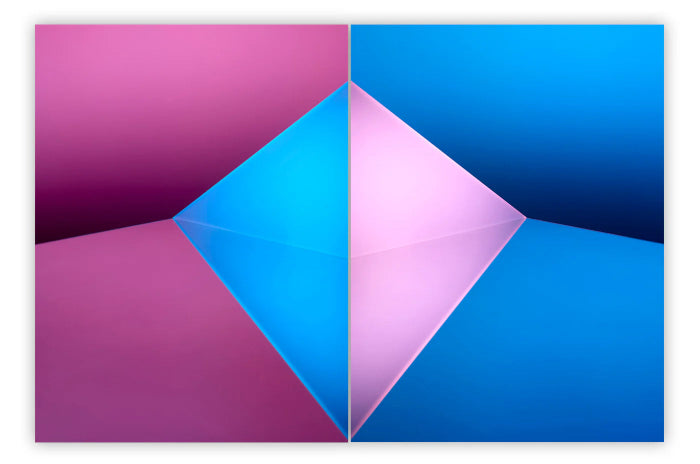
Ulla Pedersen - Cut Up Papers 1.5 (left) and Cut Up Paper 1.27 (right), 2016
The "Blue Chip" Validation
The market for the original masters of this movement has seen steady, robust growth, confirming its status as a "safe" asset class. While Josef Albers often headlines market reports with his reliable auction volume (his print market alone has reportedly tripled in turnover since 2015), he is not an outlier. Record results for Max Bill and Theo van Doesburg (whose Contra-Composition VII commanded a record $4.1 million) prove the genre’s blue-chip status. Meanwhile, a recent surge in institutional attention for figures like Verena Loewensberg and Richard Paul Lohse suggests the market is actively re-evaluating and elevating the movement's key European figures.
Furthermore, the "Neo-Concrete" wing of the movement has seen explosive growth, with Brazilian masters like Lygia Pape and Hélio Oiticica achieving record sales that validate the movement's global, cross-cultural appeal.
The Contemporary Opportunity
For the astute collector, this historical validation serves as a market signal. When the "ancestors" of a movement solidify into blue-chip status, the focus of the market naturally widens to find its living heirs. Collecting contemporary Concrete Art is not merely an accessible entry point; it is a strategic investment in the continuation of a prestigious lineage.
By acquiring works from living practitioners, such as those featured on IdeelArt, collectors engage with the current chapter of a century-long historical dialogue. Unlike expressive styles that can feel inextricably tethered to a specific moment in time, the mathematical purity of Concrete Art allows it to act as a permanent "visual anchor" in a collection, a perennial favorite for those seeking both intellectual rigor and aesthetic peace.

Tilman - Artitecture (2015) - Fondation Datris
The Legacy of Concrete Art in Contemporary Practice
The strict rules laid out in Van Doesburg’s 1930 manifesto, demanding mechanical precision and the removal of sentimentality, might seem rigid today. However, the core spirit of the movement thrives in contemporary practice. Artists continue to champion the "concrete" reality of their materials, using structure, geometry, and color not to symbolize emotion, but to create autonomous objects that interact directly with the viewer's perception.
At IdeelArt, several artists carry this torch, evolving the tradition for the 21st century:
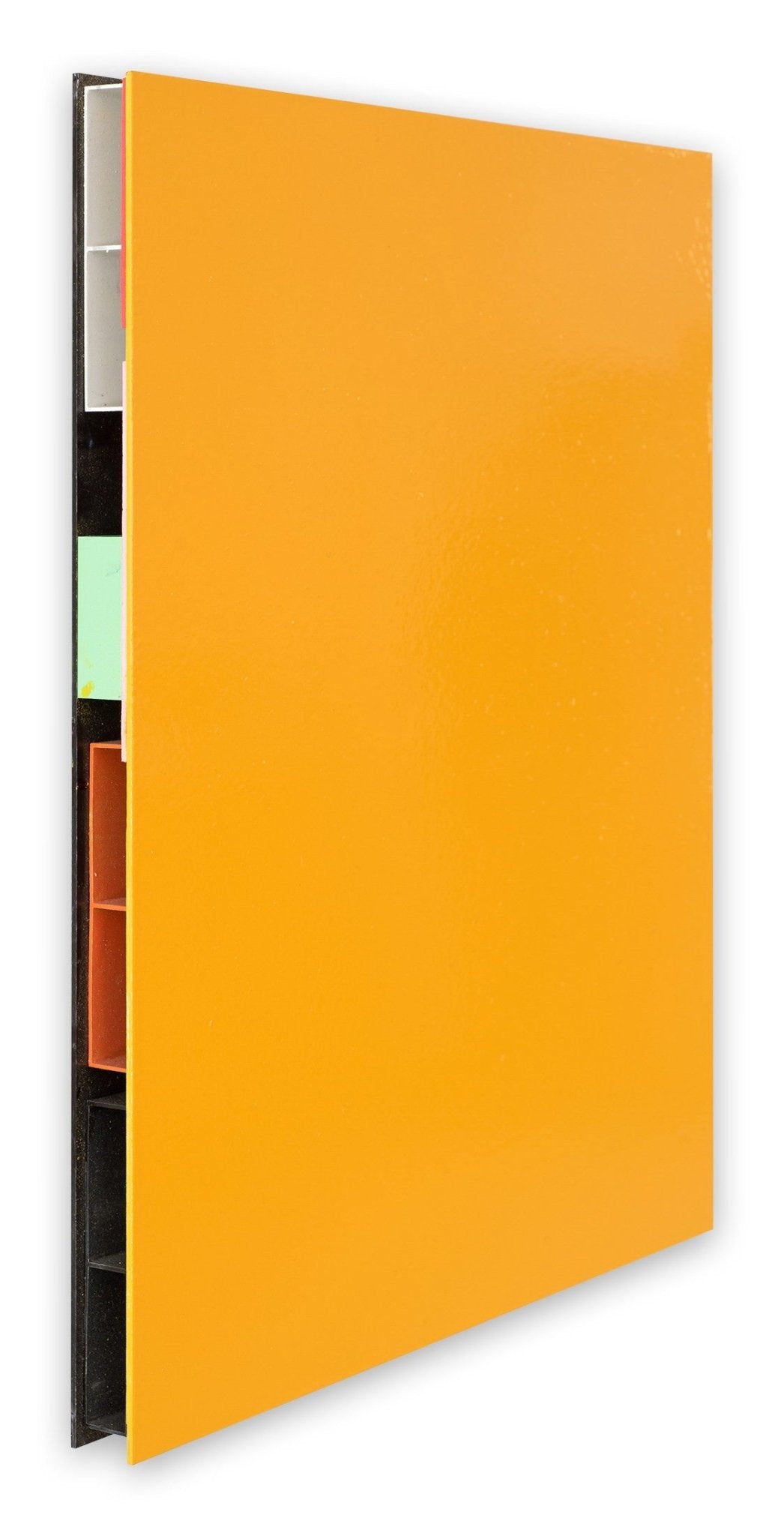
Tilman: A direct heir to the Concrete tradition, Tilman explicitly cites the movement as a primary inspiration. His "built environments" and stacked objects do not represent the world; they are new objects entering it. By interpreting found visual elements into "made concrete objects" through a reductive process, he fulfills the manifesto’s demand for works that are constructed rather than impressionistic.
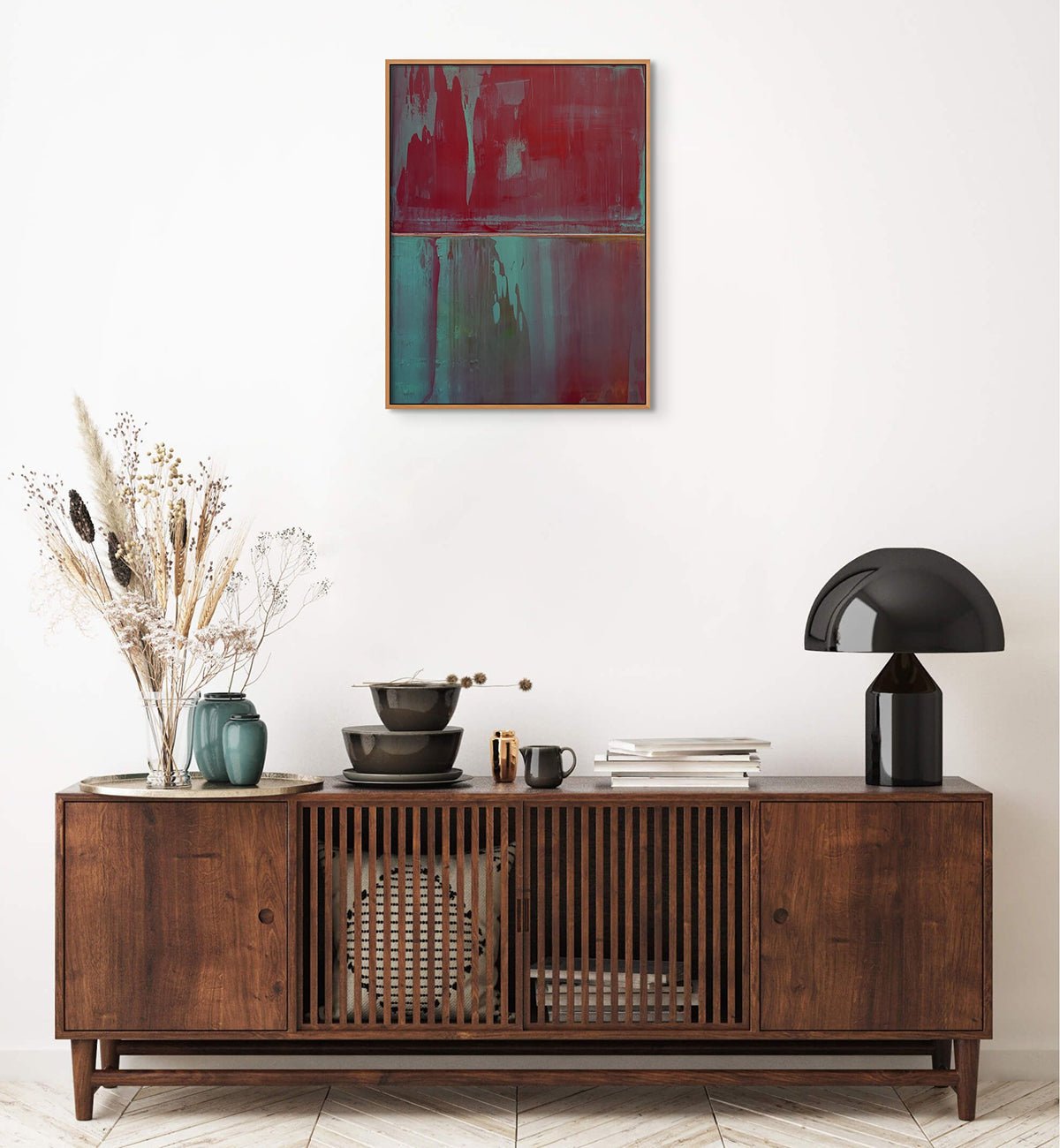
Arvid Boecker: The founders of Abstraction-Création famously called for art that was "conceived by the mind" and executed with mechanical precision, stripping away the romantic ego of the artist. German painter Arvid Boecker embodies this "scientific" approach to creation. Using screen-printing squeegees rather than traditional brushes, he removes the expressive gesture of the hand, treating the canvas as a site of rigorous construction. He applies layer upon layer of oil paint in a systematic process of addition and subtraction, creating works where color is not an emotion, but a physical weight and depth. His practice fulfills the movement’s dream of an art that is as objective and substantial as a machine or a building.
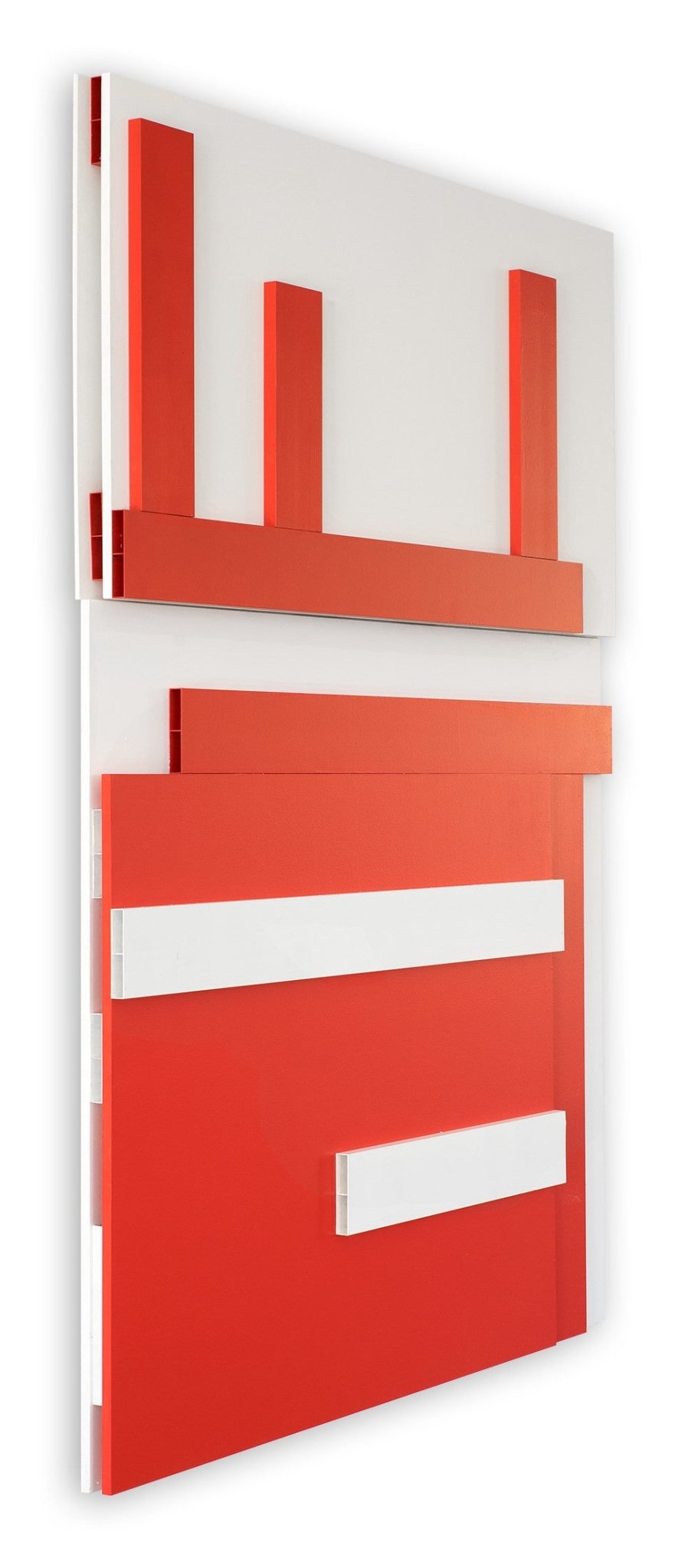
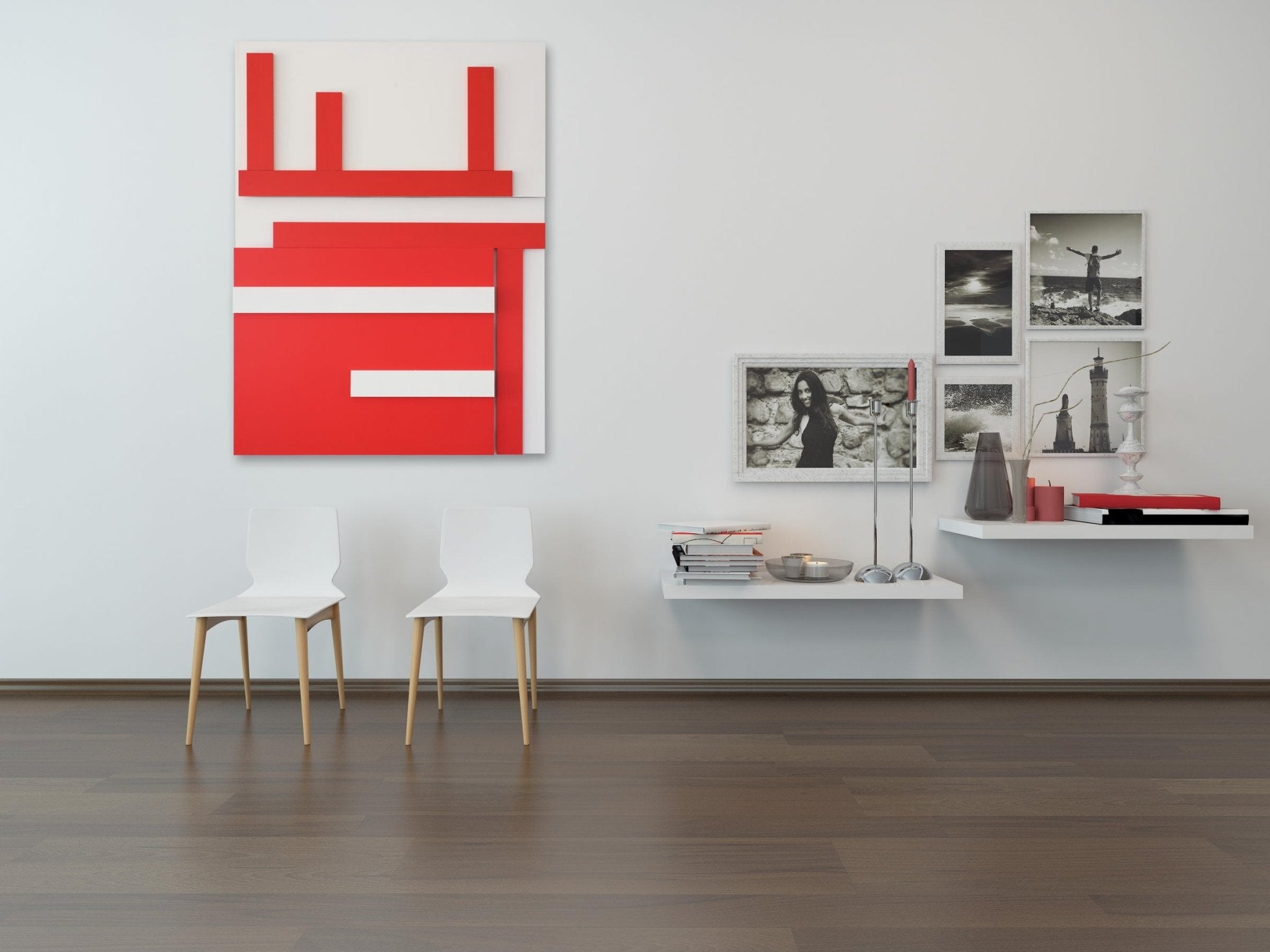
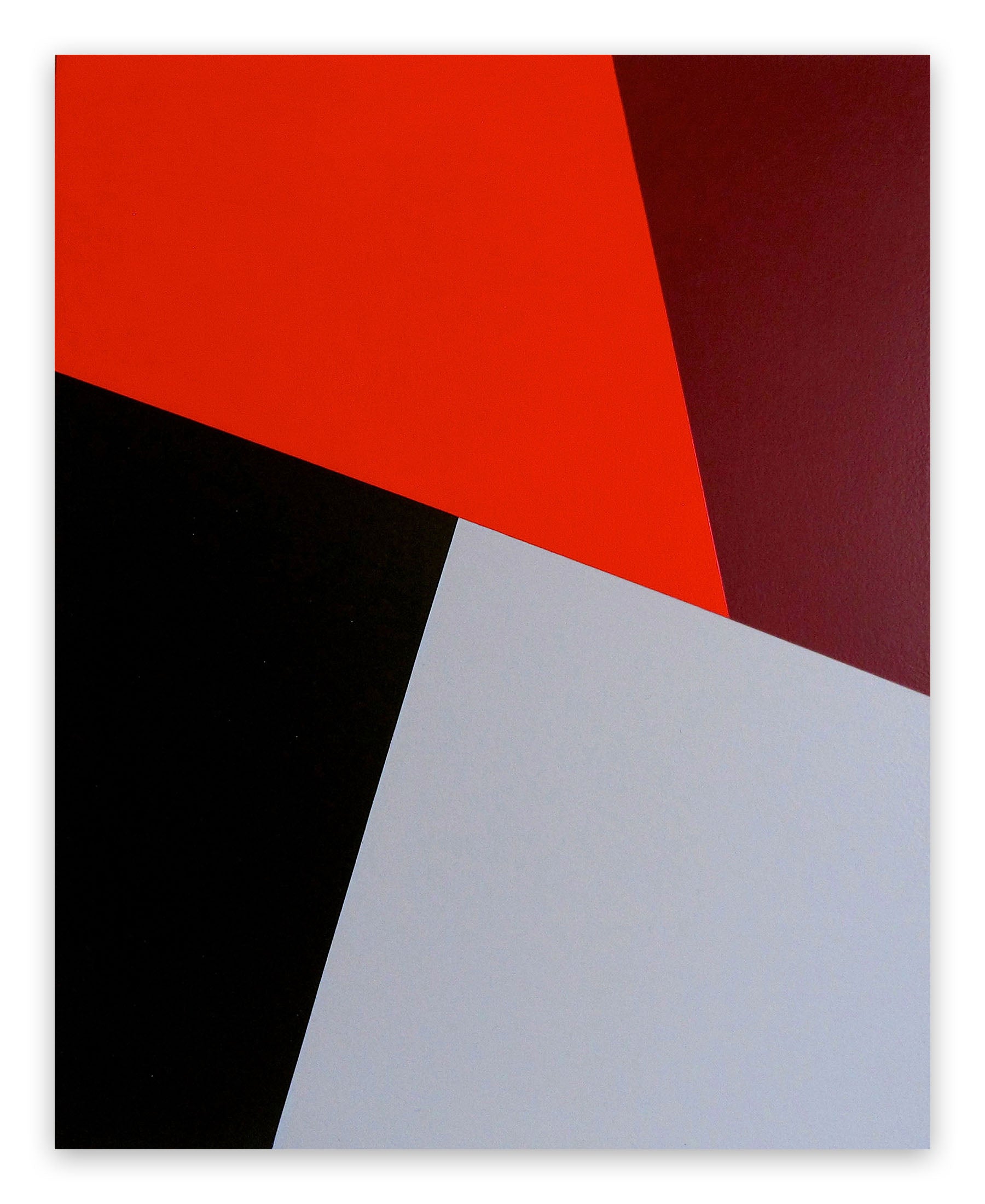
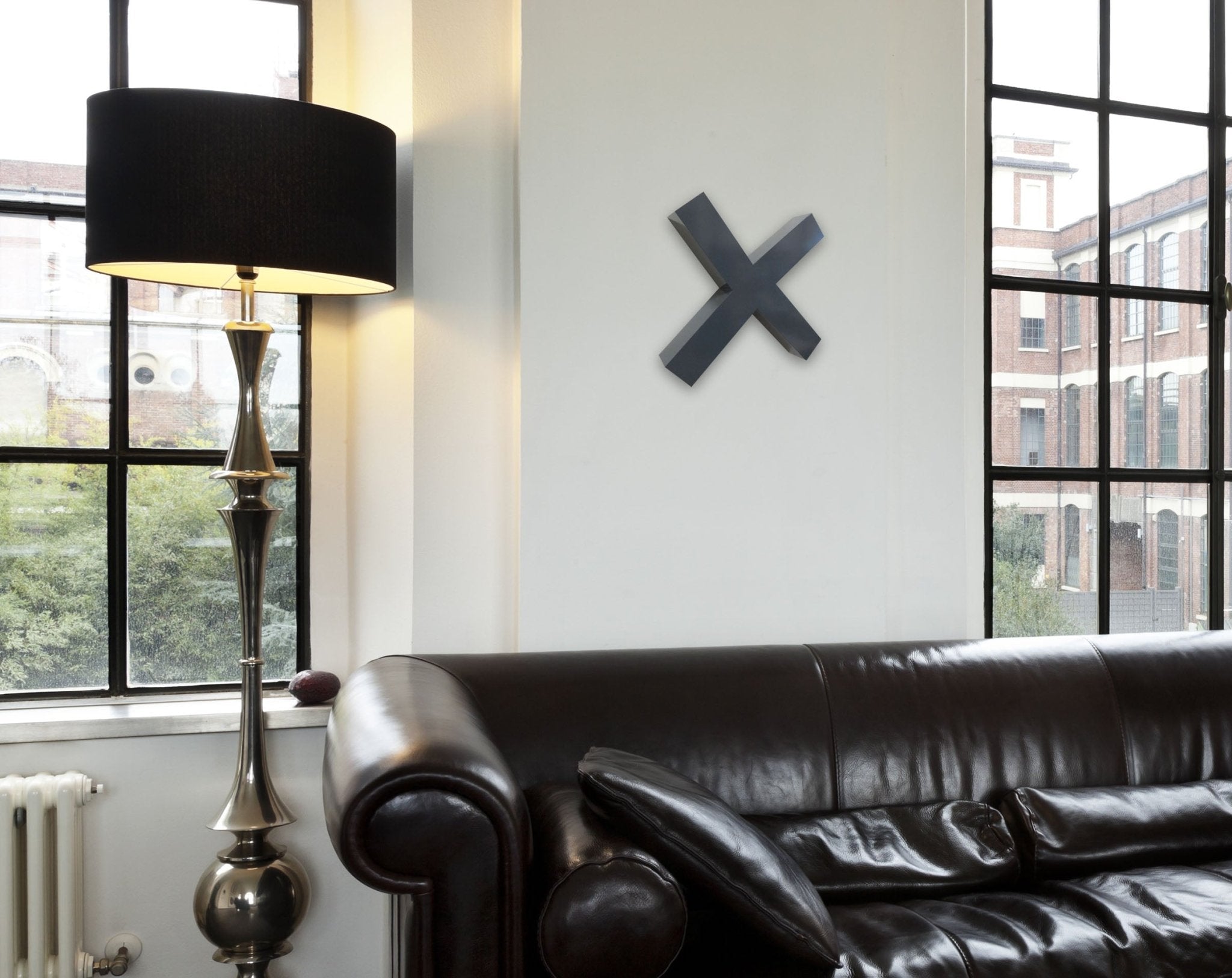
Daniel Göttin: Göttin’s work pushes the "plastic" element of Concrete Art into three-dimensional space. Working with industrial materials like tape, wood, and metal , he creates site-specific interventions that respond to the architecture of a room. His art is not a window into an illusion but a physical alteration of reality, highlighting the concrete interplay of light, shadow, and material.

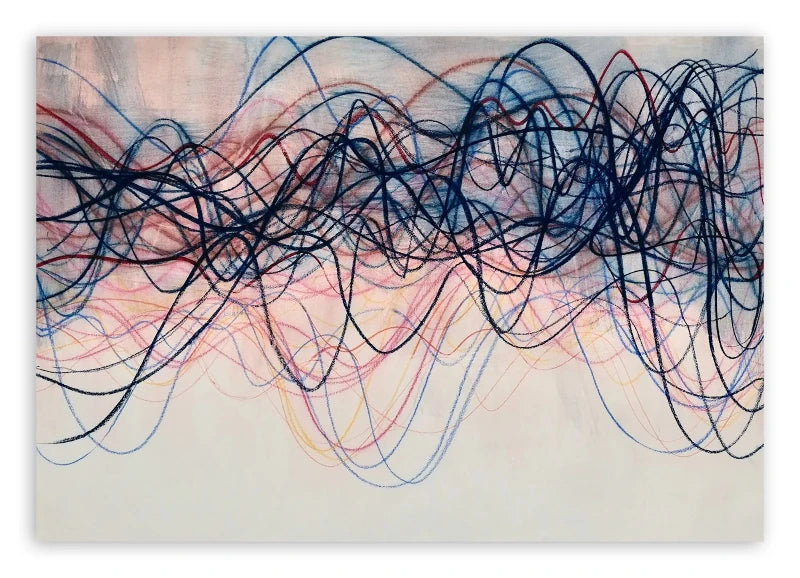
Pierre Muckensturm - XXIV 33 212 (Diptych, 2024)
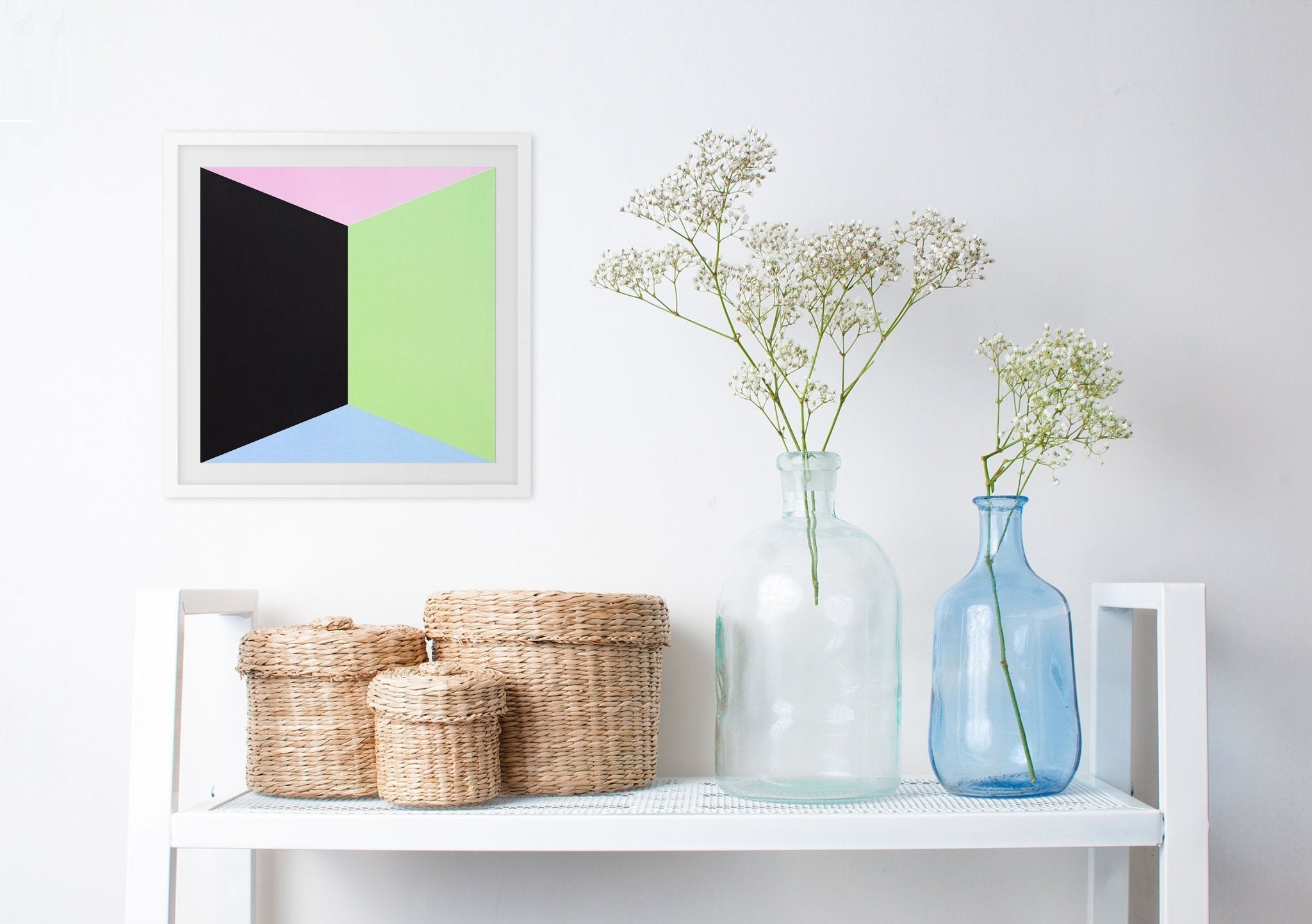
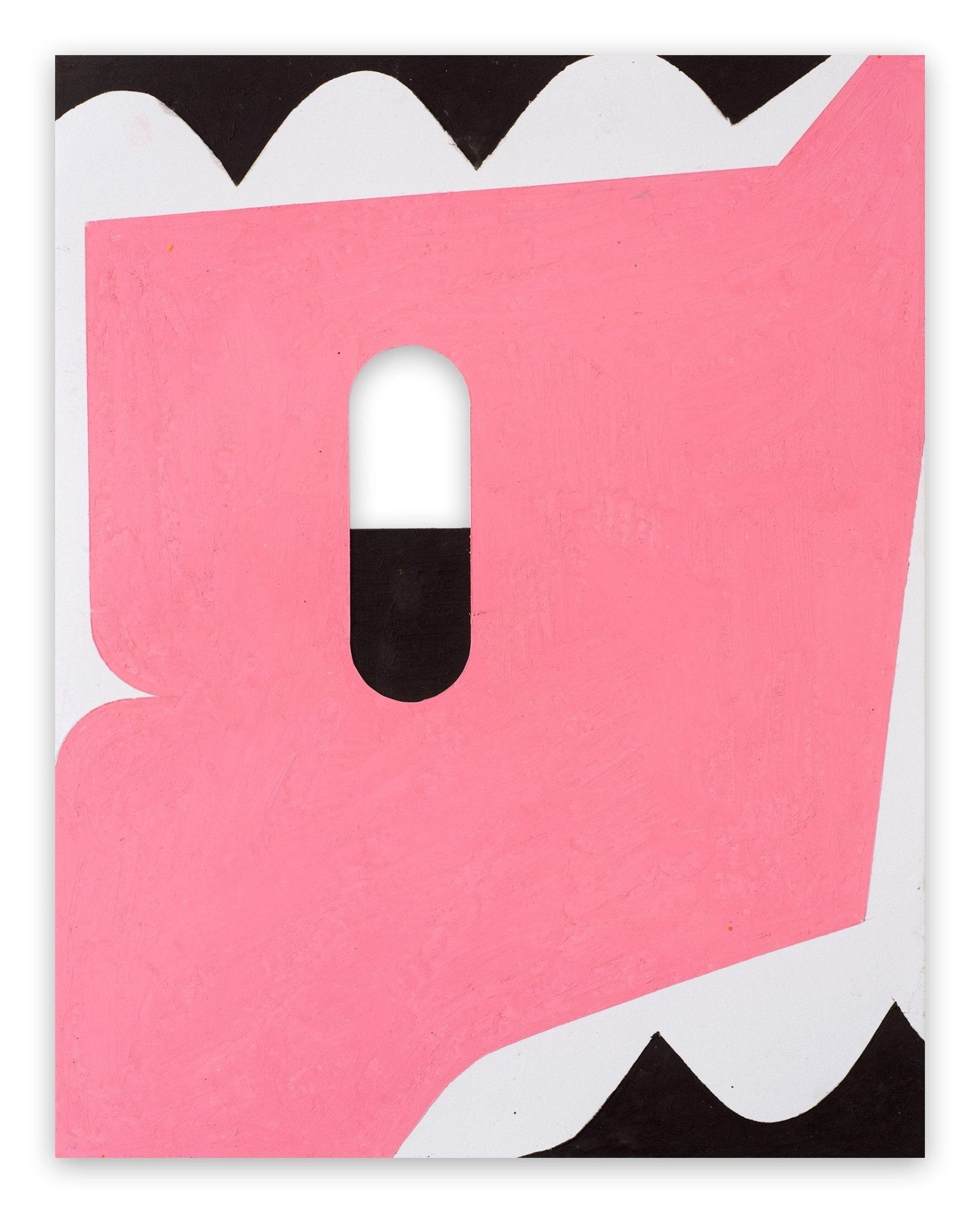
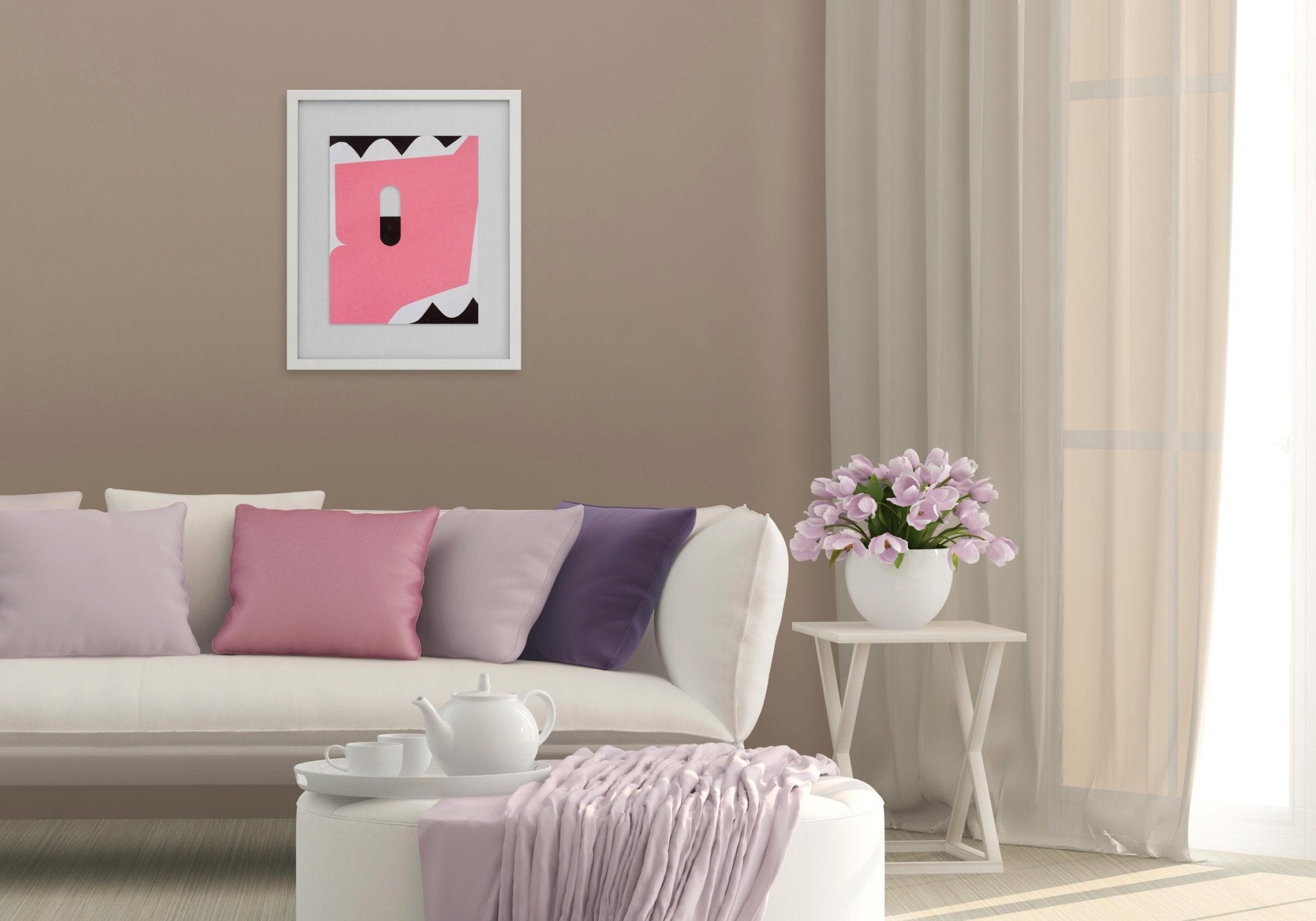
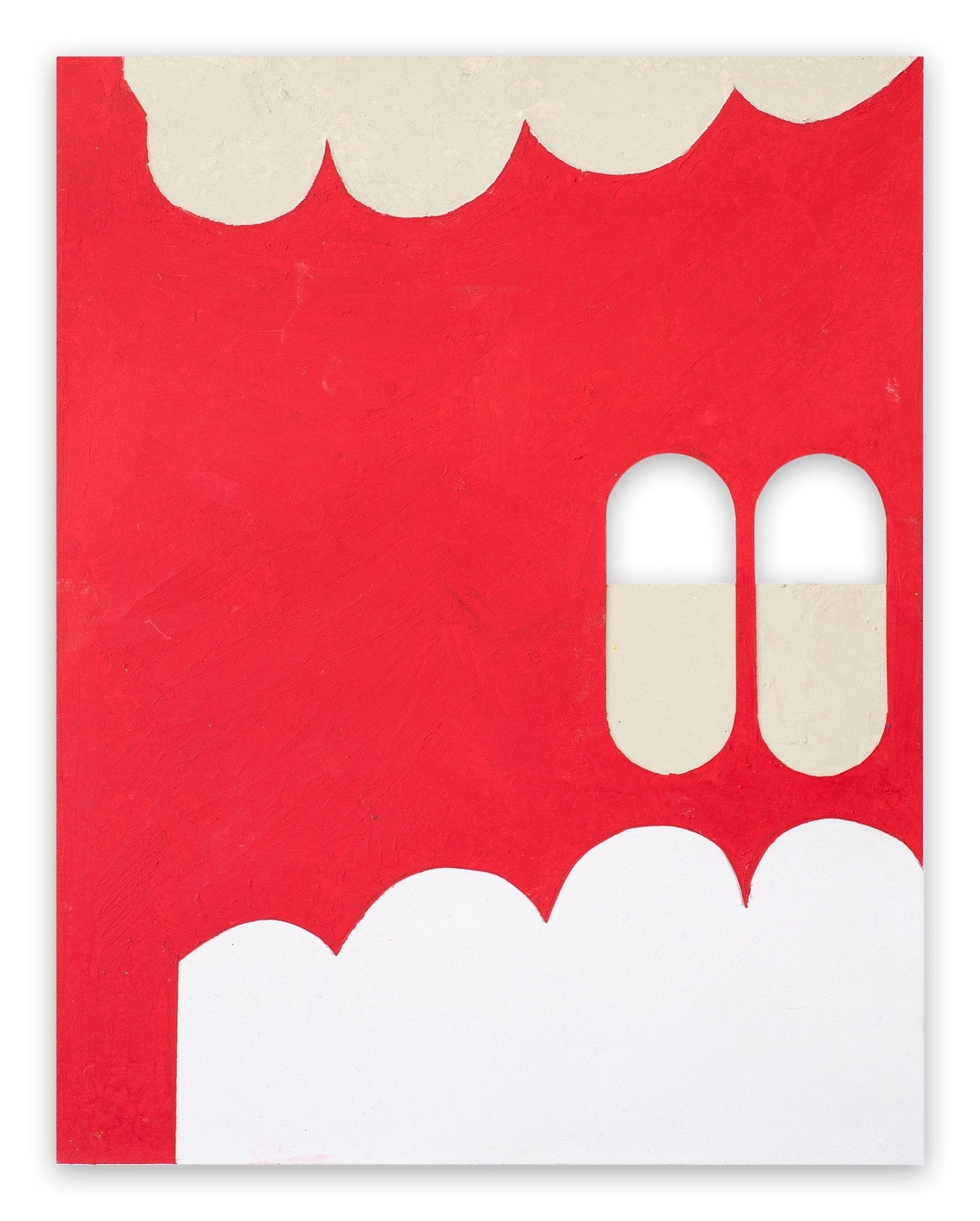
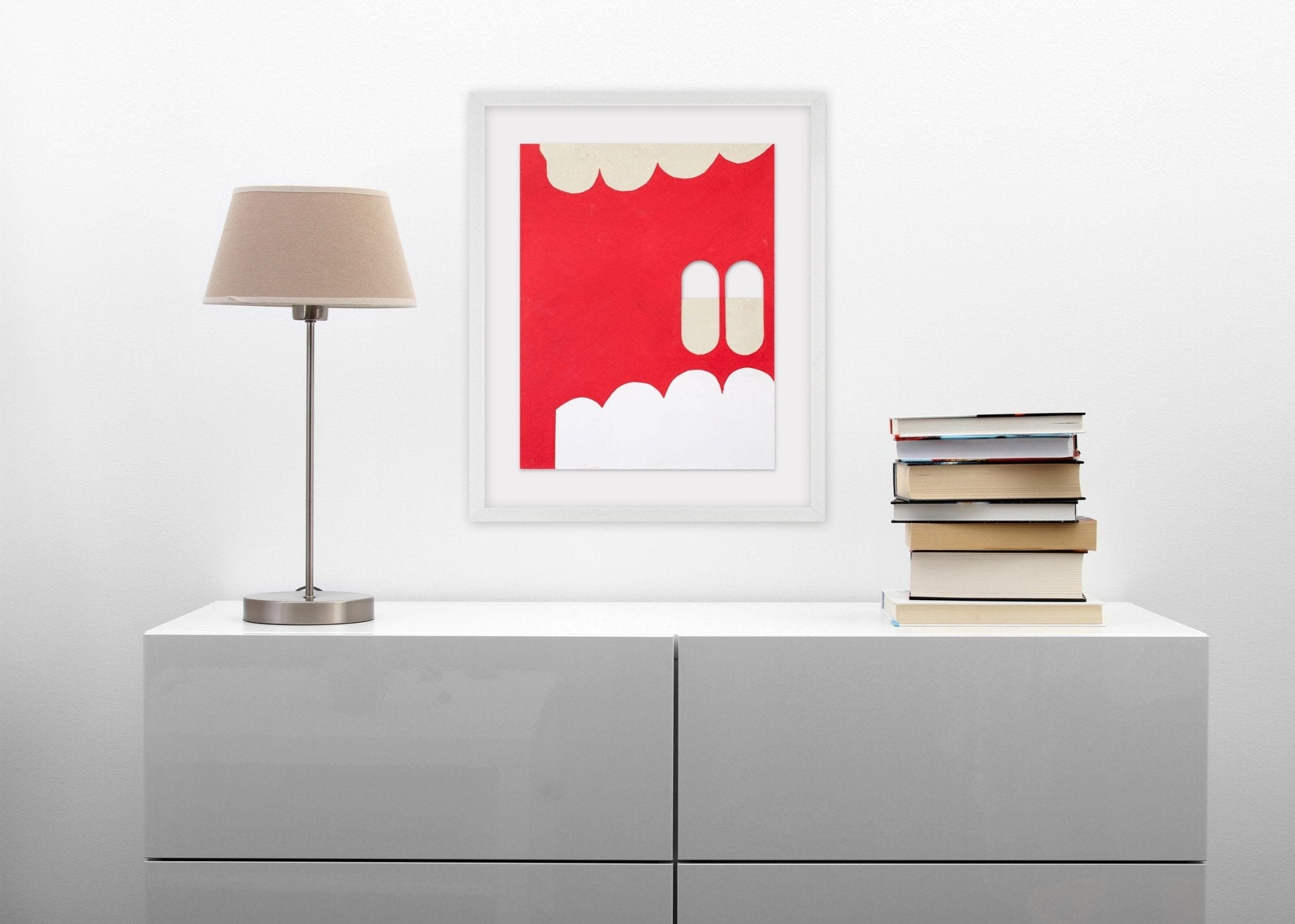
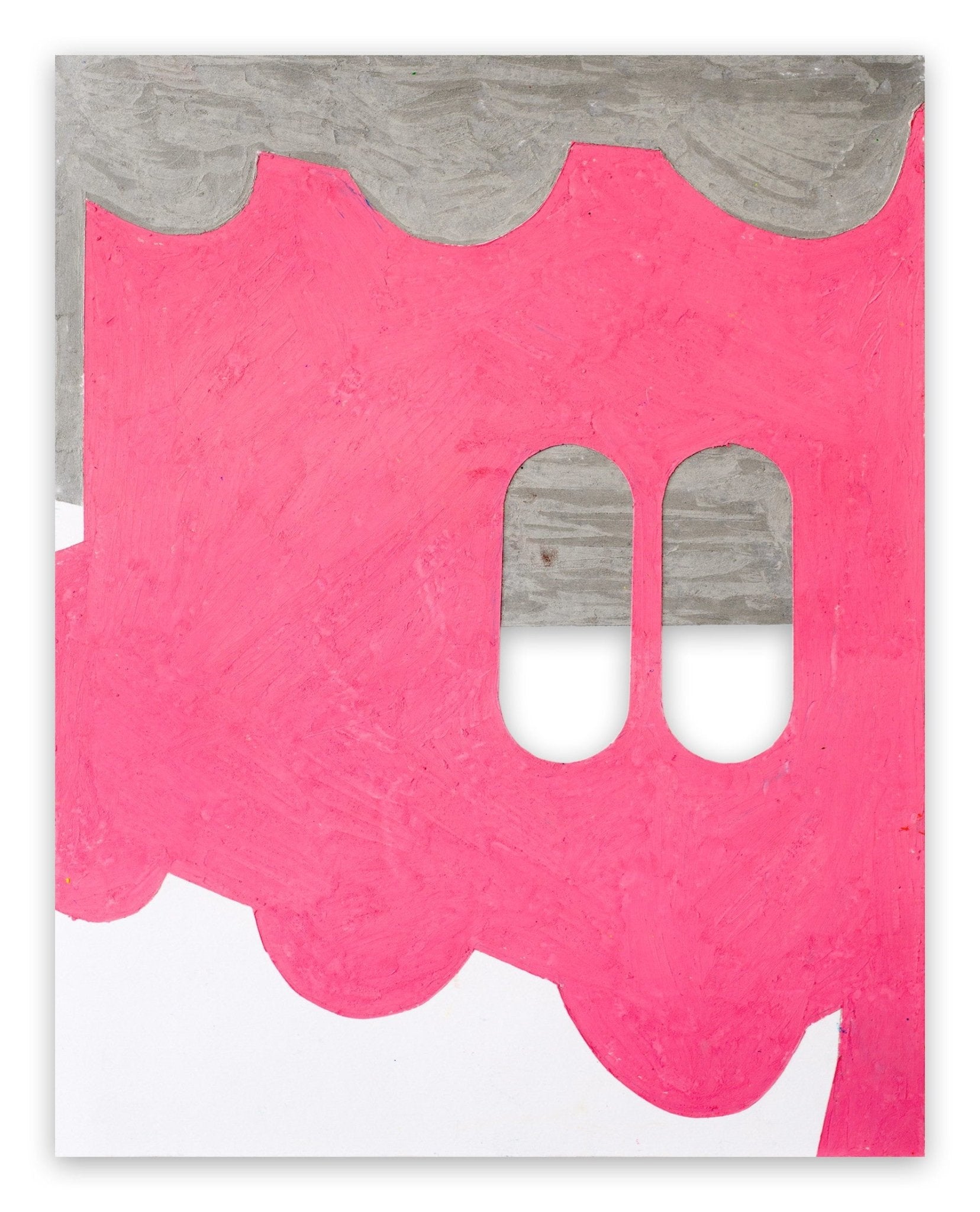
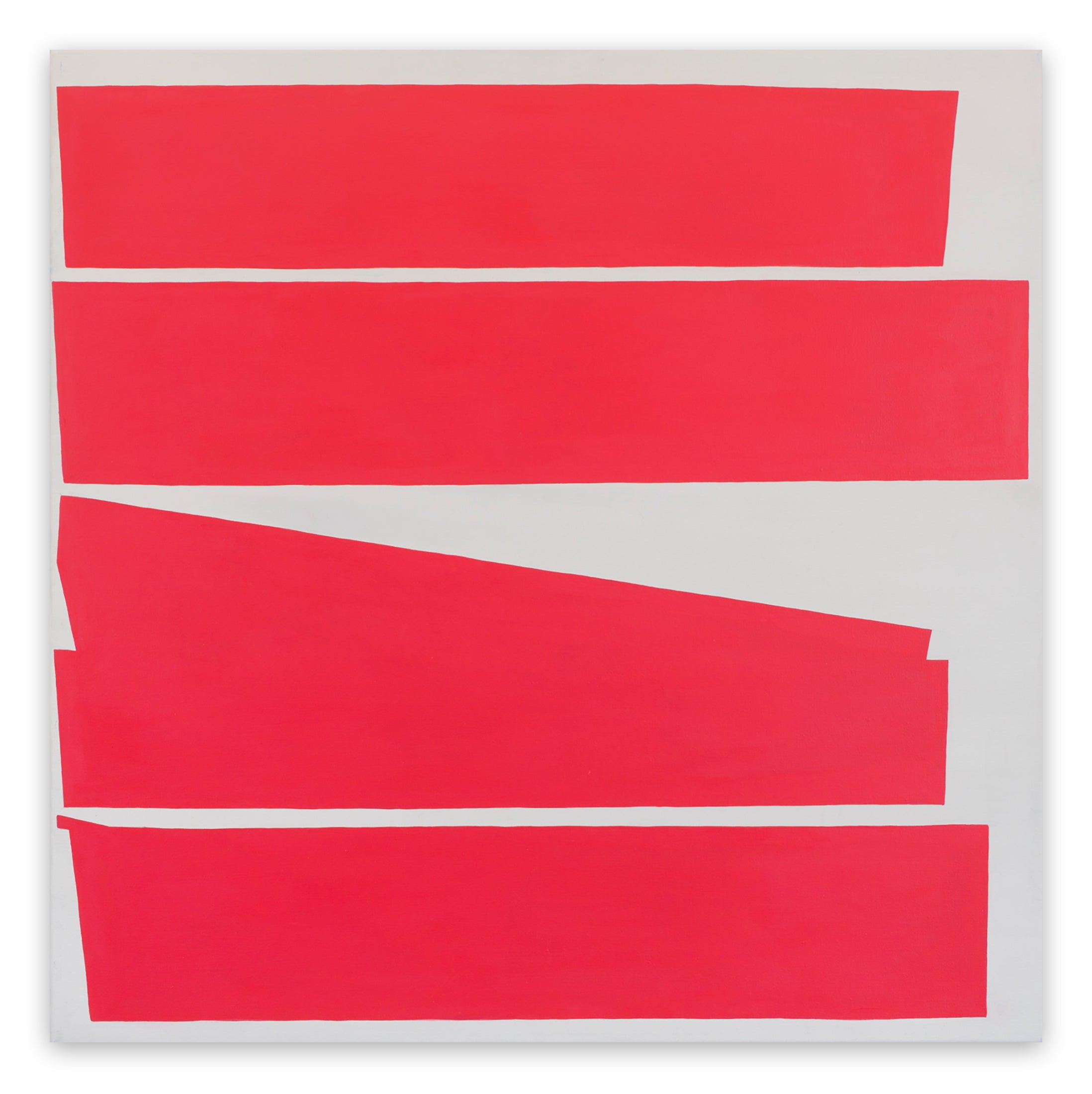
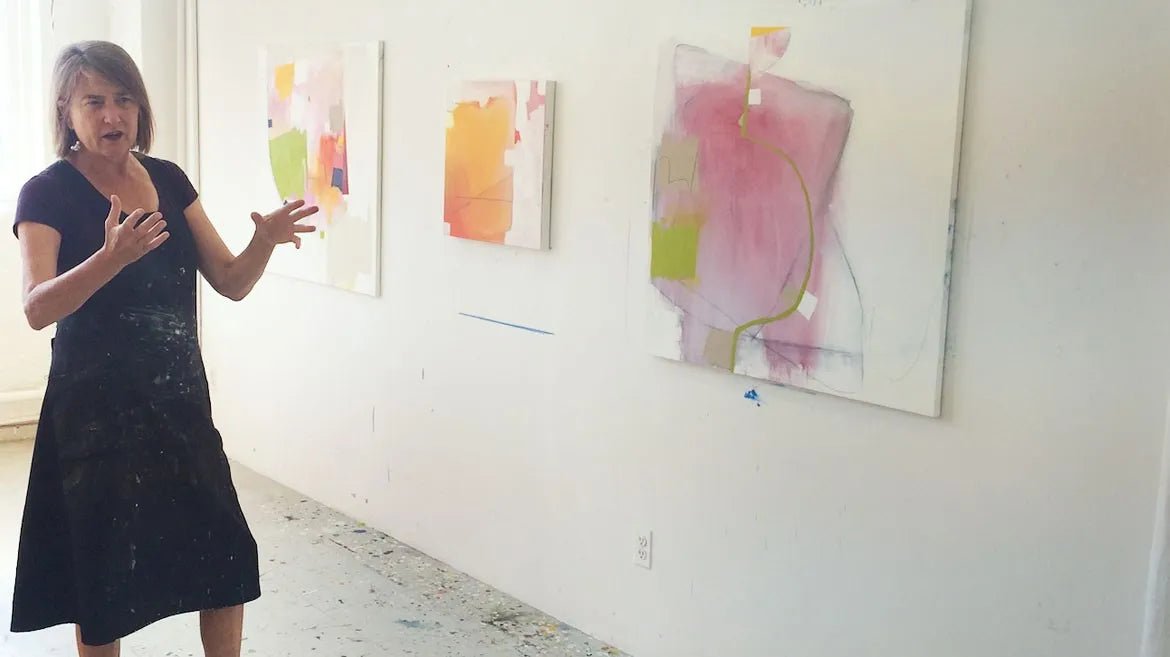
Ulla Pedersen: The Danish artist describes her own practice as a "concrete exploration of color, materiality, form and balance". Her work fits the movement’s criteria for visual controllability, often using a "reductive" process to combine positive and negative elements into new configurations. By juxtaposing "form and non-form", she maintains the movement’s fascination with mathematical precision and the autonomy of the shape.
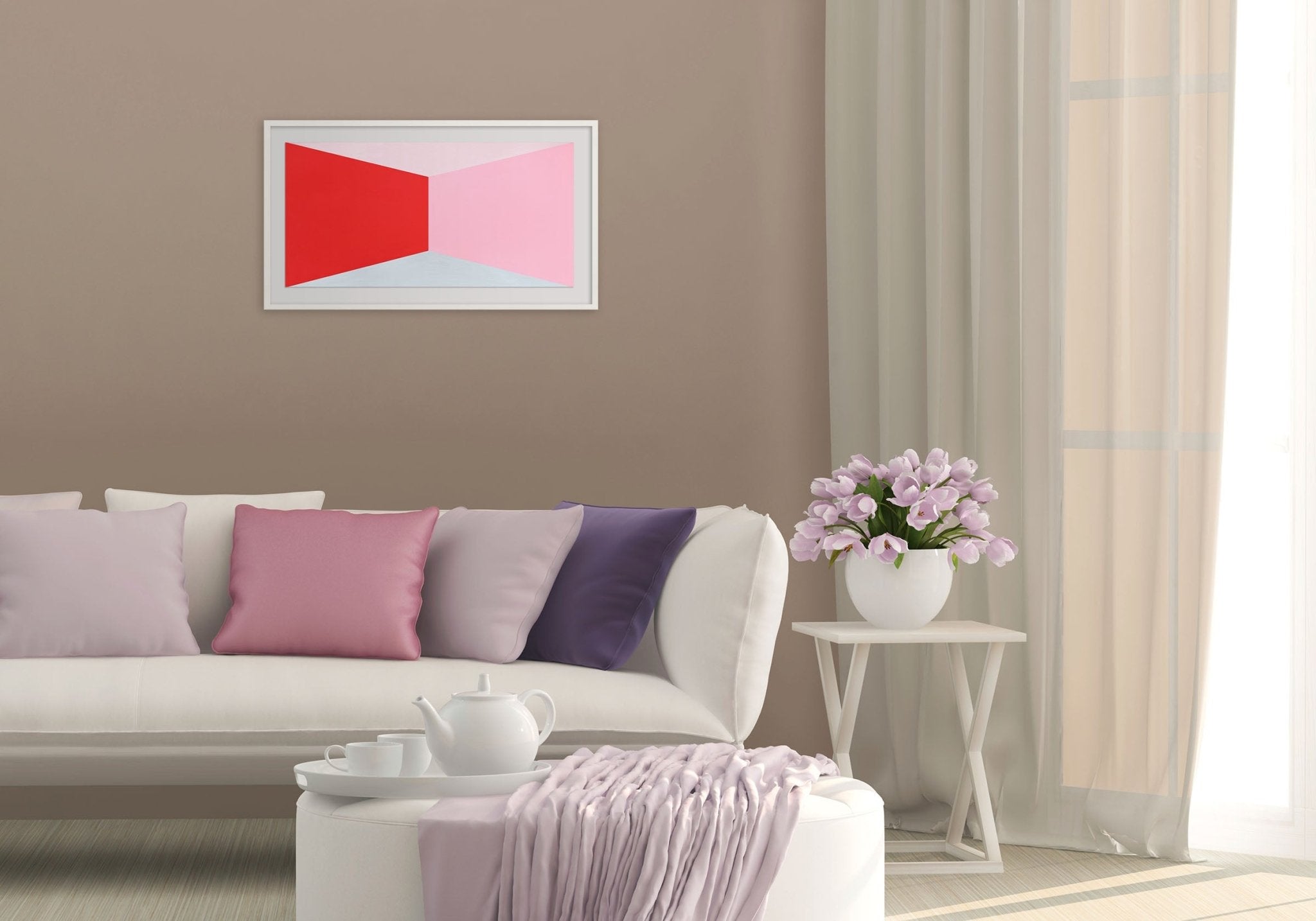
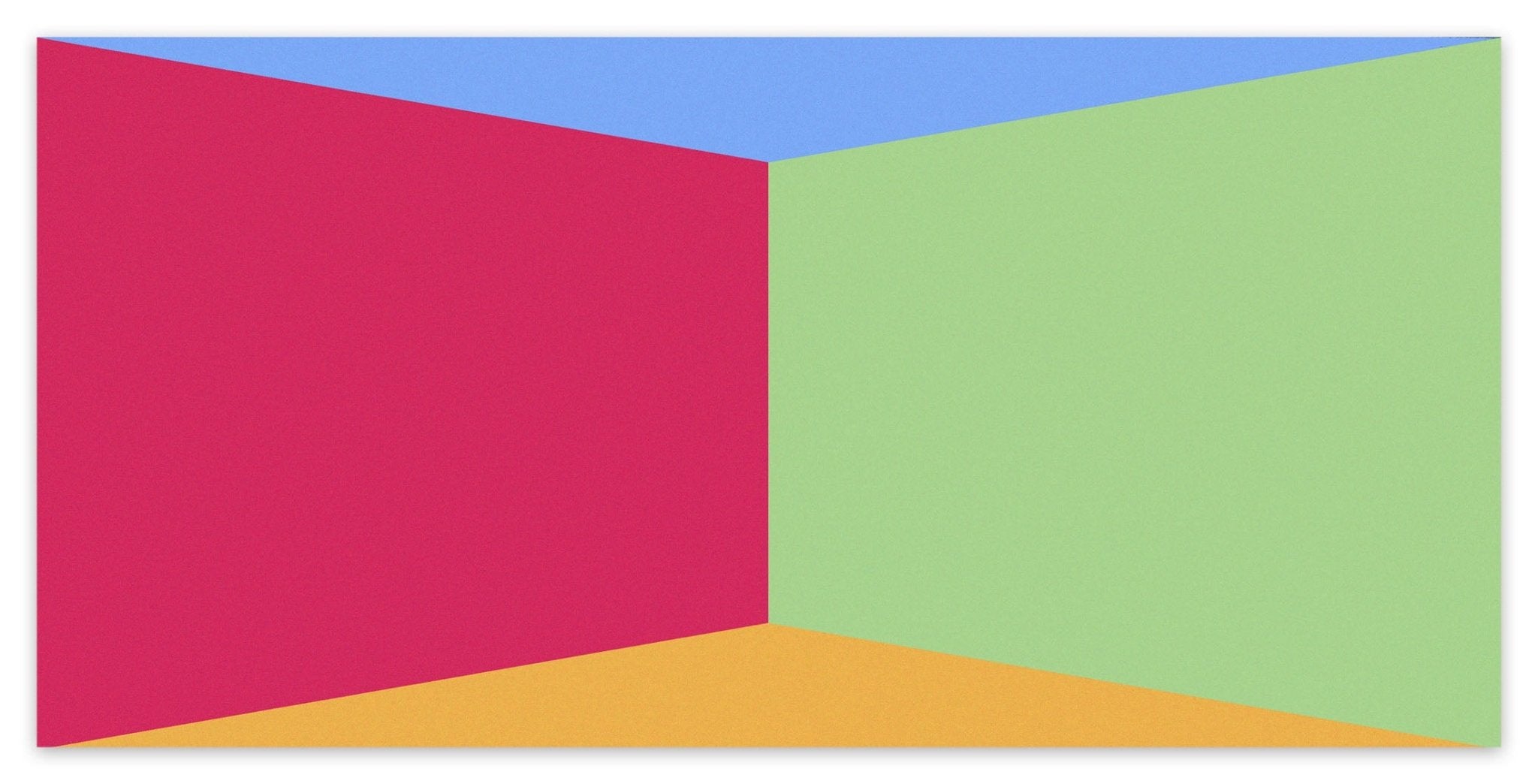
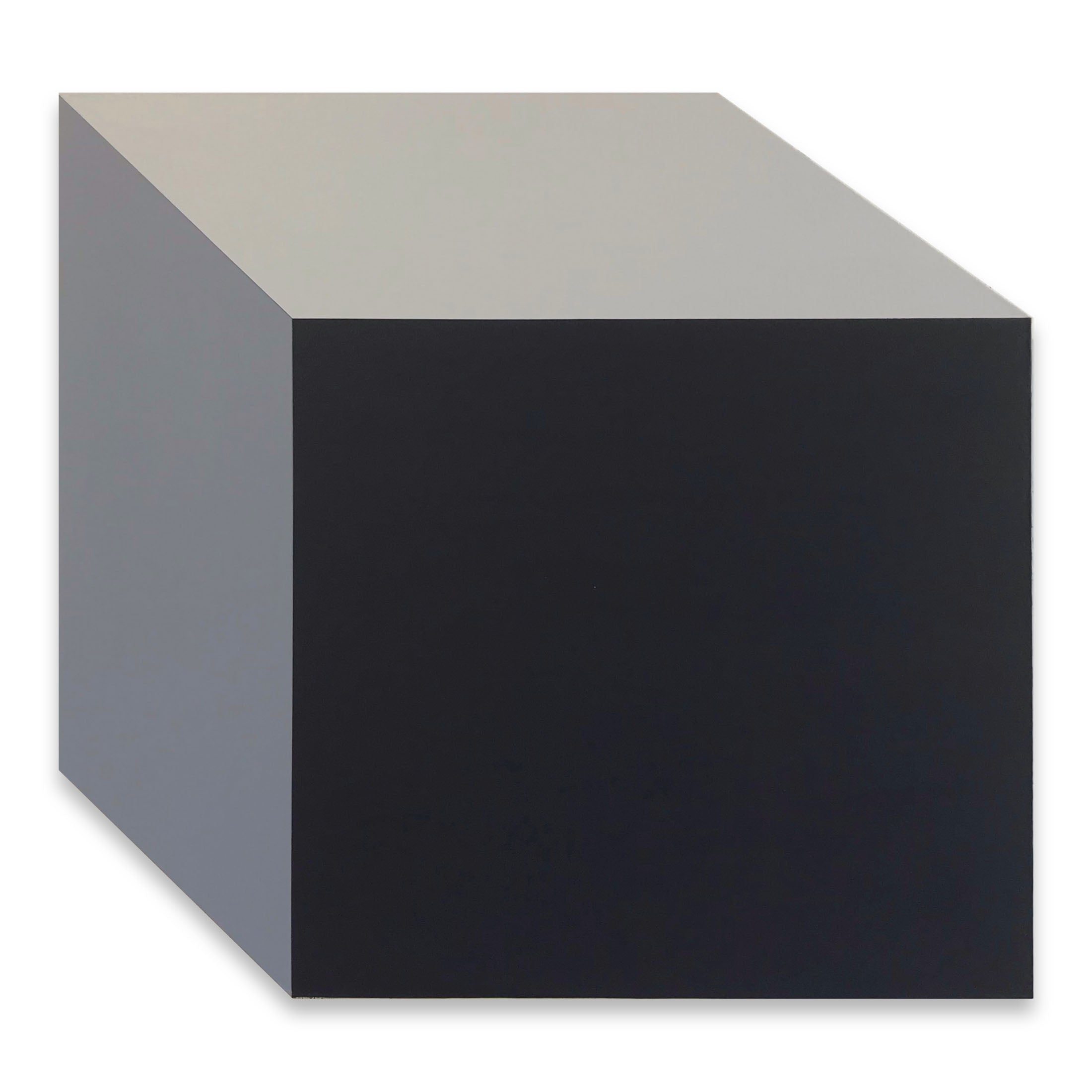
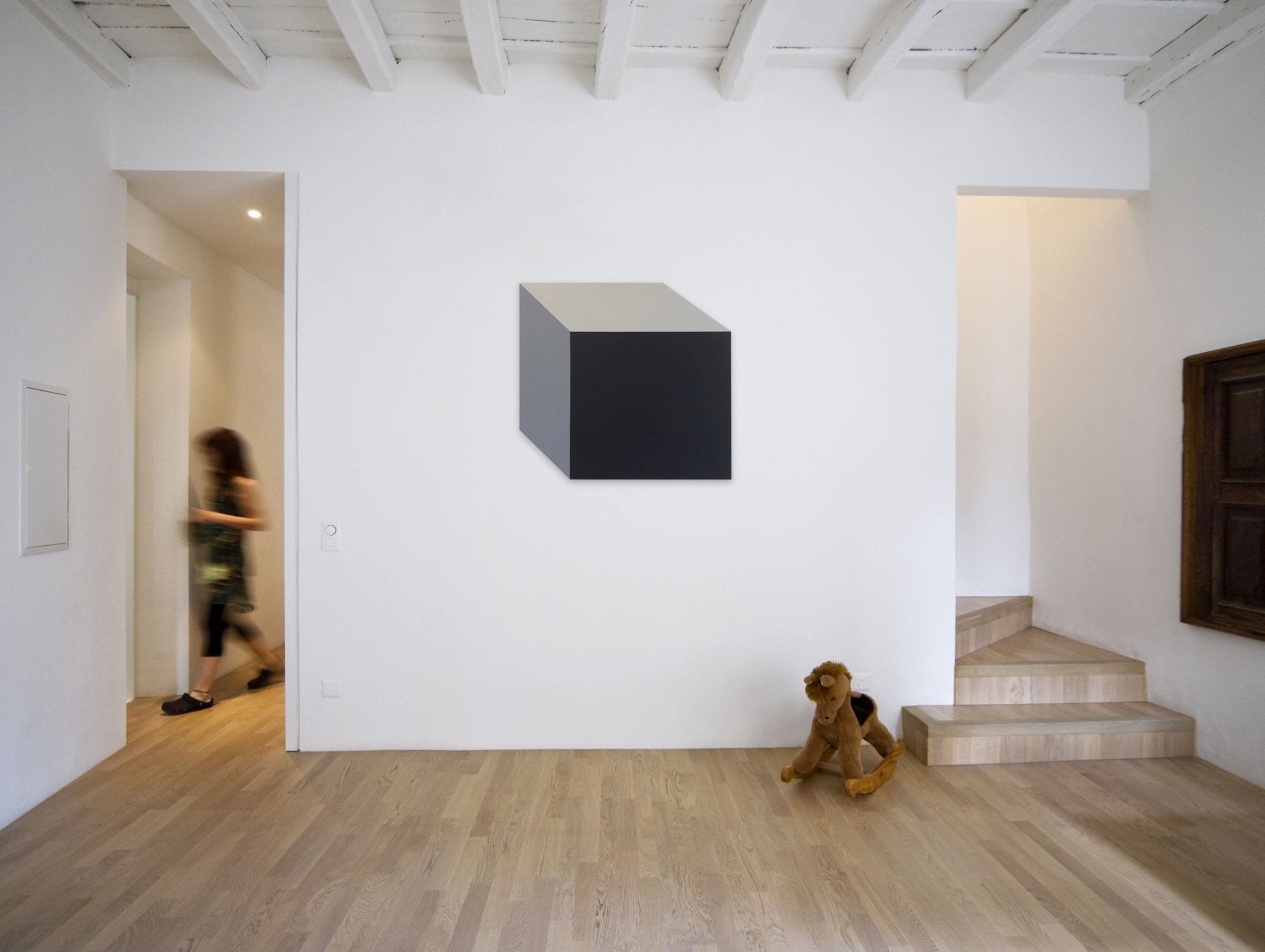
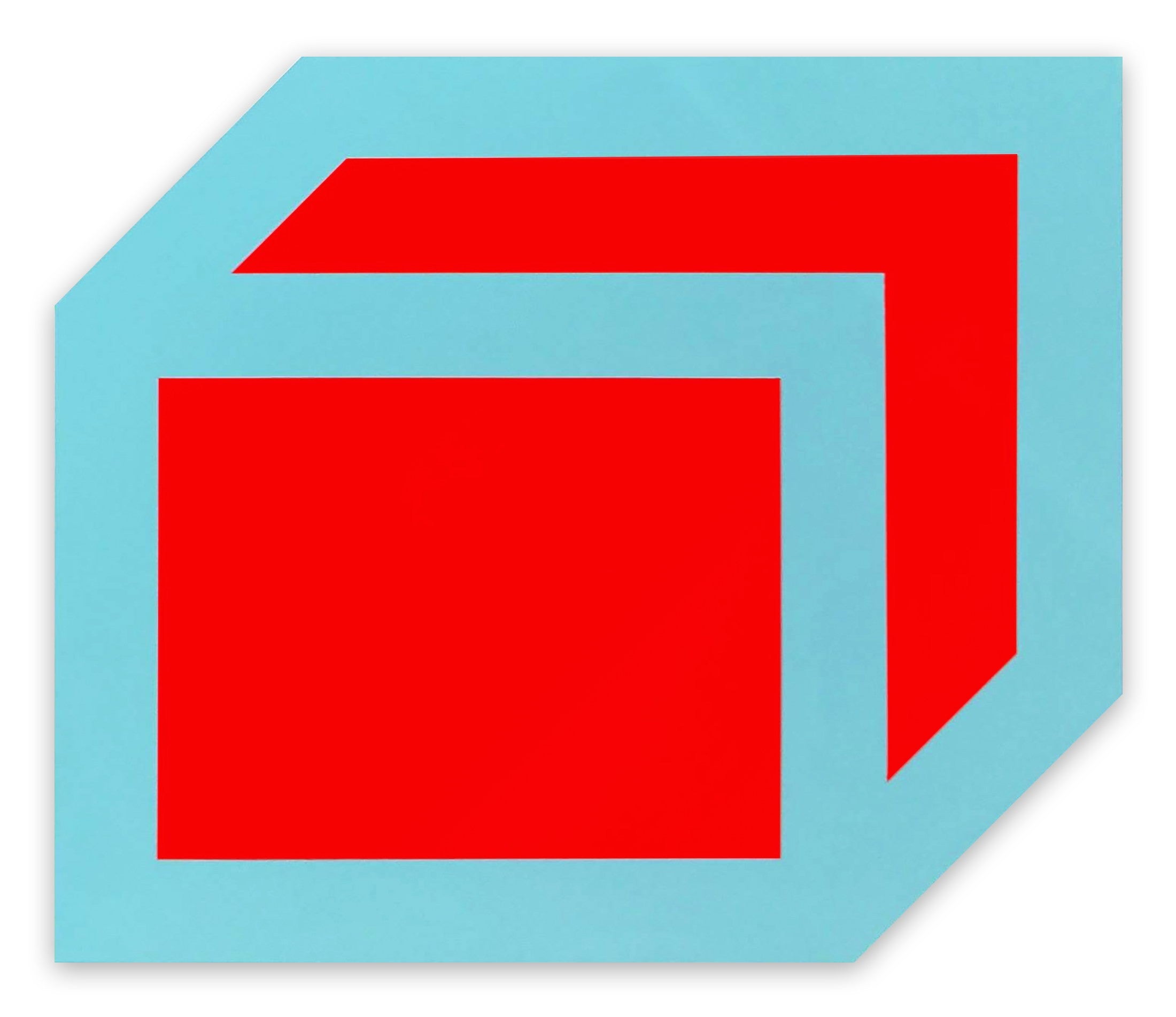
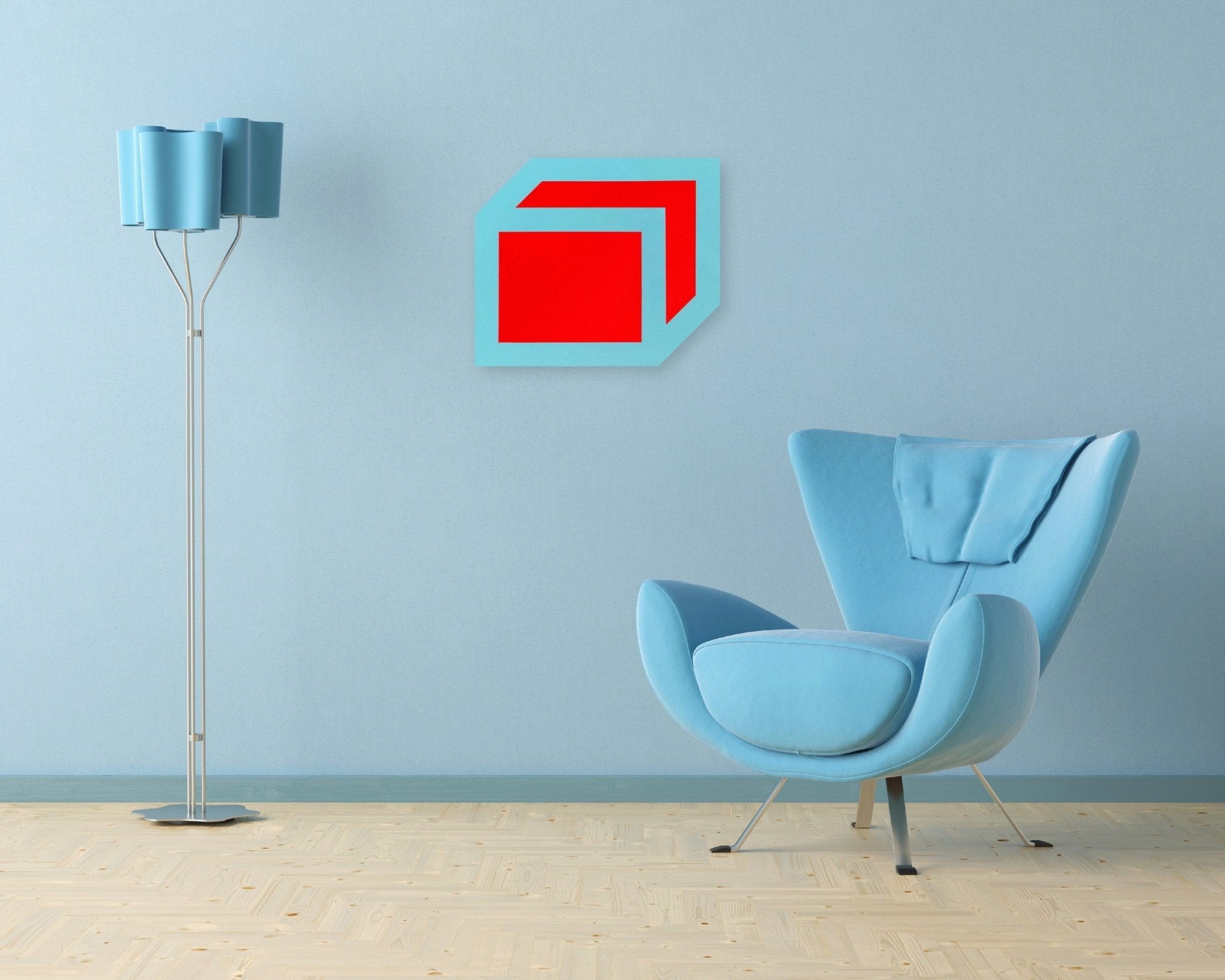
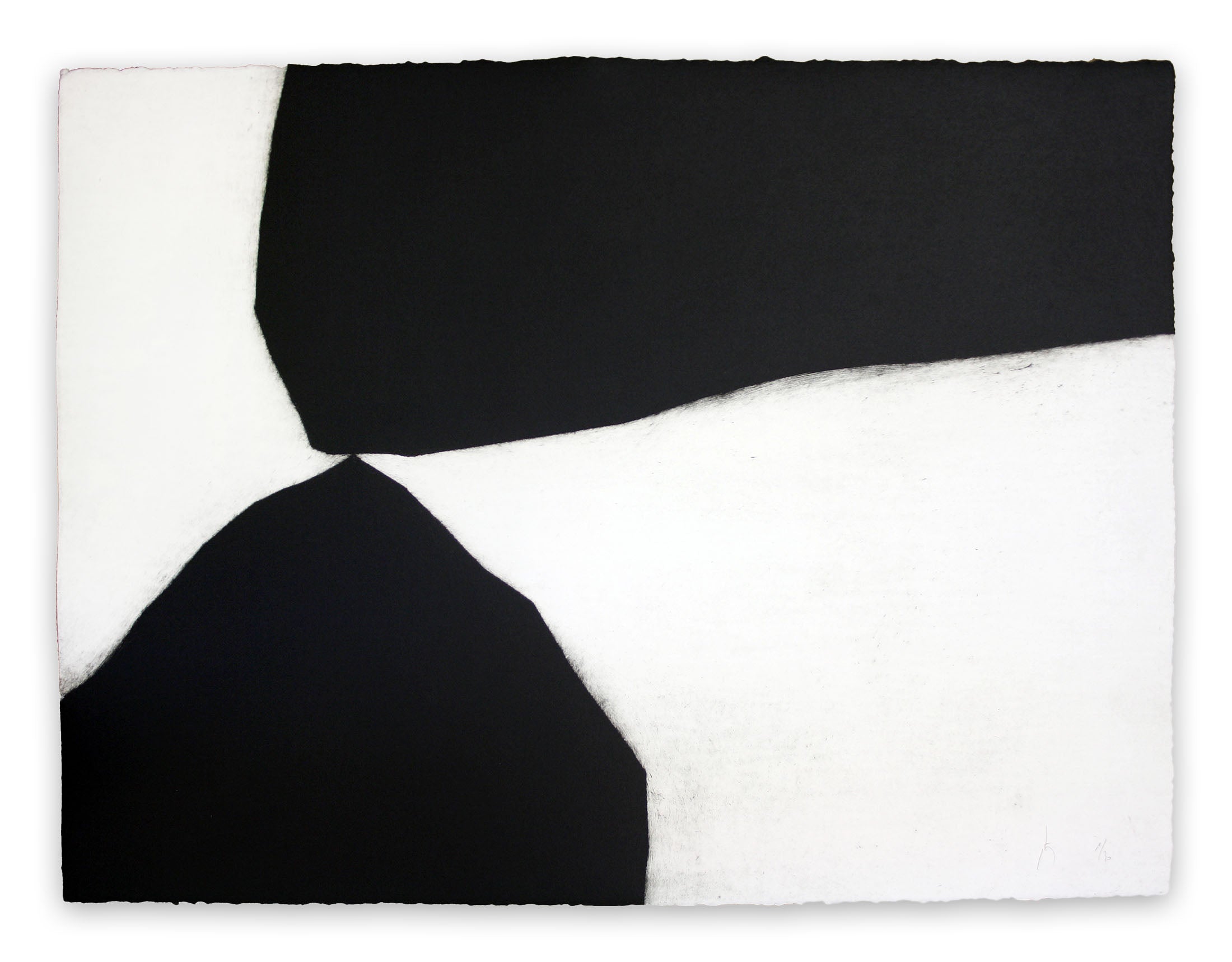
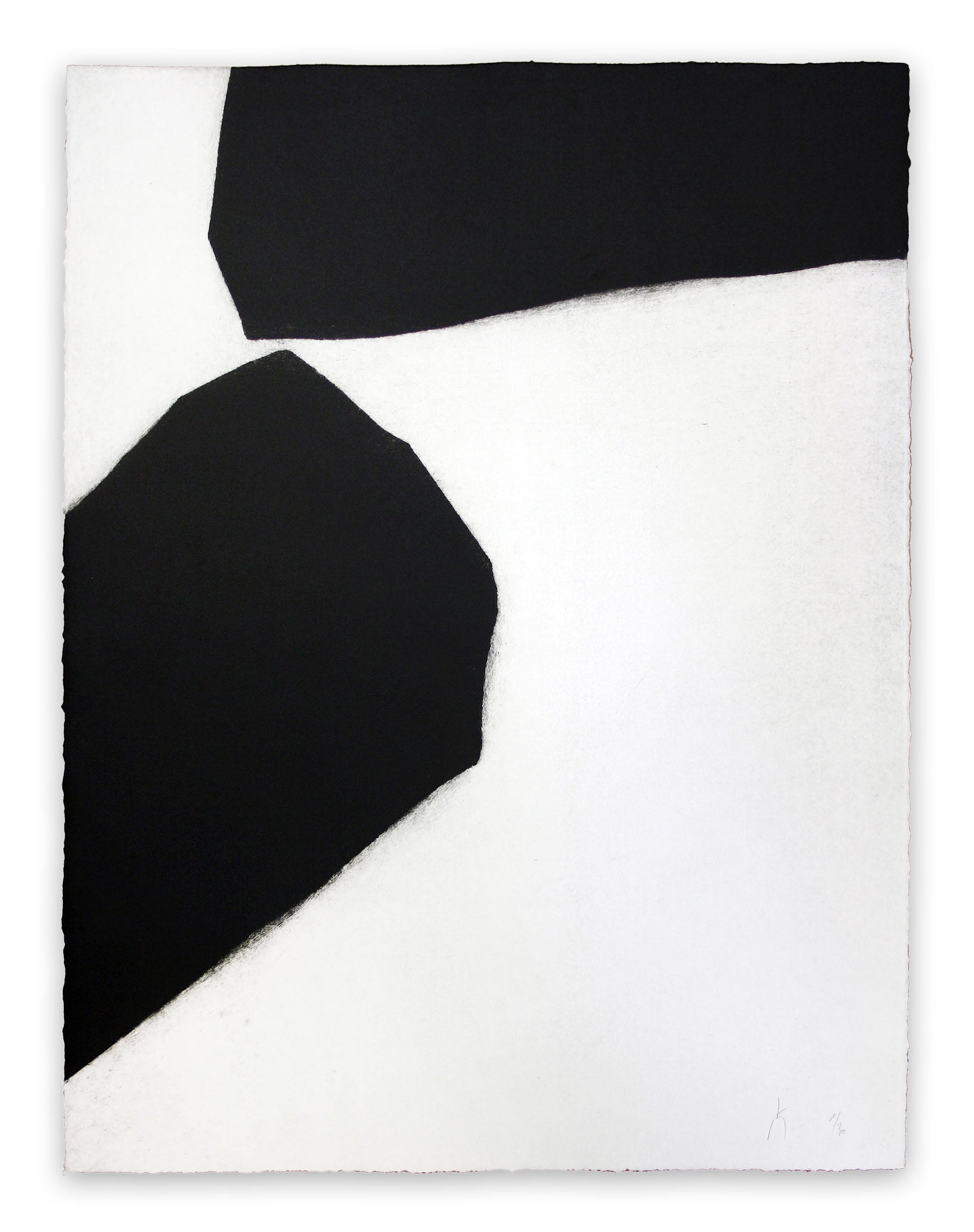
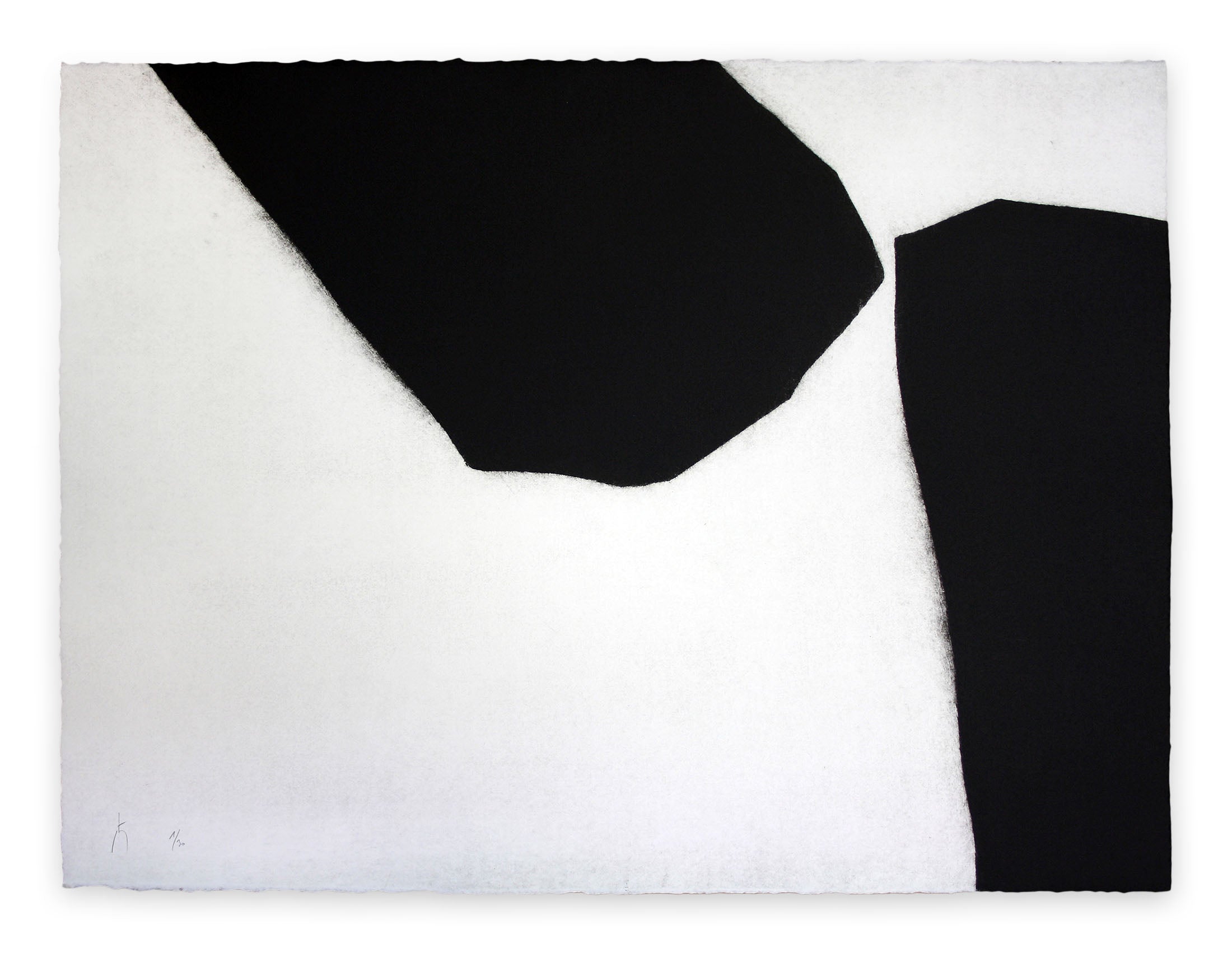
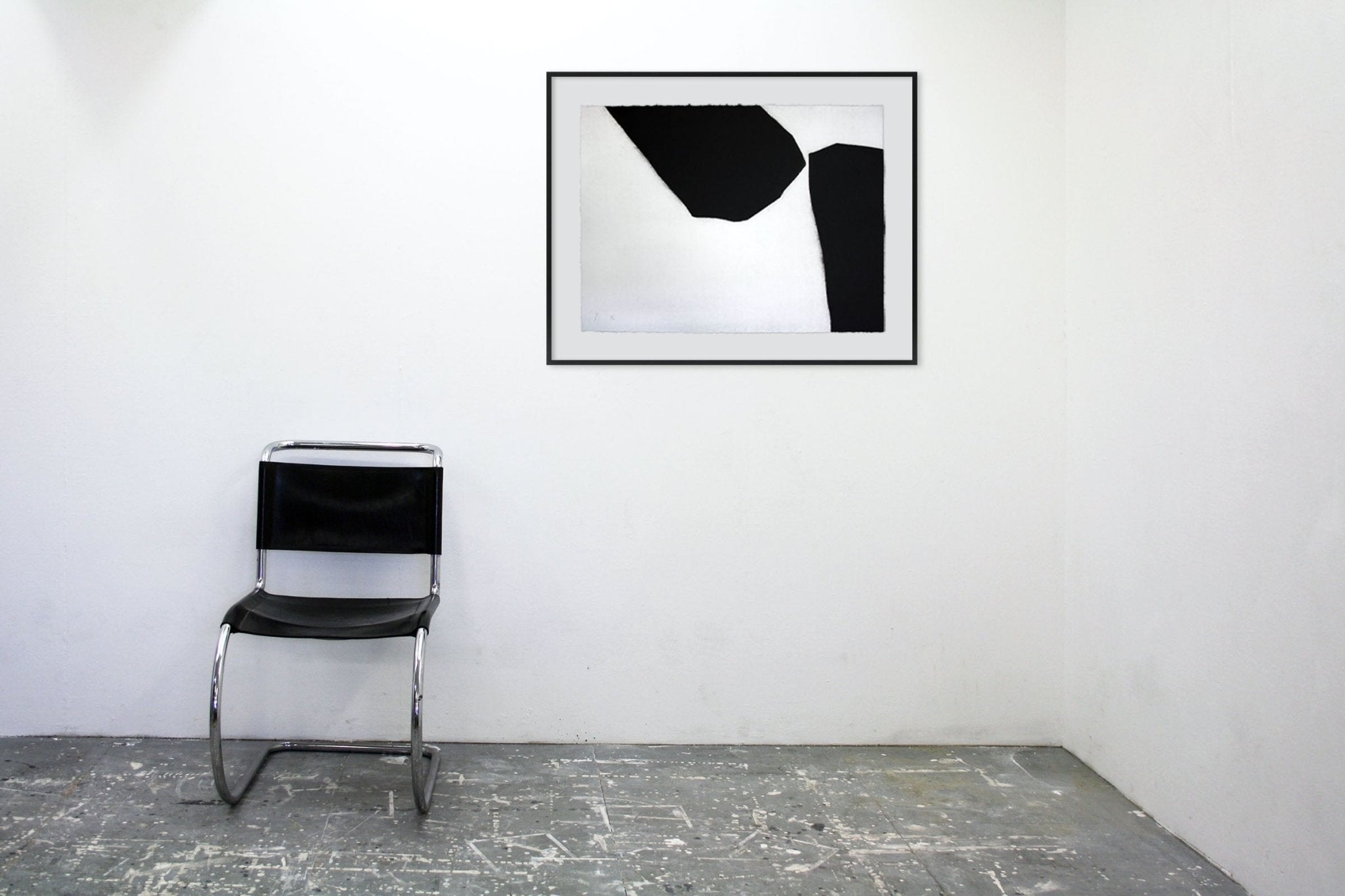
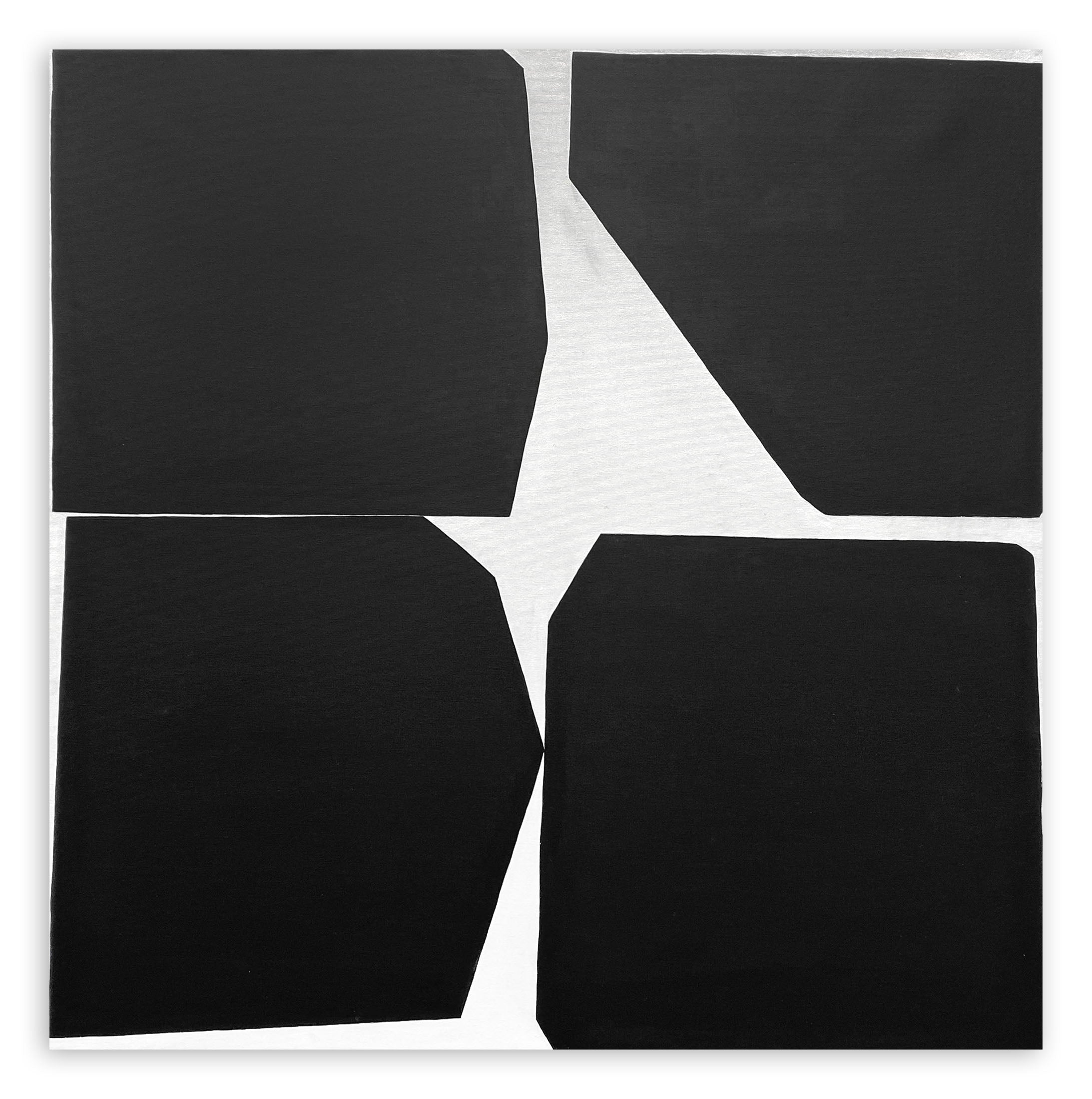
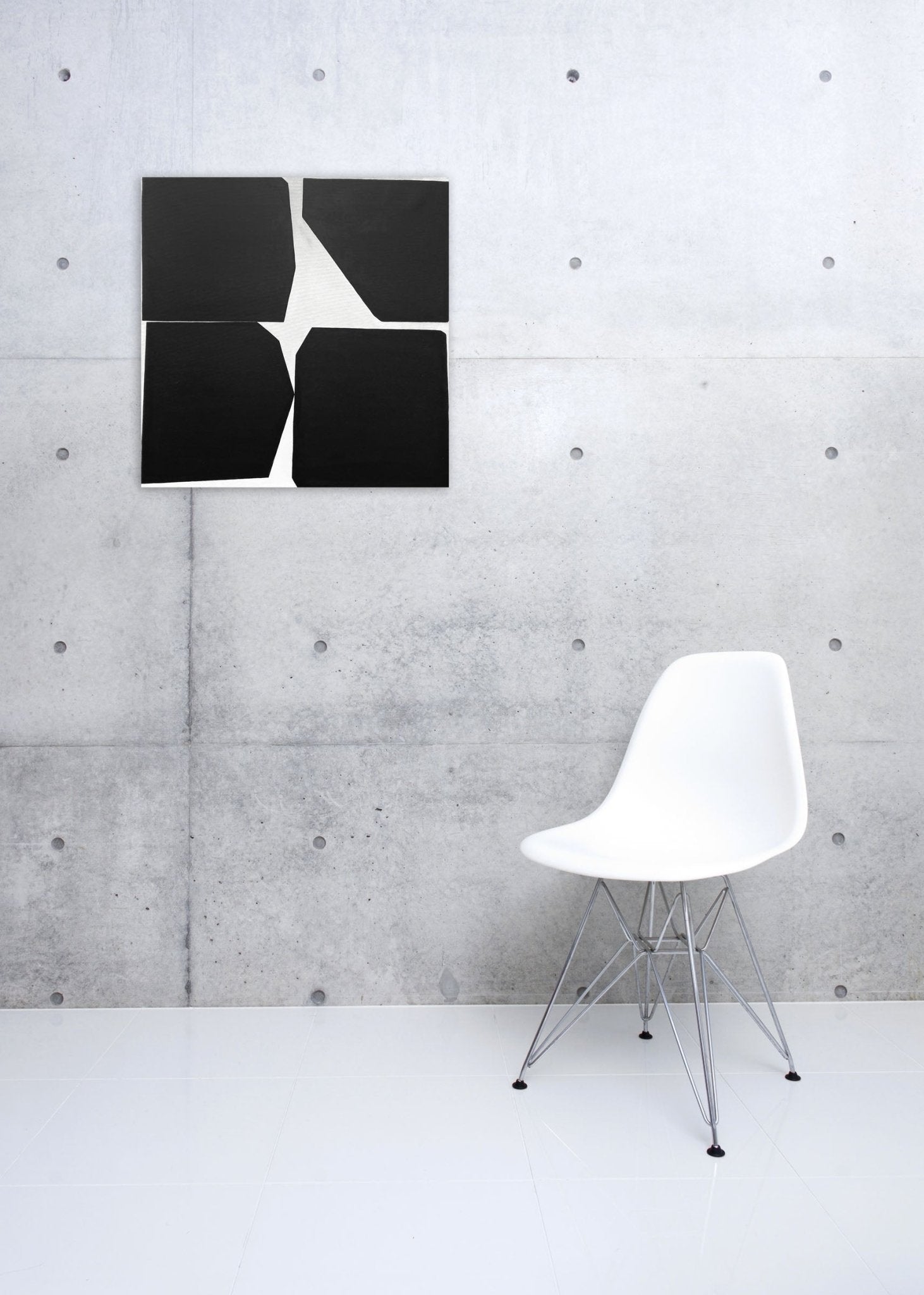
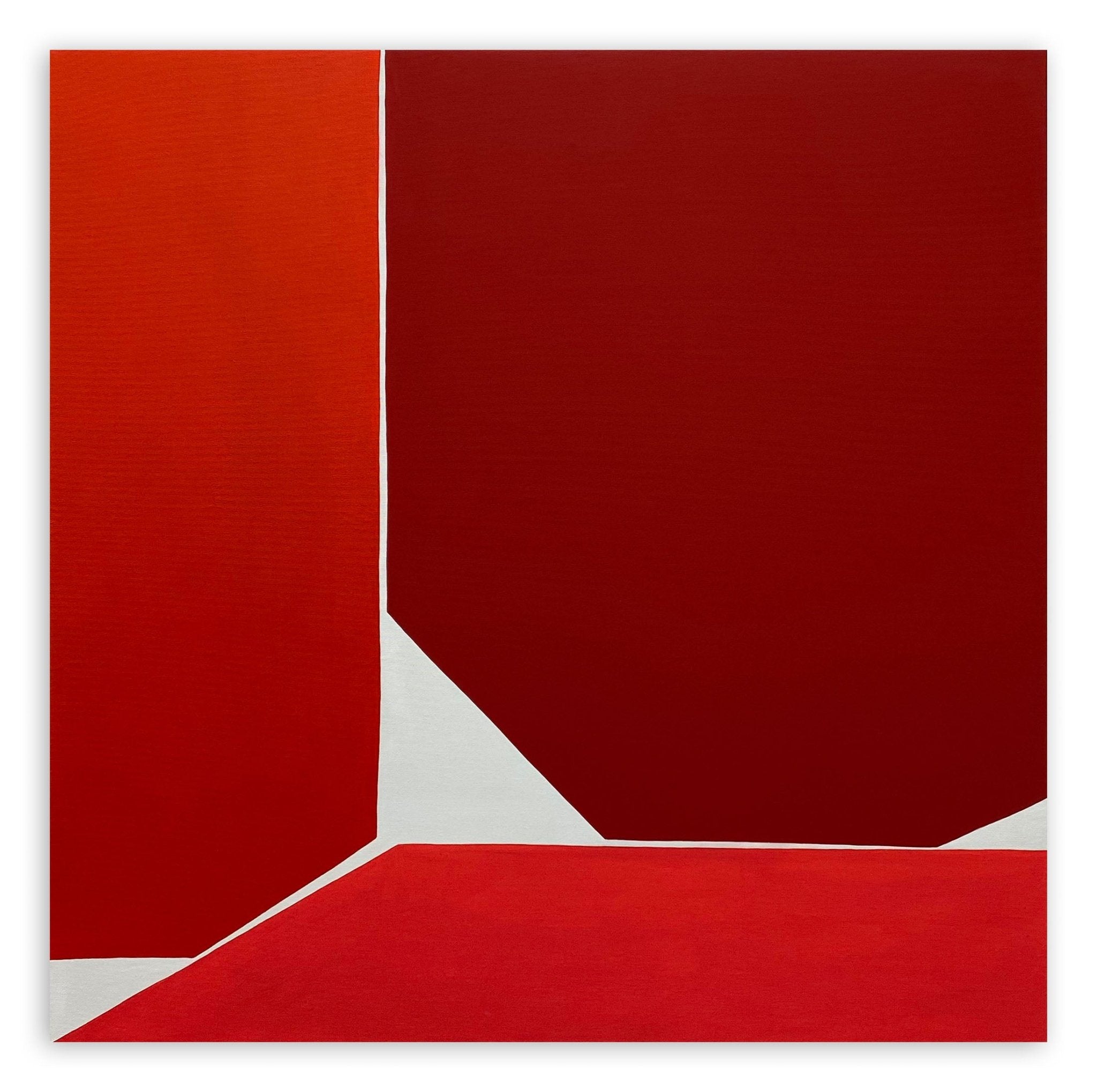
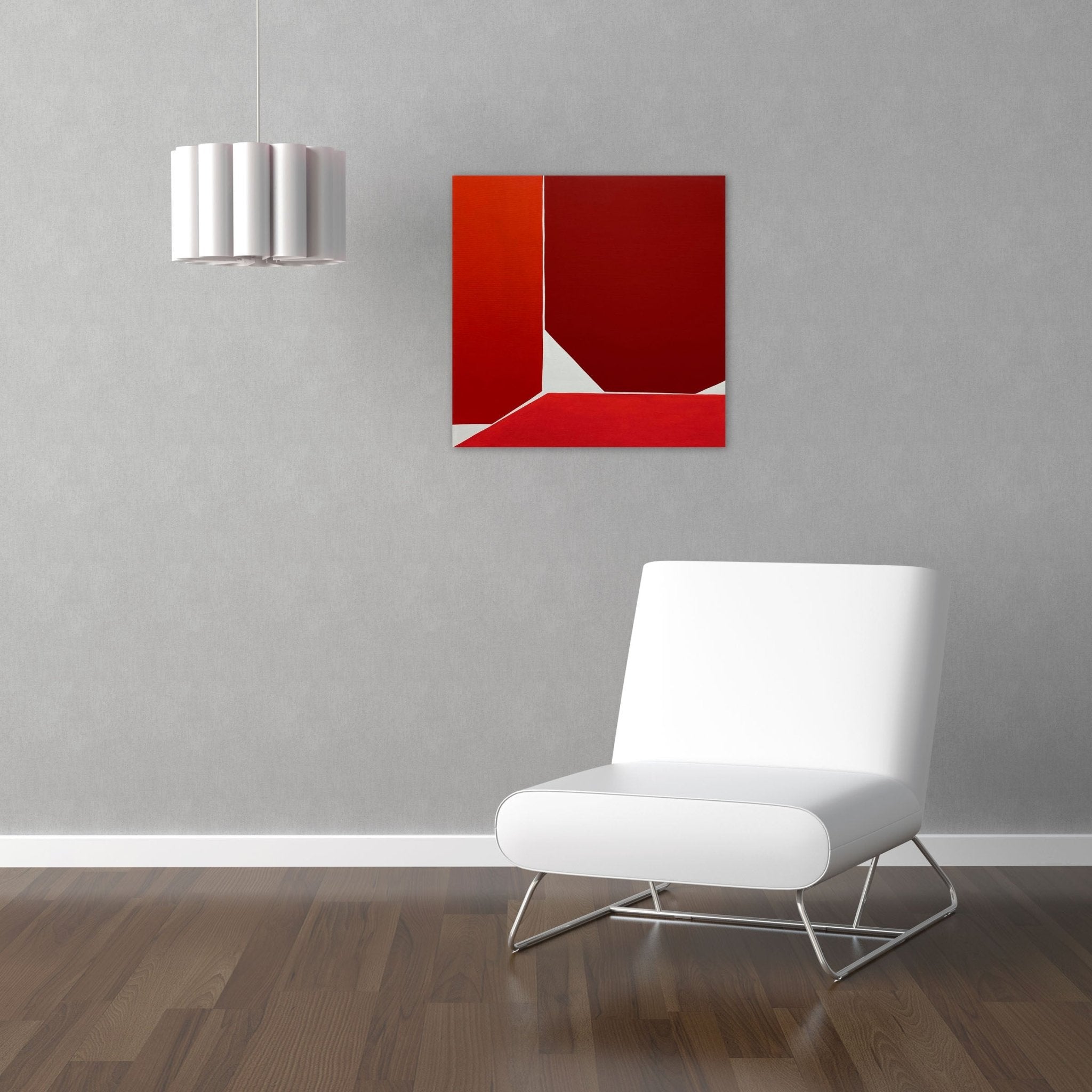
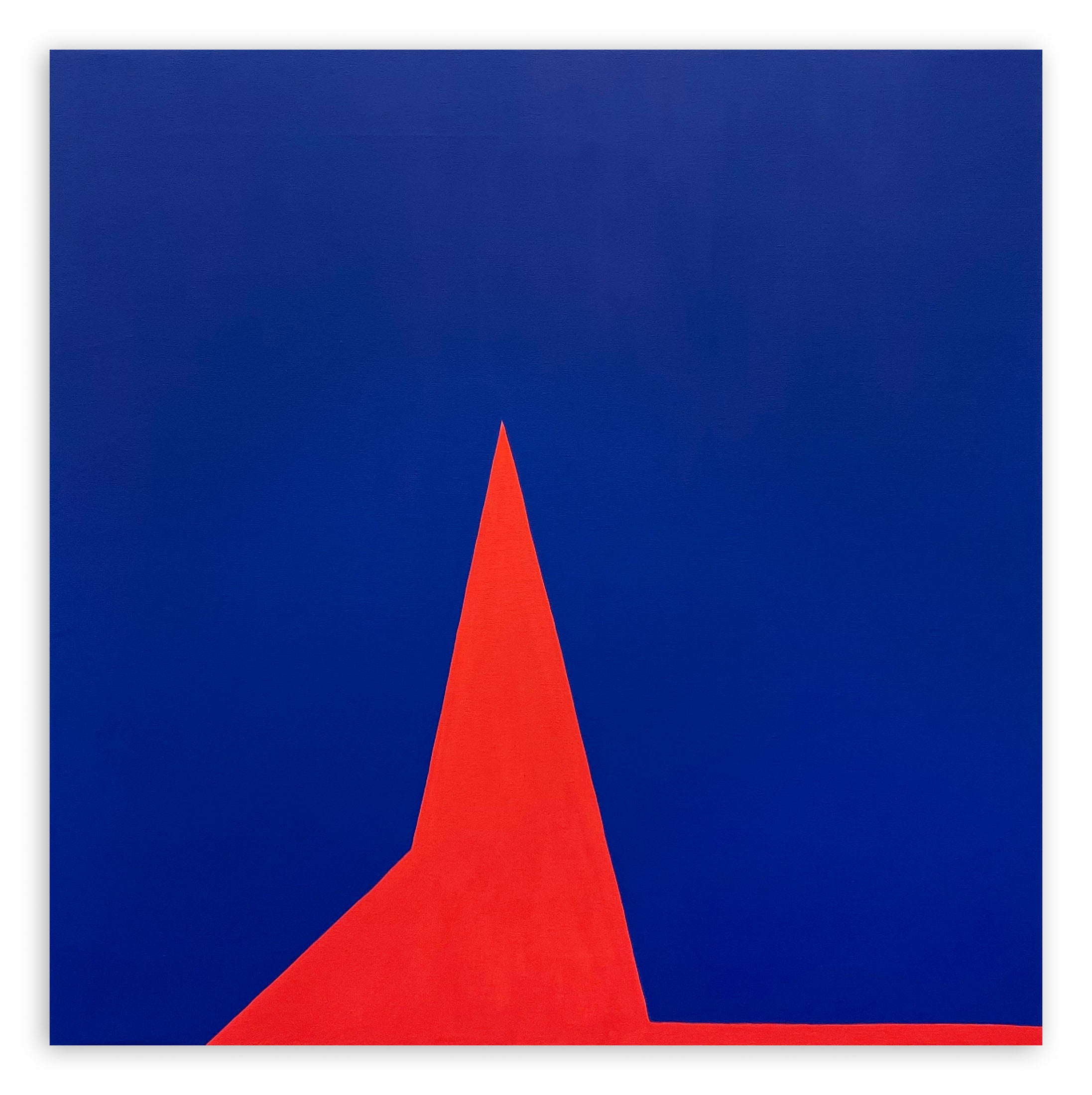
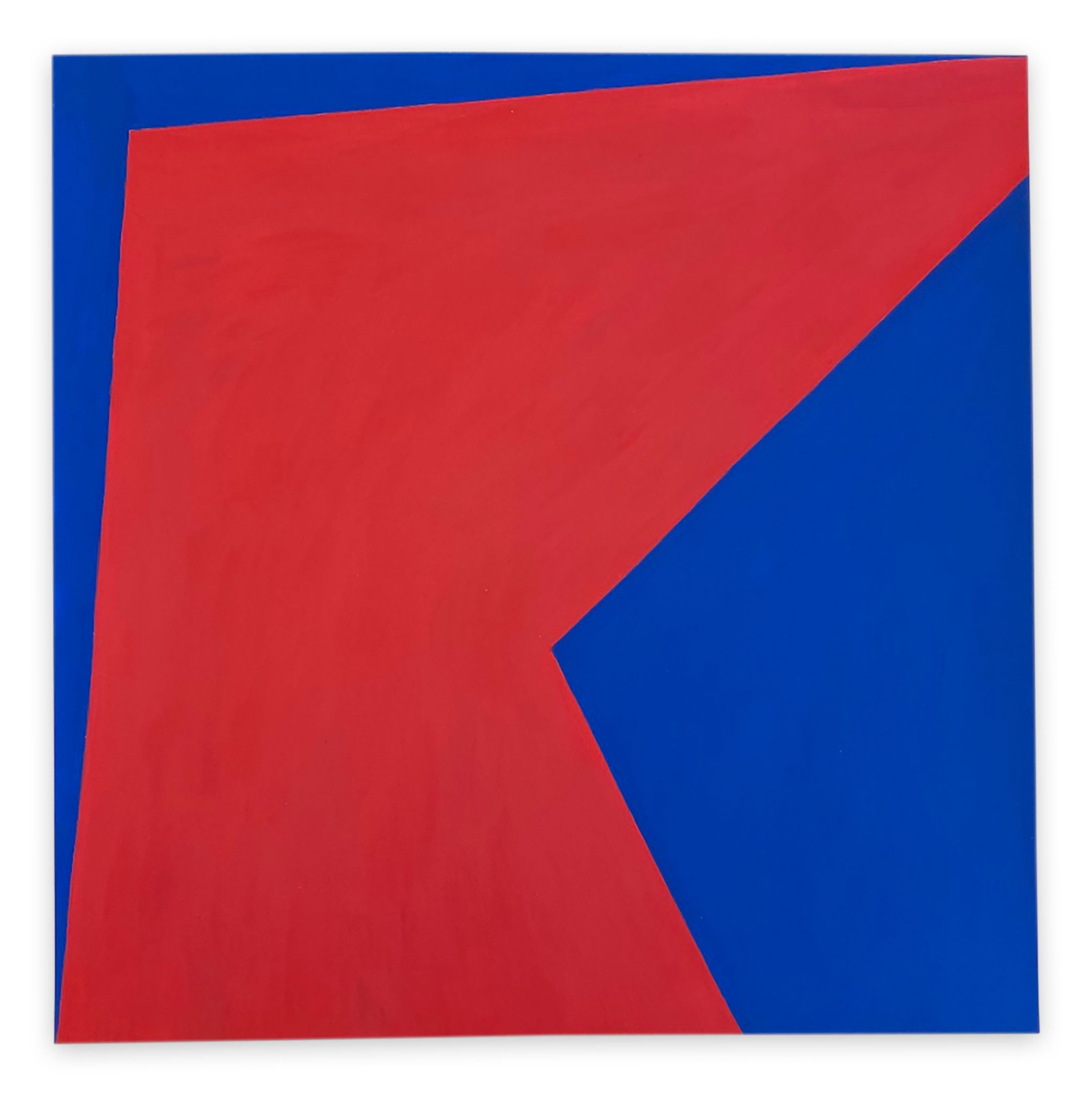
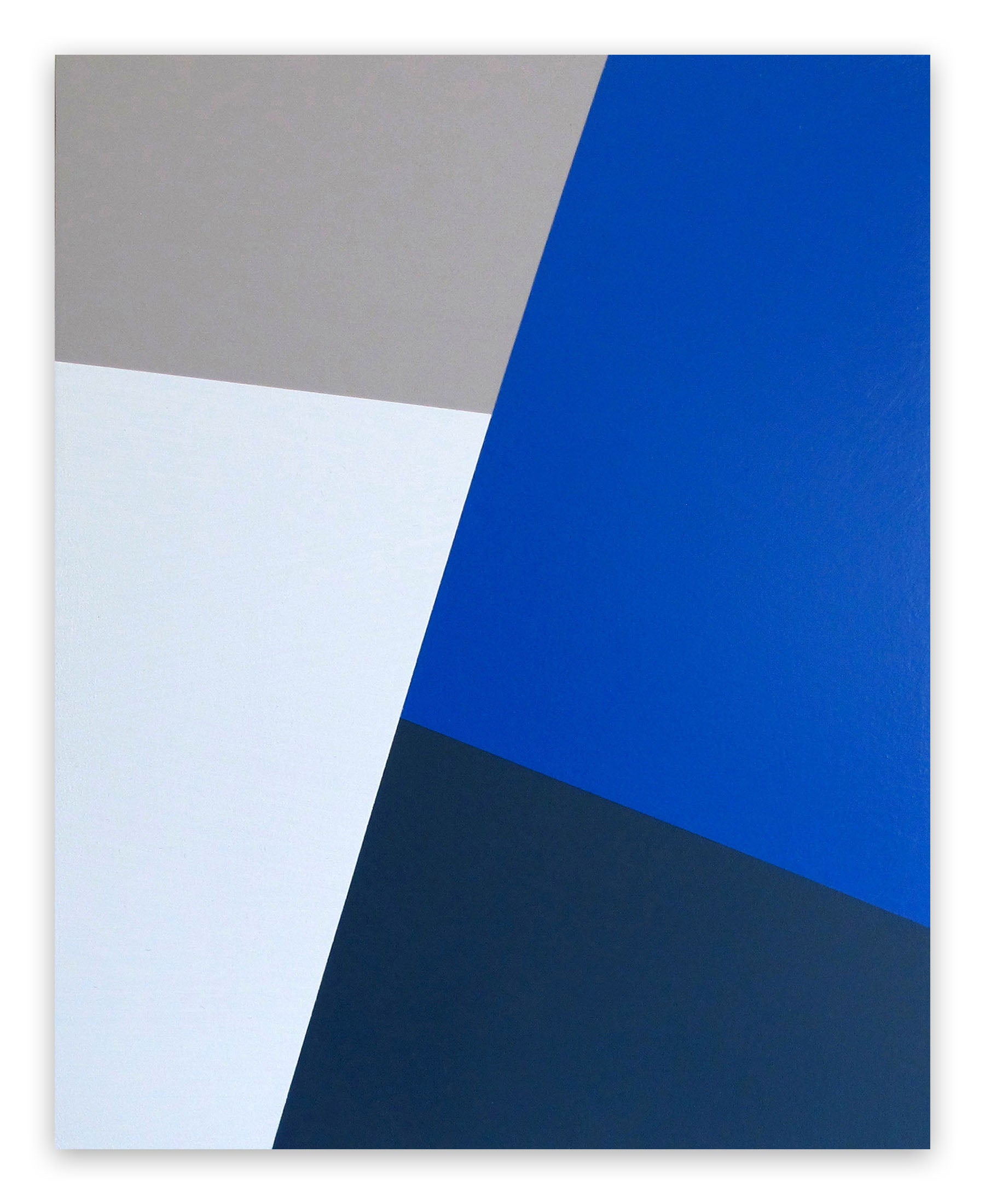
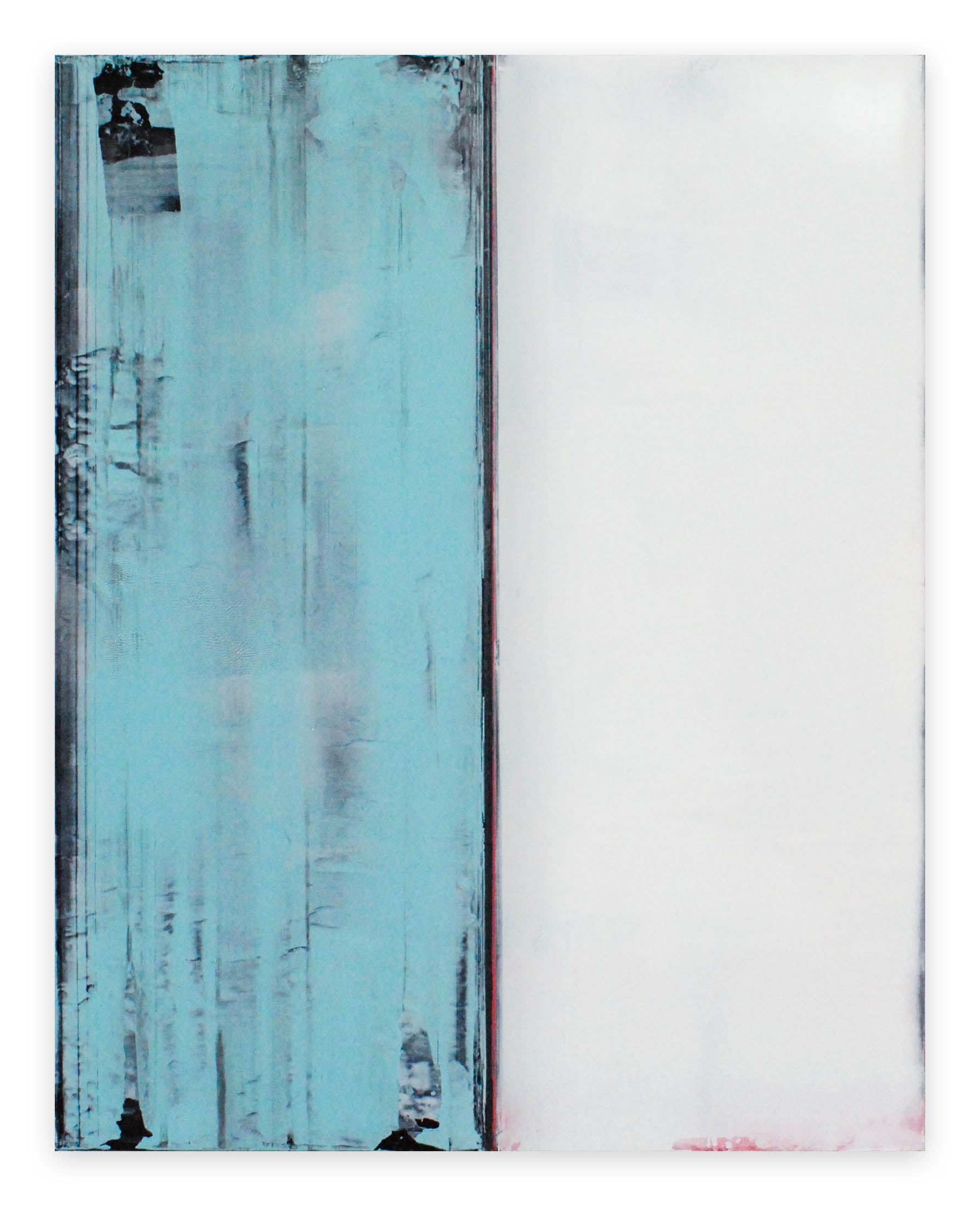
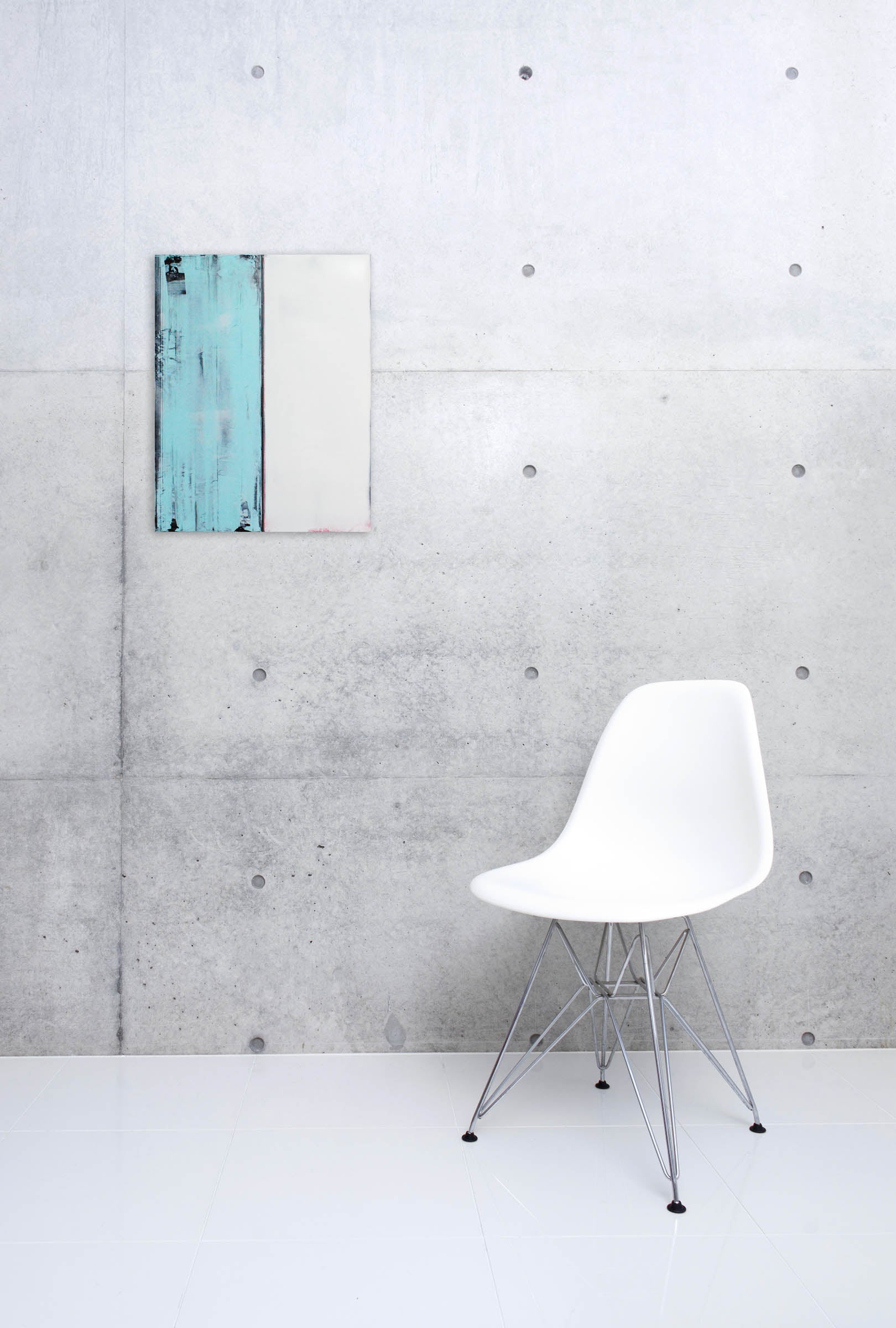
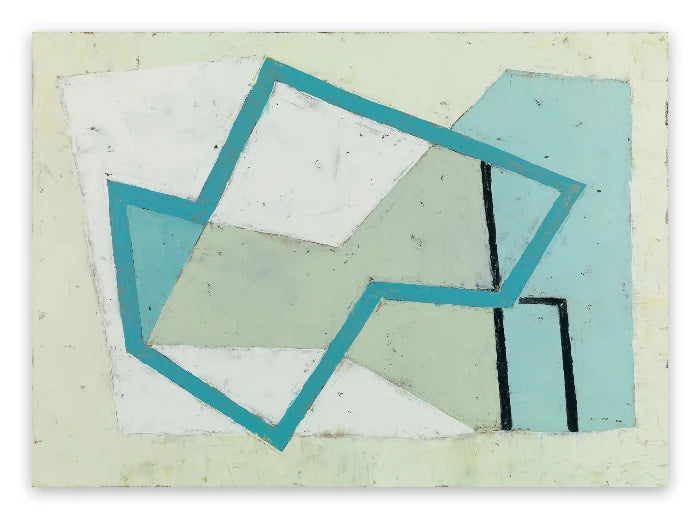
Brent Hallard: Hallard’s work on aluminum and paper embodies the "absolute clarity" Van Doesburg sought. His monochromatic and semi-monochromatic images of geometric forms reject narrative in favor of precision and exactitude. His focus on minimalist iconography creates a direct, unmediated visual experience that refers only to itself.

Arvid Boecker, left to right: #1744 (2025), #1691 (2024) and #1740 (2025)
Pierre Muckensturm: While originally a figurative painter, Muckensturm shifted to abstraction to capture a sense of "calmness and constancy". His large-scale oil paintings and prints isolate gestural elements, but rather than using them for expressionist storytelling, he treats them as structural components. He methodically explores the transformation of the canvas , creating works where the "harmony with time" creates a sense of objective, timeless reality akin to the Concrete ideal.
Conclusion: The Human Element
Contemporary audiences cannot help but find meaning in Concrete Art. The intent of the artist often means little to us, because we see the work in context with art history, and with our personal histories. That is what Brazilian artists like Lygia Pape, Hélio Oiticica and Lygia Clark, who established the Neo-Concrete Movement, also realized. They knew that even if a color, a shape, or a line references nothing but itself, it takes on new meaning when we experience it for ourselves. Despite the best efforts of Concrete Artists to achieve objective purity, absolute clarity in abstract art is elusive, because the human mind always stands happily by, ready to muddy the water with its own imagination.
By Phillip Barcio (2017) - Edited by Francis Berthomier (2025).
Featured image: ©Brent Hallard - Bondi Bathers Butterfly (2022).