
Picasso’s Daughter is Donating 9 Artworks to The Musée Picasso
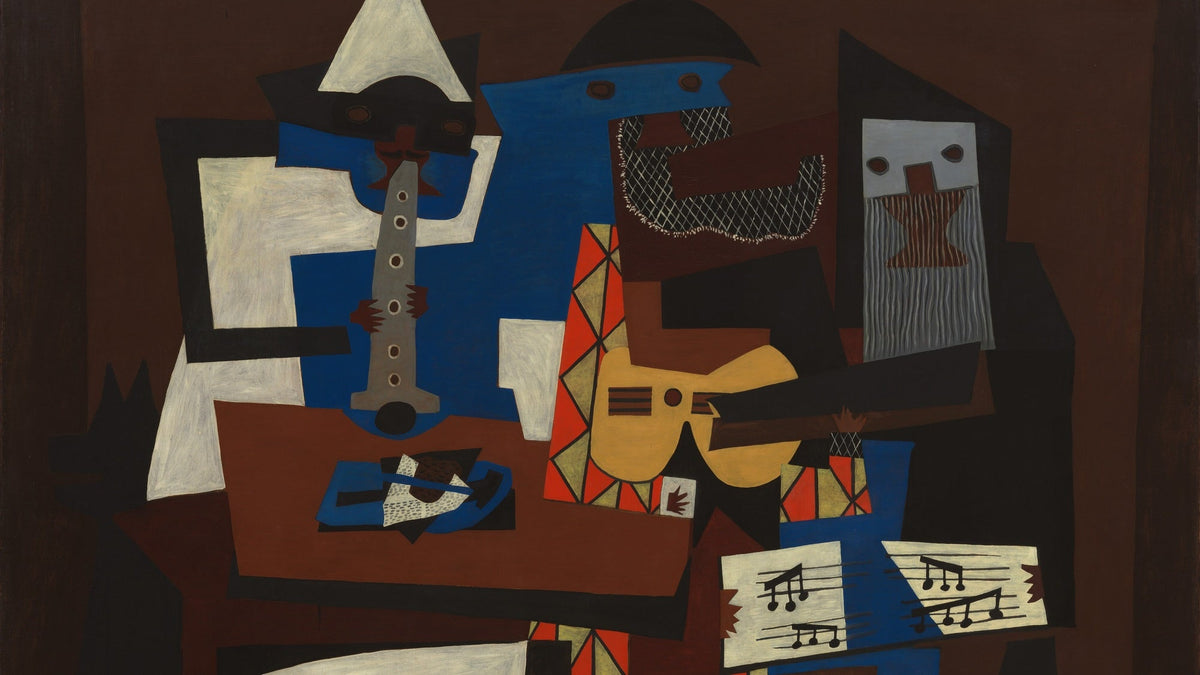
Spanish artist Pablo Picasso was a pioneer of the Cubism art movement — a kind of abstraction that utilizes geometric shapes to portray a subject. Examples of his famous works include The Weeping Woman and Guernica, his best-known work and also one of the most famous and Google-searched paintings in the world. However, he also had known works outside of Cubism, such as The Old Guitarist and Garçon à la Pipe (Boy With a Pipe). Picasso’s many artworks are displayed by world-renowned museums and galleries, from the Art Institute of Chicago to the Museo Reina Sofia in Madrid.
Next year, more of his oeuvre will be revealed as Pablo Picasso’s daughter, Maya Ruiz-Picasso, is set to donate nine artworks to The Musée Picasso in France in order to settle an inheritance tax bill. The museum displays the world’s largest public Picasso collection, housed in a private mansion in the Marais. French Culture Minister Roselyne Bachelot reports that the donated artworks include six paintings, two sculptures, and a sketchbook, all of which will be seen by the public in April 2022. Ministers are arguing for tax secrecy, so the monetary amount of the collection remains undisclosed by the museum and politicians. It is also unknown how much was involved in the tax dispute between Maya and the French government.
In a recent press conference, one work has been shown to the press — a 1938 cubist painting called The child with the lollipop sitting under a chair. According to Picasso's grandchildren, Olivier and Diana, this painting represents their mother Maya. Another painting that was mentioned is Don Jose Ruiz, a portrait of Picasso’s father, and it is the oldest work in the collection.
French finance minister Bruno Le Maire says that Picasso’s newly-revealed artworks are an honor to the country. More than enriching and deepening a cultural heritage, they will also be able to further inspire more artists. This is because Picasso uses various media for his art, though he’s most known for painting. He also created sculptures, like the Maquette for Guitar, which veered away from the typical clay, wax, wood, or stone. Instead, this was made of paperboard, paper, thread, string, twine, and coated wire. And while sculptures were usually made by carving or modeling, Picasso approached the Maquette for Guitar as architecture, using his materials to build it. Even his materials for painting were quite revolutionary for his time. Gala Bingo details how Picasso mixed his paints with sand, sawdust, and metal shavings in order to create a certain texture. For instance, in Head of a Woman, he mixes sand in the oil paints to give the work texture and the sense of grandeur that goes with ancient sculptures and relief carvings.
Pablo Picasso is certainly one of the most influential artists of the twentieth century. His artworks that are currently on display, and those that will soon be available for public viewing, will continue to impart lessons on creativity — from never losing your inner child to challenging the status quo.
Featured image: Pablo Picasso - Glass, Guitar, and Bottle. Paris, early 1913. Oil, cut-and-pasted newspaper, charcoal, and pencil on canvas. 25 3/4 x 21 1/8" (65.4 x 53.6 cm).