

The Fervent Abstraction of Olivier Debré
Olivier Debré (1920–1999) stands as a pivotal figure in postwar French abstraction. His artistic journey is a testament to the power of painting as a way to express emotion without using description, and his singular style – rooted in humanist gestures and a quest for connection – continues to resonate with contemporary audiences.
Debré’s early life was shaped by profound experiences. Raised in the aftermath of World War I and later a participant in the French resistance during World War II, he developed an acute awareness of both the fragility and resilience of the human spirit. This consciousness is woven into his work, which seeks to create spaces where viewers might experience a sense of shared emotion – transcending the inadequacy of words.
Rejecting the pretensions of high art in favor of more humanist gestures, Debré painted on the floor instead of on an easel. He also added humble materials like sand to his paint, and used everyday tools like brooms to apply his mediums. The diverse body of work he created has become synonymous with the term Lyrical Abstraction. It is the material manifestation of sensuousness and subjectivity – the painterly equivalent of poetry and music.
Signs and Symbols
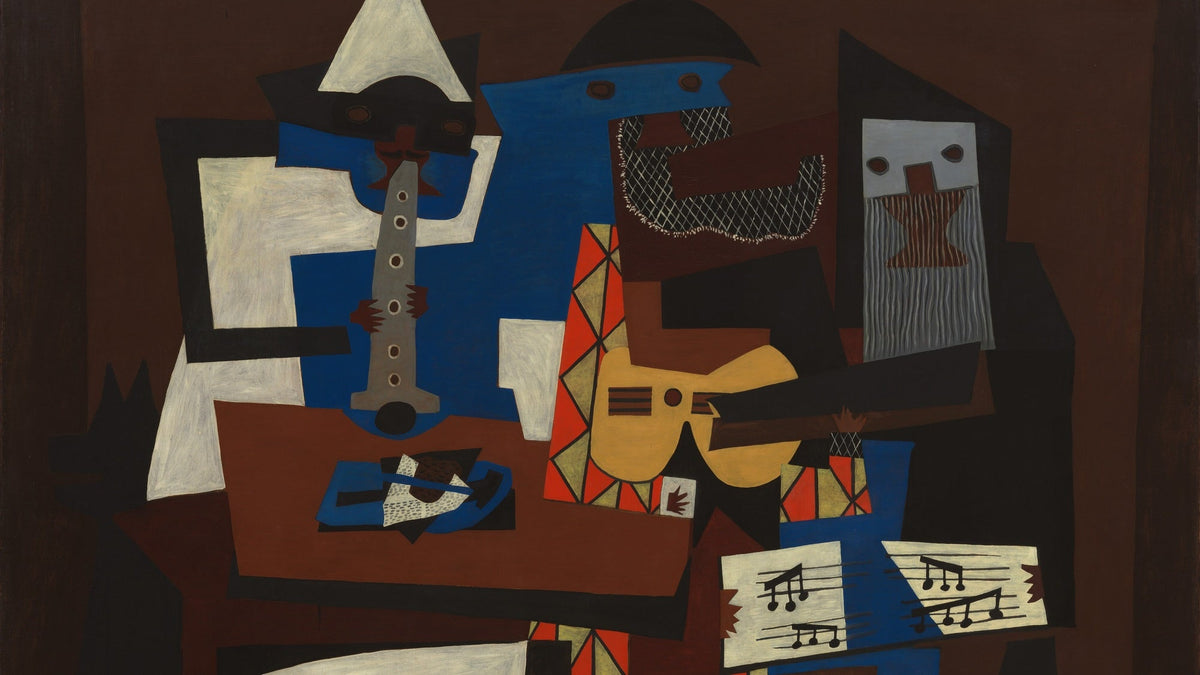
One of the most often told stories about Debré is that Pablo Picasso came to his first big solo exhibition in Paris. After viewing the work, Picasso told Debré, then in his early 30s, “You already paint like an old man.” This enigmatic comment is evidently what set Debré on a path towards developing his signature abstract voice. Rather than copying the popular styles of the time, he began an exhaustive process of trying to discover exactly how it is that an artist can convey thoughts and feelings through abstract art. He started by analyzing how people most often convey their feelings to each other: through words. Written language, he realized, is the very embodiment of symbolic communication, as ideas are translated as lines on surfaces created by way of physical human gestures. This epiphany set him on a path towards creating his own gestural, linear symbology, which he could use to convey his feelings and facilitate emotional connections between viewers.

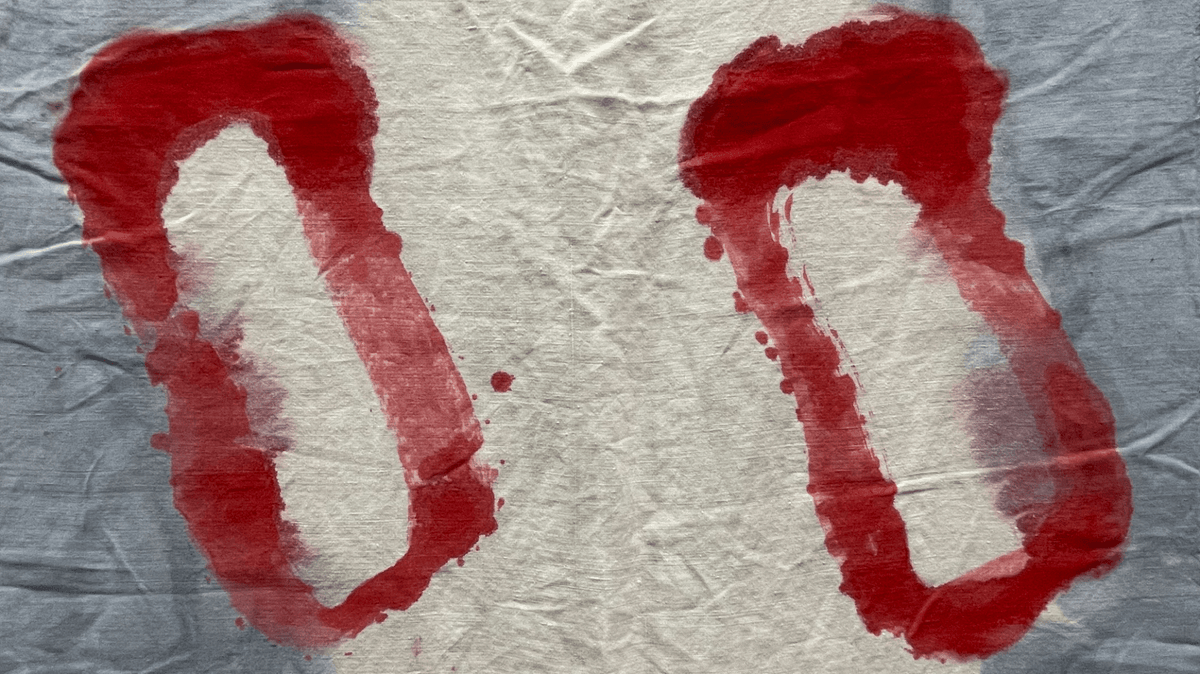
Olivier Debré - Monochrome rose rouge, trace rouge rose, 1984. Oil on canvas, 180 x 180 cm. Collection Galerie, Louis Carré & Cie, Paris
Up to that point, the most common emotions Debré had experienced had been loneliness and grief. In fact, his first connection to art came when he was just nine years old and his mother died, and his father and uncle encouraged him to draw and paint as a way of dealing with the loss. The unspeakable horrors he later witnessed while fighting against the Nazis repeatedly reminded him of the isolation and suffering that so often define the human condition. His breakthrough effort to express these terrible feelings came in the early 1950s, with a series of abstract paintings he called Signes-Personnages (Character Signs). Consisting mostly of vertical, linear, black forms on white backgrounds, the works resemble a hybrid of human figures and lettering. It was not solitary humans Debré was trying to show in these works – these are pictures of the essence of solitude itself.

Olivier Debré - Sans titre, c. 1990. Oil on canvas, 100 x 100 cm. Private collection
Reality is Painting Us
In addition to the long running Signes-Personnages series, Debré devoted many decades to his series of abstract landscape paintings, which he called Signes-Paysages (Landscape Signs). Defined by broad swaths of vibrant color, these paintings share a visual heritage with the work of Color Field artists like Helen Frankenthaler
and Mark Rothko. Debré made these paintings to express the sensations he felt while interacting with the natural environment. However, he did not speak about this body of work in terms of him making paintings of the natural world, because he did not perceive reality as something that humans create. Instead, he perceived the human experience as something that is constantly being formed and reformed by a natural reality beyond our grasp. “There is a kind of over-lapping between the mental atmosphere and the real atmosphere,” he said. “We are always both in ourselves and outside ourselves. I paint in the emotion of a reality that generates me.”

Olivier Debré - Sans titre, c. 1958. Oil on canvas, 27 x 35 cm. Private collection
In addition to the enormous body of paintings Debré created, he also made a name for himself in the world of monumental public works, creating numerous public sculptures as well as a collection of beloved theatrical curtains, including curtains for opera houses in London and Hong Kong. Whenever he reflected on his vast and diverse oeuvre, he called the essence of what he was looking for le signe du réel, or the sign of the real. Fervent abstraction is the name he came up with to convey the passion and immediacy of a gesture, a symbol and a feeling simultaneously coming into being. Like Picasso in the early days of Cubism, Debré was on a quest to uncover a deeper realism beyond the world of artistic mimicry; a realism that captured the mystery and beauty of both the seen and unseen parts of life.
Debré’s Enduring Legacy in Contemporary Abstraction
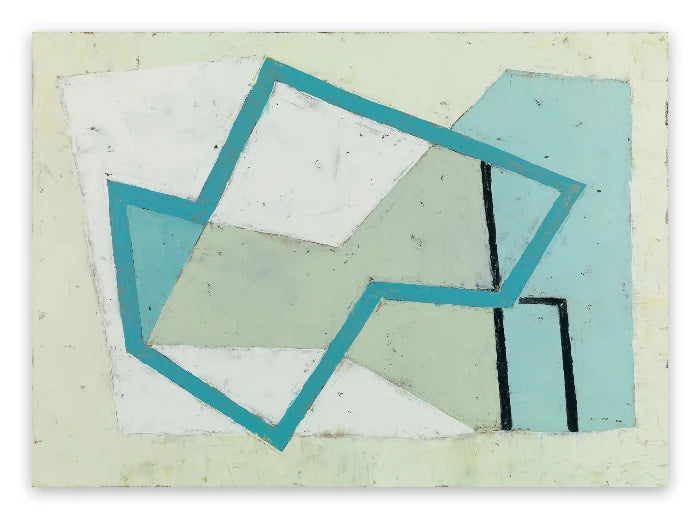
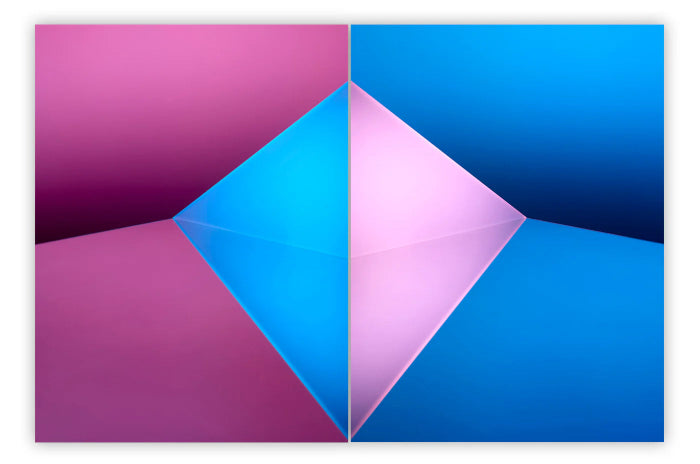
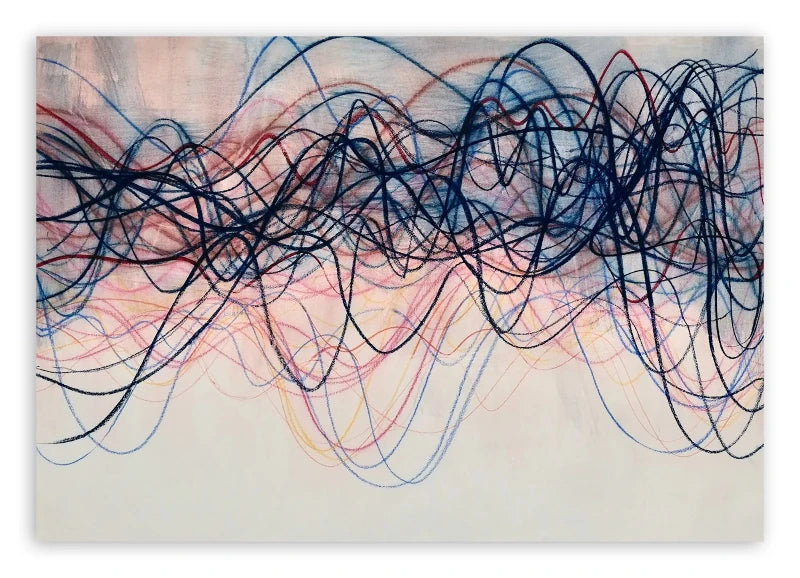
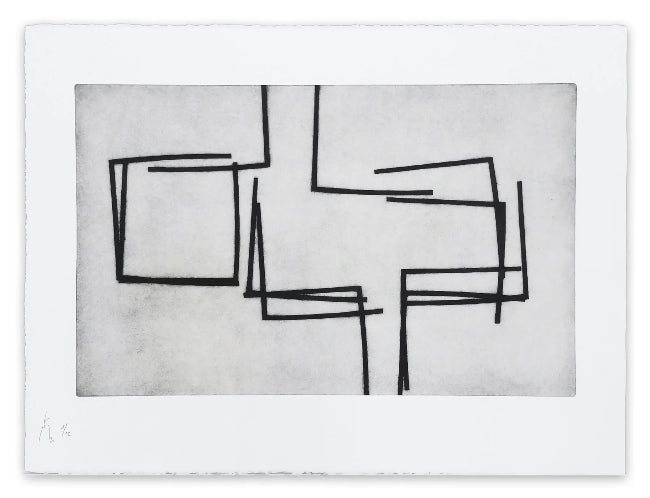
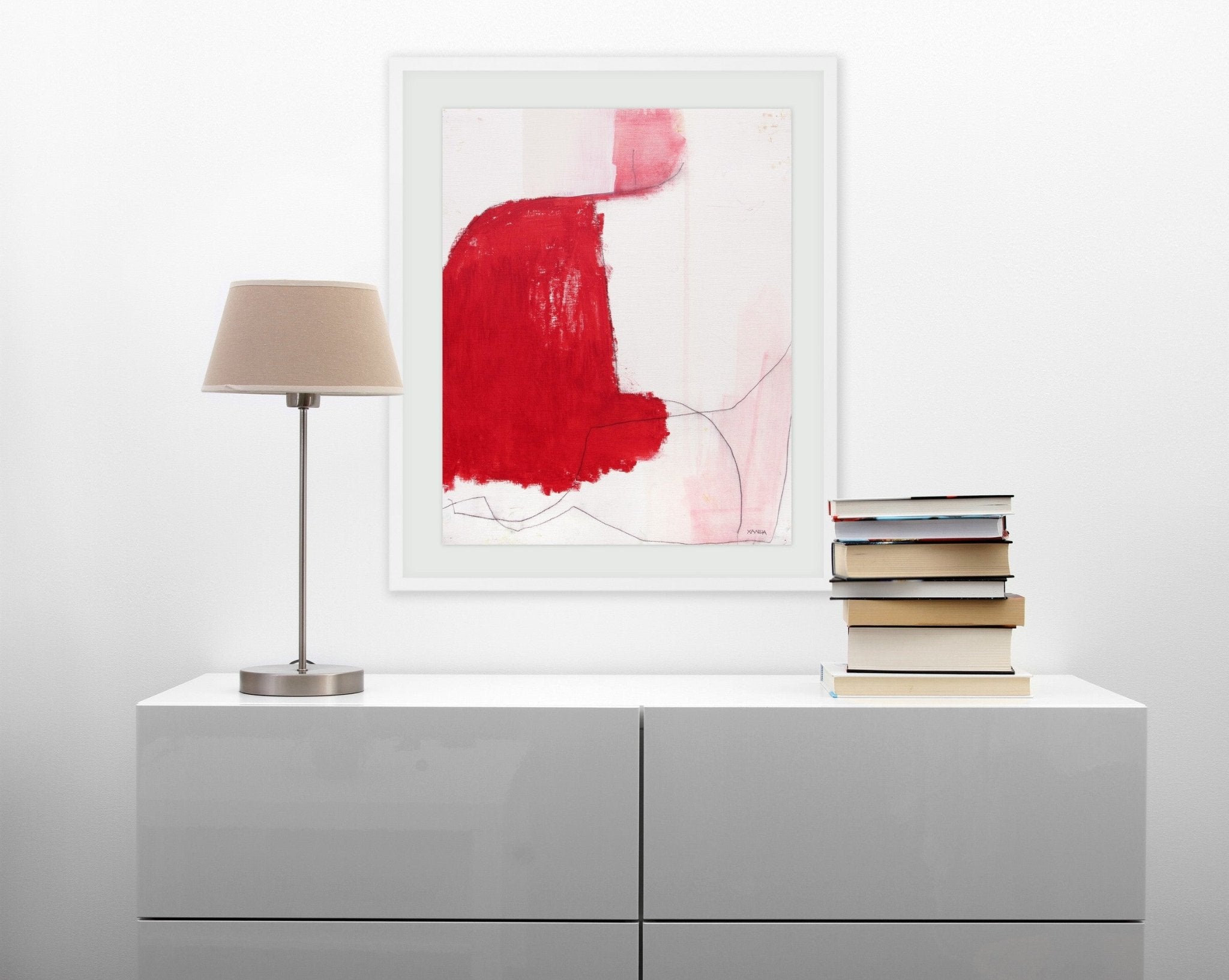
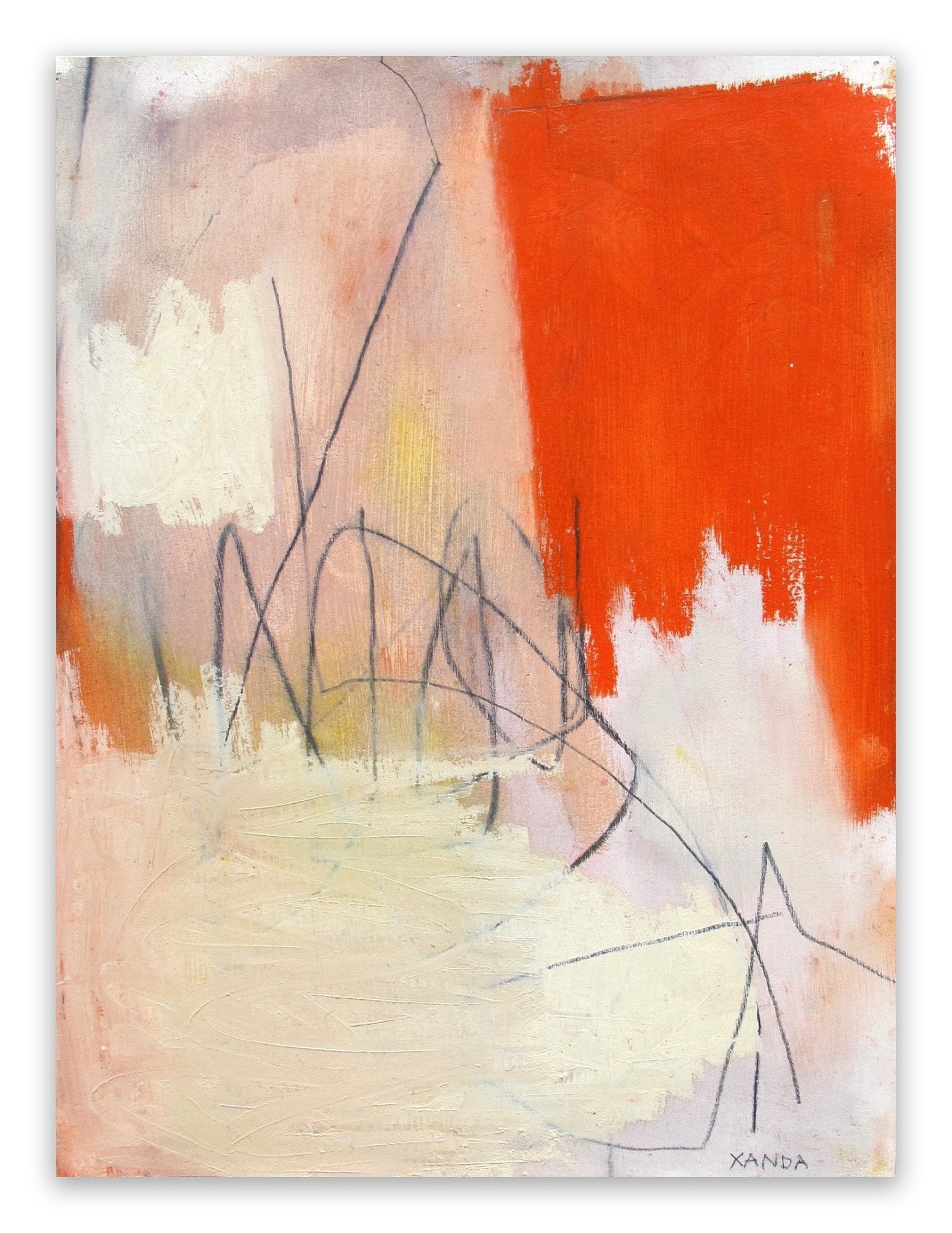
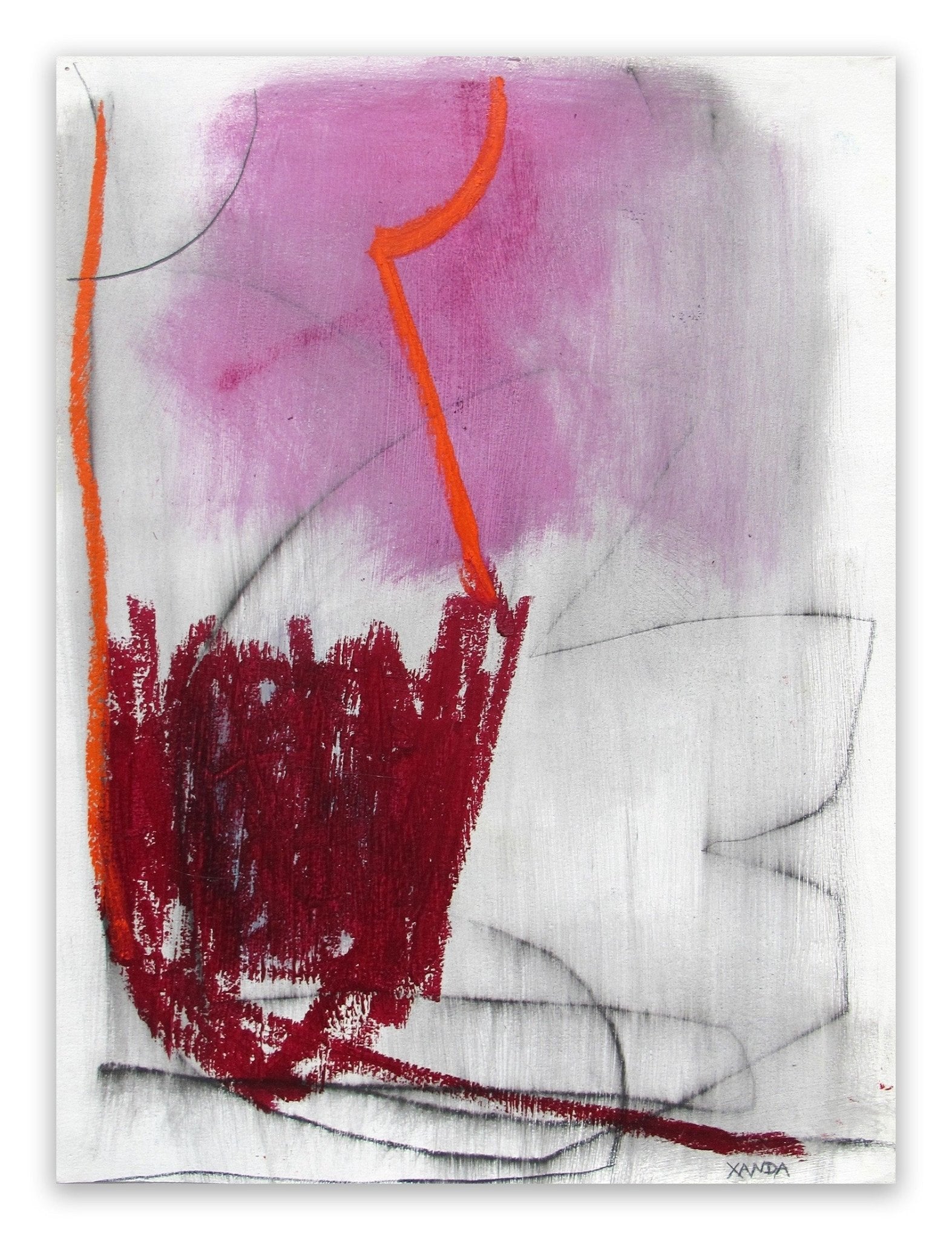
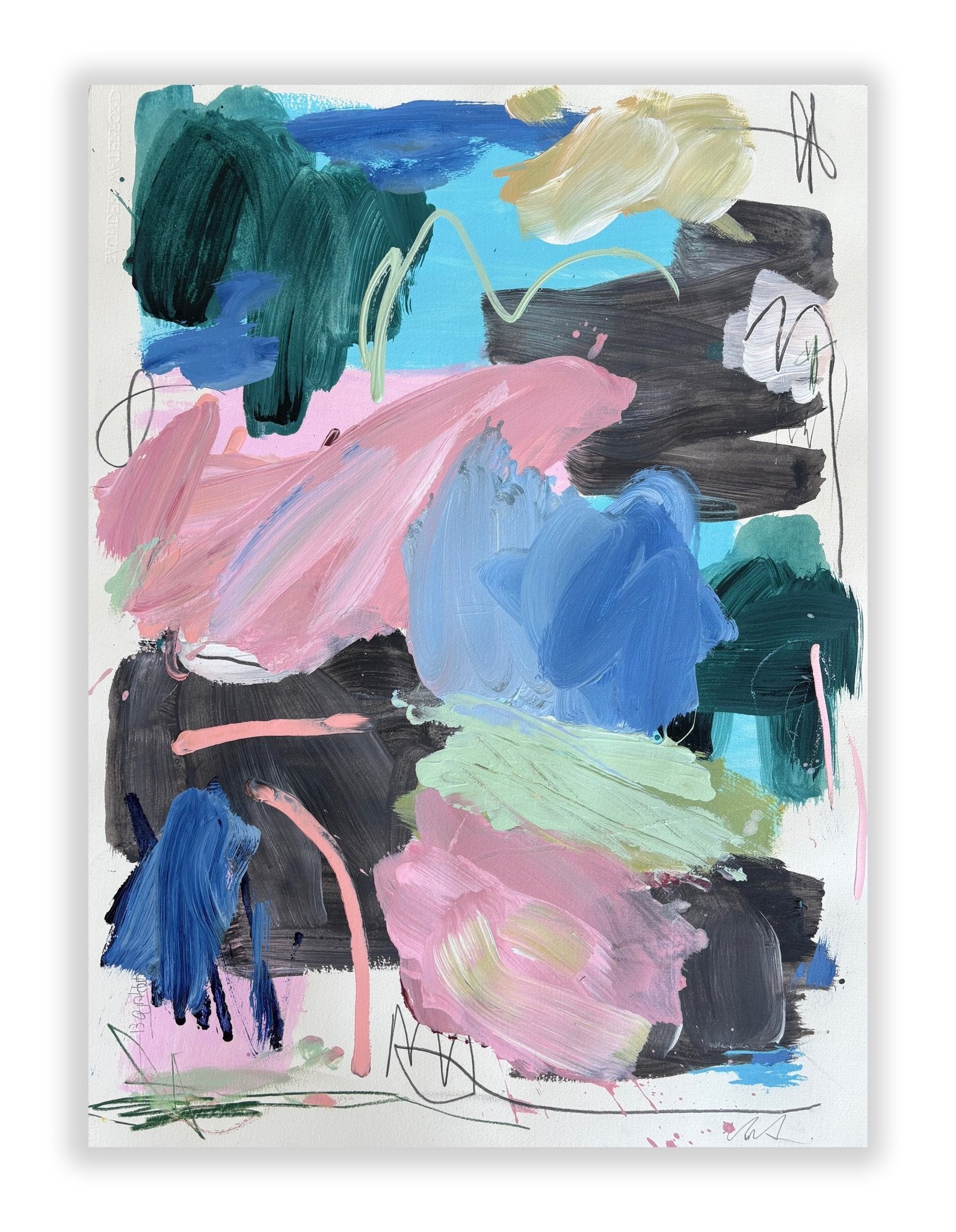
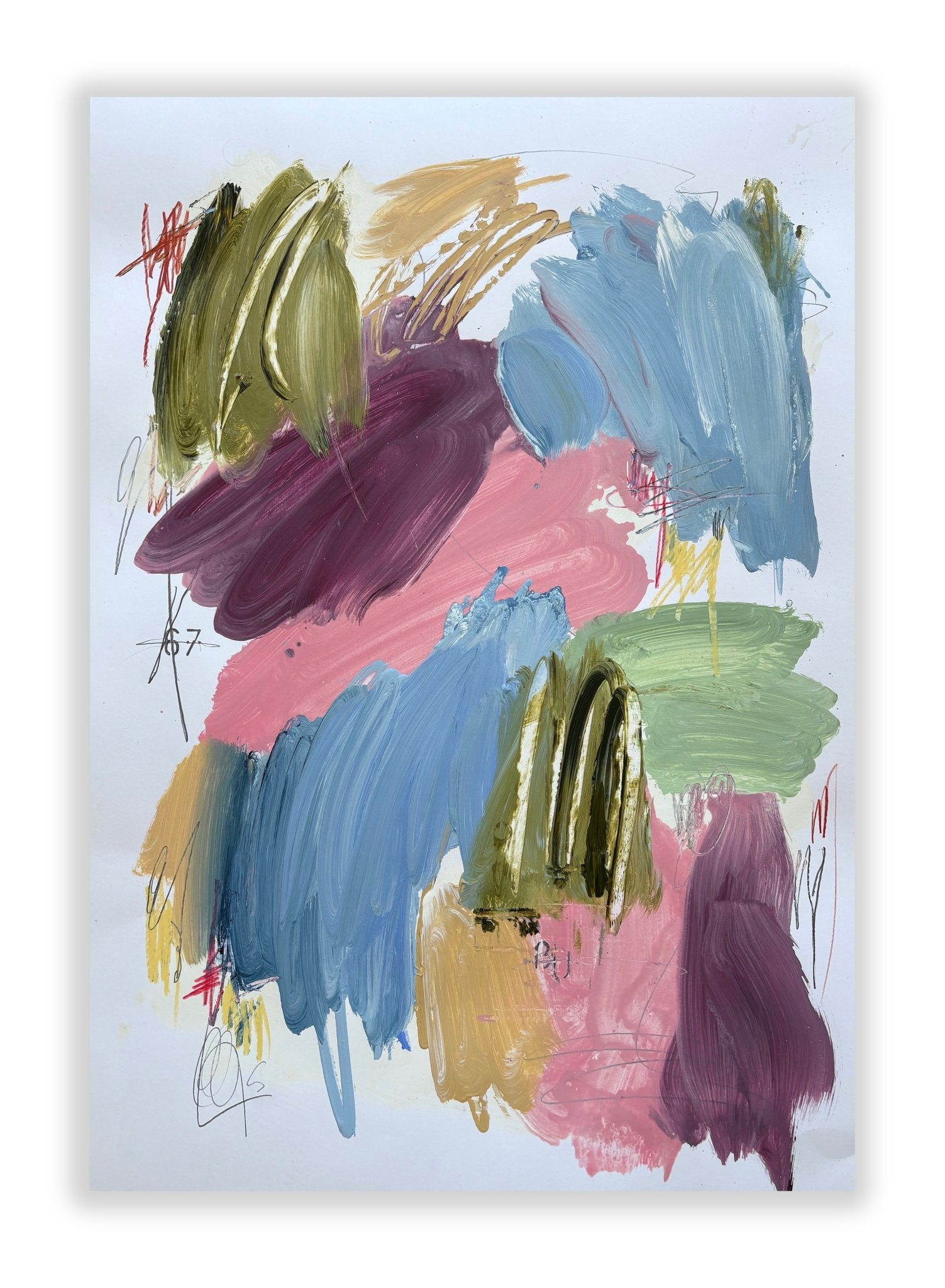
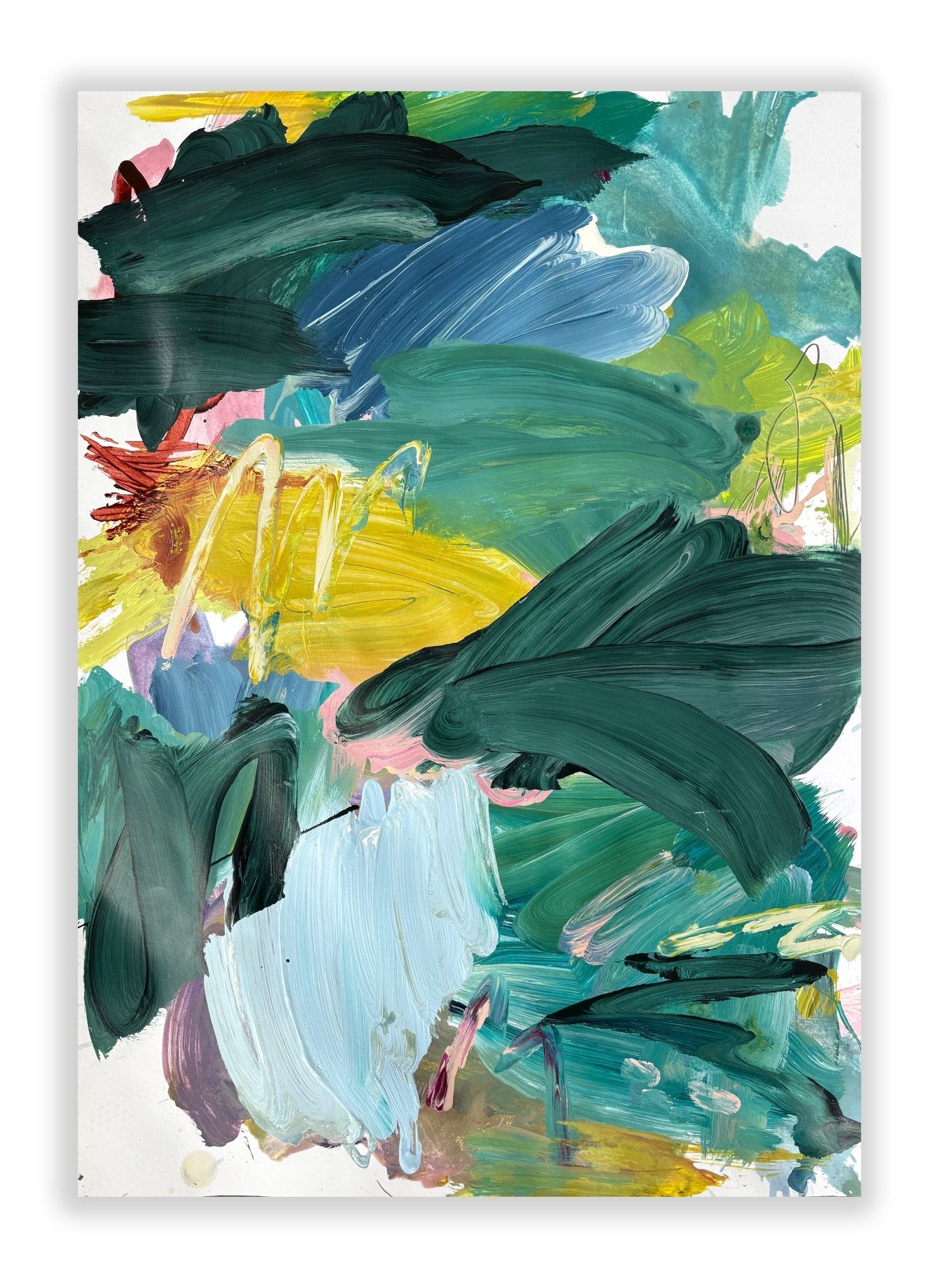
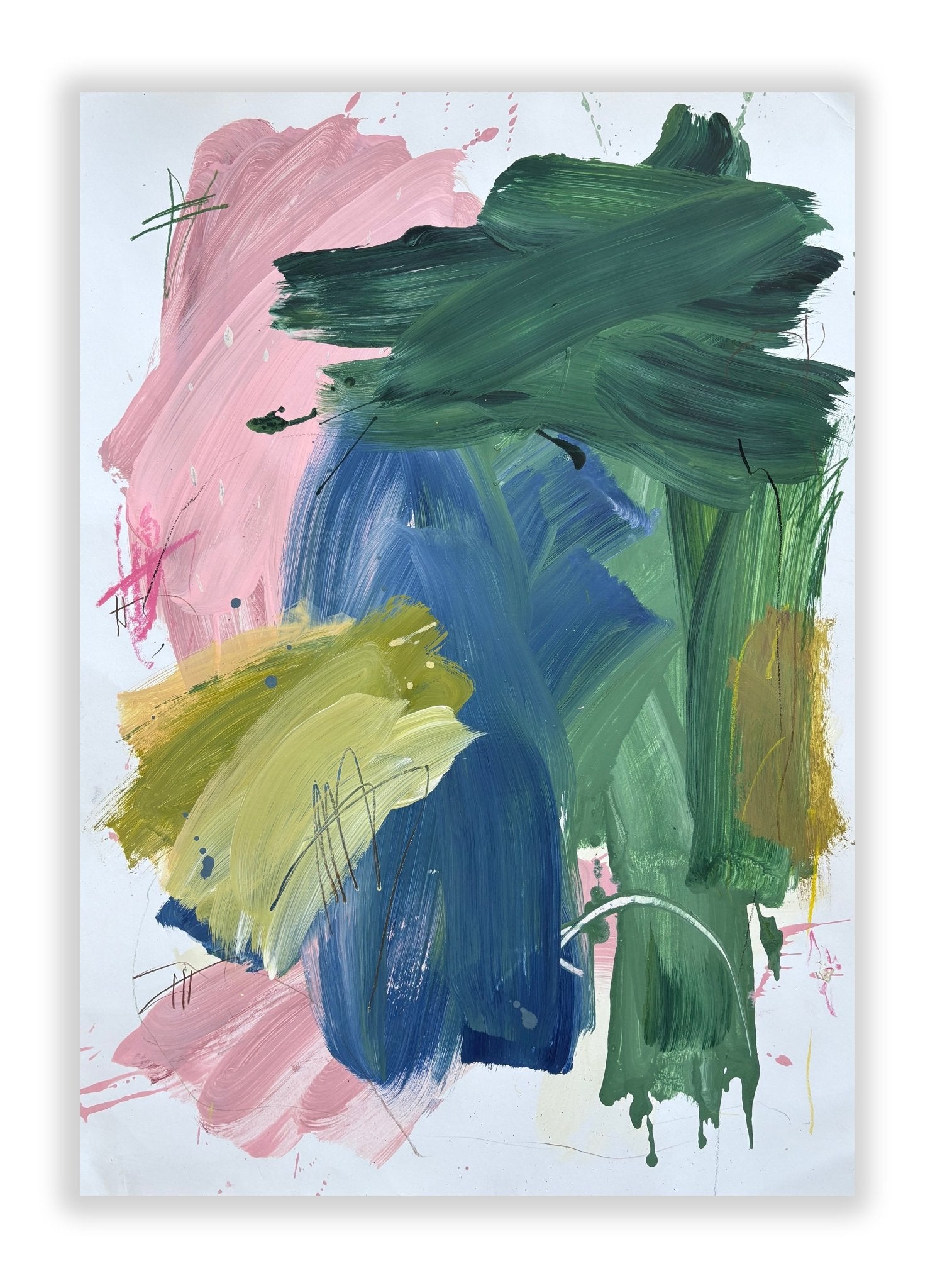
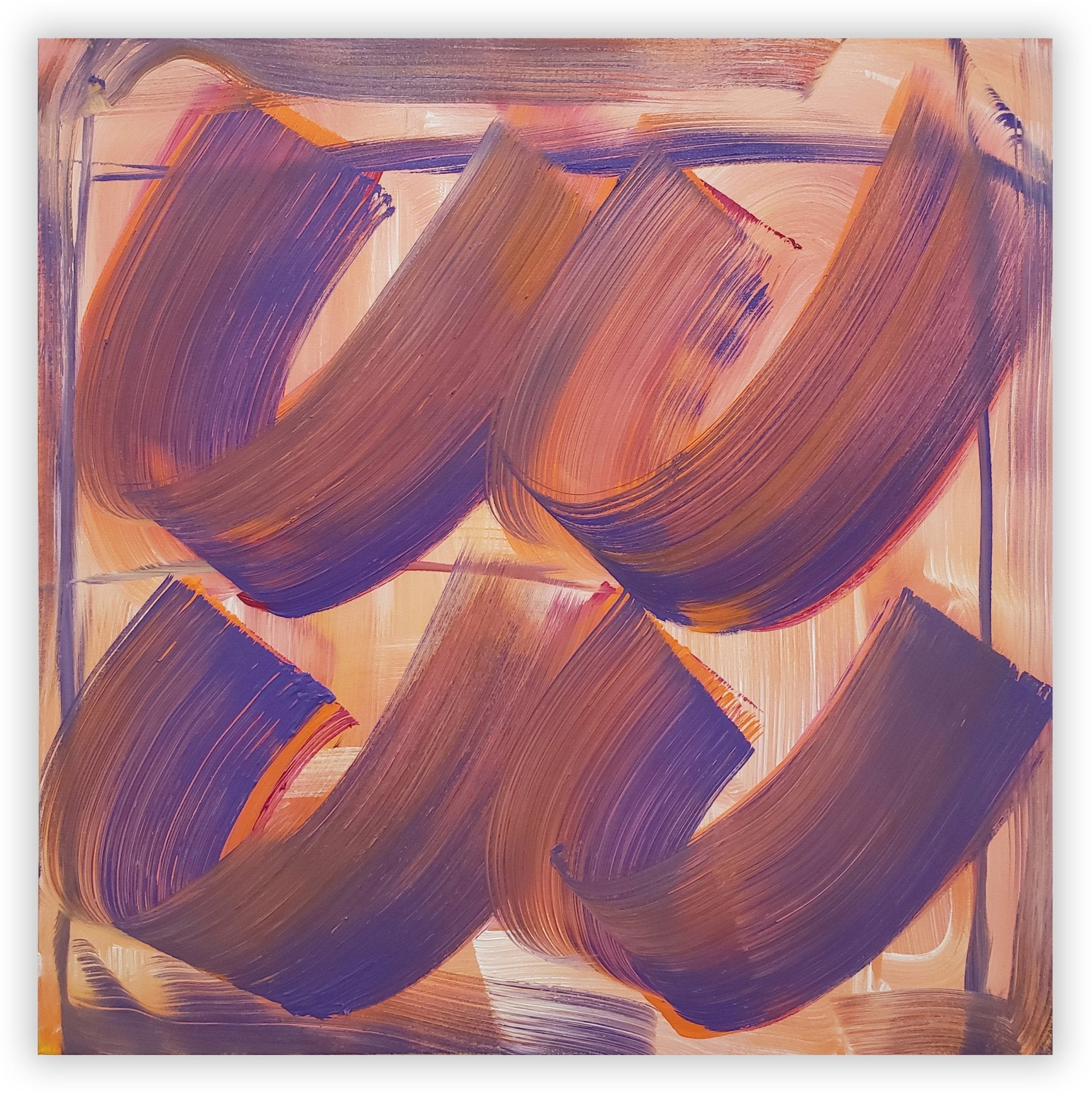
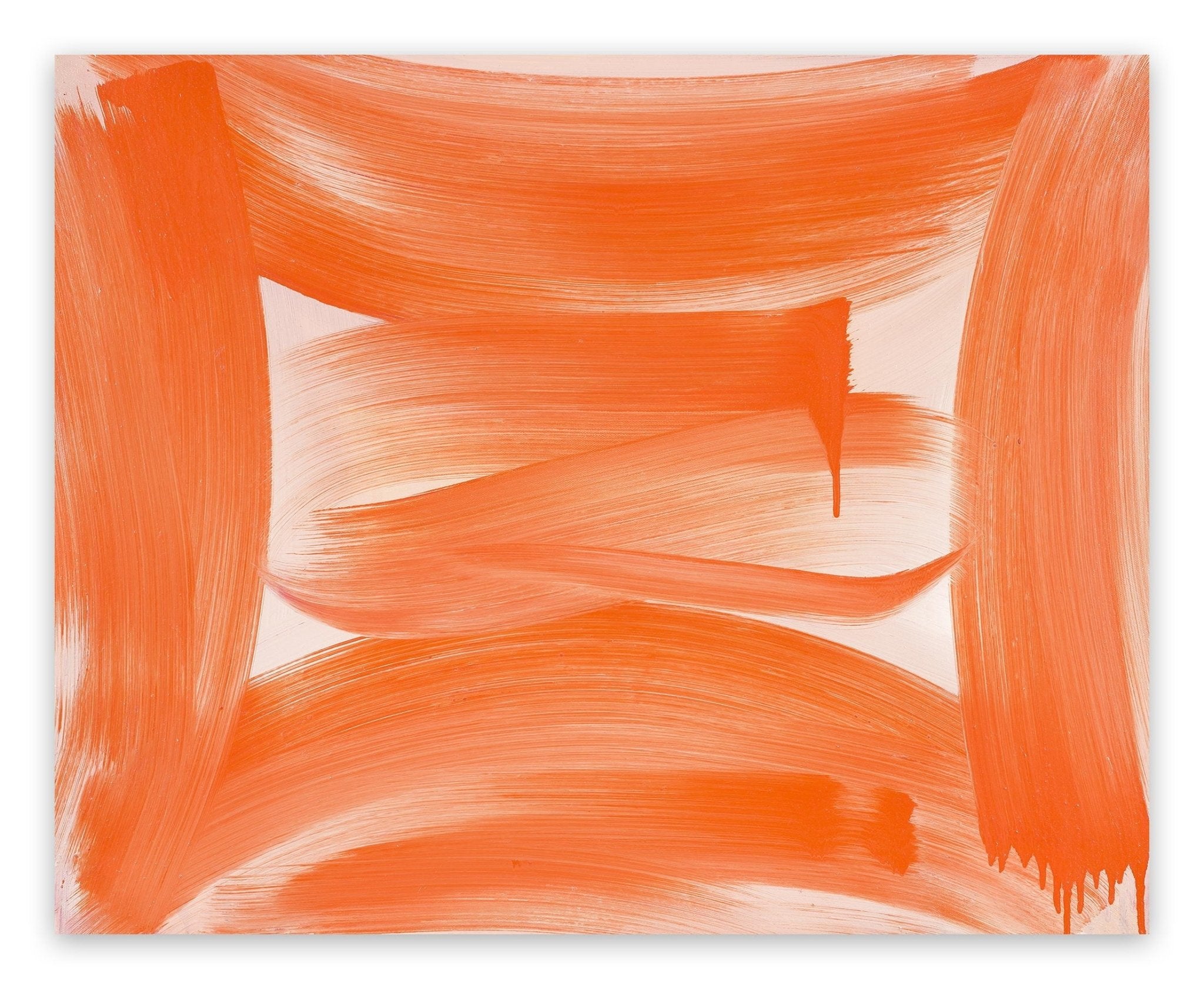
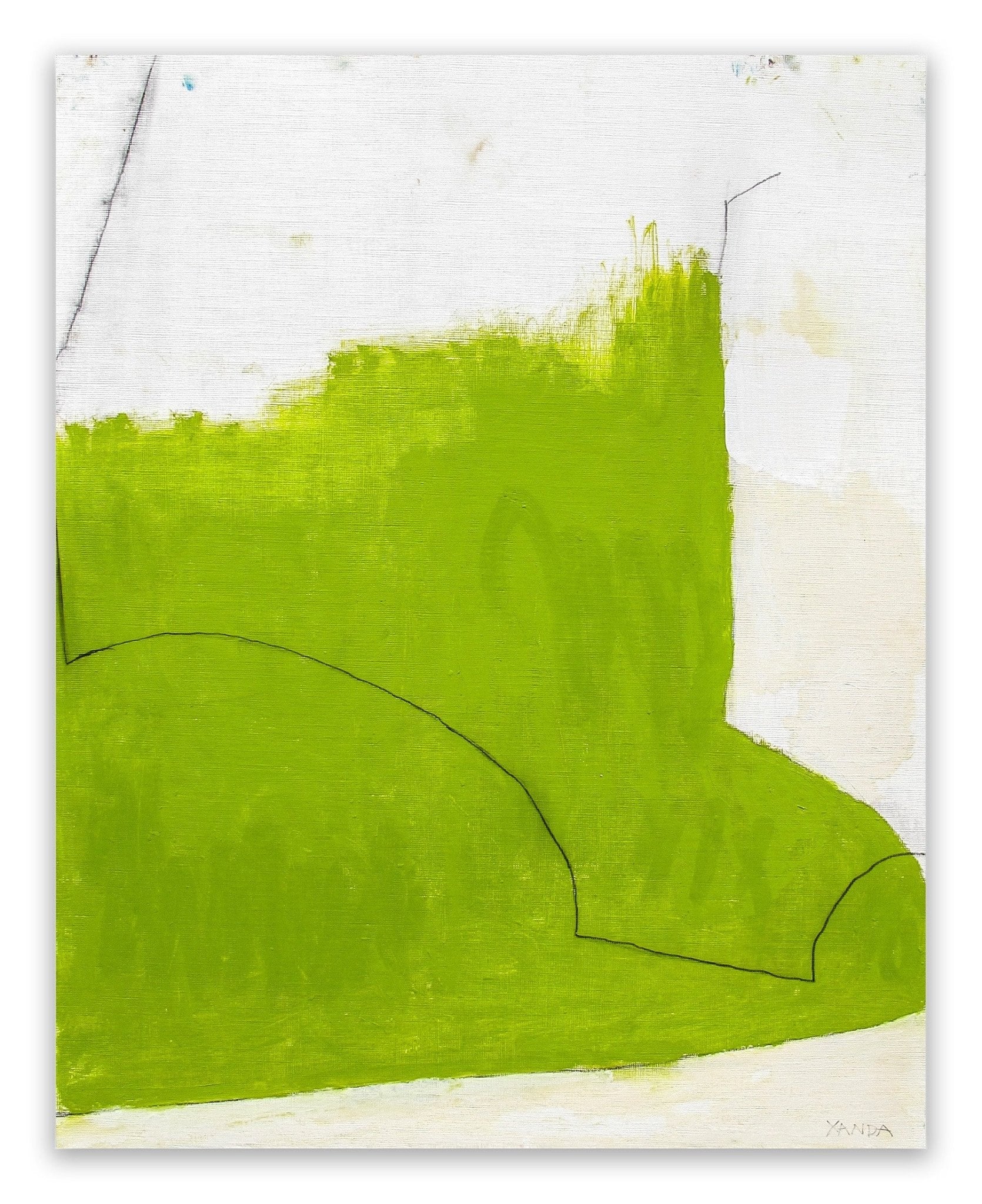
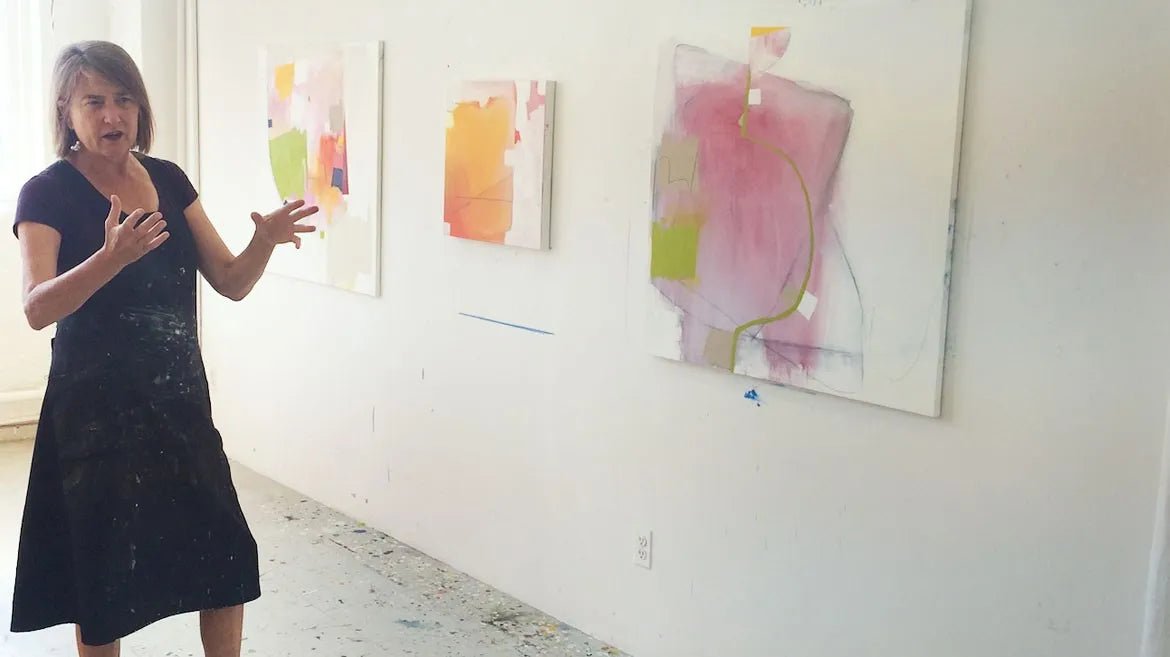
Olivier Debré’s commitment to lyrical and gestural abstraction has left a lasting mark on the evolution of contemporary painting. His emphasis on the expressive power of color, gesture, and sensation continues to inspire artists working today. Within IdeelArt’s roster, this influence is evident in the practices of many painters who share Debré’s dedication to abstraction as a vehicle for emotion and personal expression. Among them, Xanda McCagg, Karl Bielik, Jill Moser, Anne Russinof, and Marcus Aitken stand out as just a few examples, each exploring gesture and mark-making in ways that echo and expand upon Debré’s artistic legacy. Their work, alongside that of many other IdeelArt artists, demonstrates the ongoing vitality of lyrical and gestural abstraction in the present moment.
Olivier Debré: Fervent Abstraction will be on view 30 June through 12 September 2021 through at The Estorick Collection of Modern Italian Art in London.
Featured image: Olivier Debré - Sans titre, c. 1946. Indian ink on paper. 20.2 x 30.9 cm. Private collection
All images used for illustrative purposes only
Originally published by Philip Barcio (2021); updated and edited by Francis Berthomier (2025)
Related Artworks












%20stands%20as%20a%20pivotal%20figure%20in%20postwar%20French%20abstraction.%20His%20artistic%20journey%20is%20a%20testament%20to%20the%20power%20of%20painting%20as%20a%20way%20to%20express%20emotion%20without%20using%20descripti...)