
The Galaxies and Universes of Robert Pan
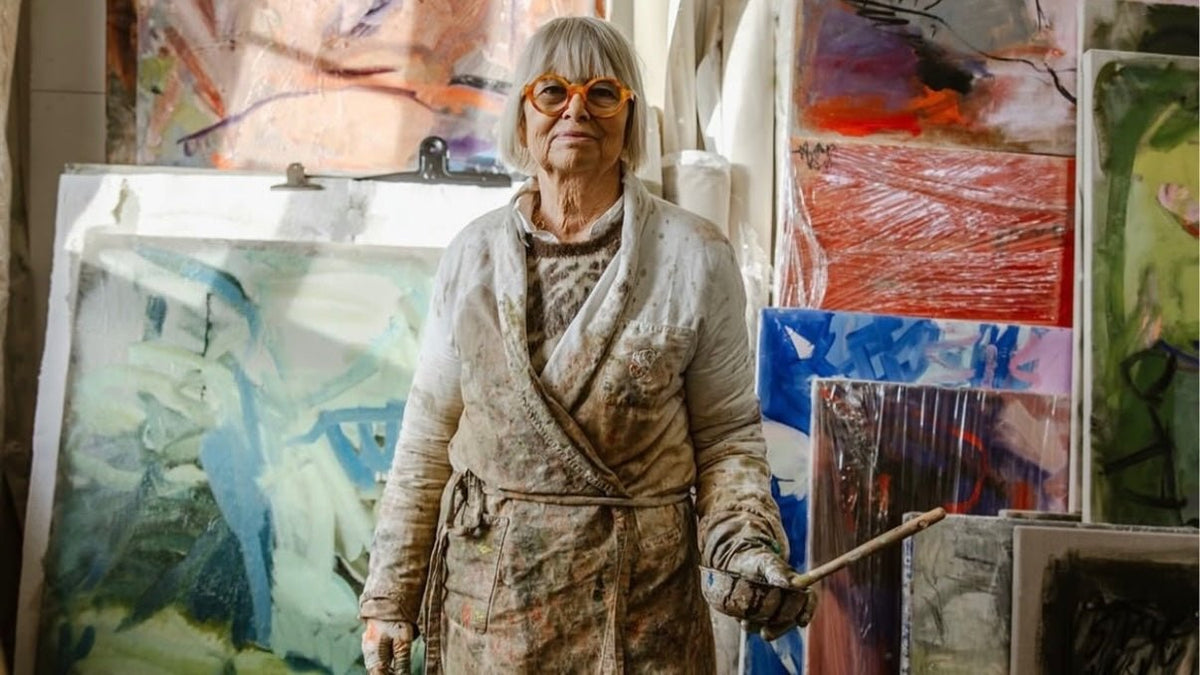
The inaugural exhibition at the new Bermel von Luxburg Gallery in Berlin is a showing of new works by the Italian-born abstract artist Robert Pan. There could not have been a more appropriate choice—celebrating the creation of a new space with works made by a renowned creator of new worlds. Every object Pan develops in his studios (he keeps one in Bolzano, Italy, and one in Miami, in the US), whether it hangs on the wall or sits on the floor, represents a sort of artistic genesis. Layer upon layer of pigment and resin amasses on a surface made of metal mesh, until something complex and beautiful emerges. Forces of friction and gravity exert their will—at every stage, mystery is evident. When is the piece finished? Maybe it never will be. Maybe the process could continue forever. Looking at one of these paintings is akin to staring into deep space through a telescope, beholding the uncountable layers of circles and lights, or the endless, amorphous, swirling, gaseous galaxies. Equally, it is like looking through a microscope at the minuscule intricacies of a grain of sand, or a tiny living organism. It is a vision of the macro, and simultaneously a glimpse at the micro. Though Pan has worked on a massive scale in the past, these new works on view at Bermel von Luxburg Gallery are on a human scale; they are able to be sensed in their entirety in a glance, and yet their complexities and depth can hold the imagination for hours on end. What is seen seems to evolve, revealing ever more to be discovered. Surrender is needed. If you try to see all that is there, you may end up seeing nothing. If you relax and simply give in to the desires of your eye, you will see everything you need.
The Art of Time
When creating his paintings, Pan demonstrates that all things in the universe collaborate with time. The laws of physics guarantee certain eventualities, but within that loose framework he explores what unknown visions might yet be revealed. In his studio anything is possible. His work is all about methodology: the passage of time; the physics of solids and liquids; the slow accumulation of elements in space; the evolution of colors, shapes and forms. Each of the works on view in Robert Pan at Bermel von Luxburg Gallery is like a unique visual ecosystem. Each began as a metal mesh surface. Onto it, Pan spread a layer of resin (he works in warm climates in order for his mediums to function correctly). He sands the surface down and then adds another layer. Chemicals and elements are added to the mix. Reactions occur; colors, shapes and forms manifest. More resins are spread by hand; more sanding; more pigment.

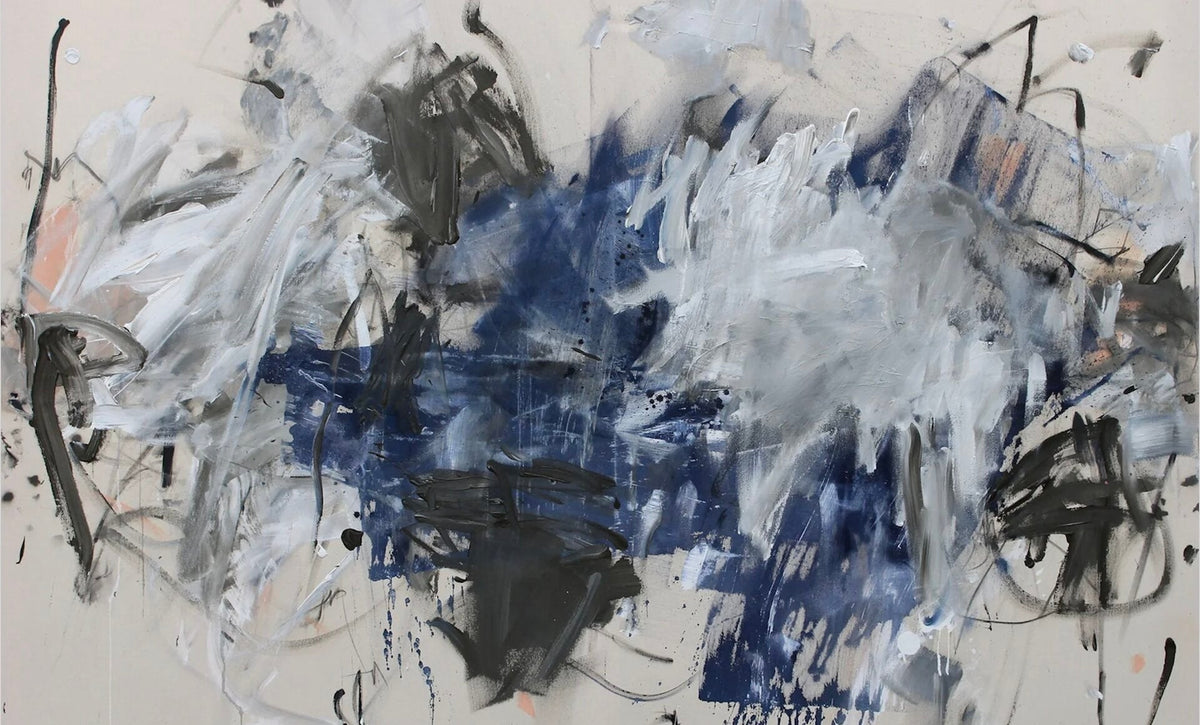
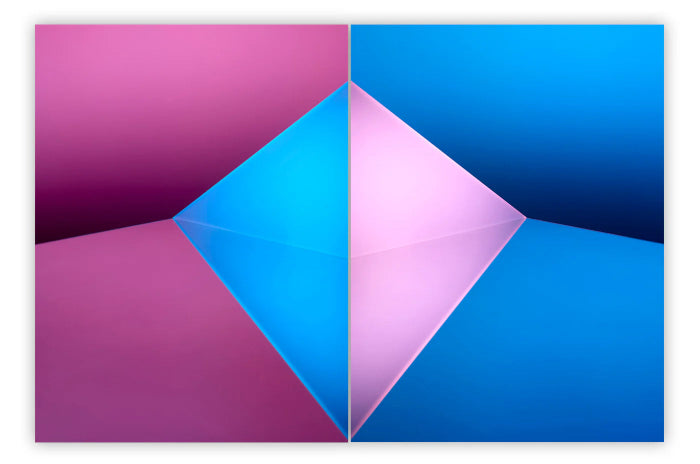
Robert Pan - artwork, photo courtesy Bermbert el von Luxburg Gallery, © Robert Pan
To watch Pan at work is to be in awe of processes, but to call him a process artist would be inaccurate, or at least it would be an understatement. His work is geologic in nature. It is a collaboration between human hands and mechanical tools—between natural and industrial powers—together enforcing the will of intuition. It is a demonstration of the art of waiting. His method is revealed in the video Robert Pan - Work in Layers. It reveals how it is obvious that the final image almost does not matter to Pan. The choices that are being made along the way have their own logic and their own reason for existing. The final object emulates what we see in nature. It reminds us of ourselves, and our environment. It is always abstract, so much like our own world. The method of its creation is its meaning.

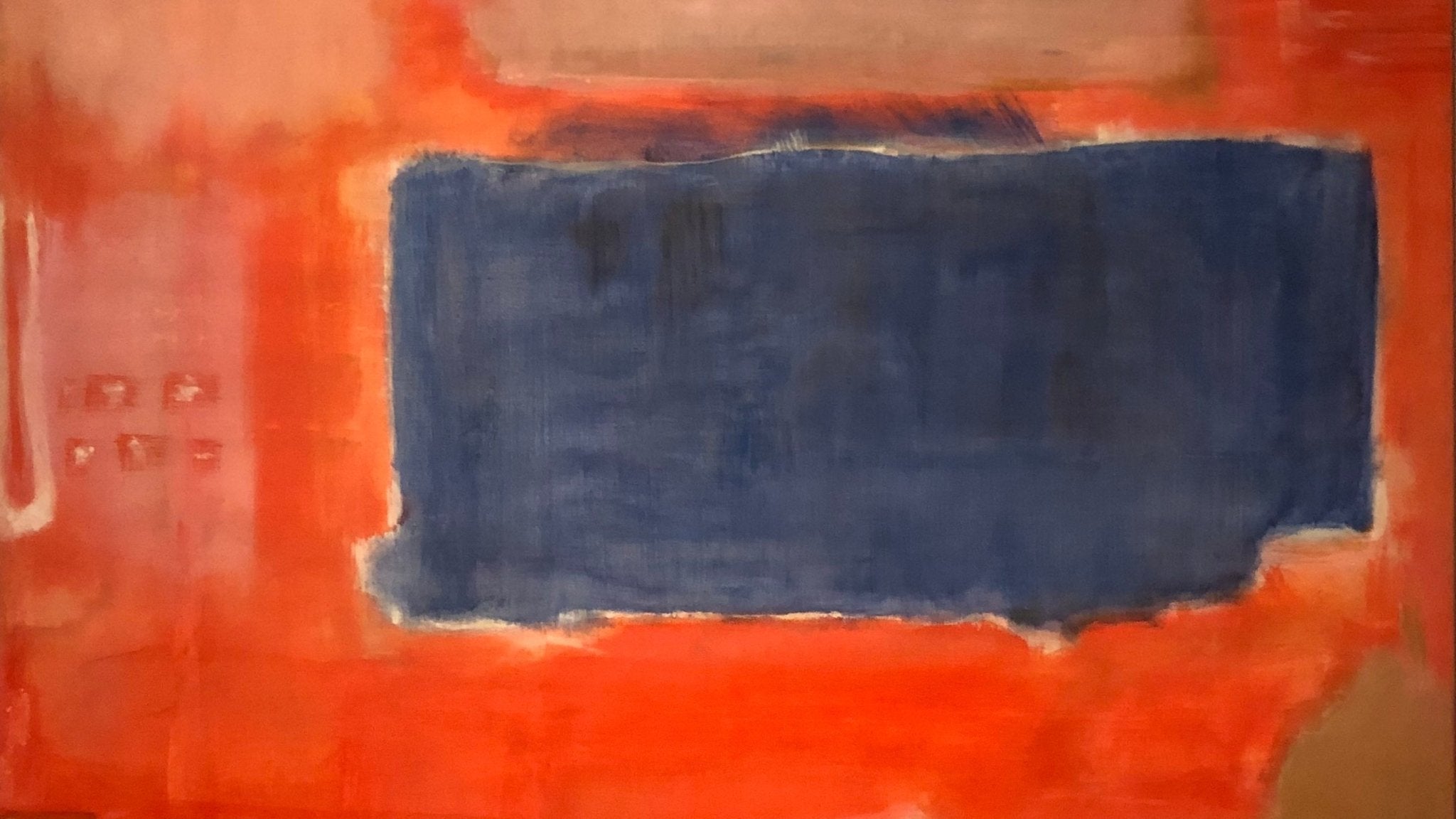
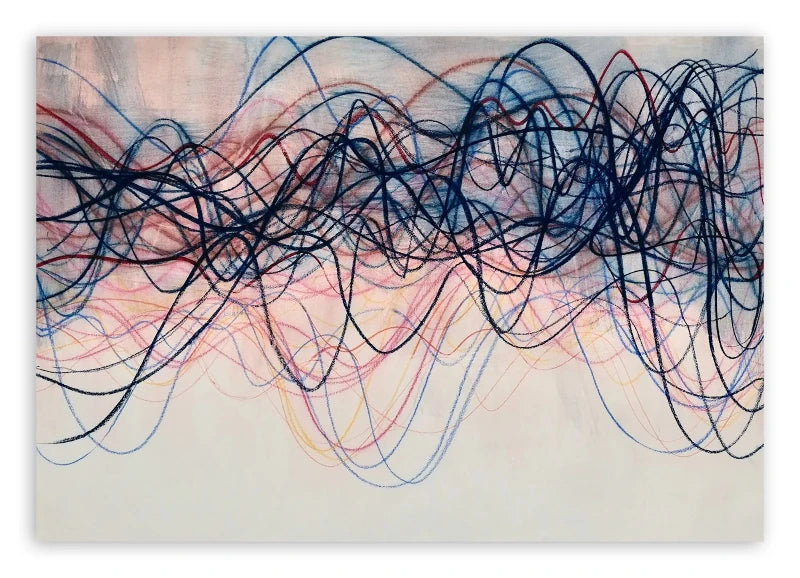
Robert Pan - artwork, photo courtesy Bermbert el von Luxburg Gallery, © Robert Pan
The Sculptural vs. the Sculpture
Aside from the joy of staring deeply into the pictures Pan creates, there is another pleasing factor about his work. It engages the mind in a conversation about the definition of sculpture. The works on view at Bermel von Luxburg Gallery hang on the wall, so most people, including me, would call them paintings. But their dimensional presence; their qualities of protruding into space both physically and visually; and the accumulative nature of the process of their creation: these things are distinctly sculptural. Are these objects then not sculptures as well as paintings? Pan himself was originally trained as a sculptor. Early in his career he worked with materials like gold, glass and wax, exploring the multitude of possibilities revealed by their unique characteristics. Those materials led him to resin—a medium that begins as something malleable, like warm wax, molten glass or melted gold, and then becomes rigid, after which it can be sanded and shaped, revealing new textures and hidden layers.

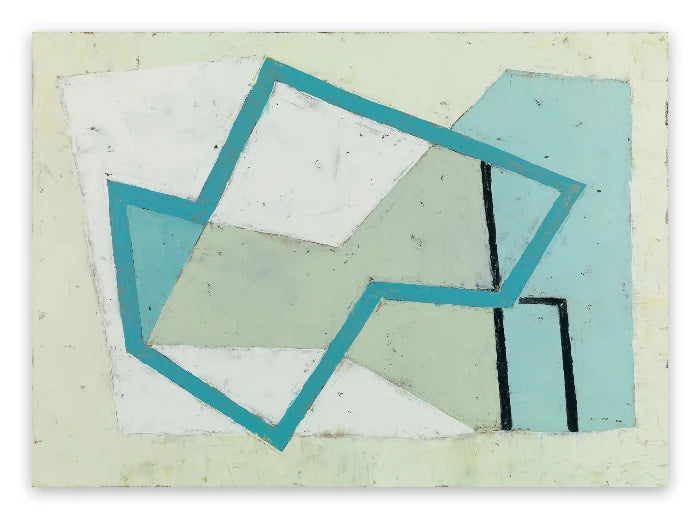
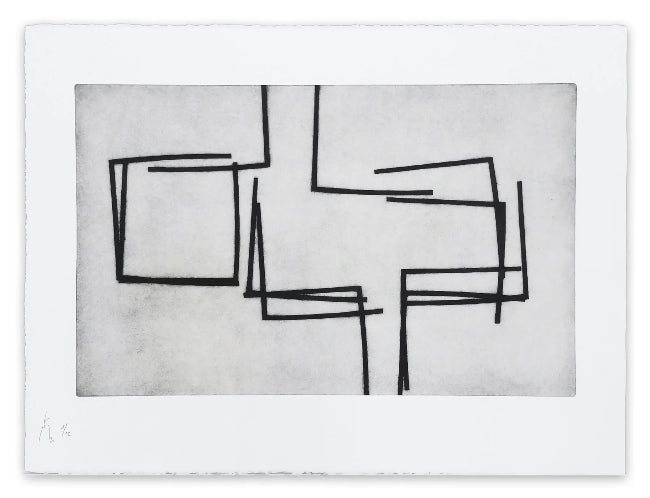
Robert Pan - artwork, photo courtesy Bermbert el von Luxburg Gallery, © Robert Pan
In his mind maybe Pan is still sculpting. It is really only the fact that the finished objects hang on the wall, and can be examined from only one perspective—a two-dimensional surface—that defines them as paintings. The difference may not seem to matter, but it is a question of how we look at a work of art, and whether we feel compelled to keep looking, and keep wondering. The moment we know exactly what it is we are seeing—that is the moment the mystery dissolves. As his new works demonstrate, Pan is not committed to showing us pictures of what we understand. He is not interested in replicating what we have already seen and can recognize. He is dedicated to mobilizing the ancient forces of creation in hopes of finding out what still remains unknown. Robert Pan at Bermel von Luxburg Gallery is a journey into curiosity. It is a chance to confront both the power and the limitations of our own vision, and to give in to the infinite abstract wonders of our world.
Featured image: Robert Pan - artwork, photo courtesy Bermbert el von Luxburg Gallery, © Robert Pan
All images used for illustrative purposes only
By Phillip Barcio