10 Abstract Expressionist Artists You Need to Know
Abstract Expressionism holds a special place on a list of iconic American cultural innovations, along with Jazz, the electric guitar and television. Many contemporary artists still explore its tendencies and traditions, but it was the first generation of Abstract Expressionist painters who truly defined this unique aesthetic proposition.
Decades after the movement’s emergence, there is still disagreement about who exactly belongs to its first generation. Scores of artists besides the ones we normally talk about also worked in the same realm of ideas and techniques at the time, but were never acknowledged, or were forgotten by history. Although no list of names may ever be truly adequate, here are our choices of first-generation Abstract Expressionist artists you need to know:
Clyfford Still
For years Clyfford Still was practically unknown compared to his contemporaries, despite being widely considered the most talented member of the bunch. His refusal to allow his works to be marginalized by poor quality exhibitions caused his reputation to falter, even as his artistic achievements thrived. When he died in 1980, he retained more than 95% of his output. In 2011, in accordance with the demands of his estate, a city finally built a dedicated museum for his oeuvre. The Clyfford Still Museum in Denver, Colorado, possesses more than 3,000 works created by Still between 1920 and 1980, most never before exhibited.
 Clyfford Still - PH-129, 1949
© City and County of Denver / ARS, NY
Jackson Pollock
Though not the first to employ them, Jackson Pollock is acknowledged as the artist to most successfully incorporate painting techniques like dripping, pouring and splattering into his work. The style Pollock developed involved rarely if ever making direct contact with the canvas. Instead he held his painting implements above the surfaces and used his body to create active, gestural motions that resulted in paint being projected onto the surface in a loosely controlled, by uninhibited way.
 Jackson Pollock - Number 1 (Lavender Mist), 1950
© 2019 Pollock-Krasner Foundation / Artists Rights Society (ARS), New York
Janet Sobel
Largely ignored during her lifetime, Janet Sobel was an influence on both Jackson Pollock and the art critic Clement Greenberg. Both men saw her paintings when Peggy Guggenheim exhibited them in 1944 at her Art of This Century Gallery in New York. Greenberg called her work the first all-over paintings he had ever seen. Sobel pioneered the iconic drip technique that Pollock made famous.
 Janet Sobel - Untitled, 1946
© Janet Sobel
Willem de Kooning
Willem de Kooning was a huge influence on Abstract Expressionism, not only because of his art but because he was socially and intellectually engaged with so many other artists. He had a ravenous appetite for conversation and education. He and Franz Kline ran a weekly art club where creatives got together, drank coffee and argued about art. De Kooning once said, “The Club came along at just the right time. It was so important, getting together, arguing, thinking.” Every important artist of the time at one point showed up at the club.
 Willem de Kooning - Excavation, 1950
© 2018 The Willem de Kooning Foundation / Artists Rights Society (ARS), New York
Robert Motherwell
The youngest, and possibly most educated first-generation Abstract Expressionist, Robert Motherwell often acted as the intellectual voice of the group. He was an expert writer and speaker and had a deep knowledge of art history. His distinctive aesthetic style set his work in a category of its own.
 Robert Motherwell - At Five in the Afternoon, 1950
© Dedalus Foundation inc.
/ Artists Rights Society (ARS), New York
Arshile Gorky
Arshile Gorky was one of the most passionate and influential voices surrounding Abstract Expressionism. His tireless efforts to educate the public about abstraction made him a leading advocate for aesthetic experimentation. By the time he died in 1948 he had developed one of the most energetic, vibrant and idiosyncratic voices in American painting.
 Arshile Gorky - The Leaf of the Artichoke Is an Owl, 1944
© 2019 Estate of Arshile Gorky / Artists Rights Society (ARS), New York
Lee Krasner
Over the course of her long and distinguished career, Lee Krasner was consistently a voice for the avant-garde. Her personal style evolved multiple times, as she always prized individuality over movements or trends. Her approach to painting helped define Abstract Expressionism. She was a student of Hans Hoffman, and a regular at the art club run by Willem de Kooning, and for a time was in a turbulent marriage to Jackson Pollock.
 Lee Krasner - Milkweed, 1955
© 2019 Pollock-Krasner Foundation / Artists Rights Society (ARS), New York
Norman Lewis
Galleries and museums mostly ignored the African American painter Norman Lewis during his lifetime. His contribution to first-generation Abstract Expressionism is indisputable nonetheless. More recent retrospective exhibitions and renewed scholarly attention have helped bring greater recognition to his contribution to Abstract Expressionism.
 Norman Lewis - Crossing, 1948
© Norman Lewis
Franz Kline
The visual language created by Franz Kline is unlike that of any of his contemporaries. His techniques and the spirit with which he painted embody the philosophy of Abstract Expressionism. Using large brushes and common house paint, Kline engaged in vibrant, physical motions, creating huge, energetic compositions. His lines and forms, he said, were “unrelated to any entity but that of their own existence.”
 Franz Kline - Painting No.2, 1954
© 2019 The Franz Kline Estate / Artists Rights Society (ARS), New York
Bradley Walker Tomlin
Another commonly overlooked first-generation Abstract Expressionist, Bradley Walker Tomlin mixed expressive action painting with a methodical quest for perfection. A retrospective at the Samuel Dorsky Museum of Art in 2016 offered an opportunity to reconsider his distinctive contribution to the movement.
 Bradley Walker Tomlin - Number 20 - 1949
MoMA Collection
The Rest of the Story
Not included on our list are progenitors of the movement such as Hans Hofmann, an indispensable influence on the thinking and physical practice of several key members of our list, and the Mexican painter David Alfaro Siqueiros, who offered a workshop in New York City in 1937, in which he recommended experimental painting techniques like splattering and dripping paint.
Also not included are second-generation Abstract Expressionists like Joan Mitchell, and painters who, despite playing key roles in Abstract Expressionism, ultimately made even bigger impacts on later abstract propositions. That group includes Mark Rothko, Helen Frankenthaler, Edward Corbett, Barnett Newman, Ad Reinhardt and Philip Guston. These outliers contributed to the rise of movements like Color Field Painting, Post Painterly Abstraction, Minimalism and Neo-Expressionism, and contemporary abstraction would not be the same without them.
Abstract Expressionism Today: A Living Inheritance at IdeelArt
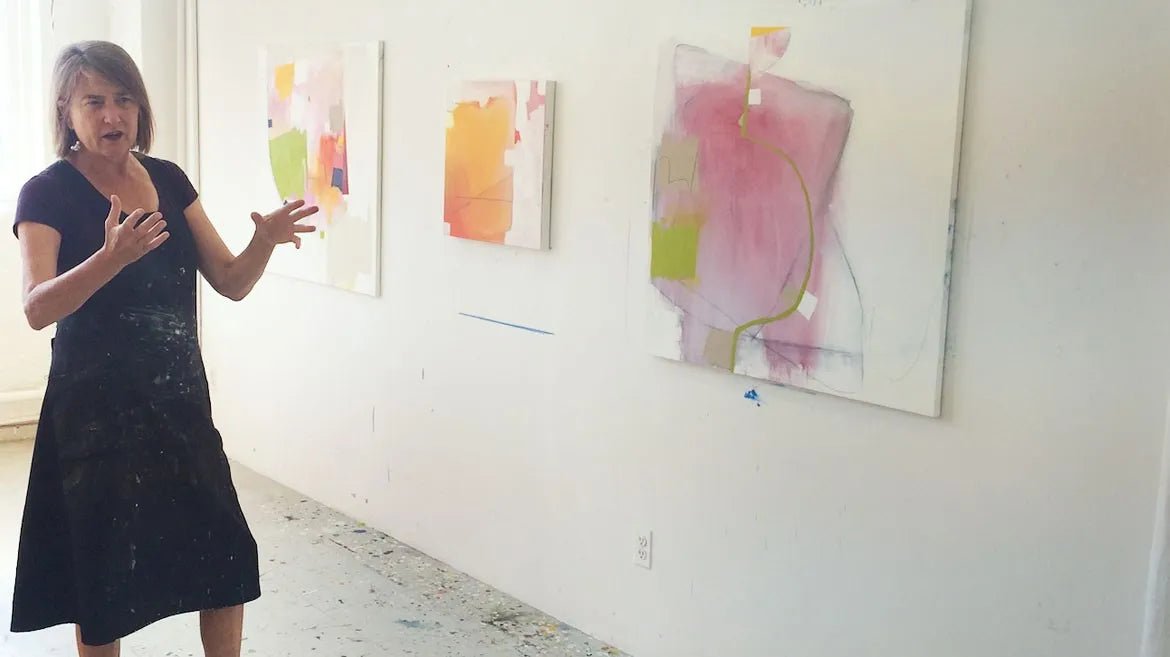
The story does not end with the first generation. What these artists opened up, the expressive potential of gesture, the physical presence of paint, and the ability of color to carry feeling without depicting a subject, remains a living language for artists today. At IdeelArt, that inheritance reaches further than one might expect: as of October 2026, 48 artists, yes, 48, represented by the gallery have affinities with Abstract Expressionism and its related traditions.
That does not make them members of a historical movement, or mean that their work can be reduced to a single label. Some connections lie in spontaneous mark-making and layered surfaces; others in lyrical abstraction, immersive color, or the tension between control and improvisation. Our article Abstract Expressionism: Véhémences Confrontées explores this broader, transatlantic conversation and brings together those 48 contemporary practices.
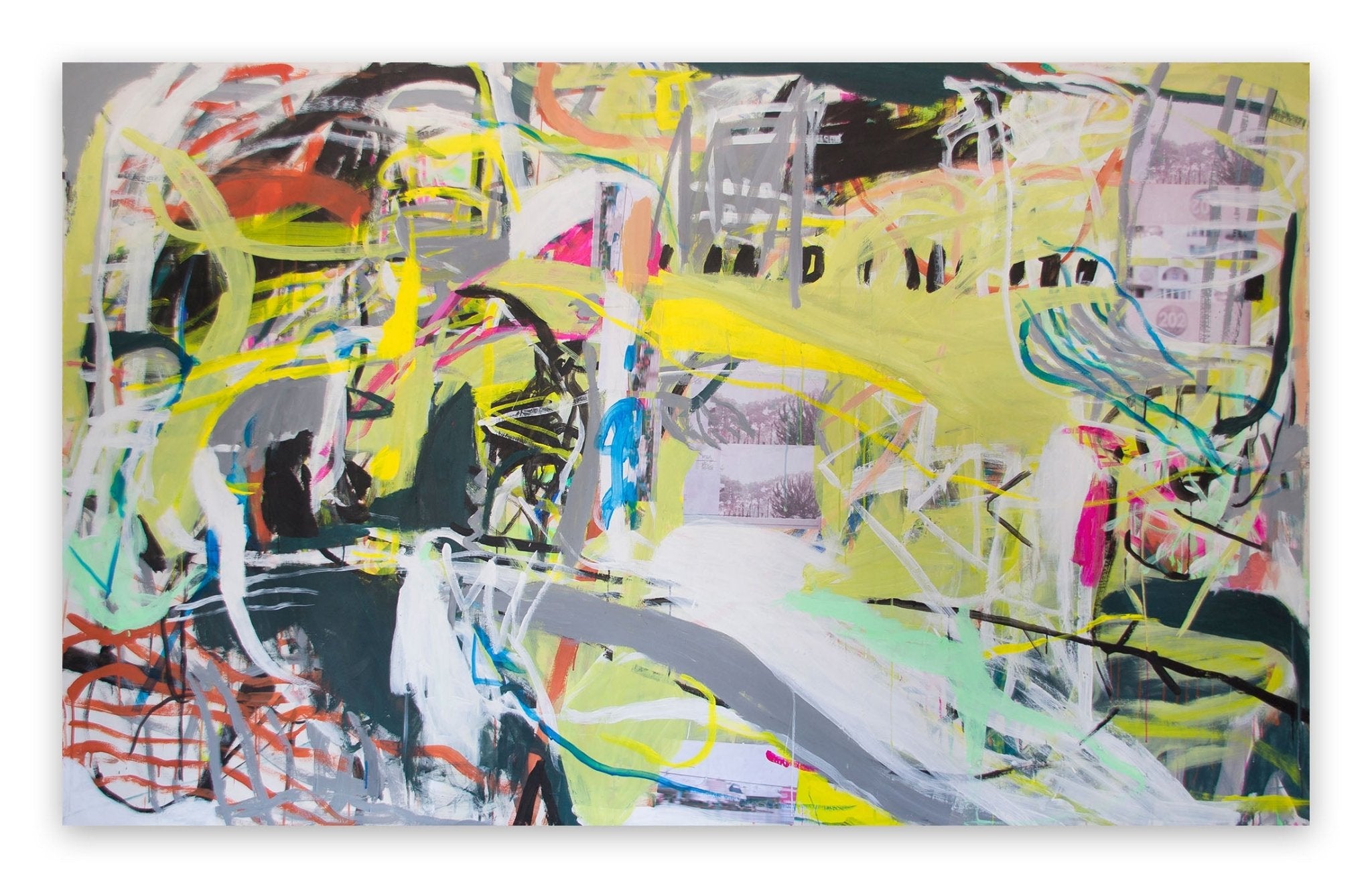
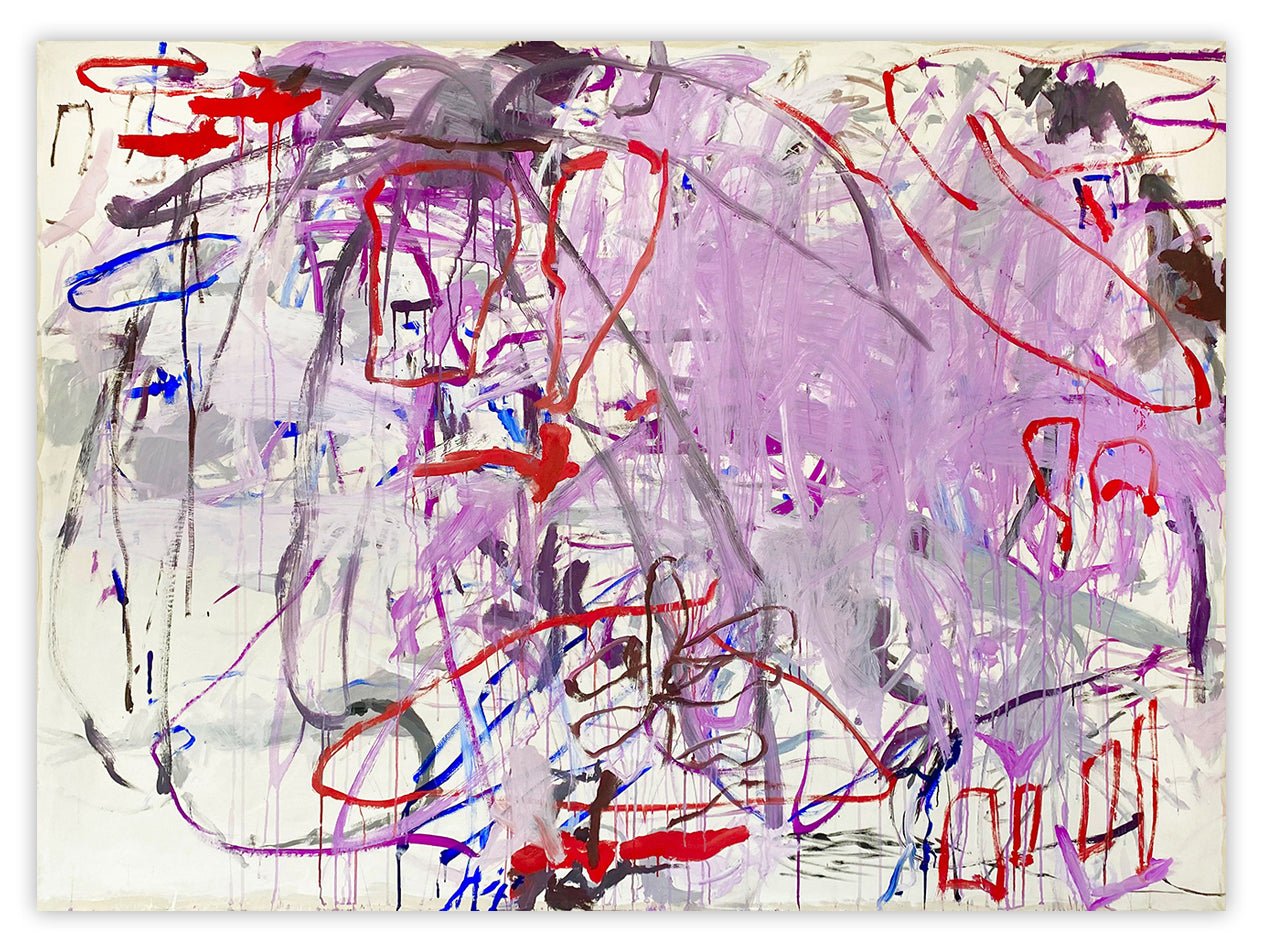
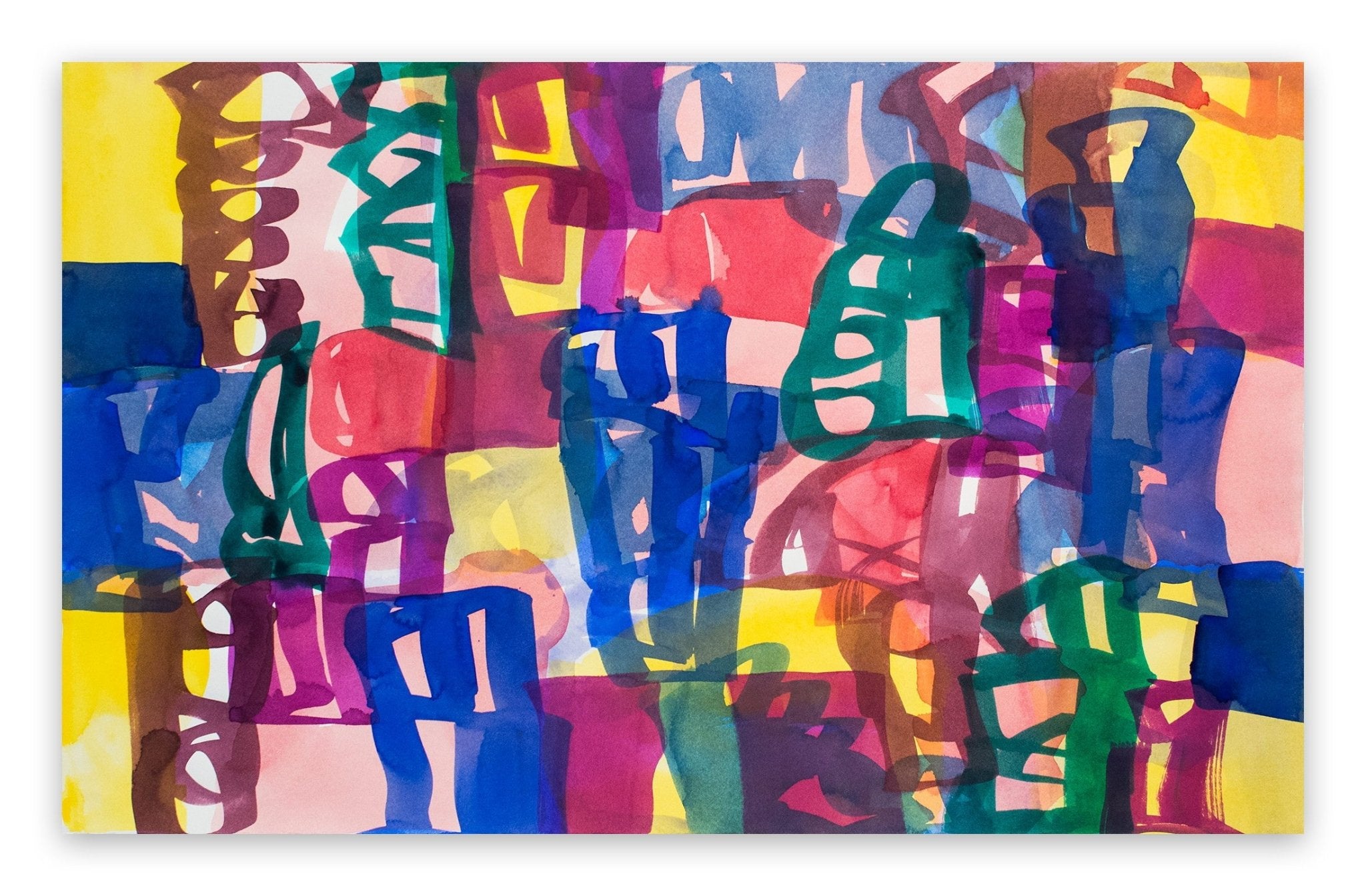
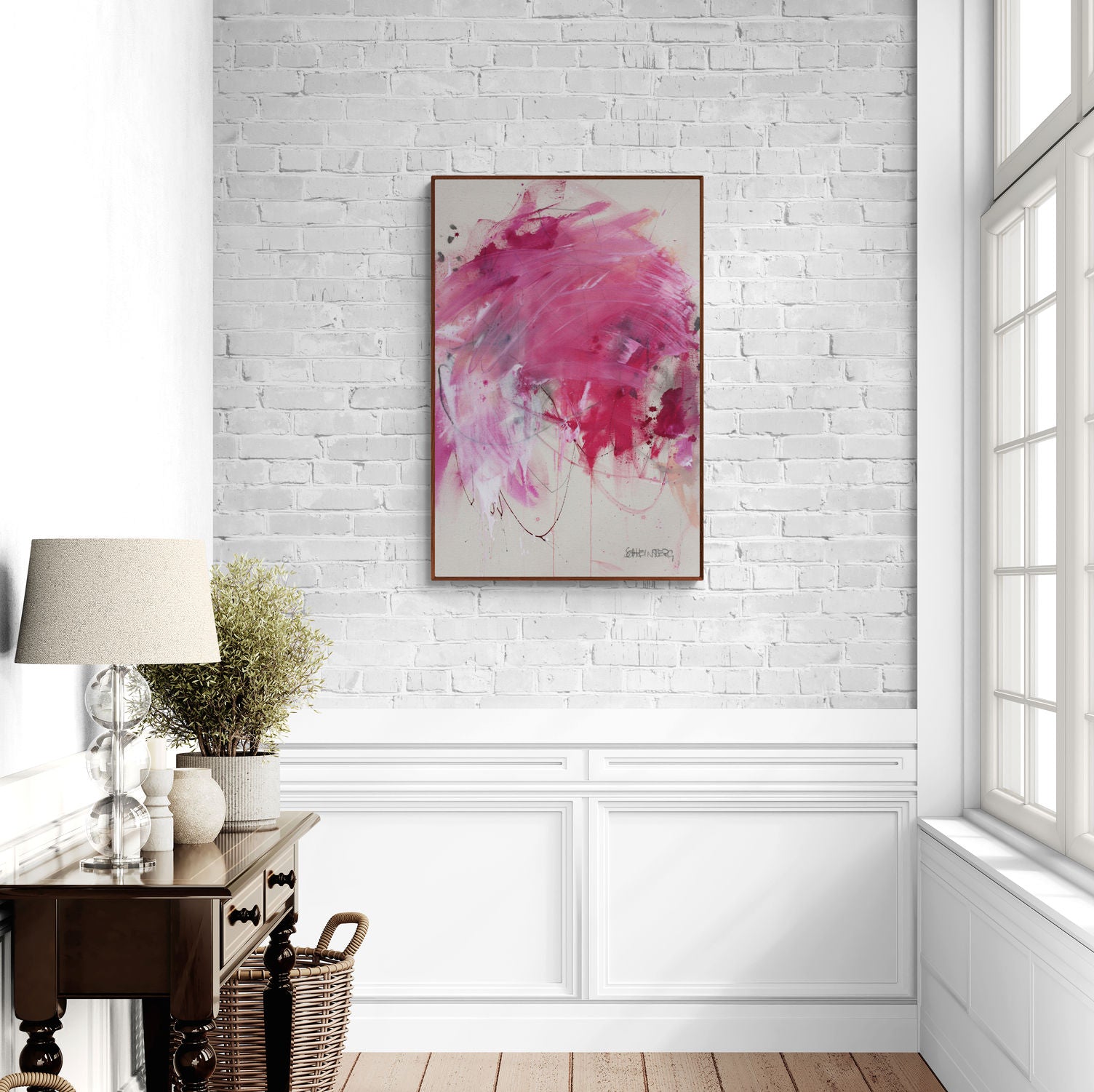
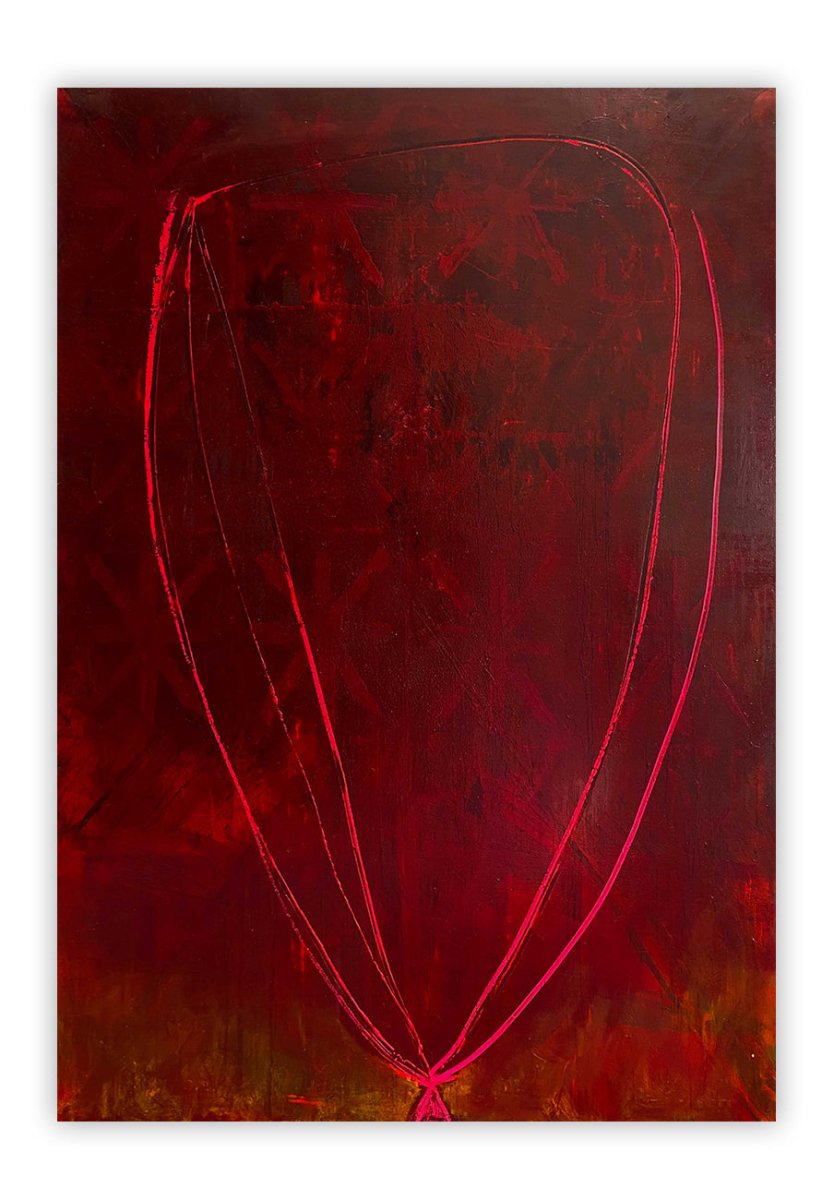
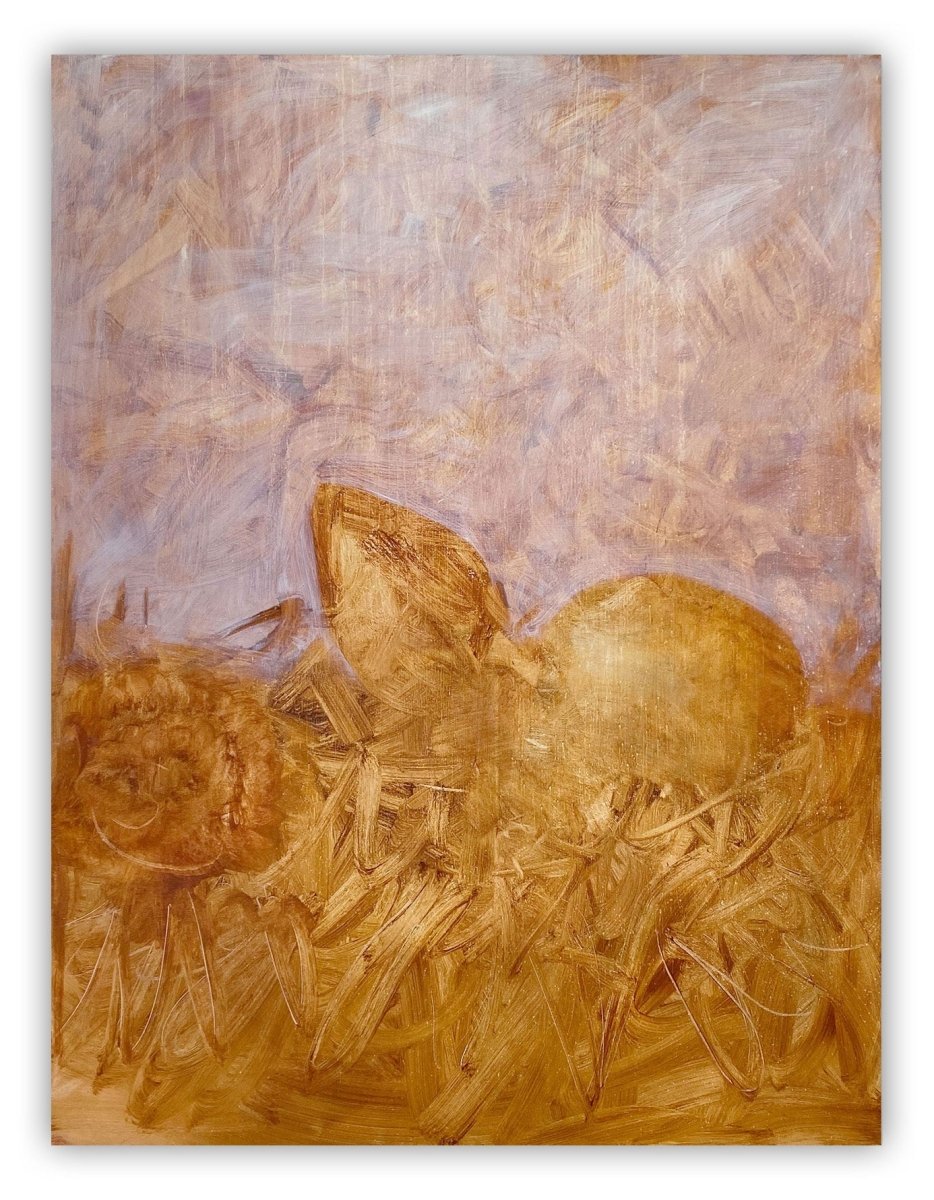
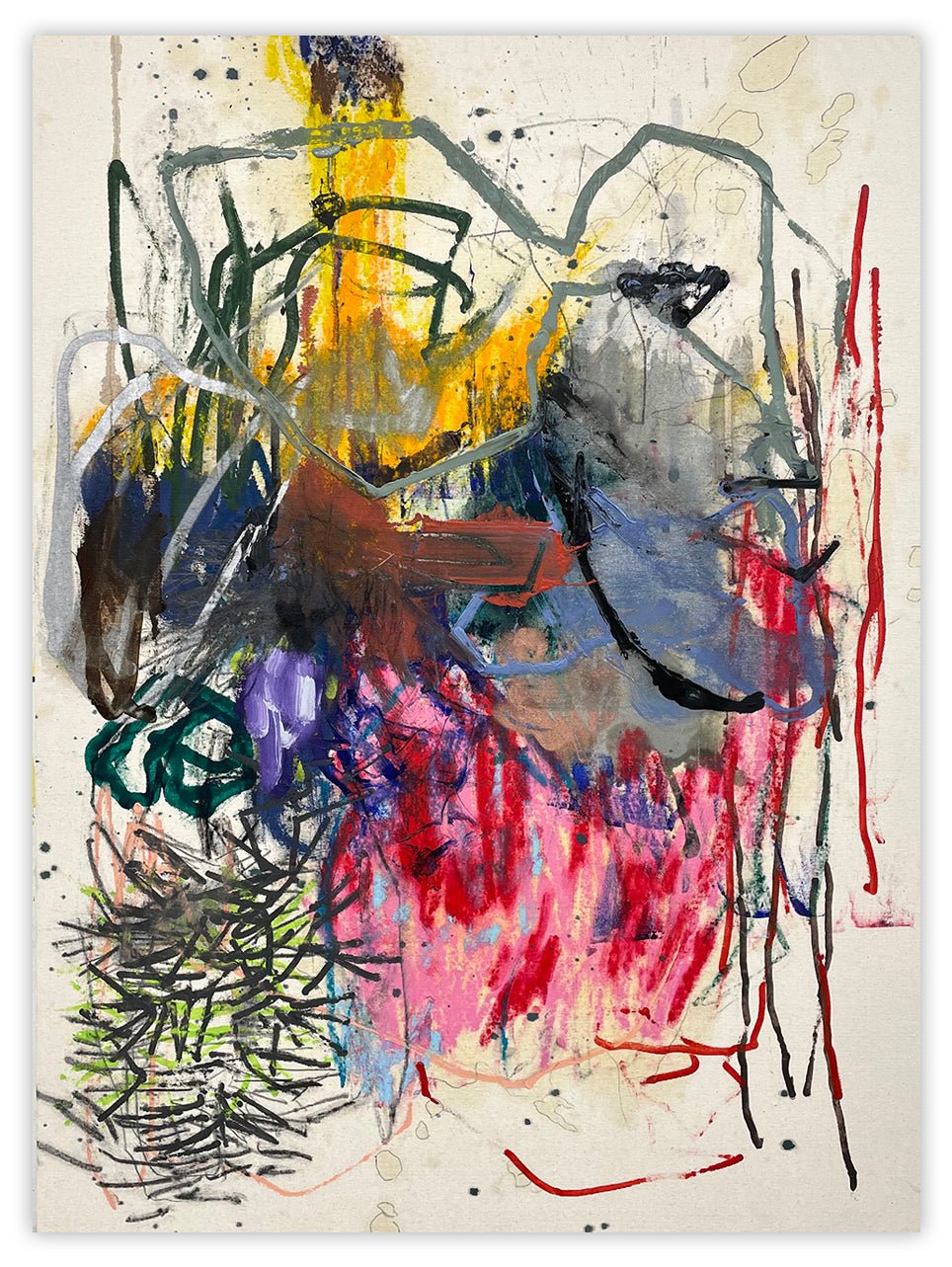
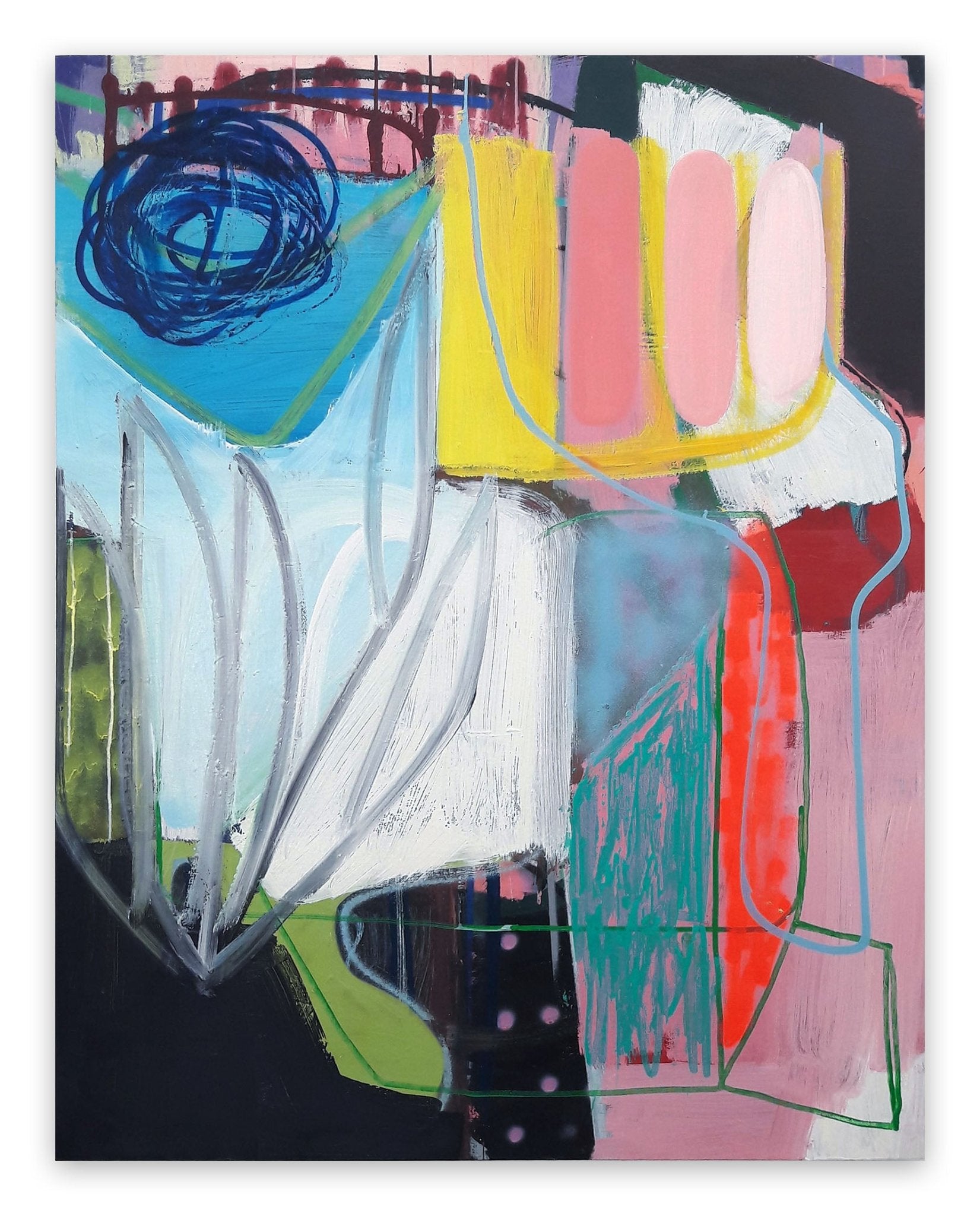
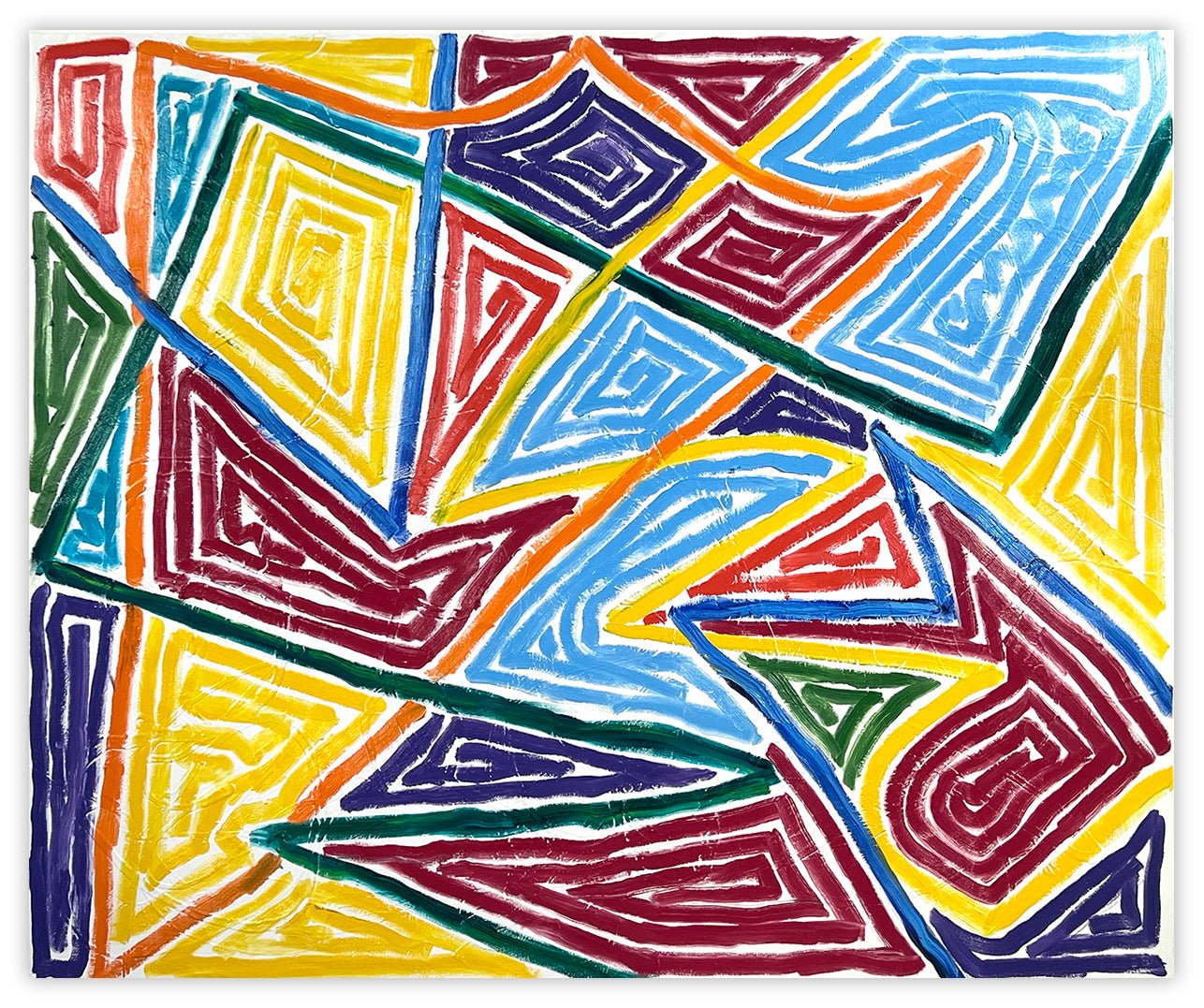
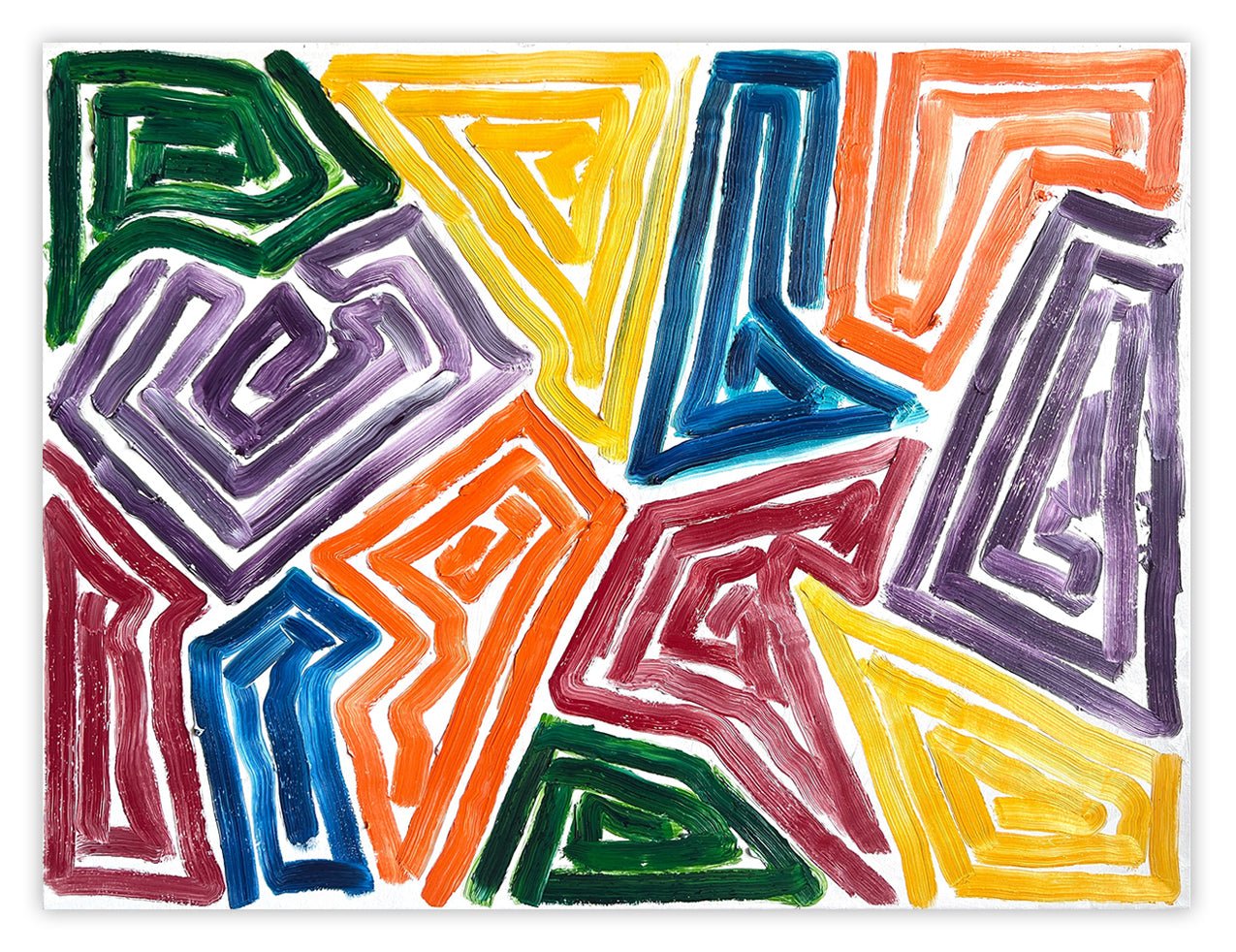
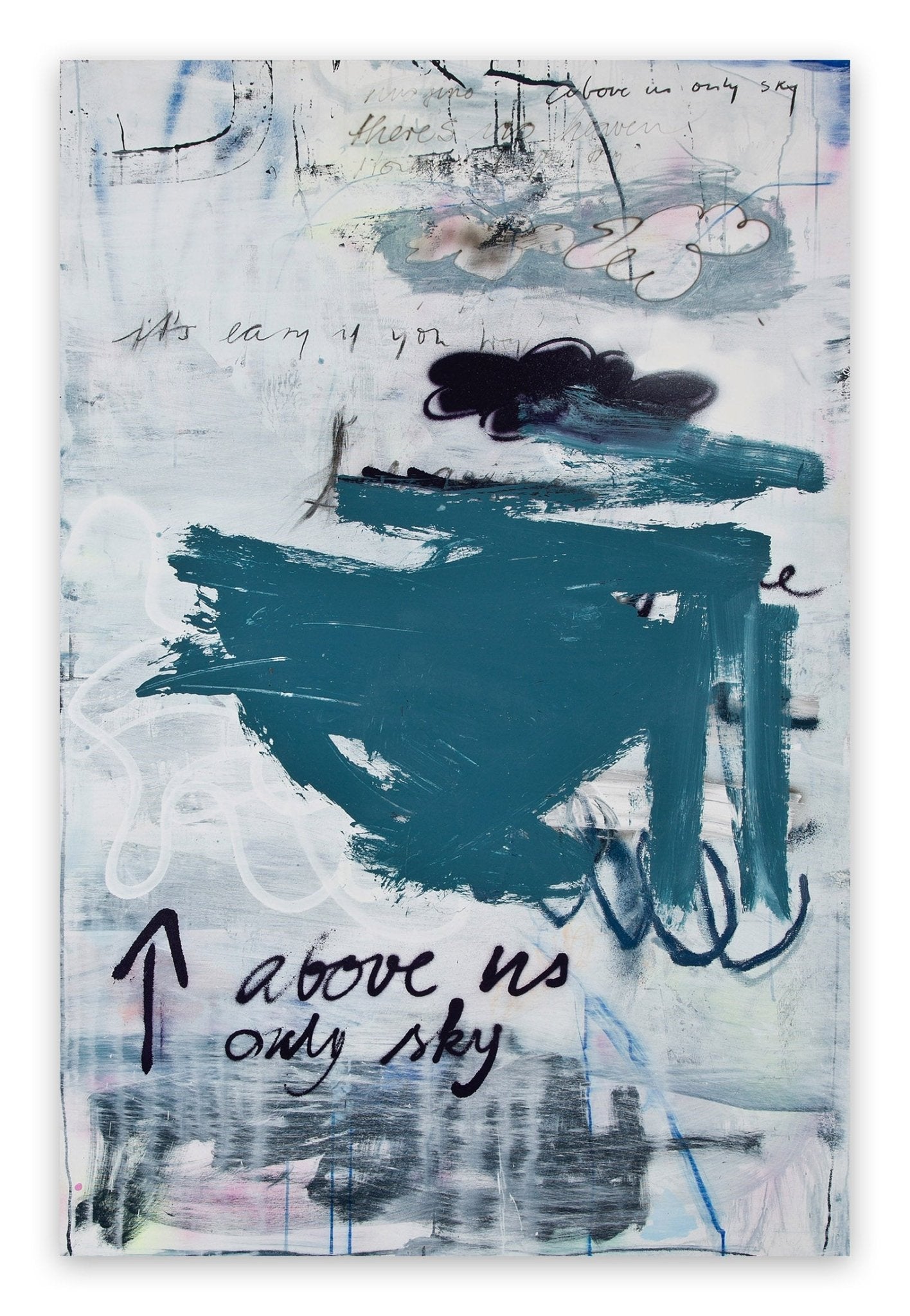
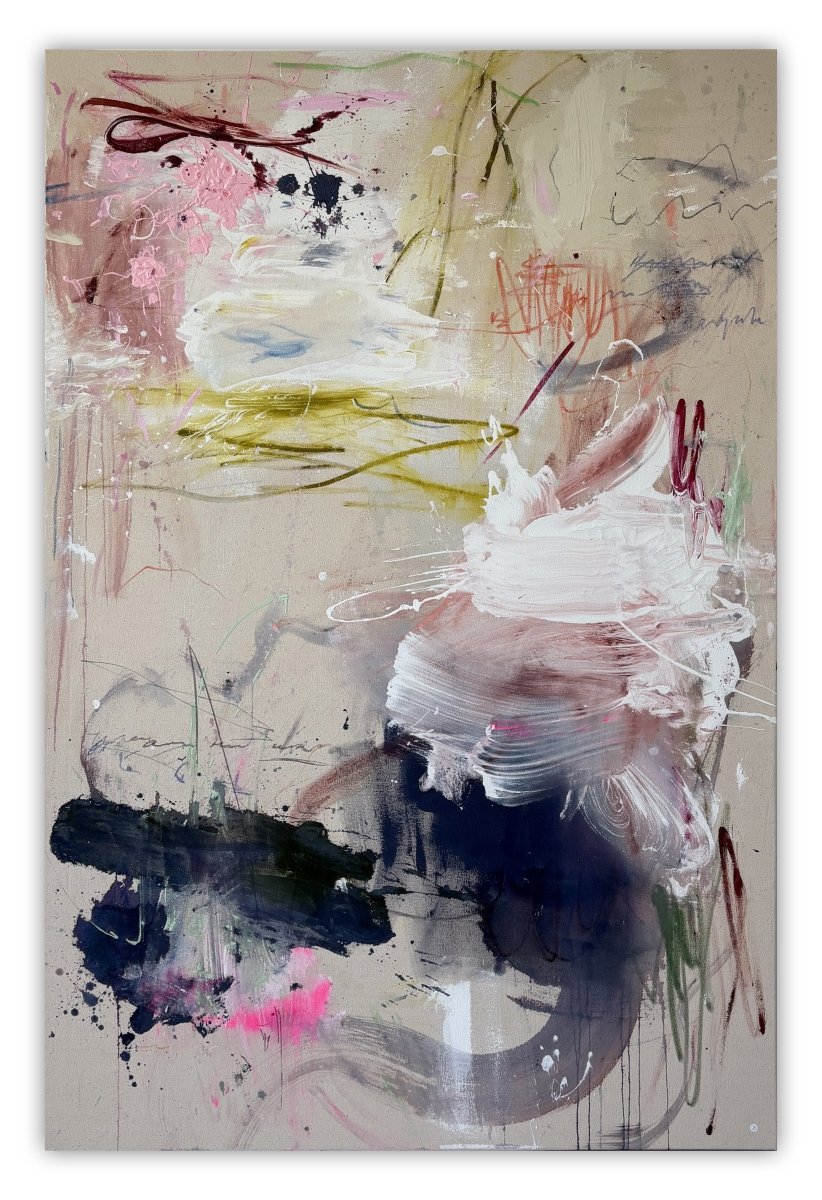
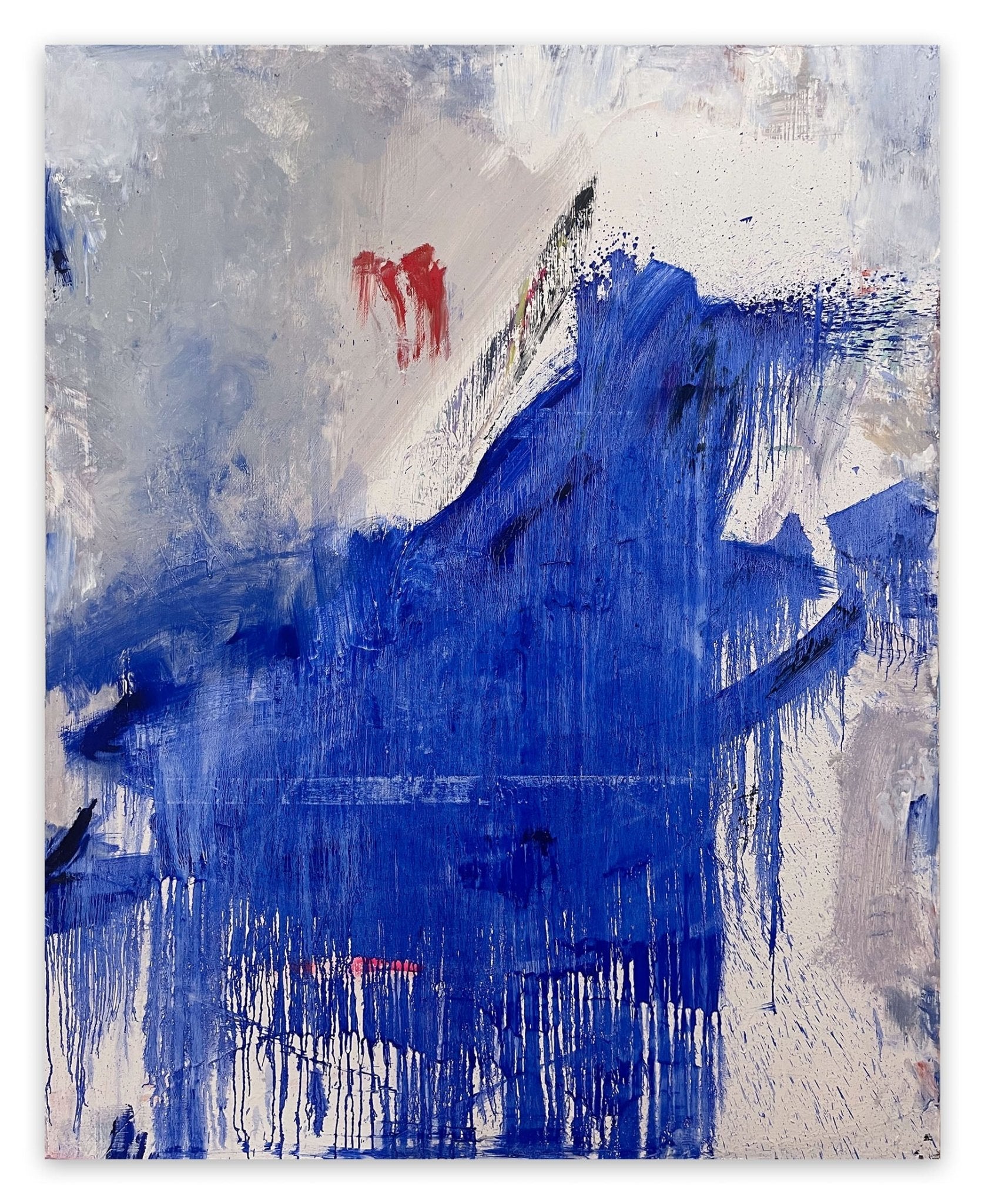
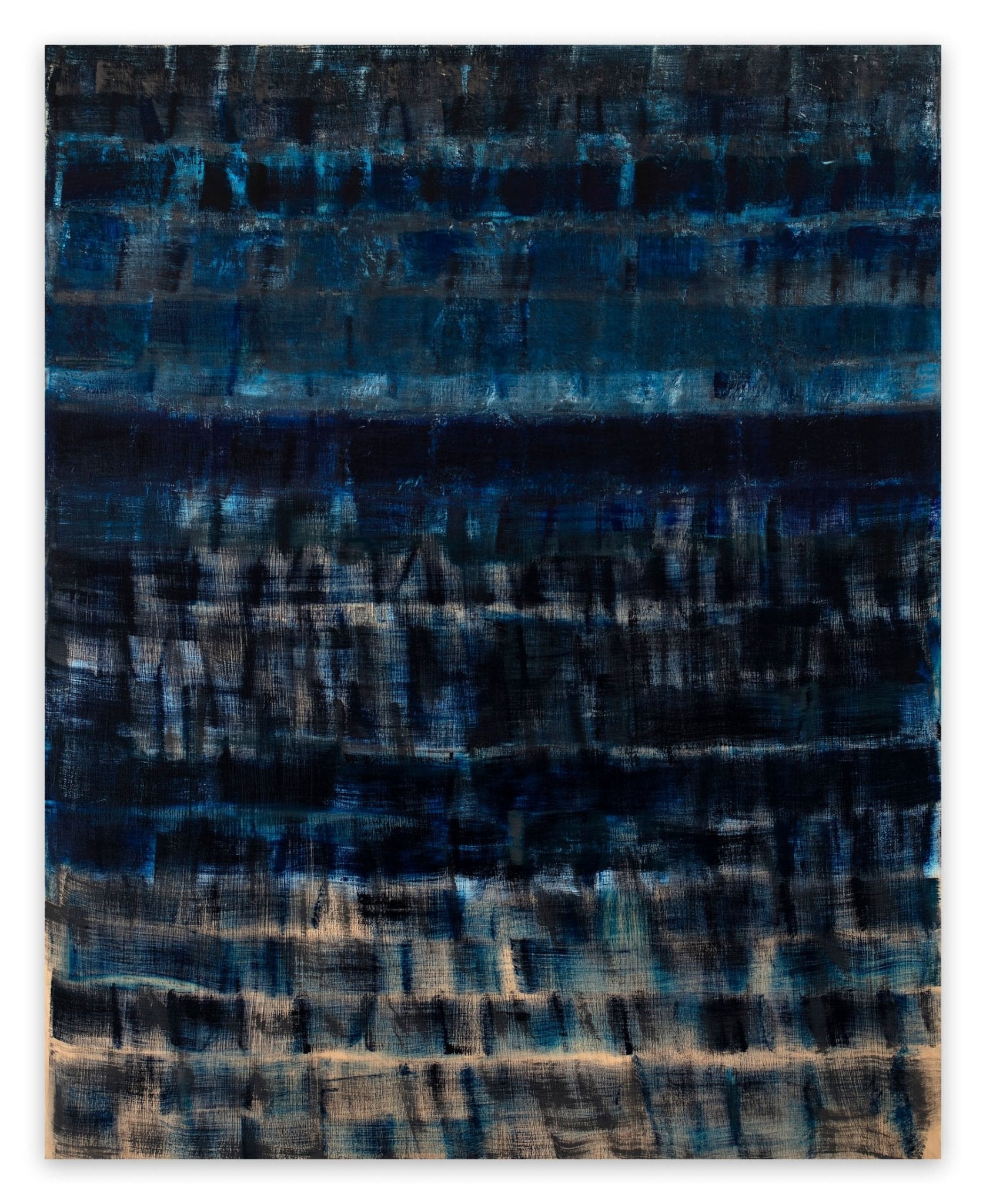
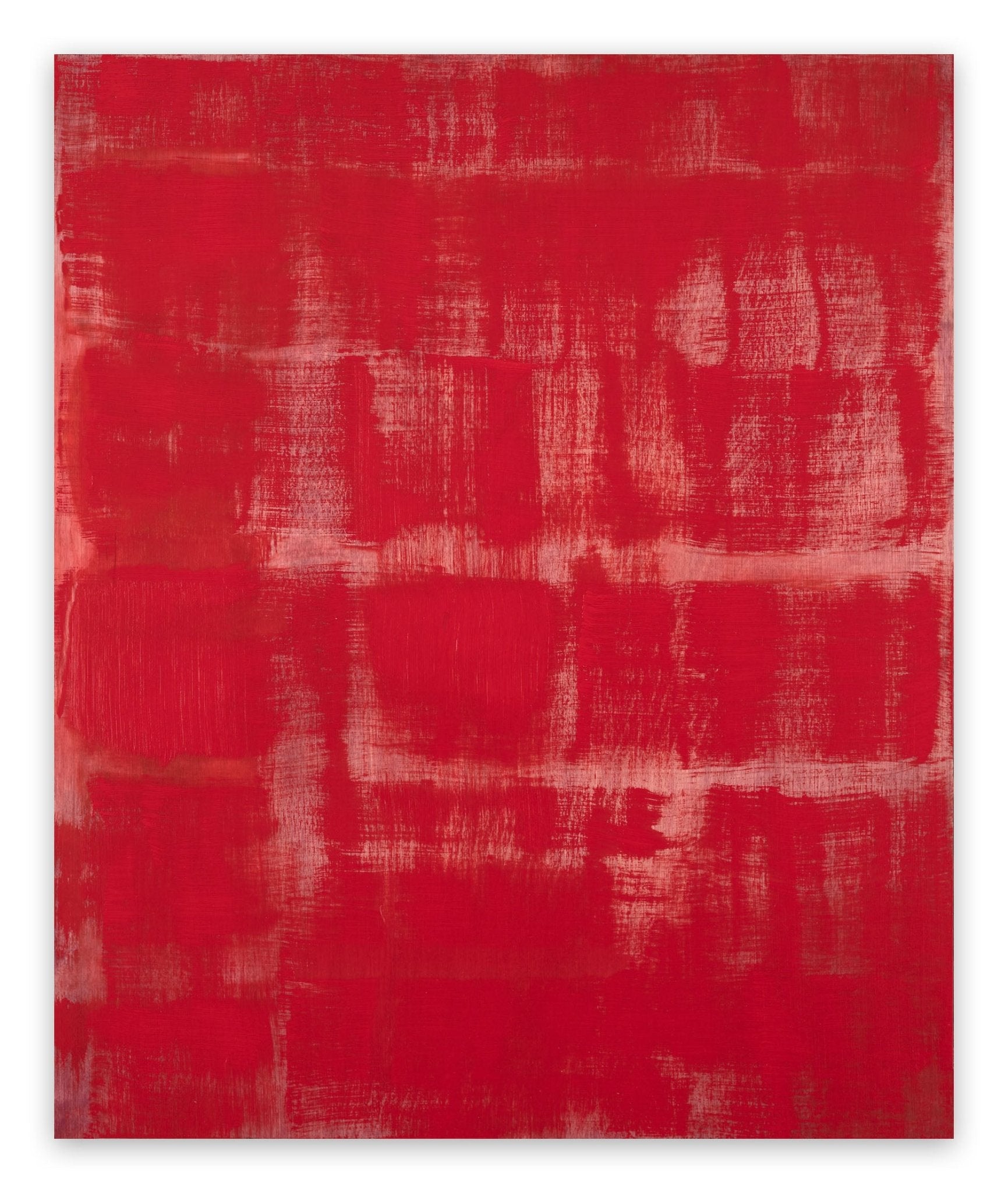
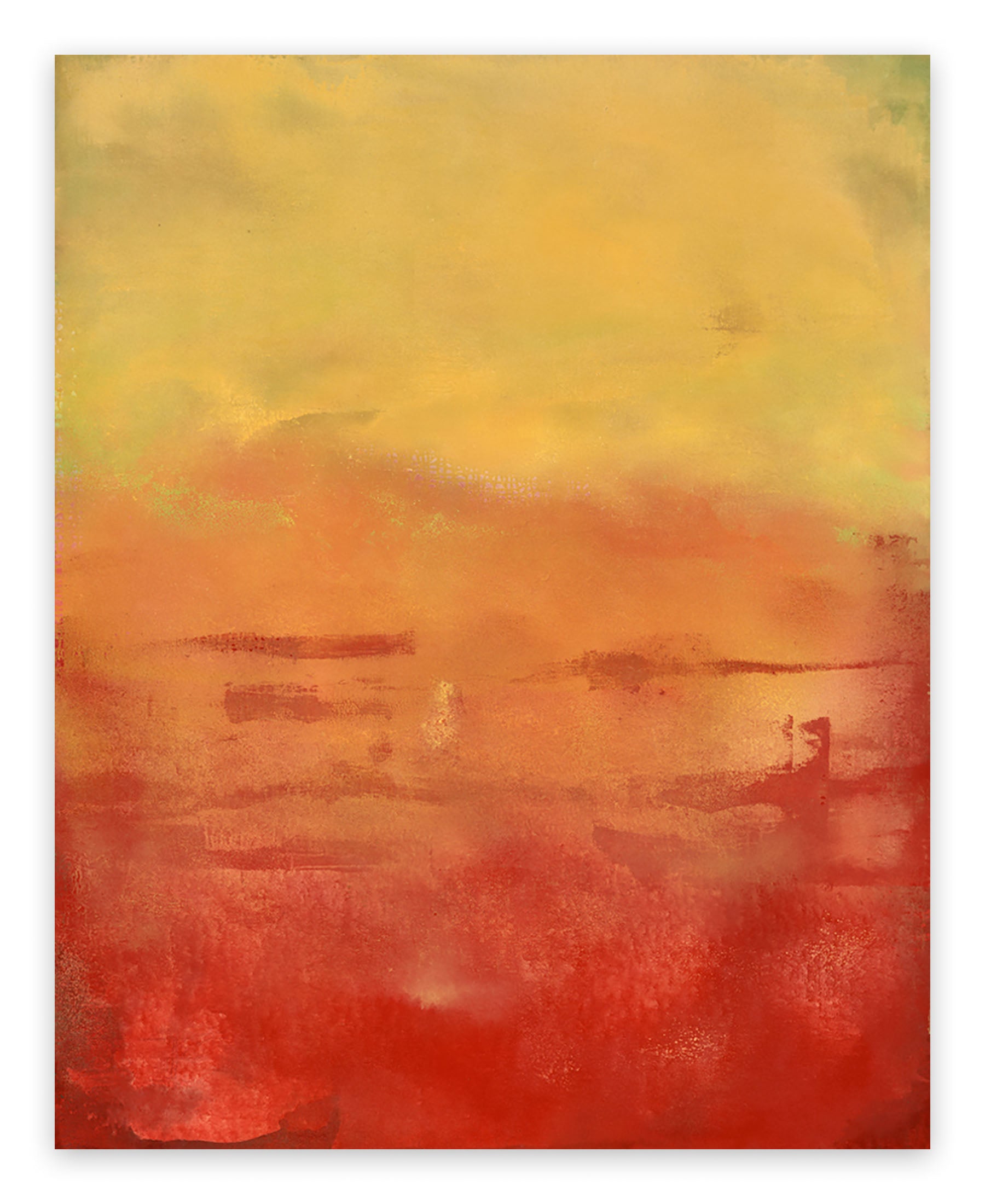
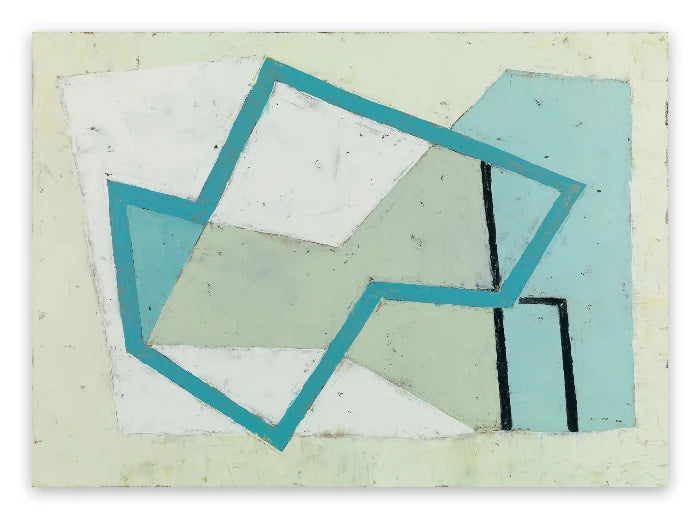
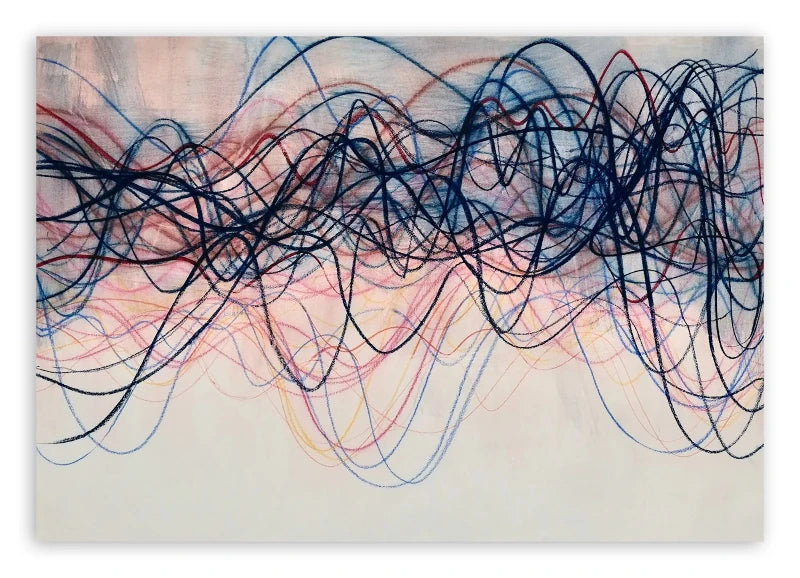
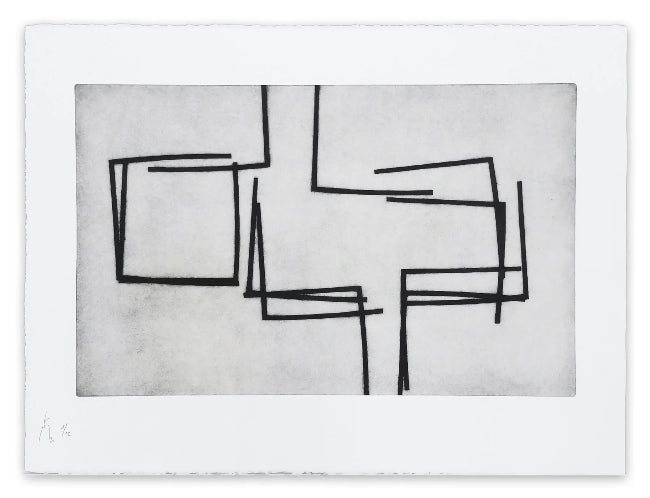
Rather than compress that diversity into another list of names, we invite you to encounter it through the works themselves. The selection of artworks at the end of this article offers a starting point: different voices, different approaches, and an opportunity to see how the questions raised by the pioneers continue to take shape in contemporary abstraction.
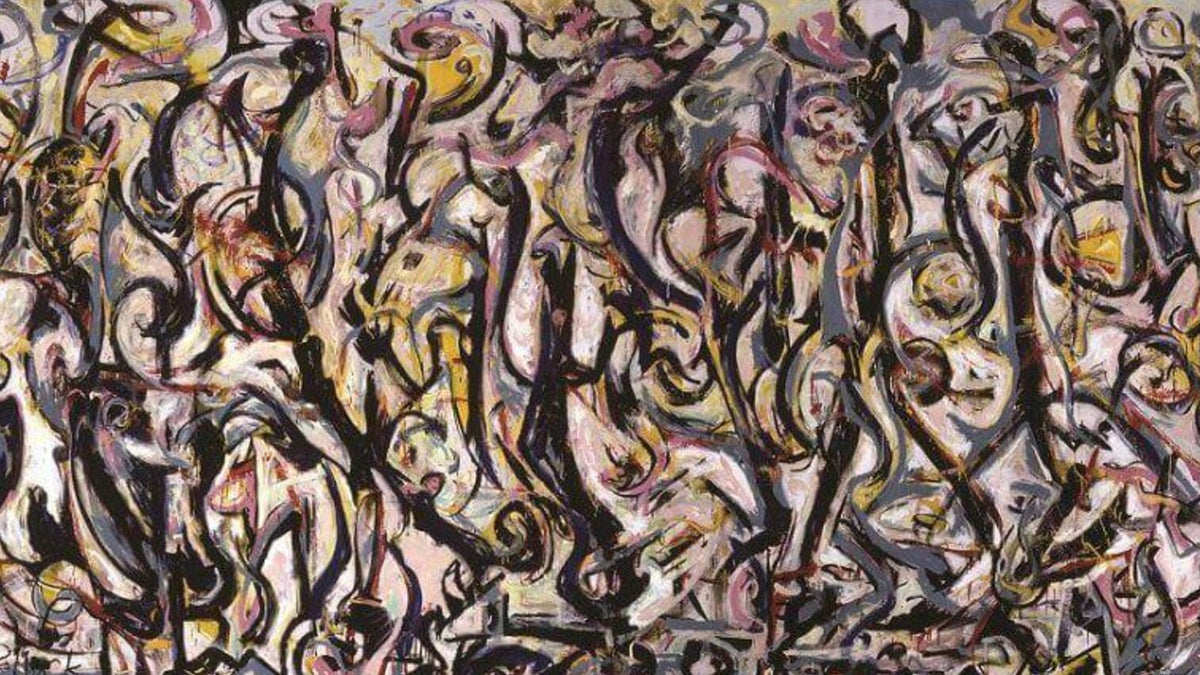
Featured image: Jackson Pollock - Mural (detail), 1943. © 2019 Pollock-Krasner Foundation / Artists Rights Society (ARS), New York
All images used for illustrative purposes only
By Phillip Barcio (2016)
Edited by Francis Berthomier (2026)
Abstract Expressionist Artworks At IdeelArt