Nikolaos Schizas
1982
(SPAIN)
Greek
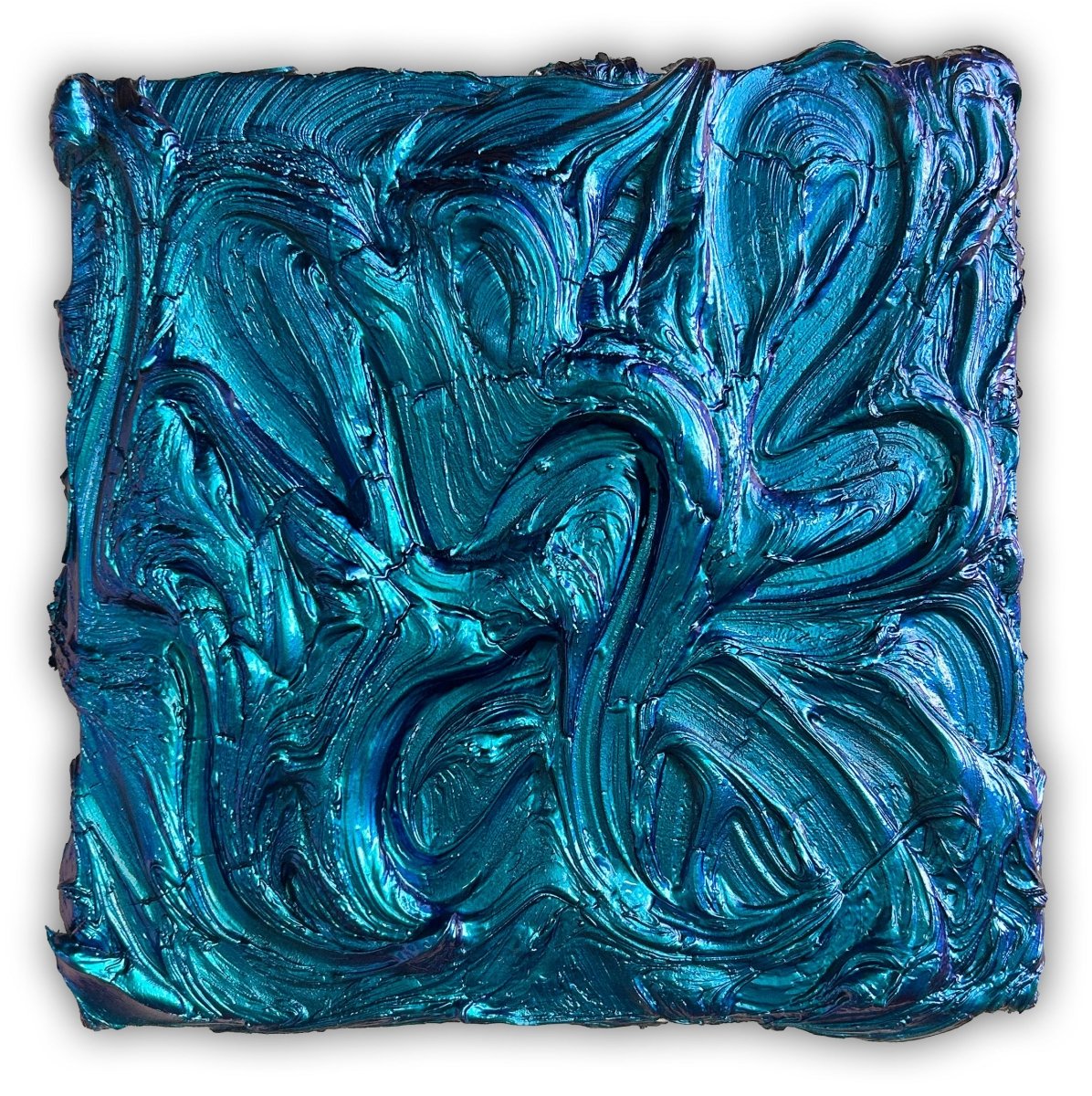
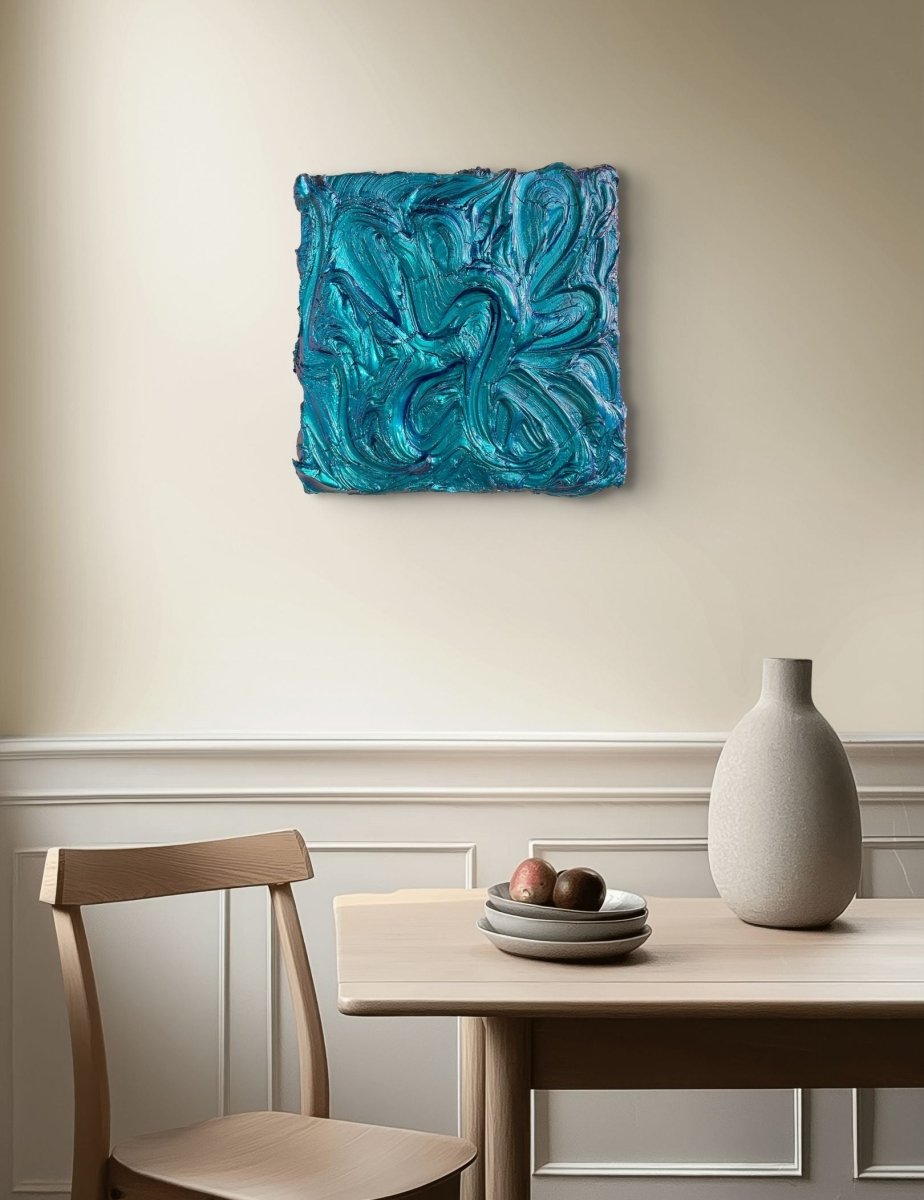
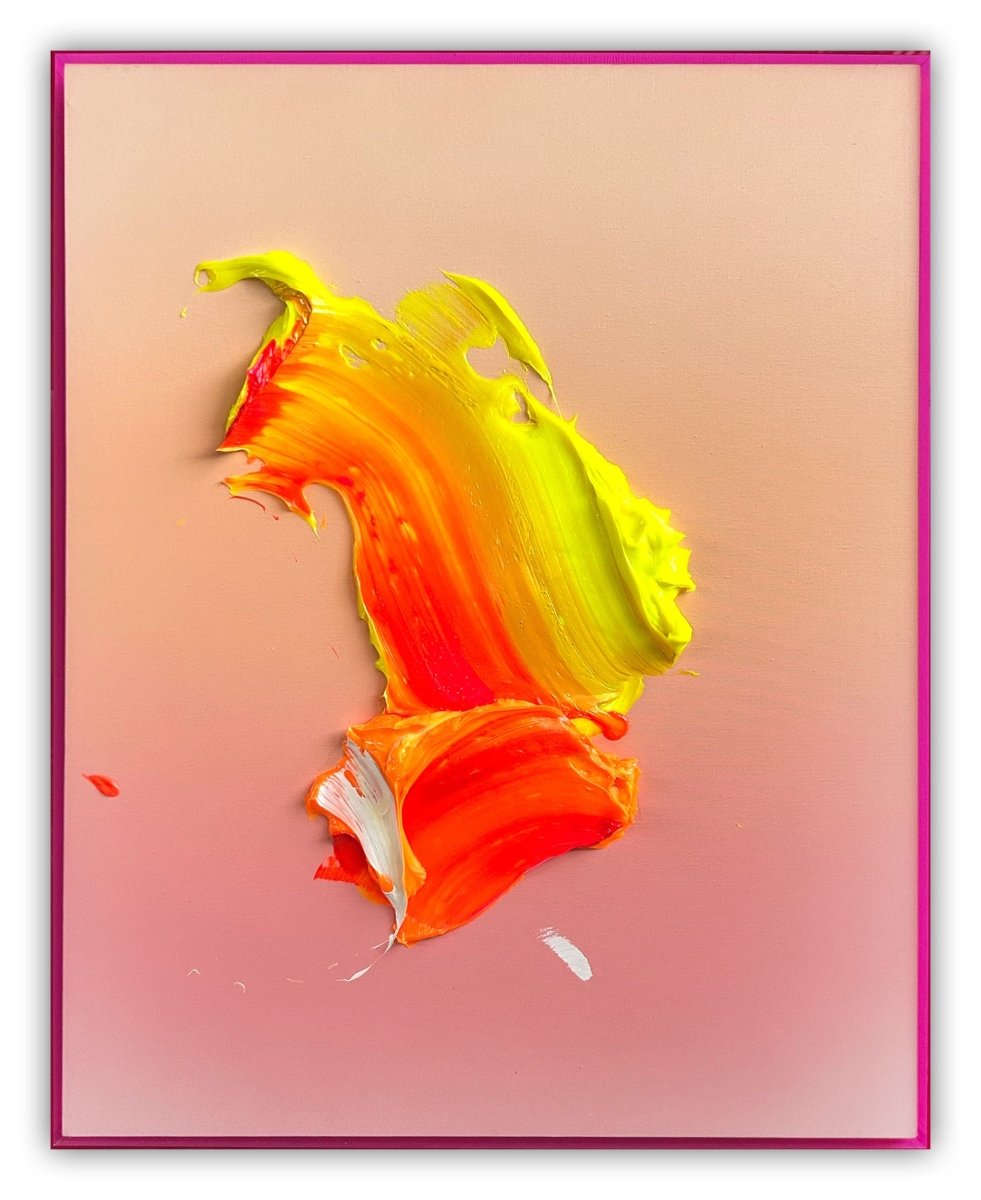
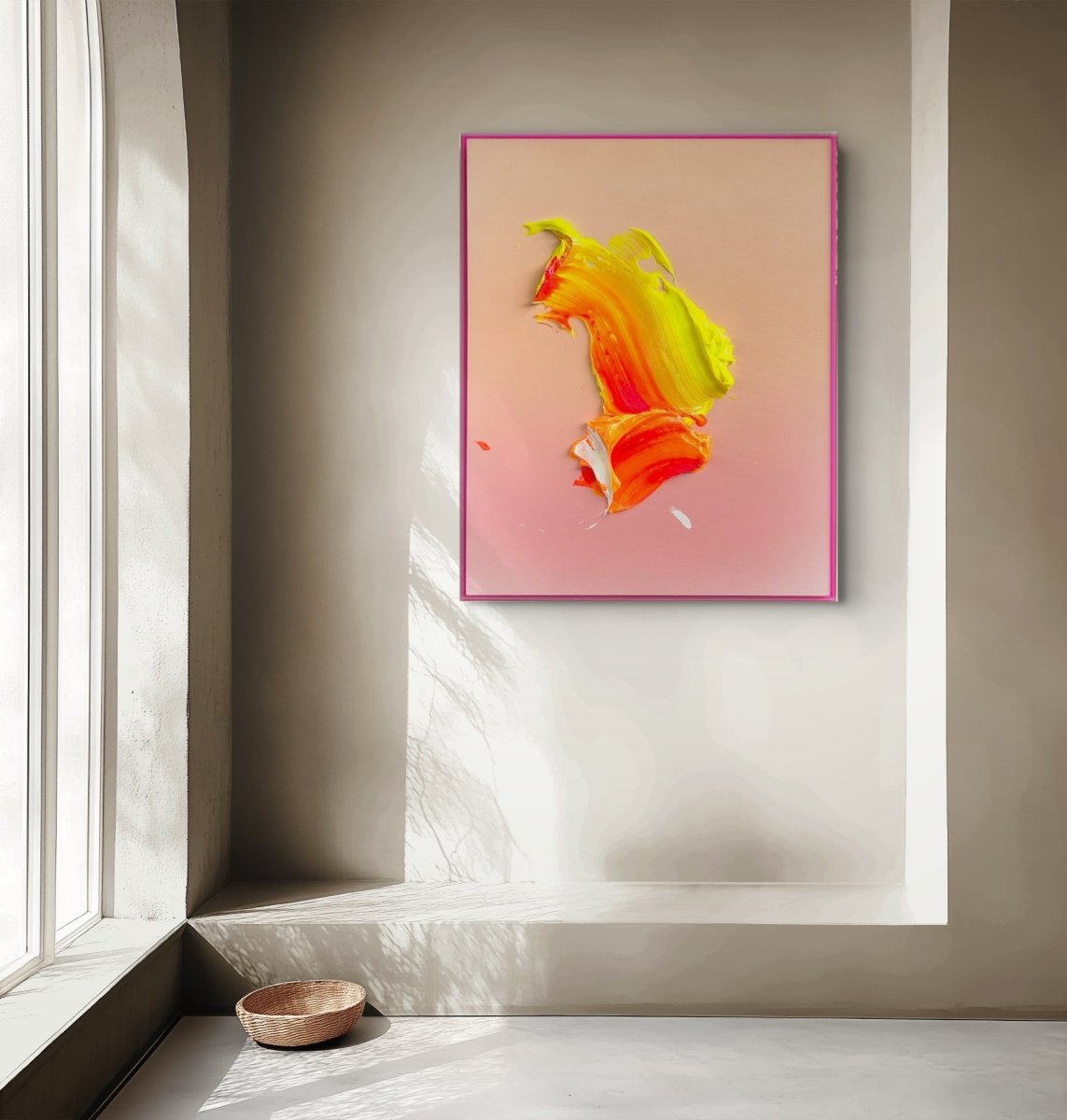
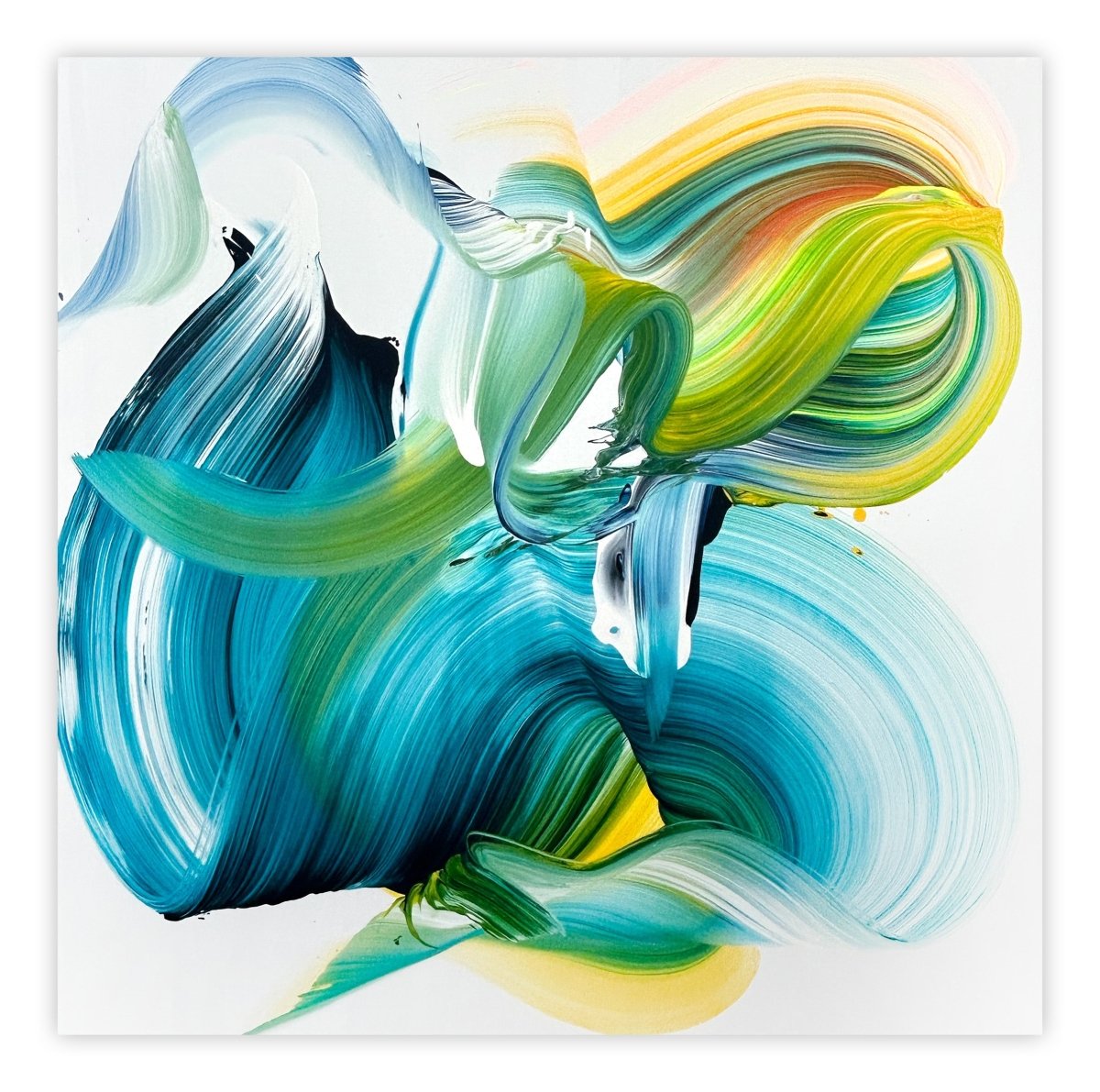
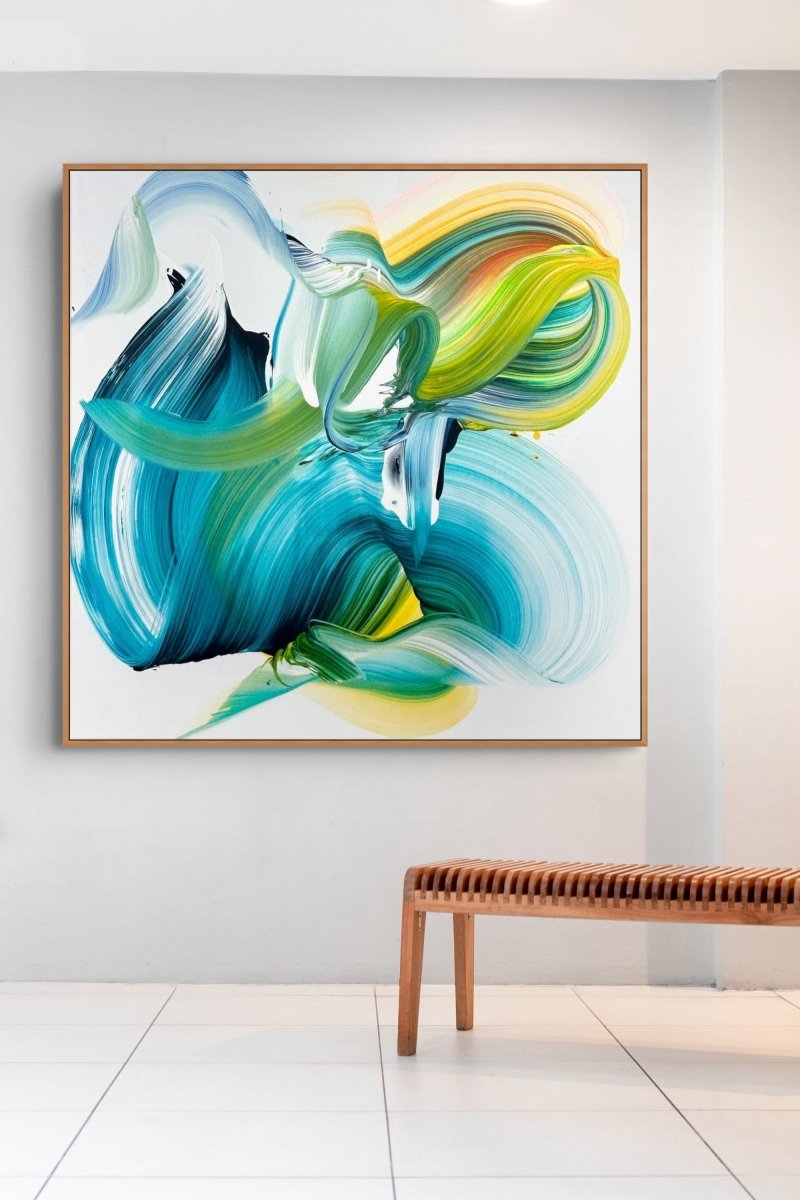
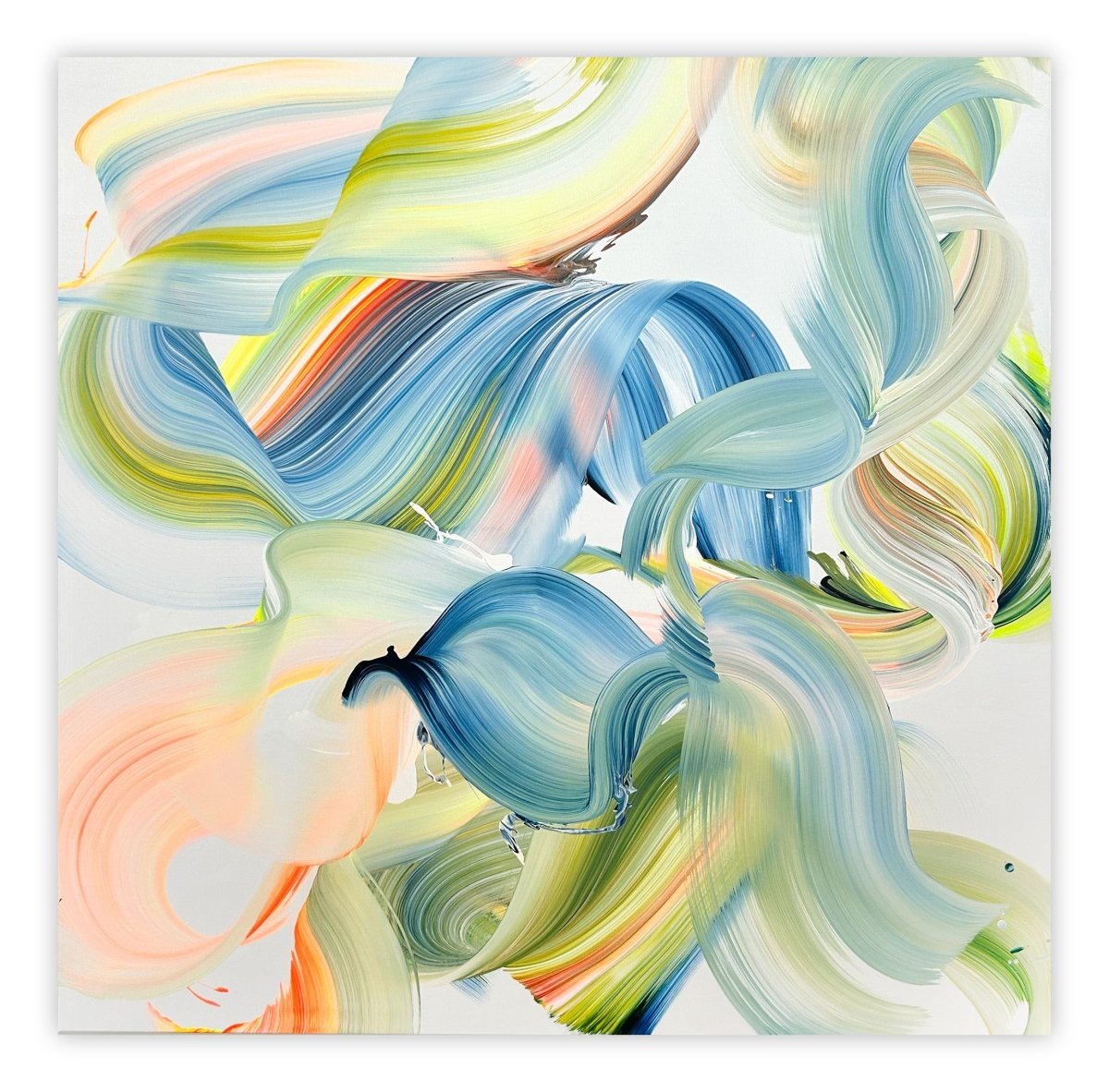
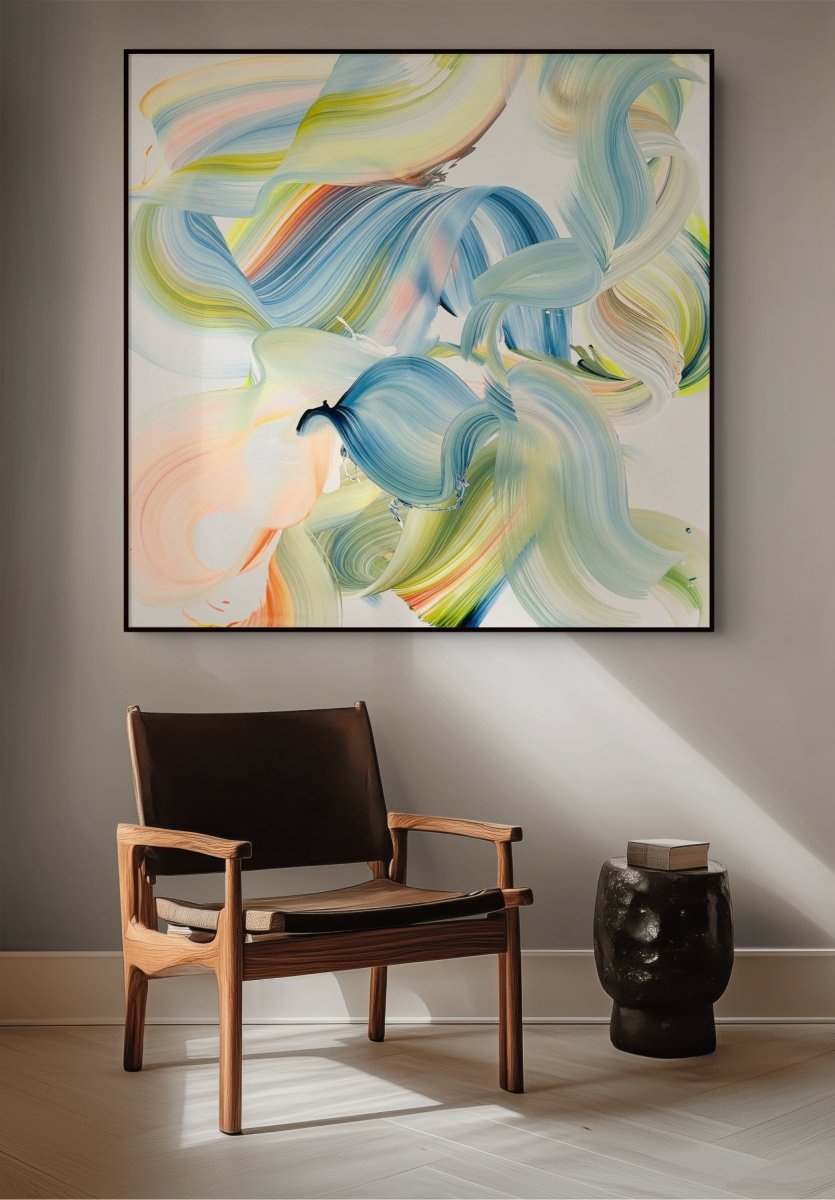
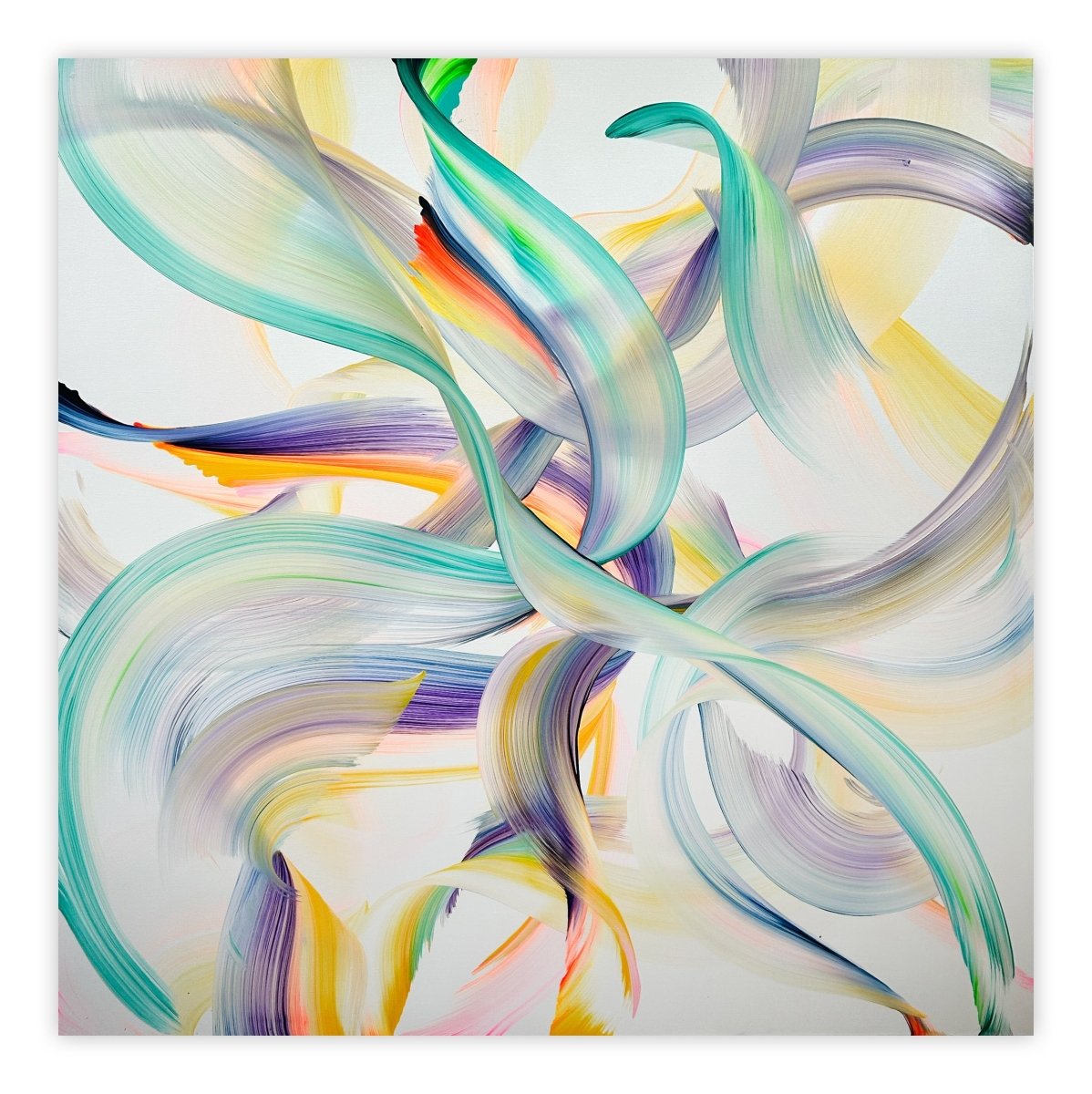
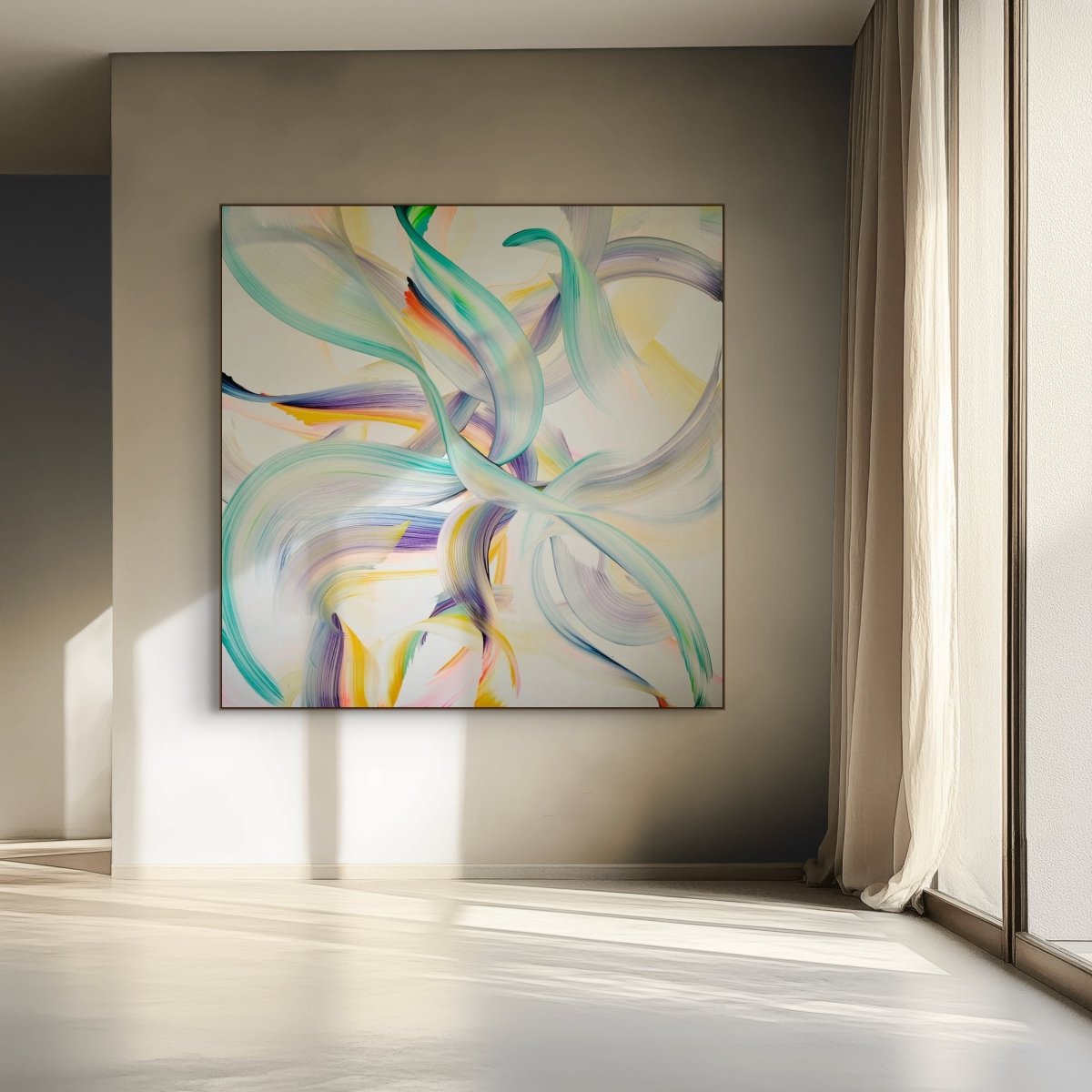
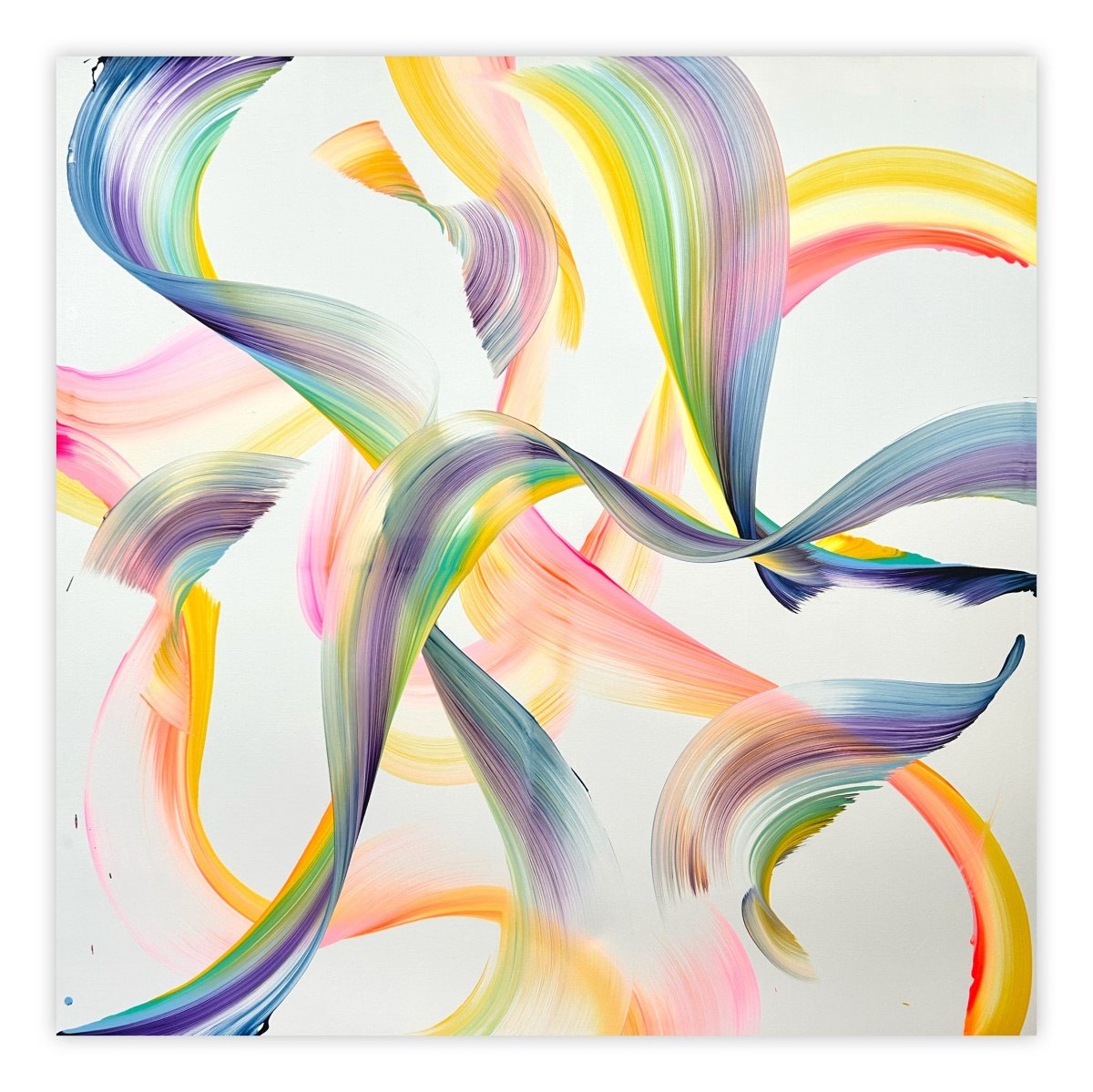
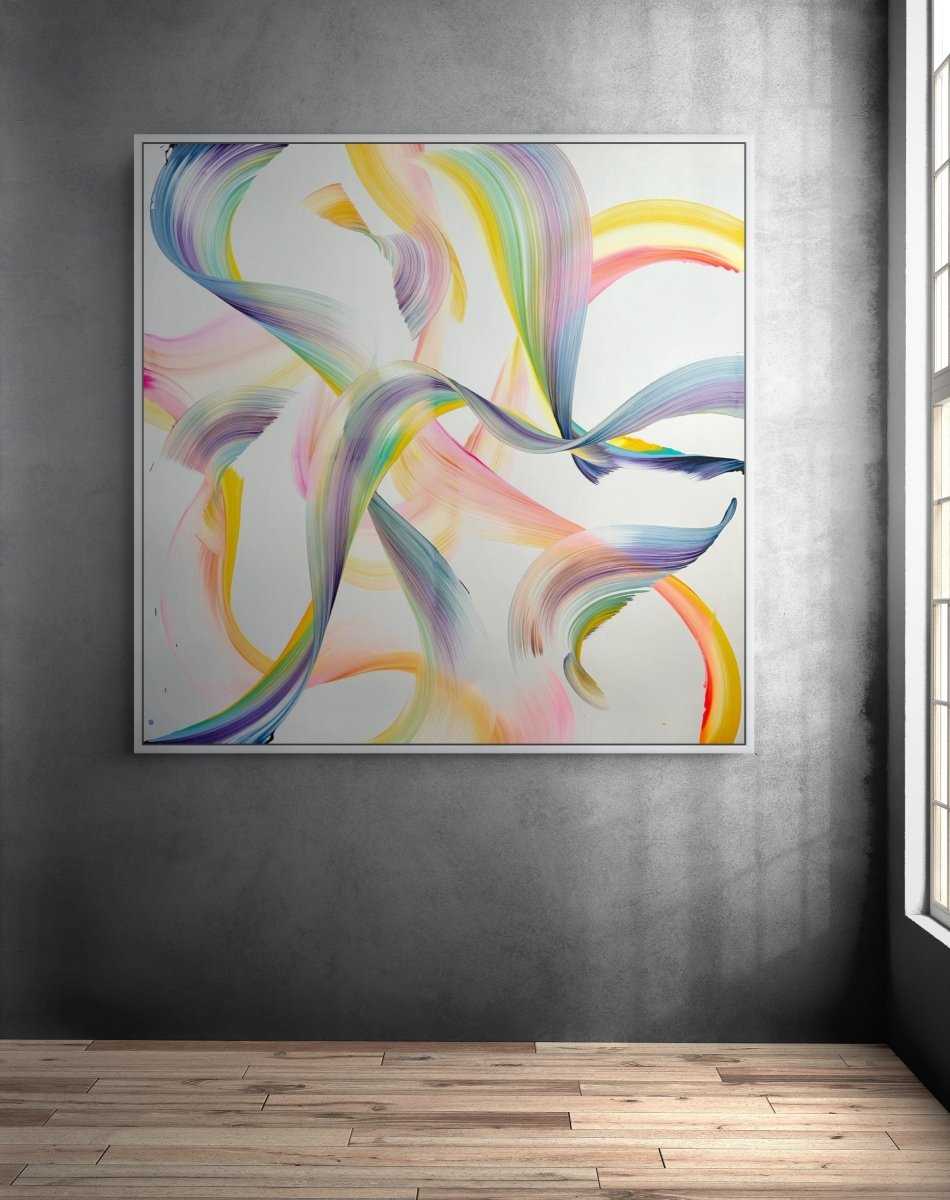


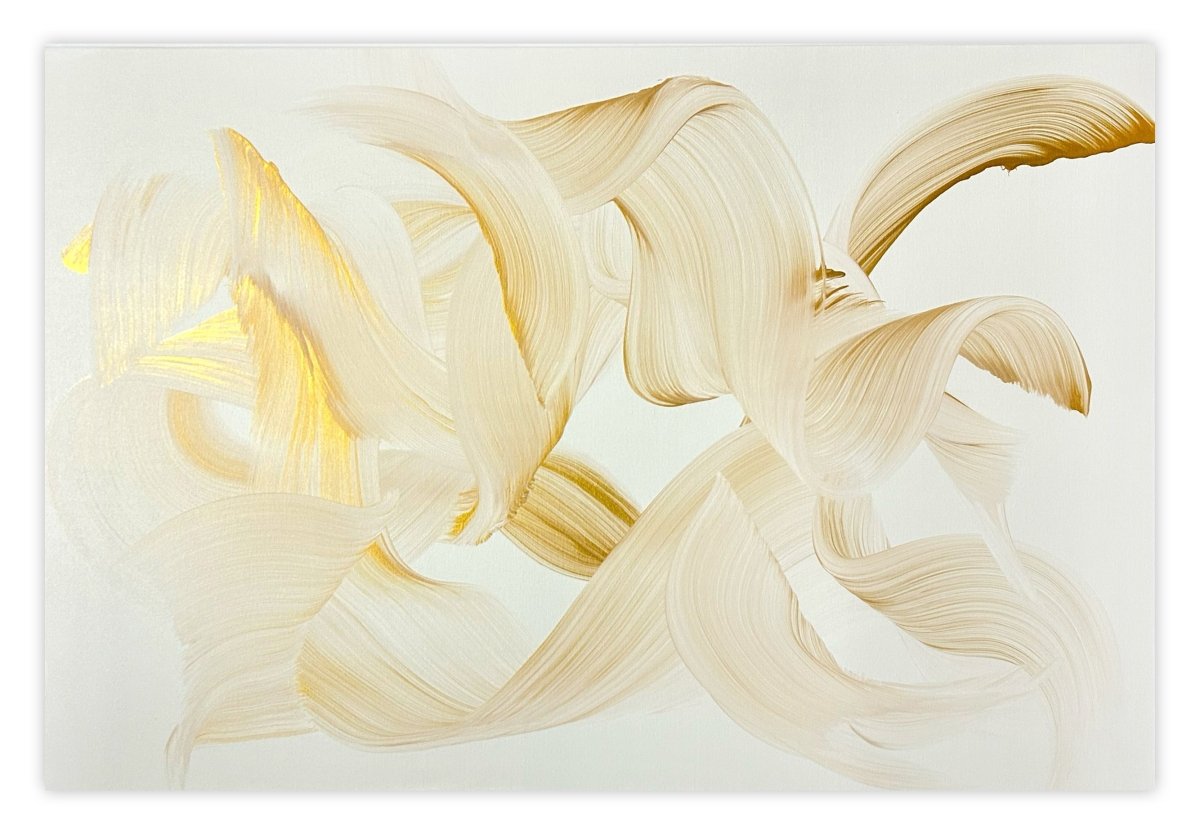
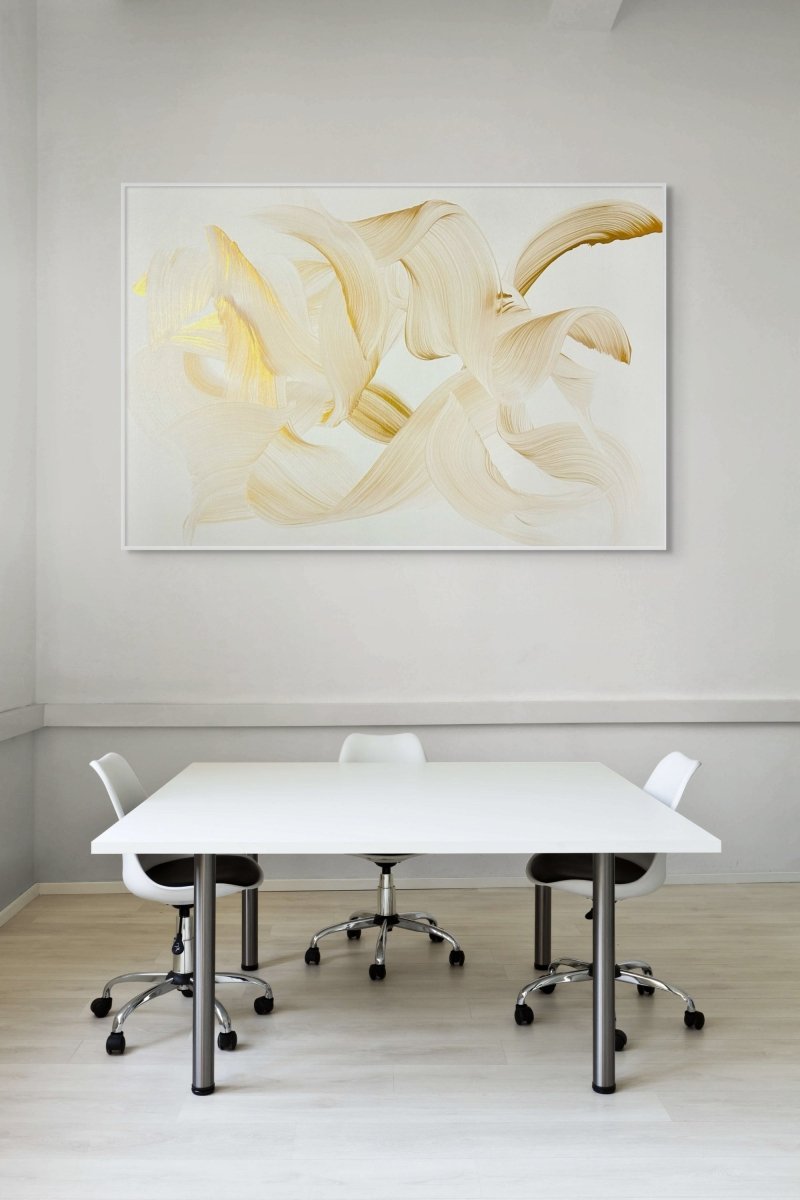
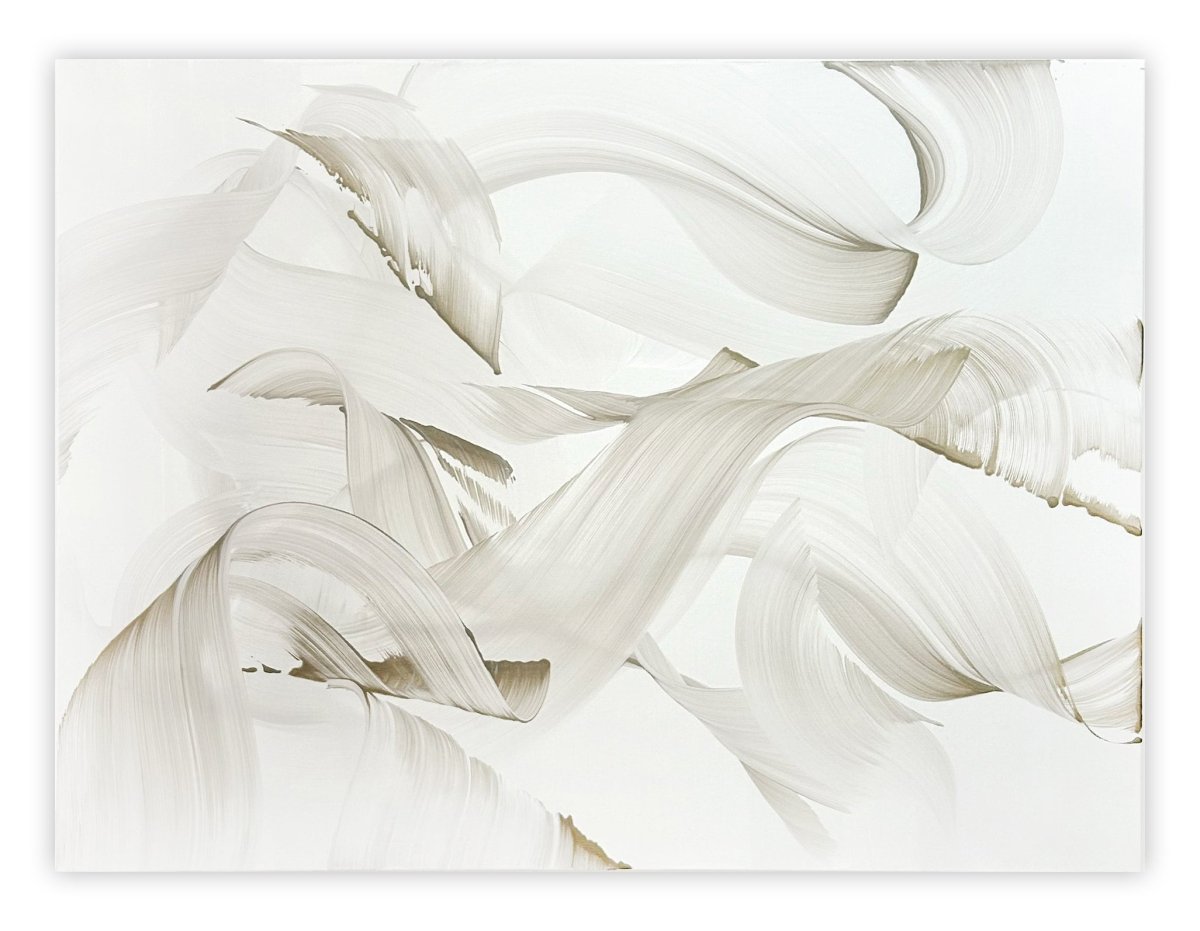
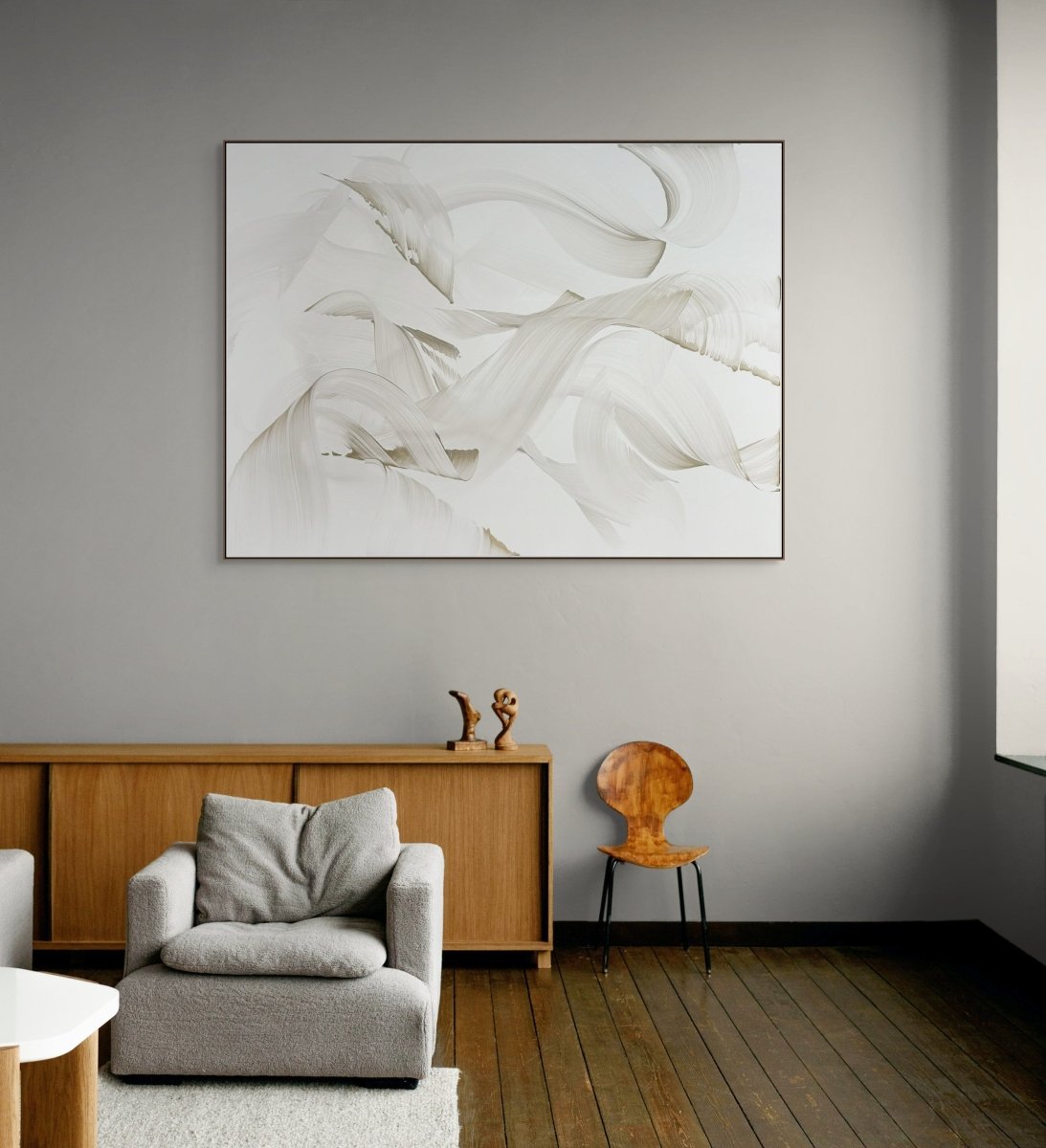
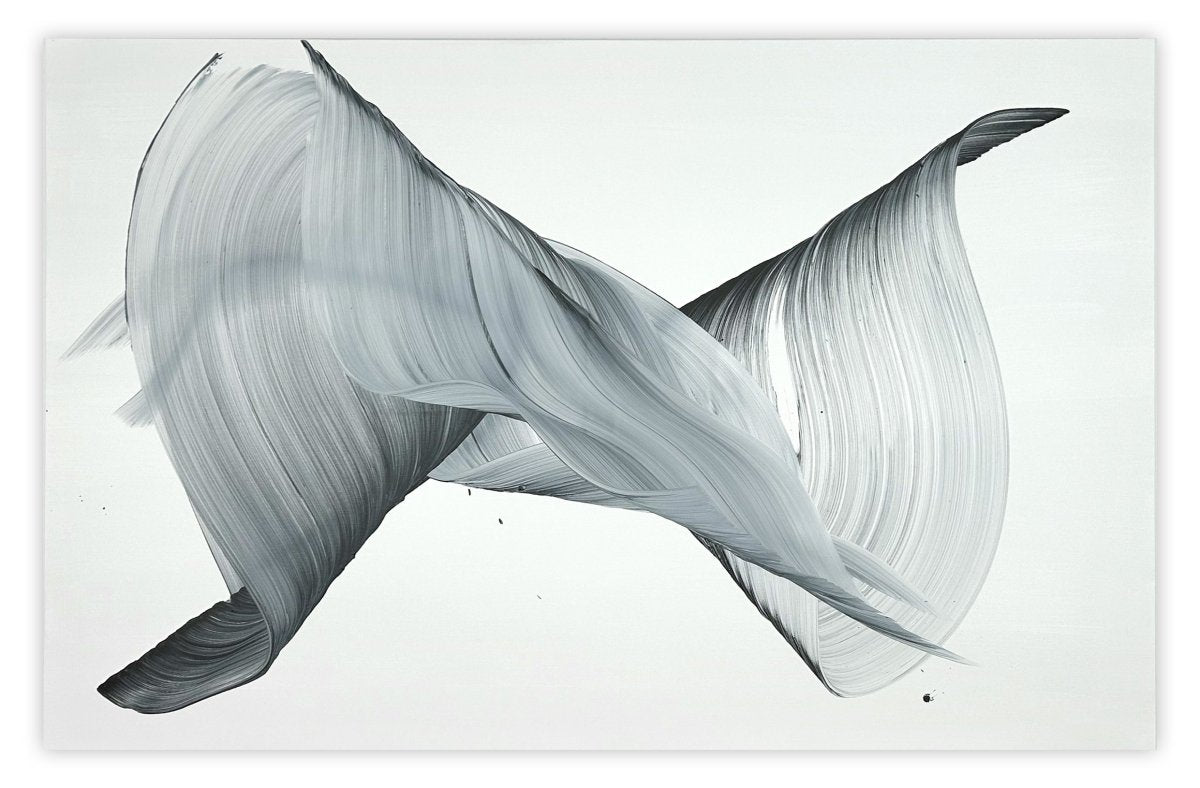
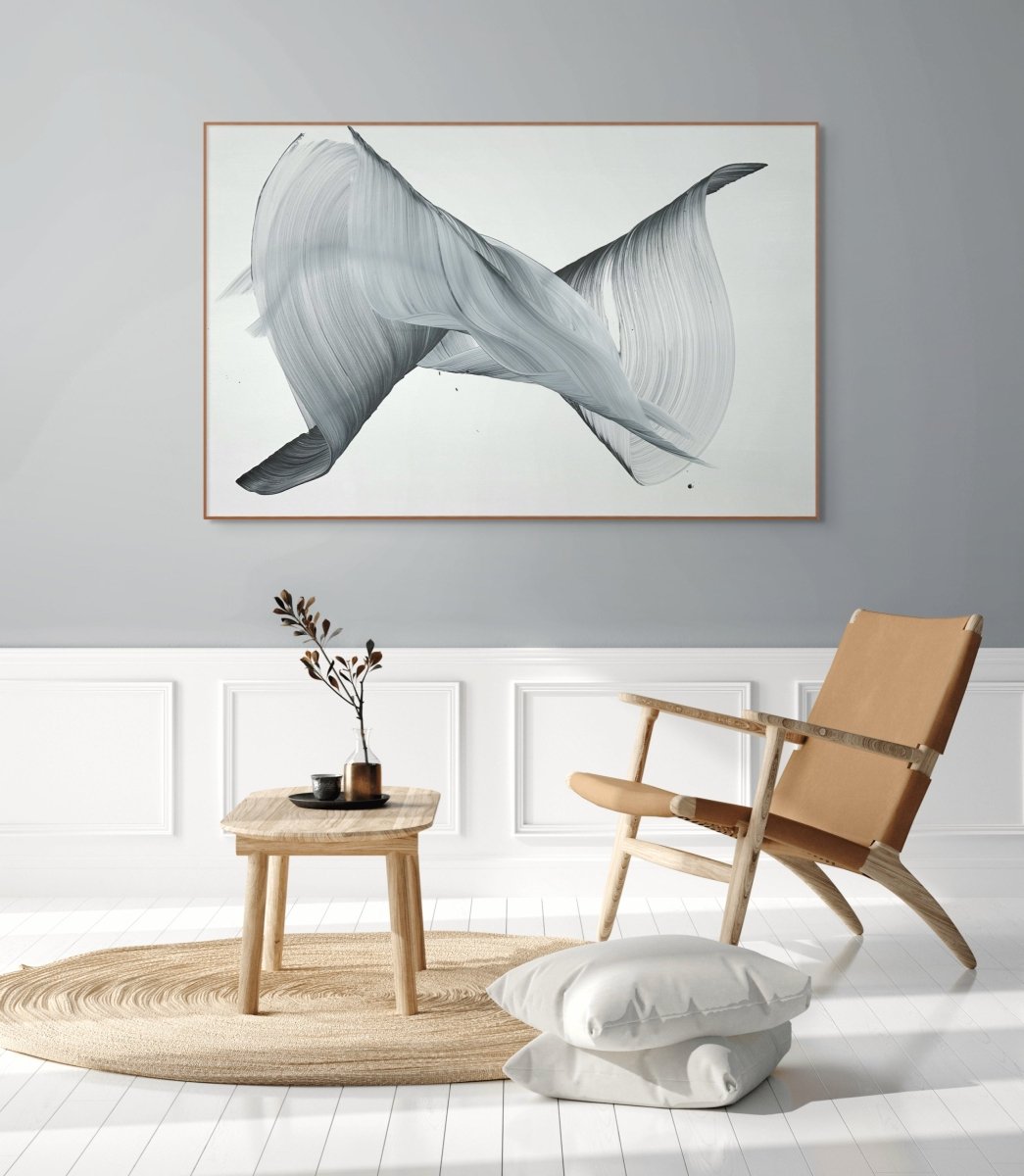
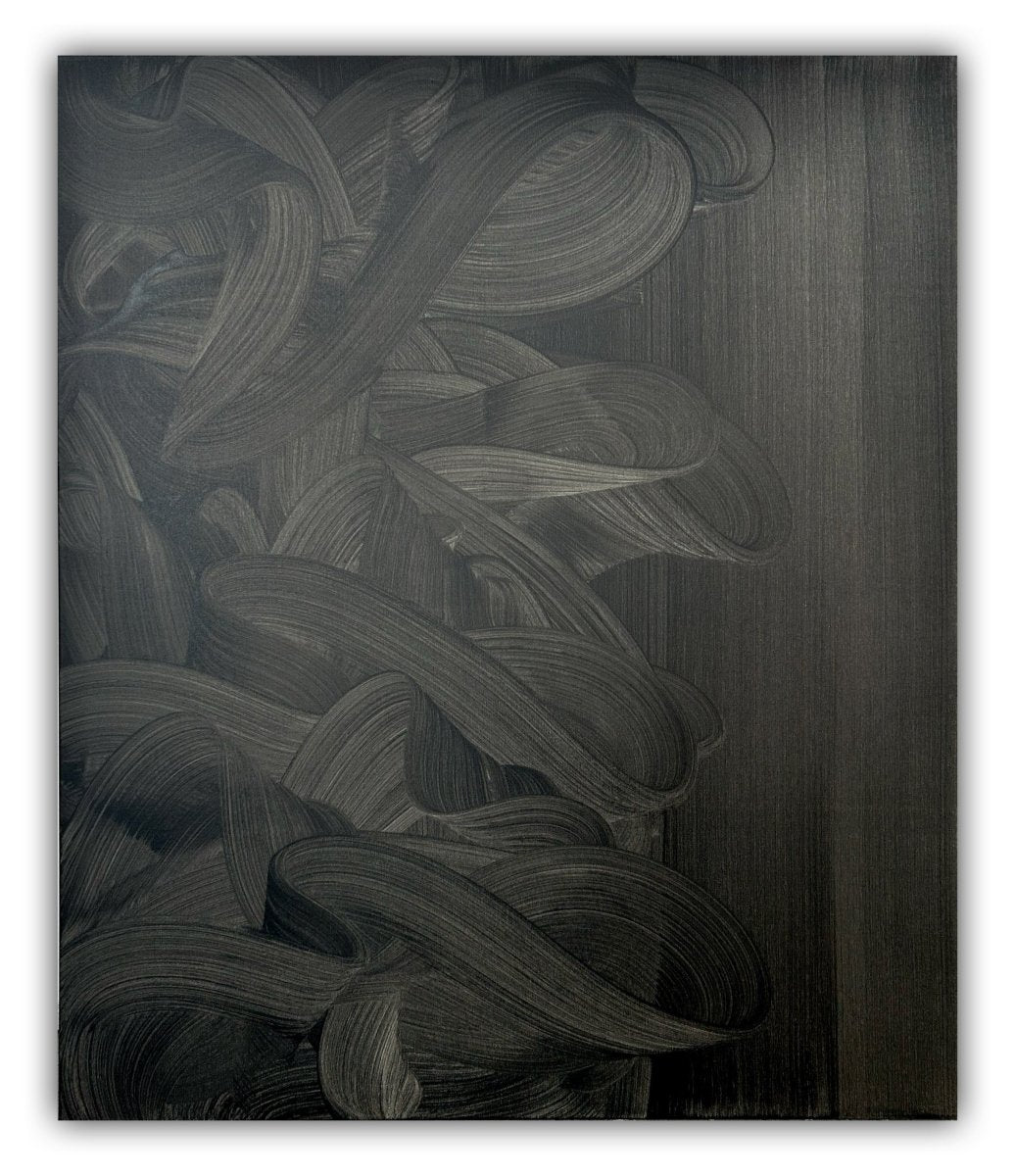
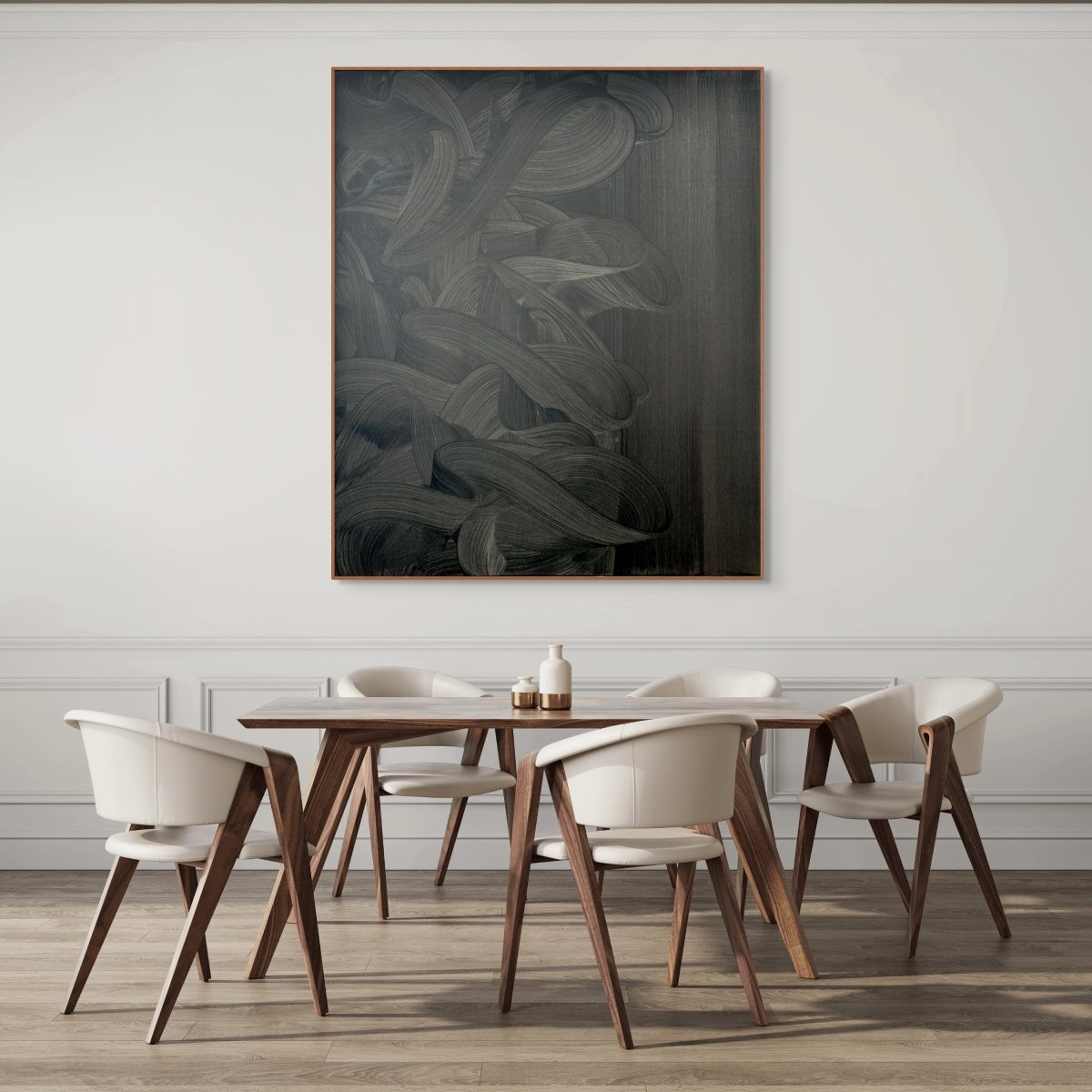
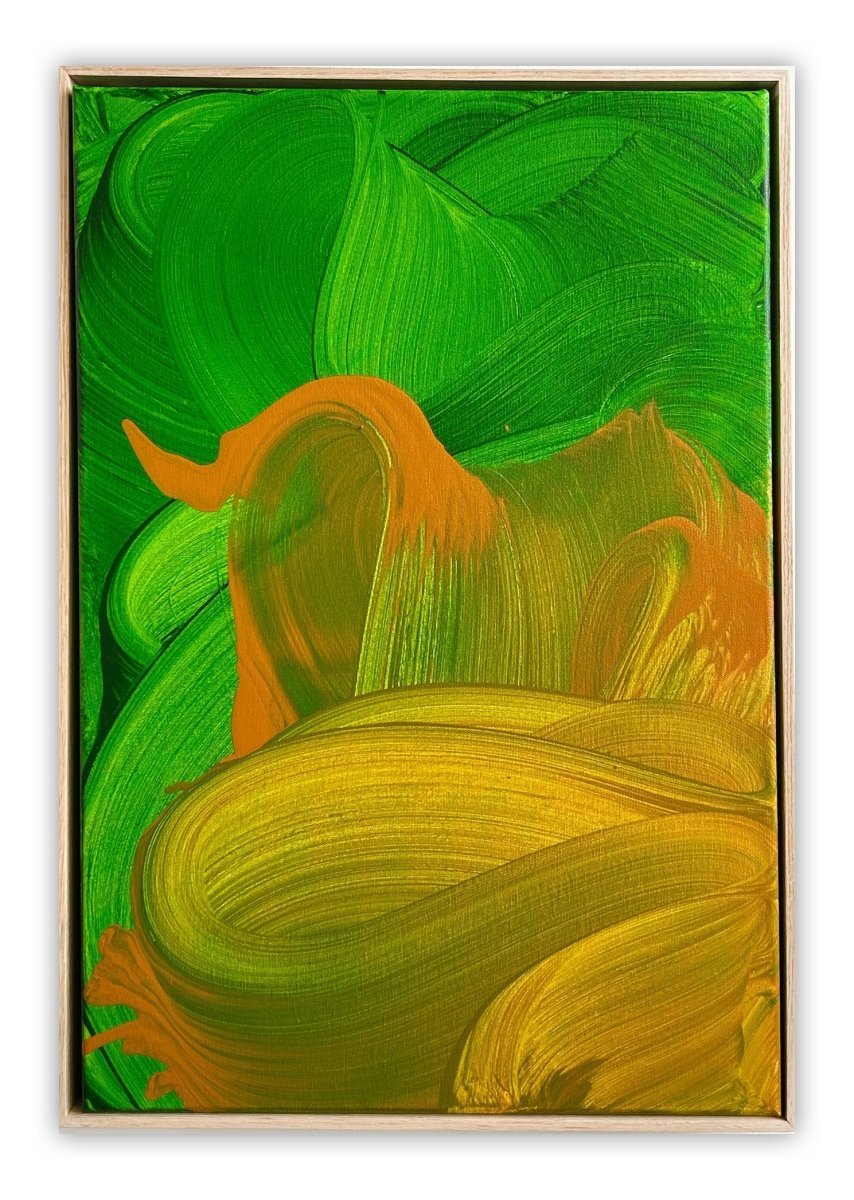
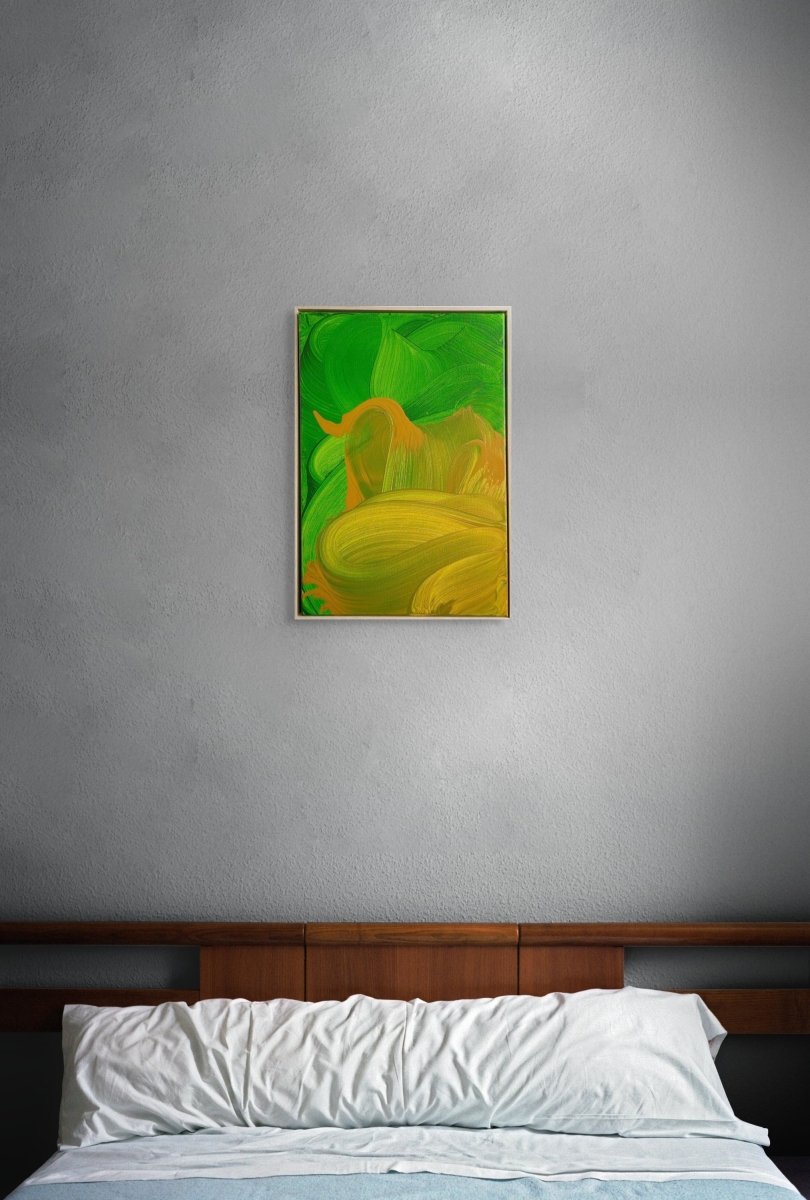
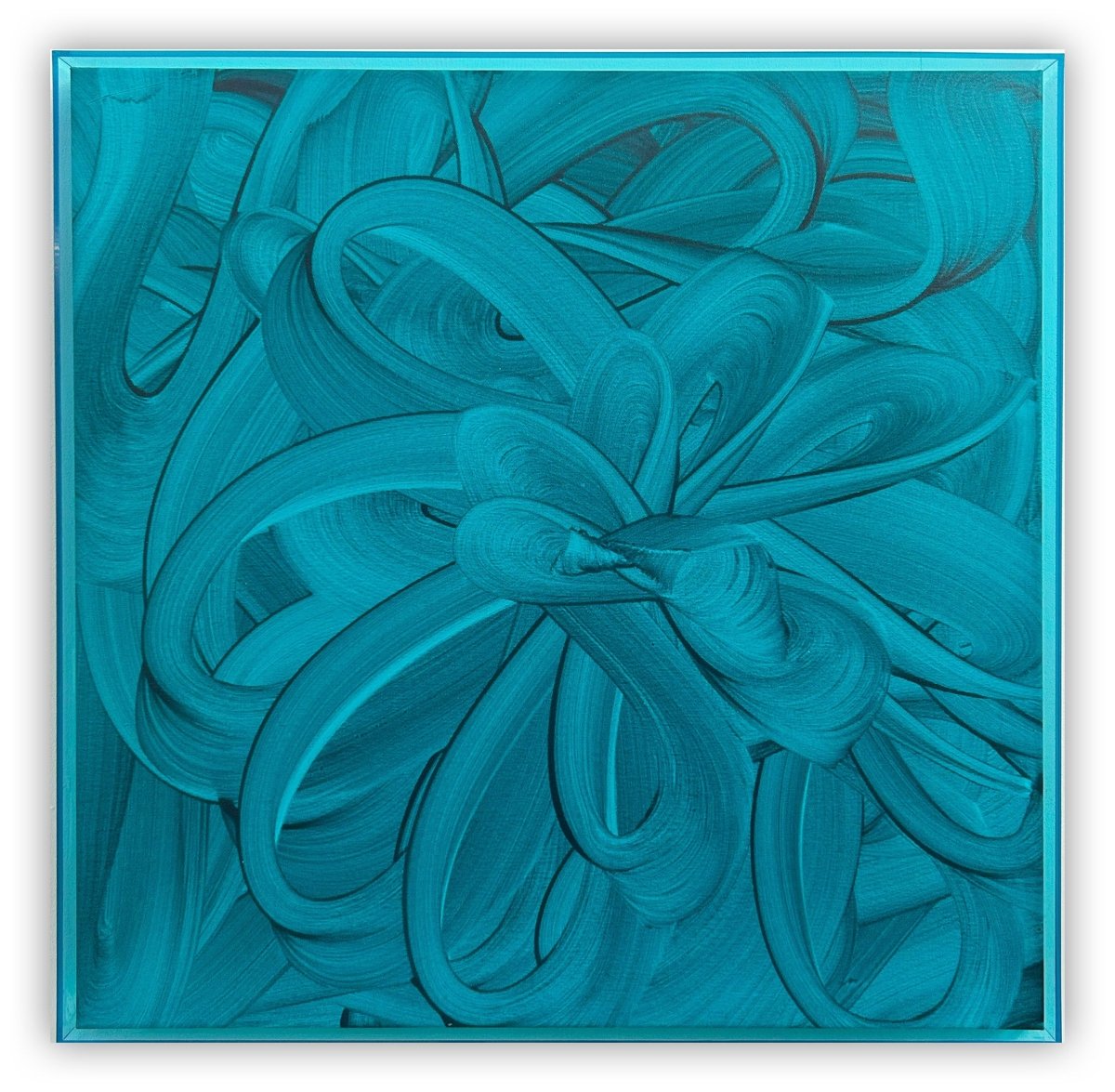
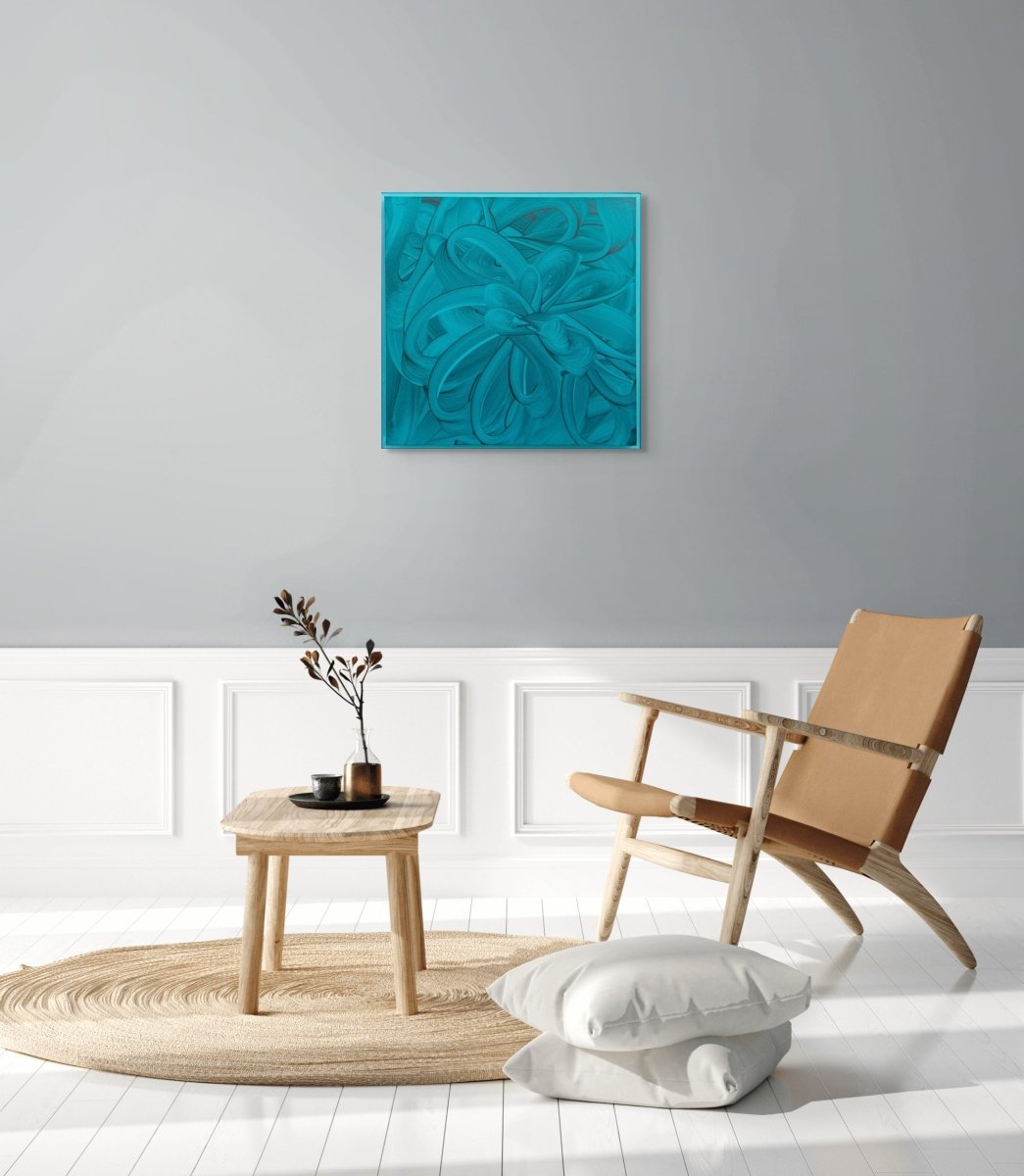
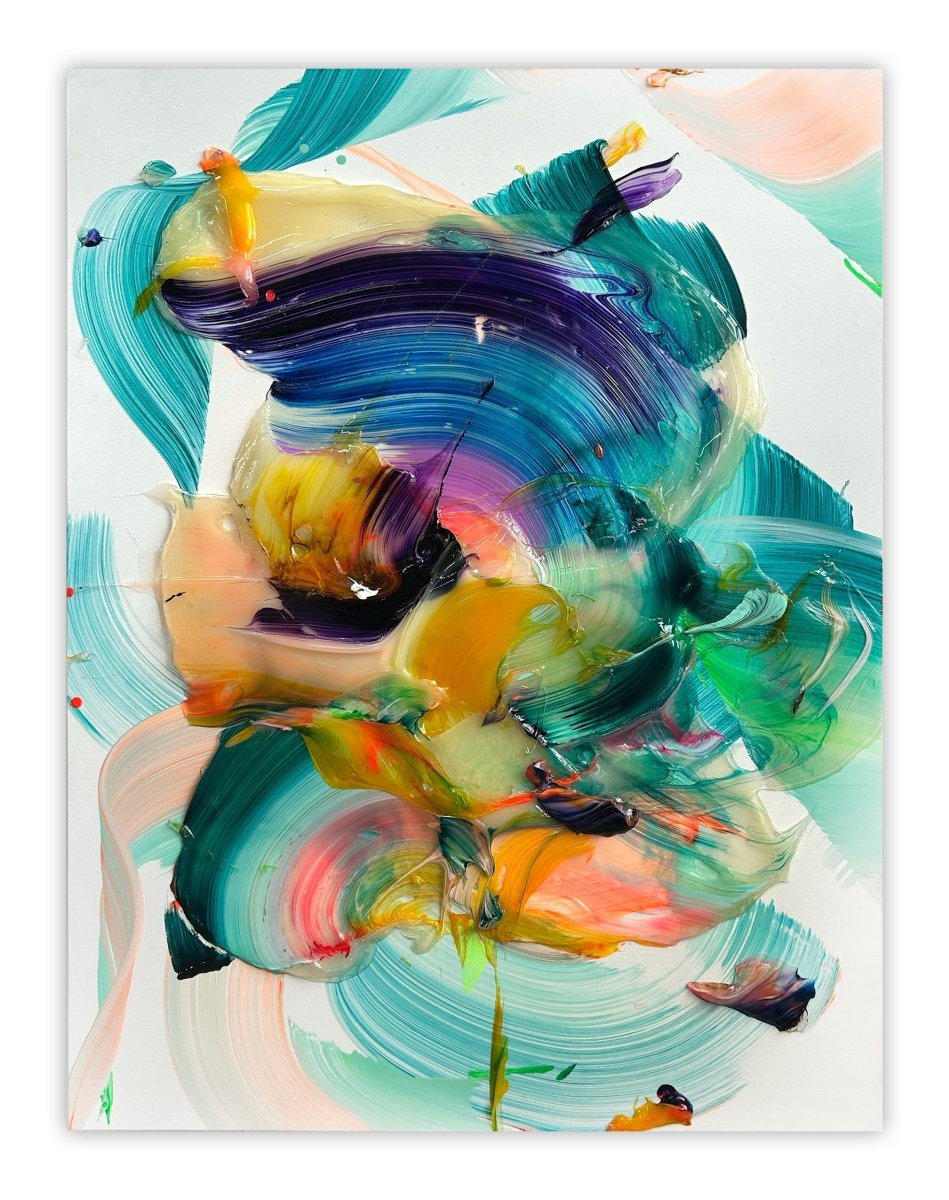
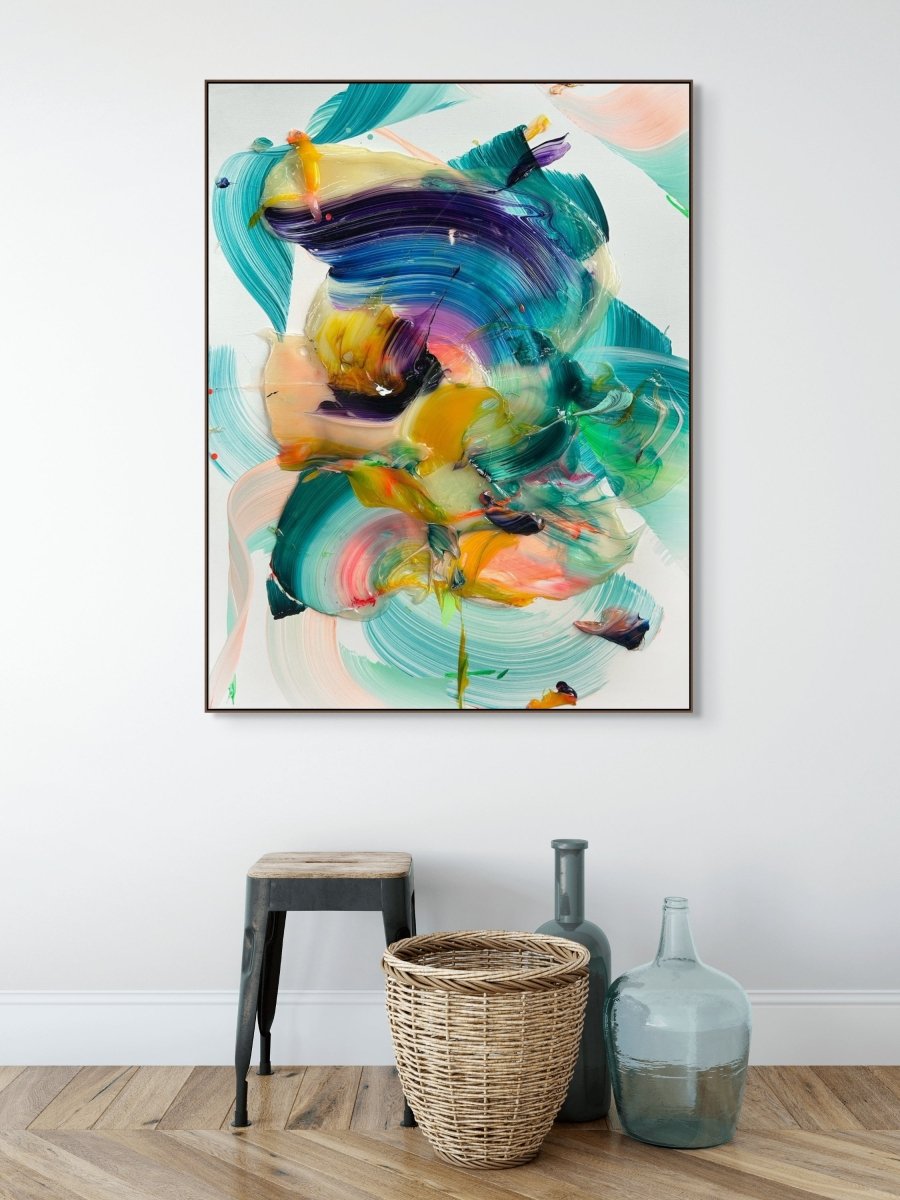
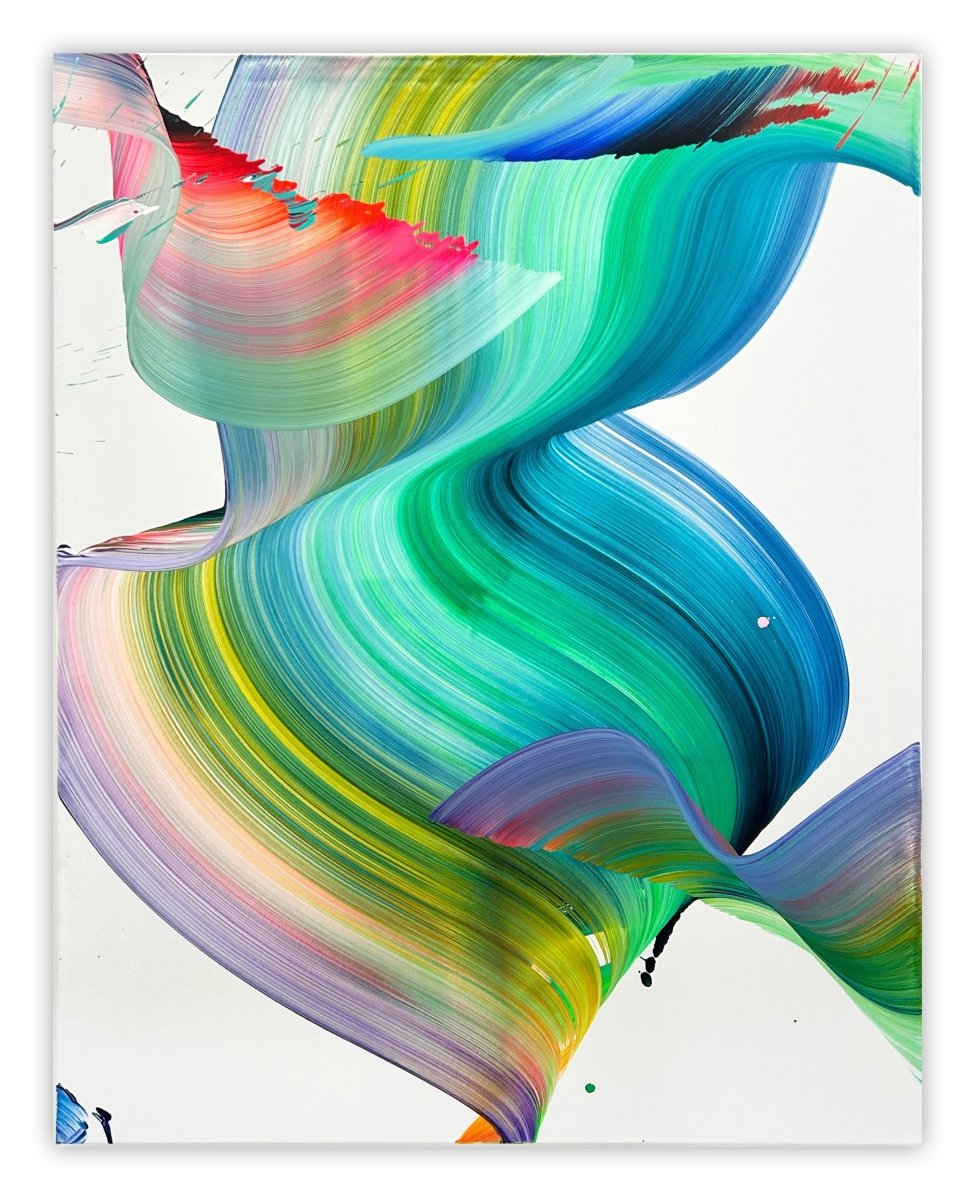
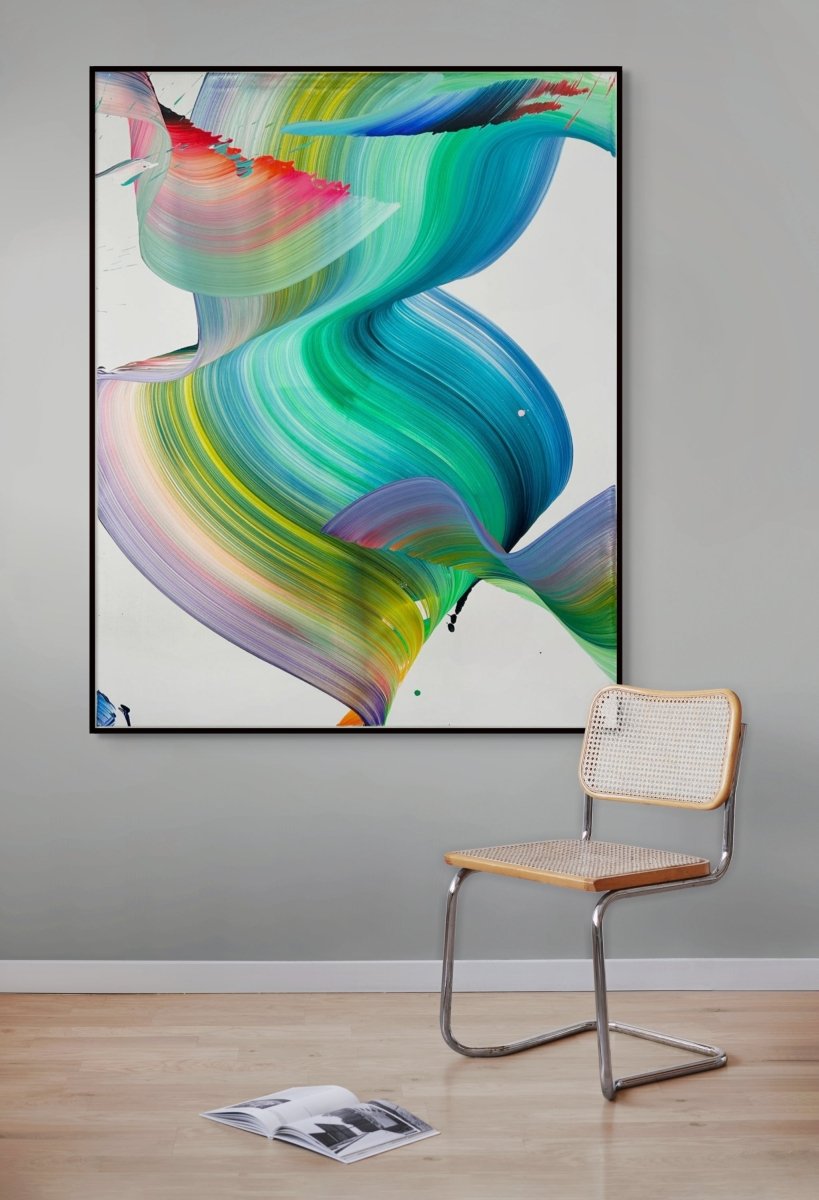


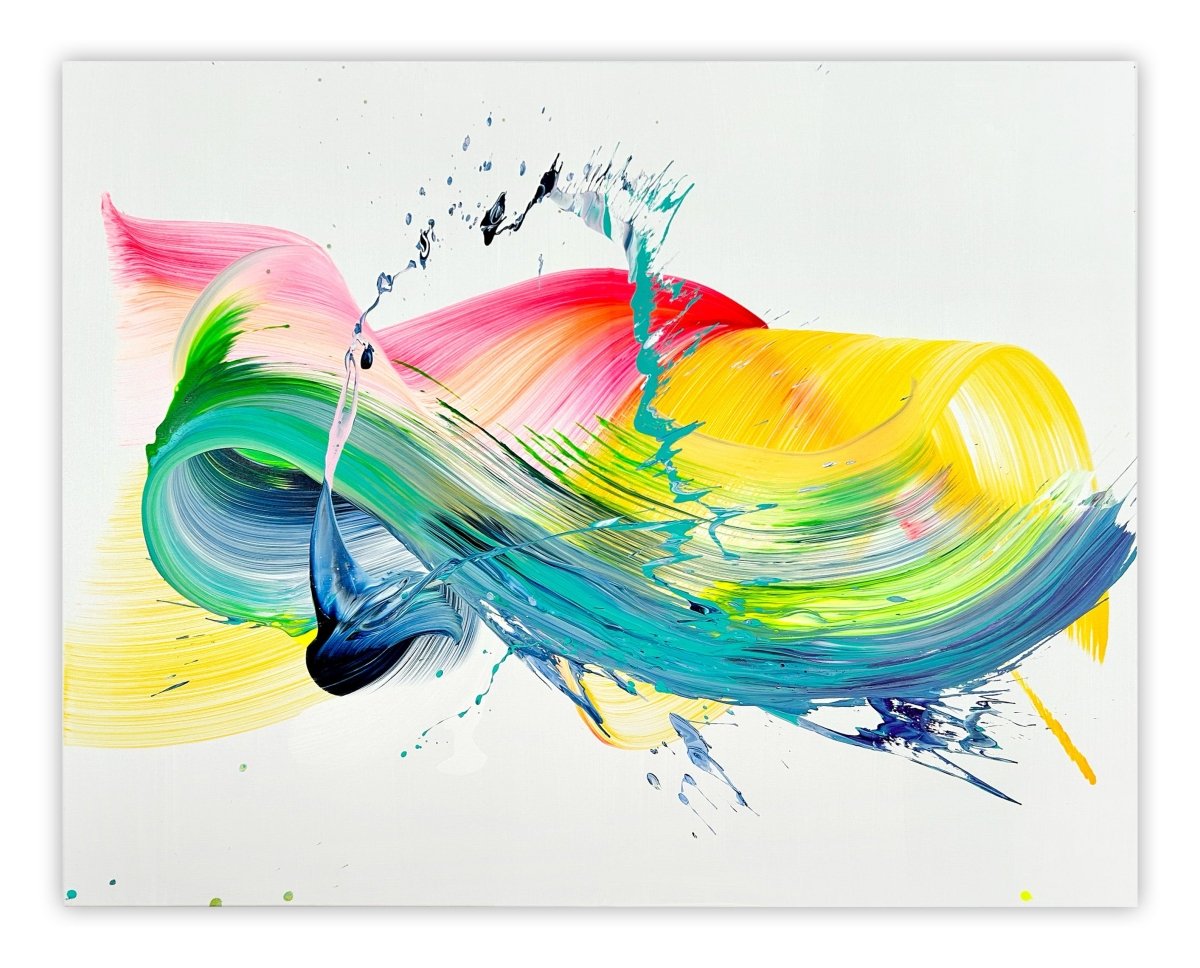
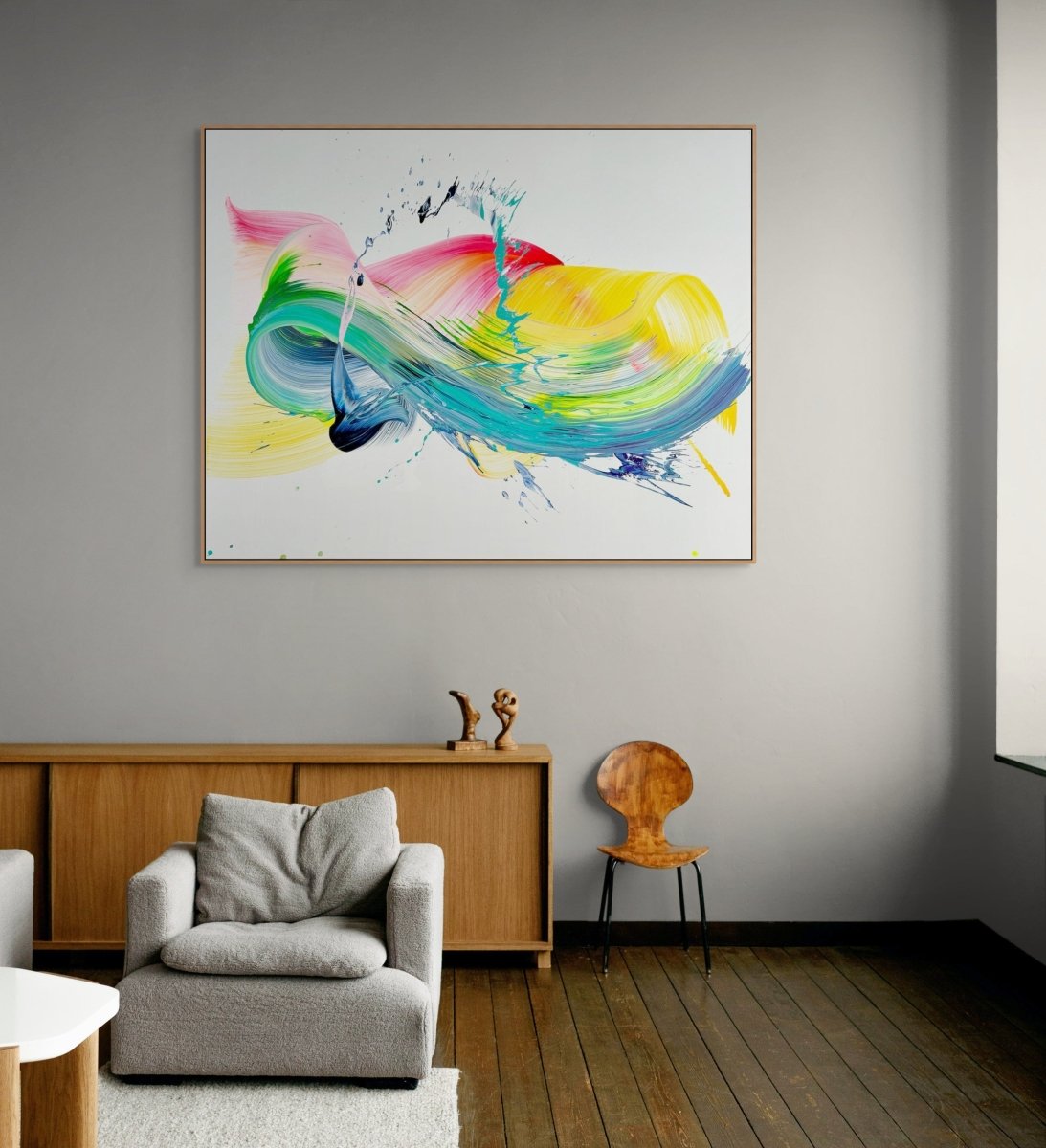


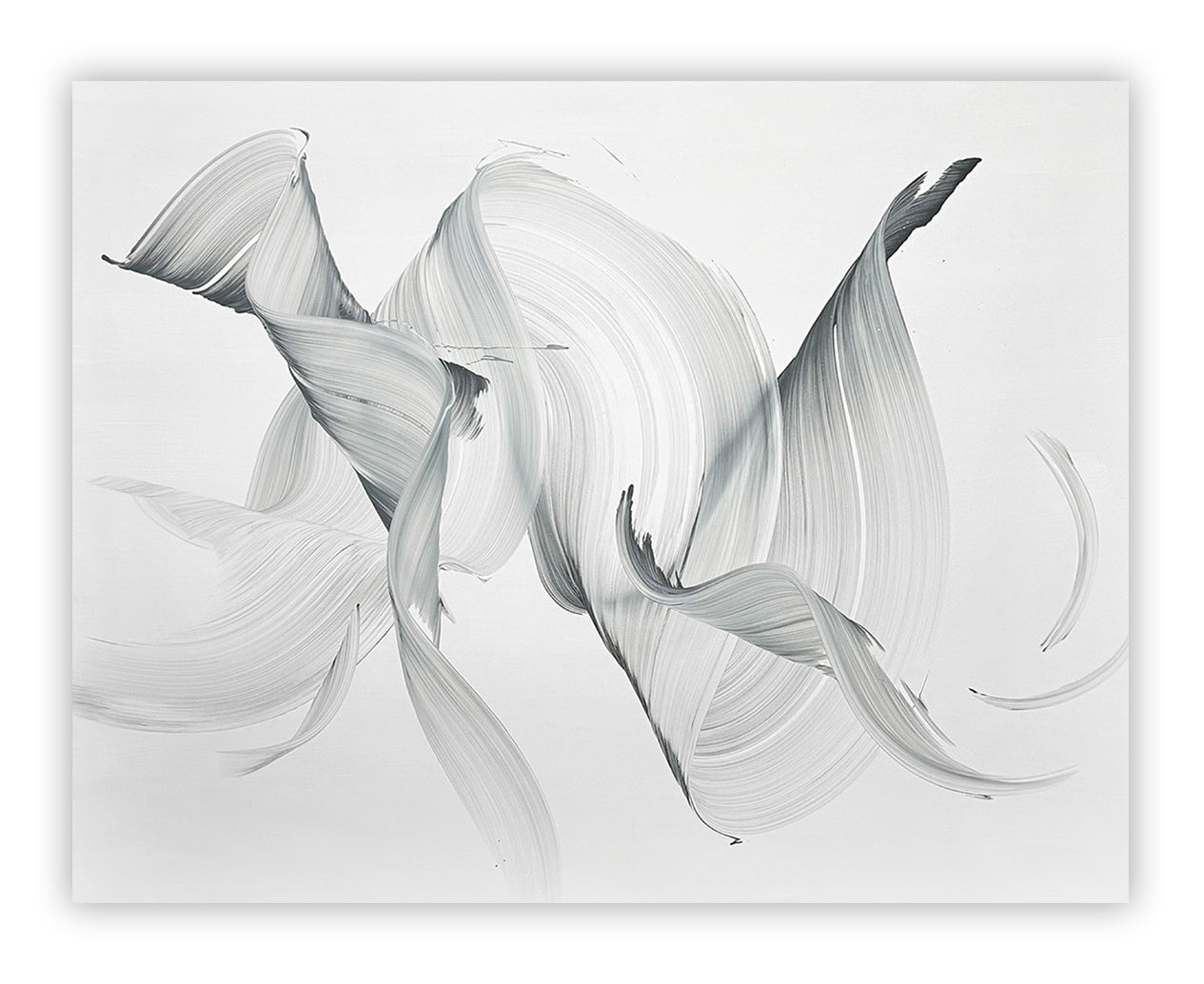


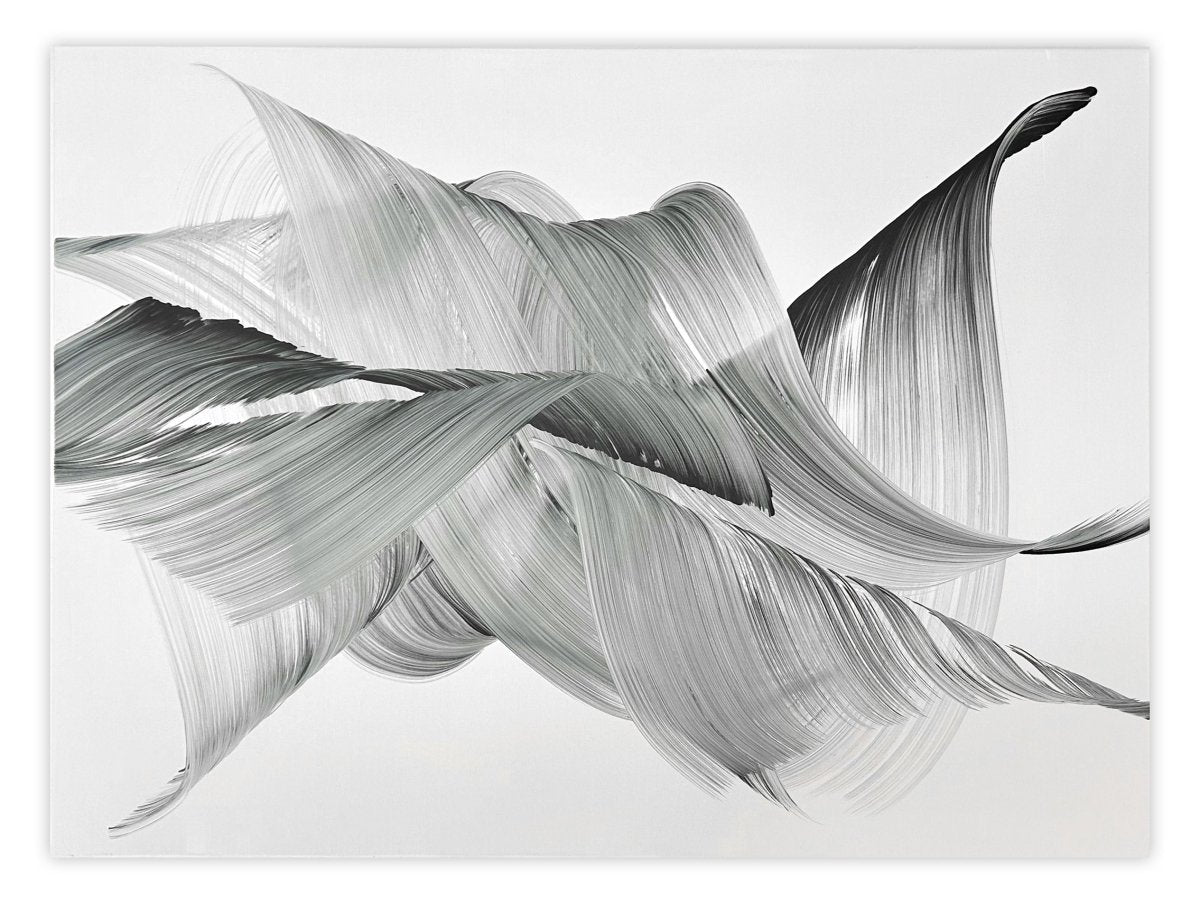
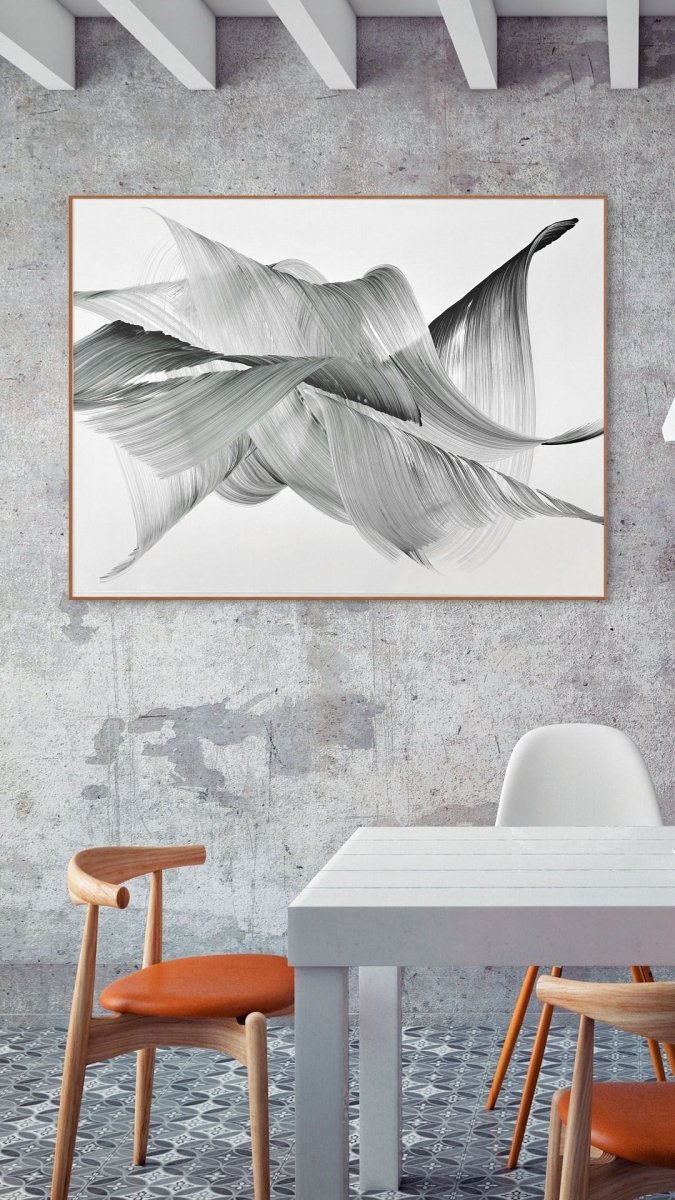
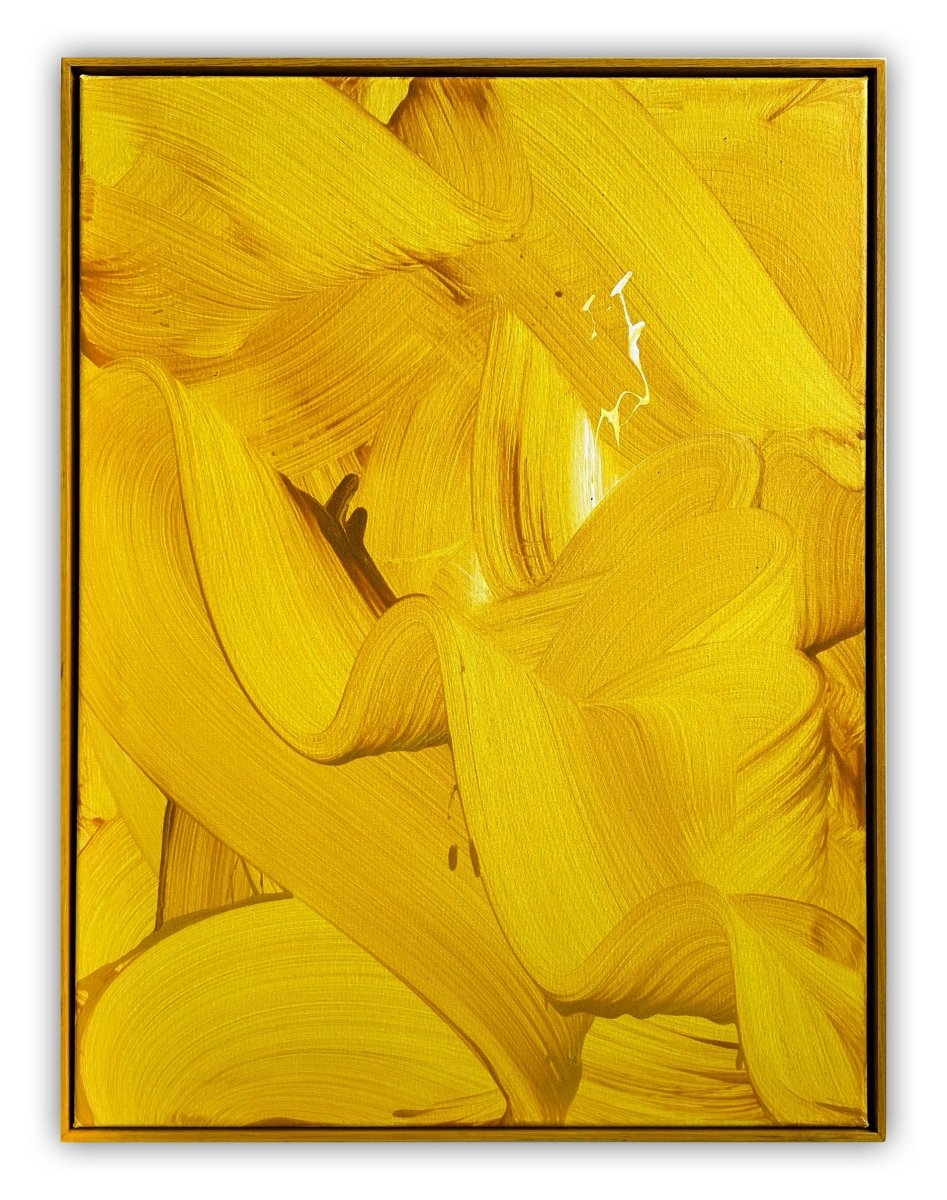
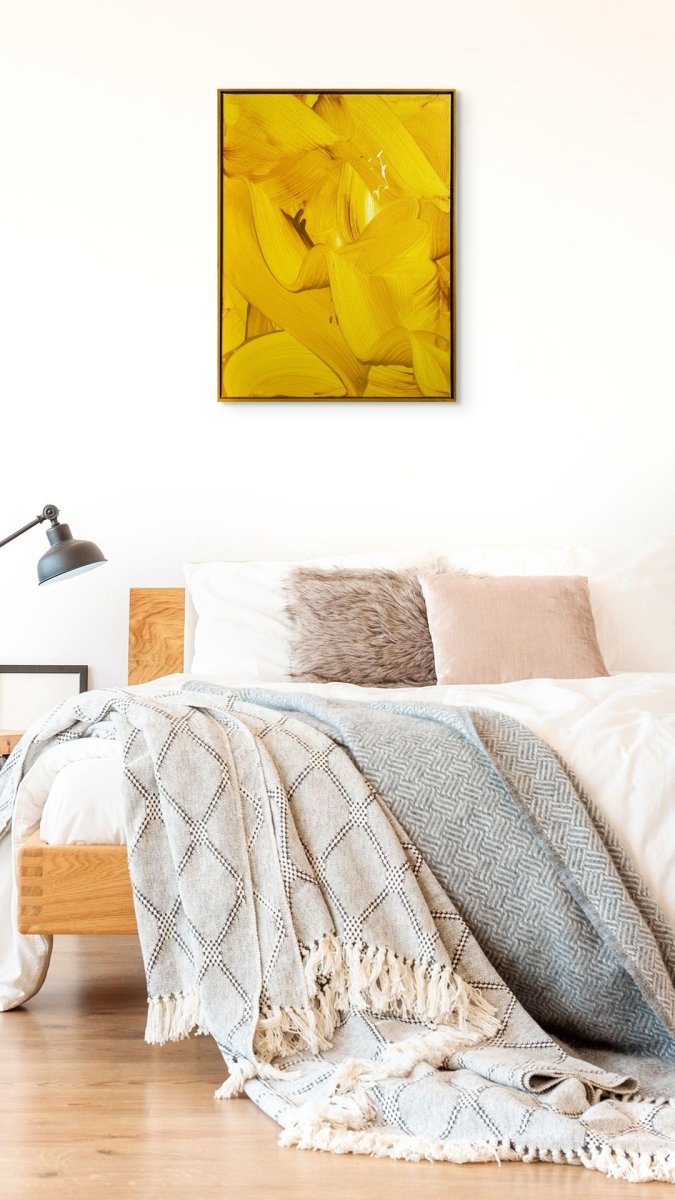


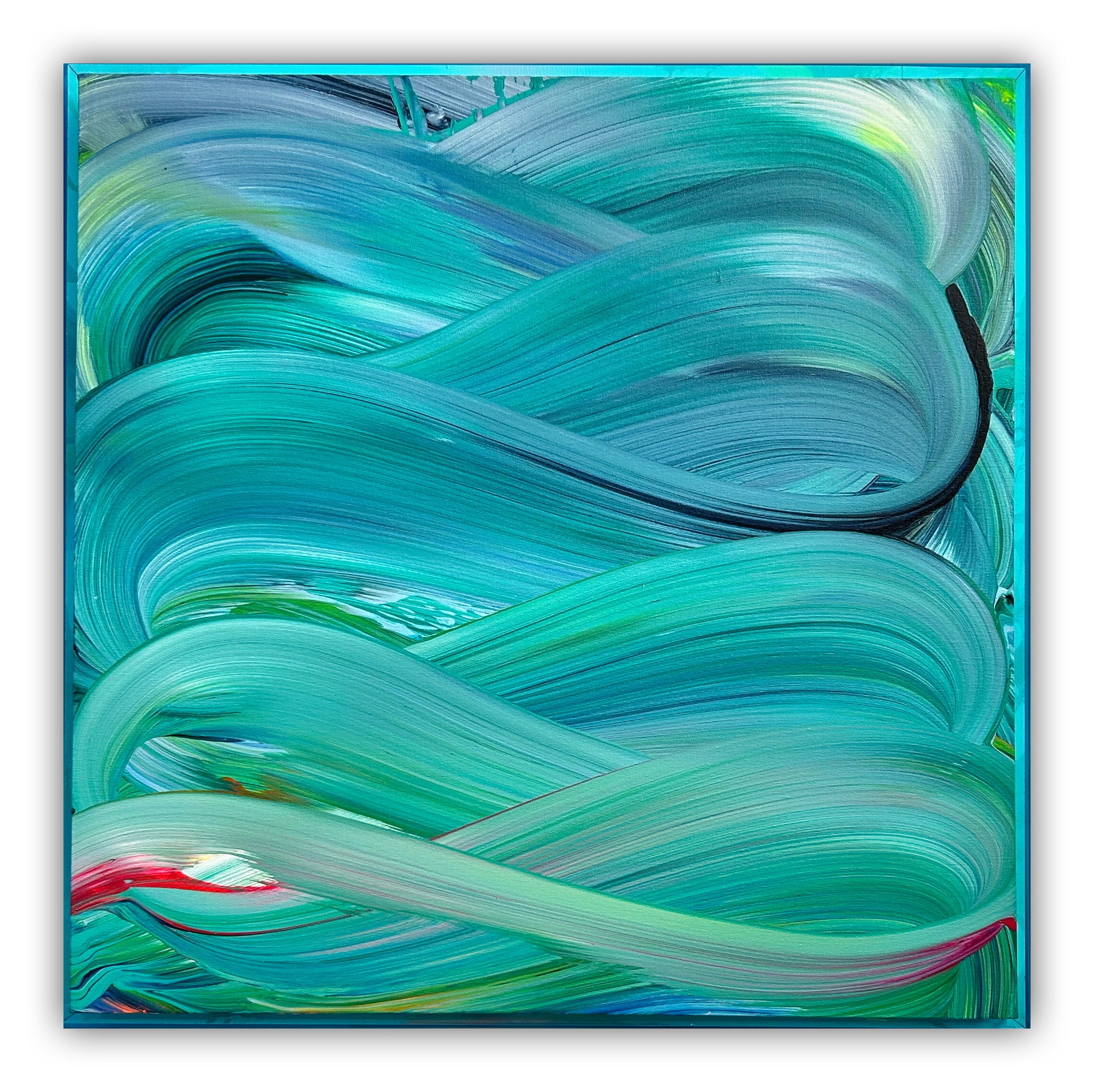
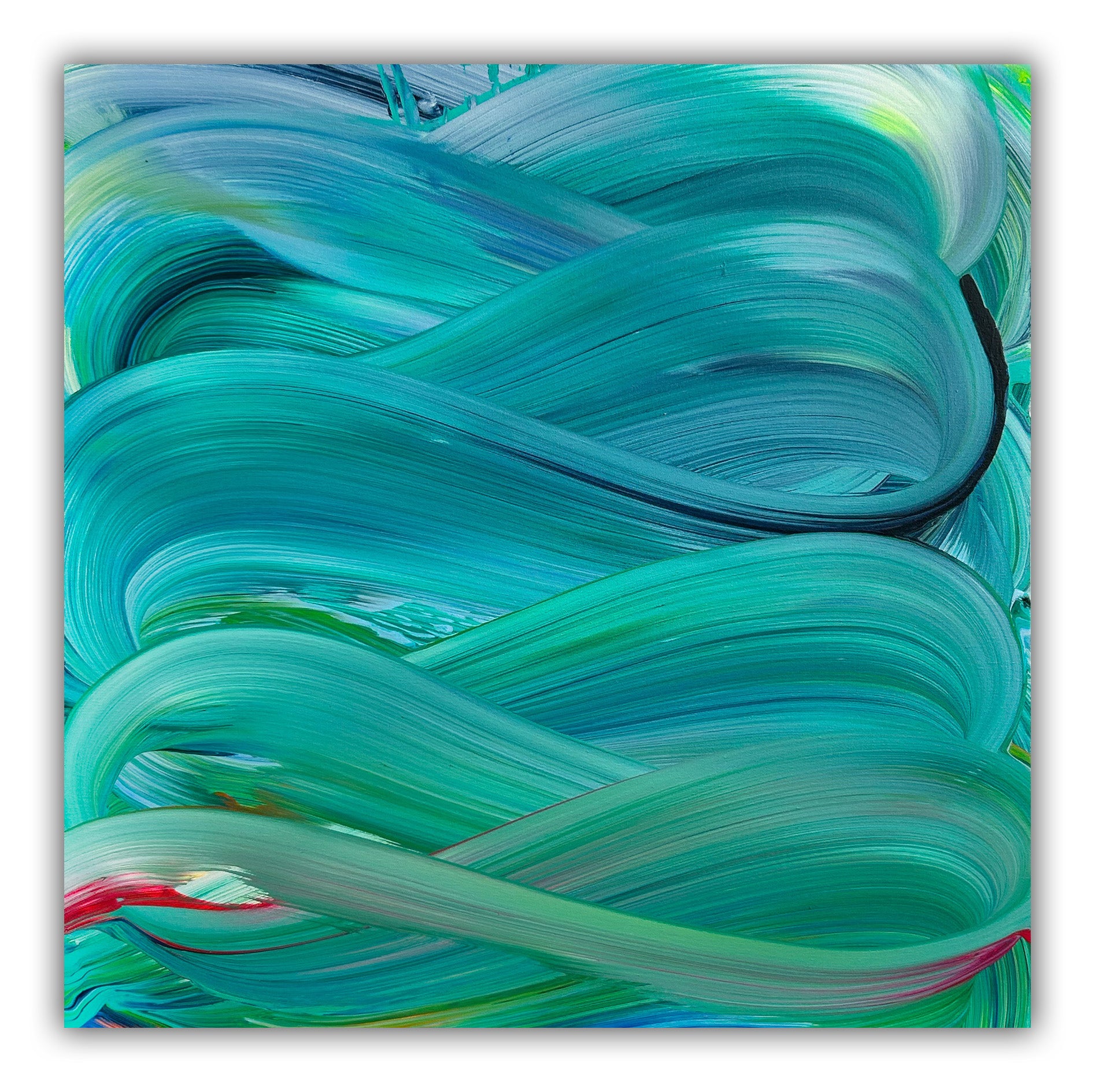
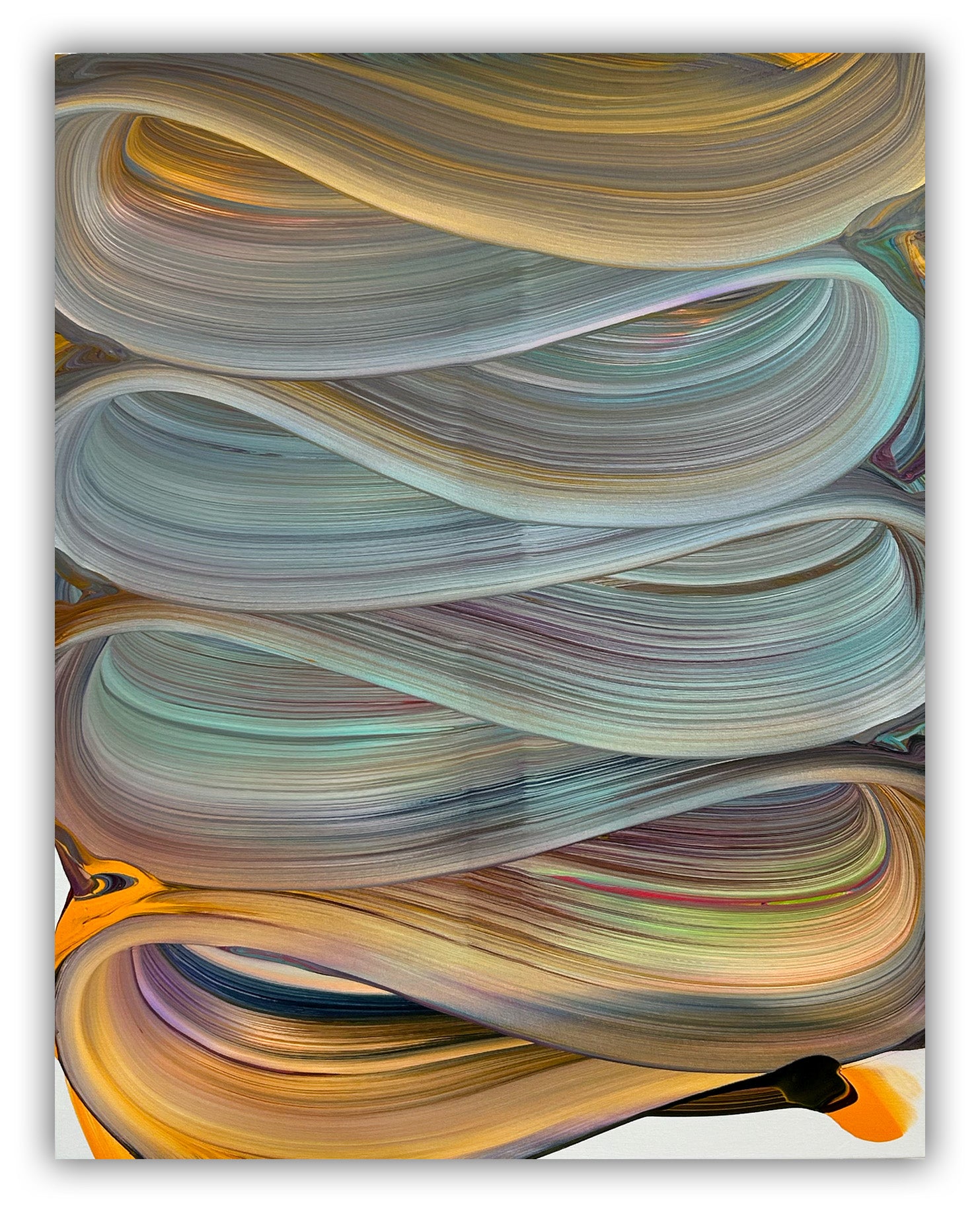


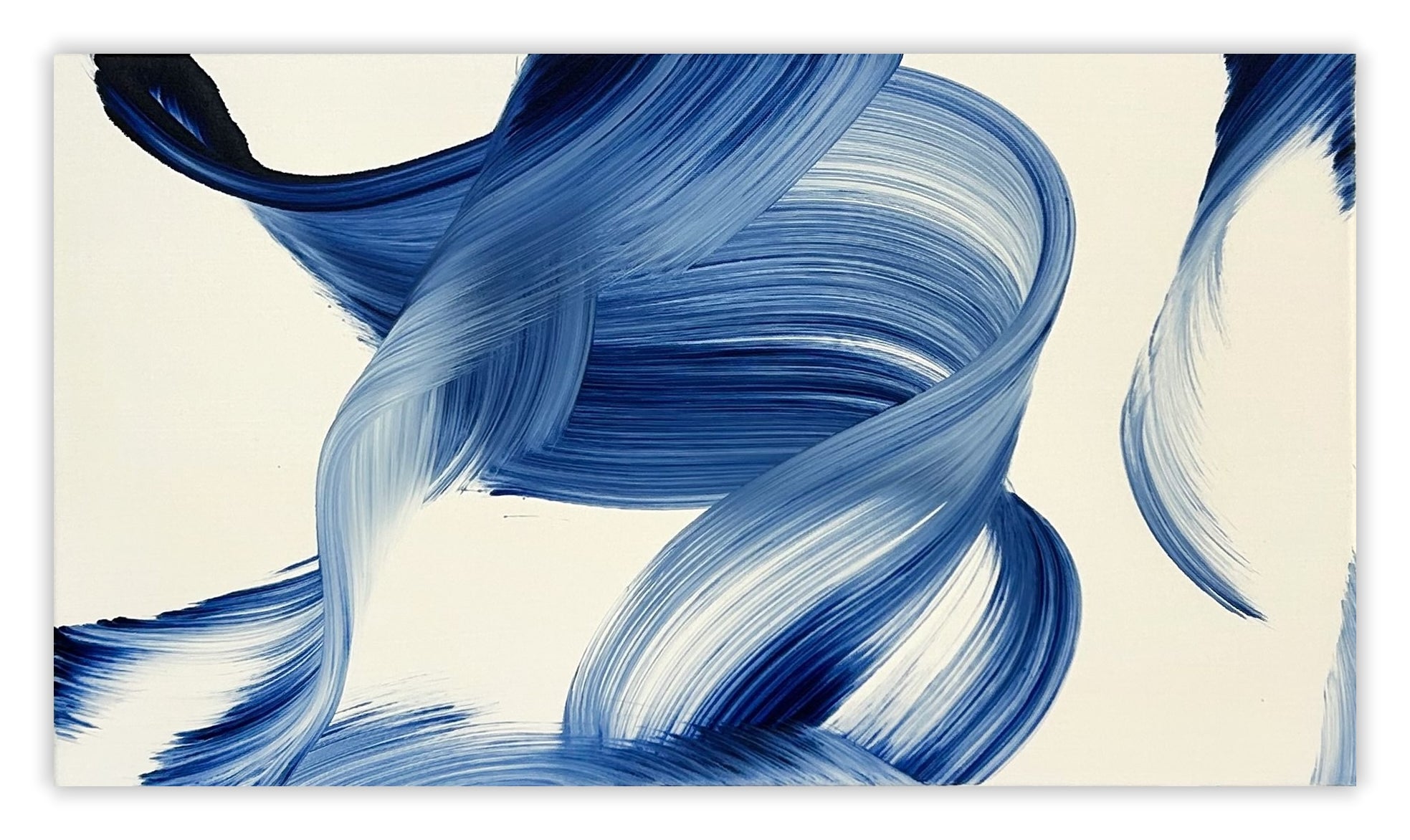
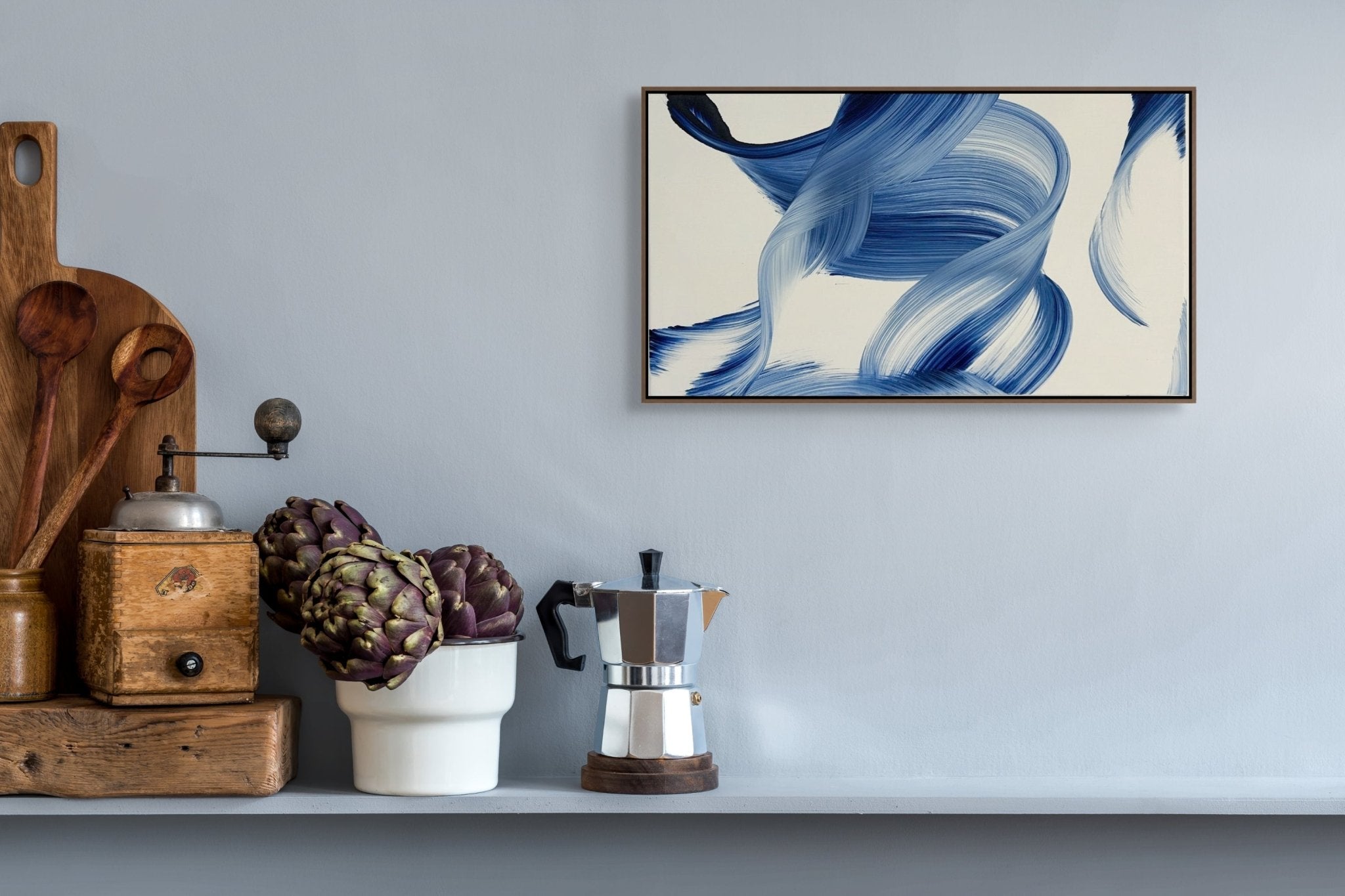


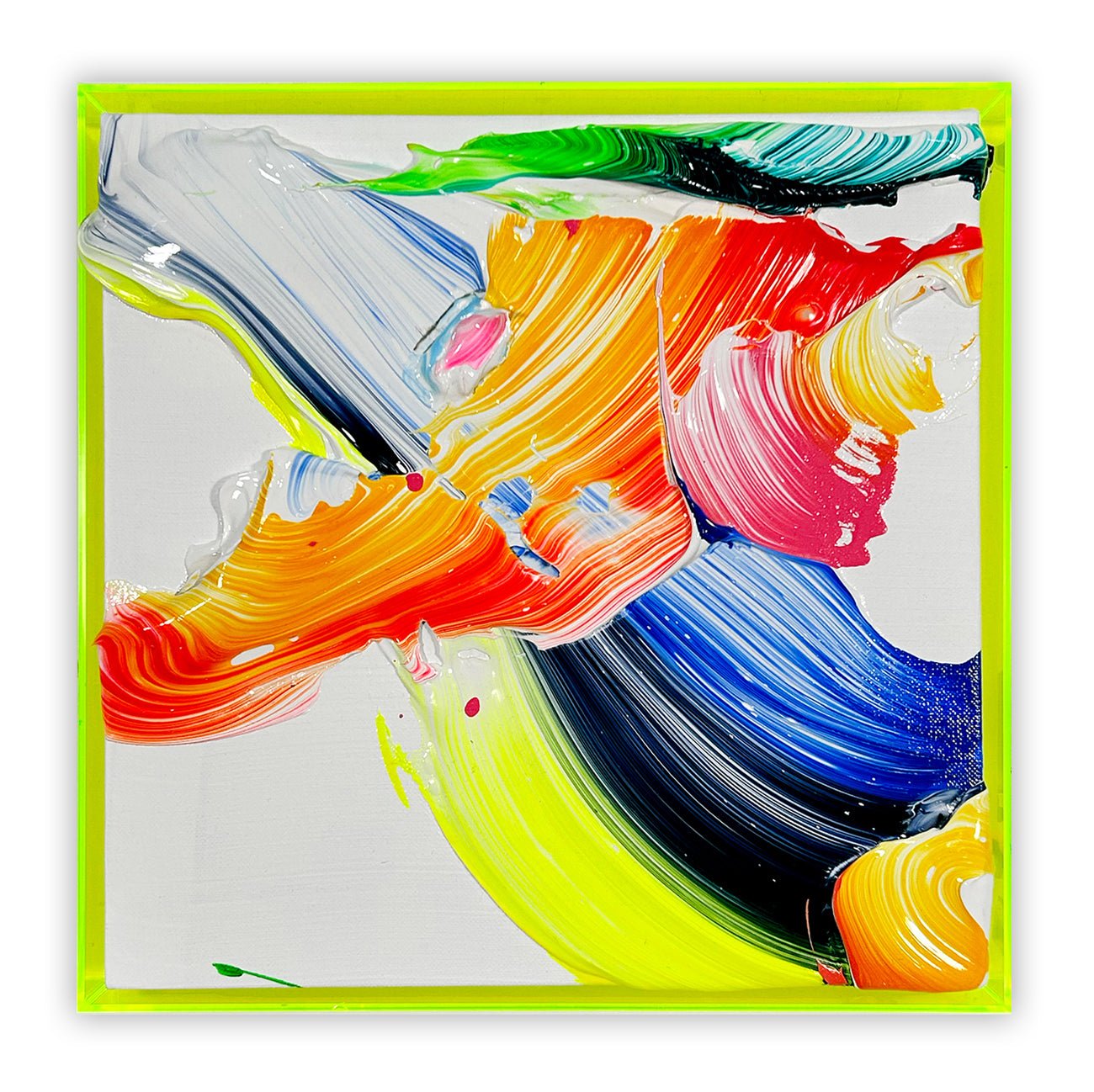
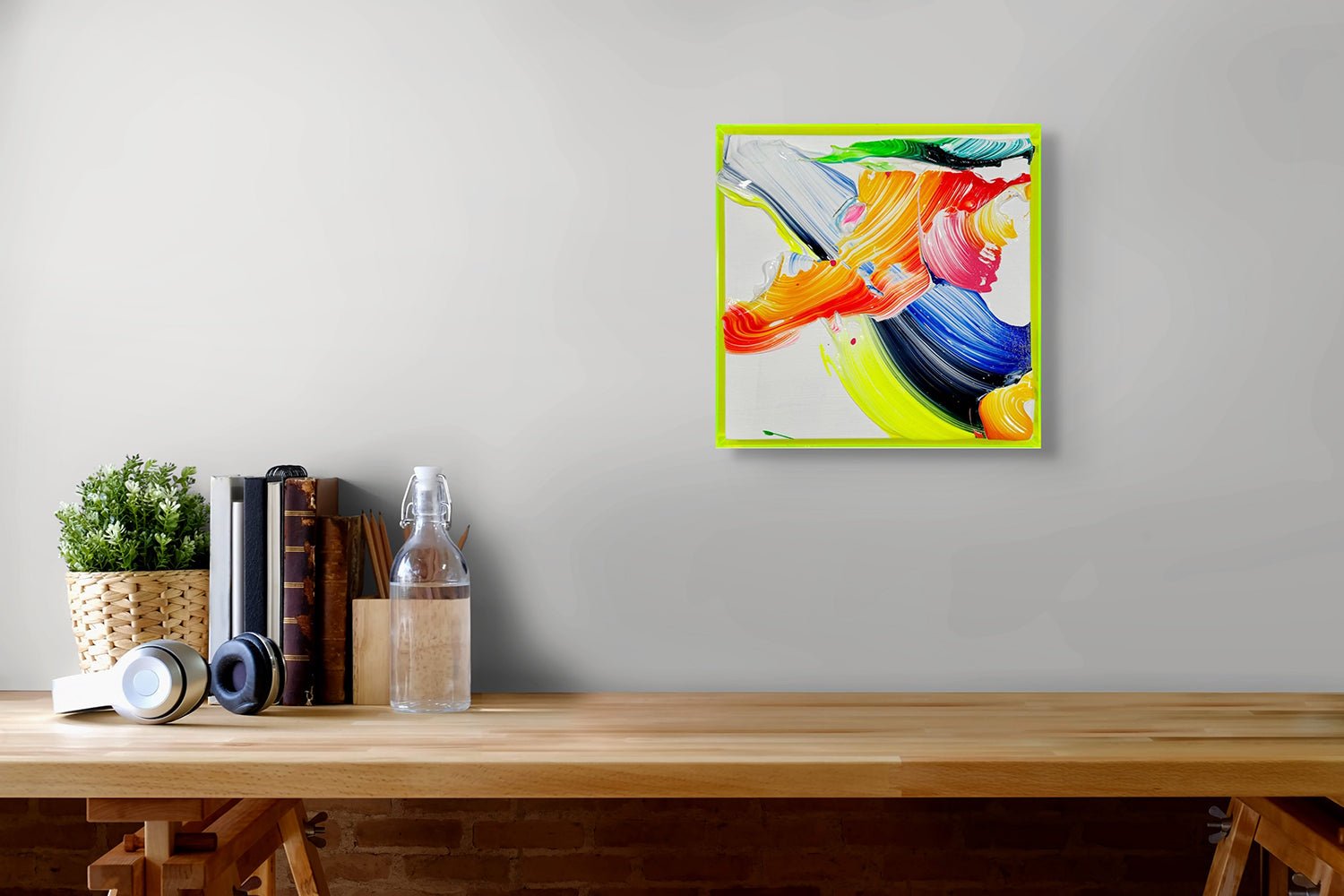
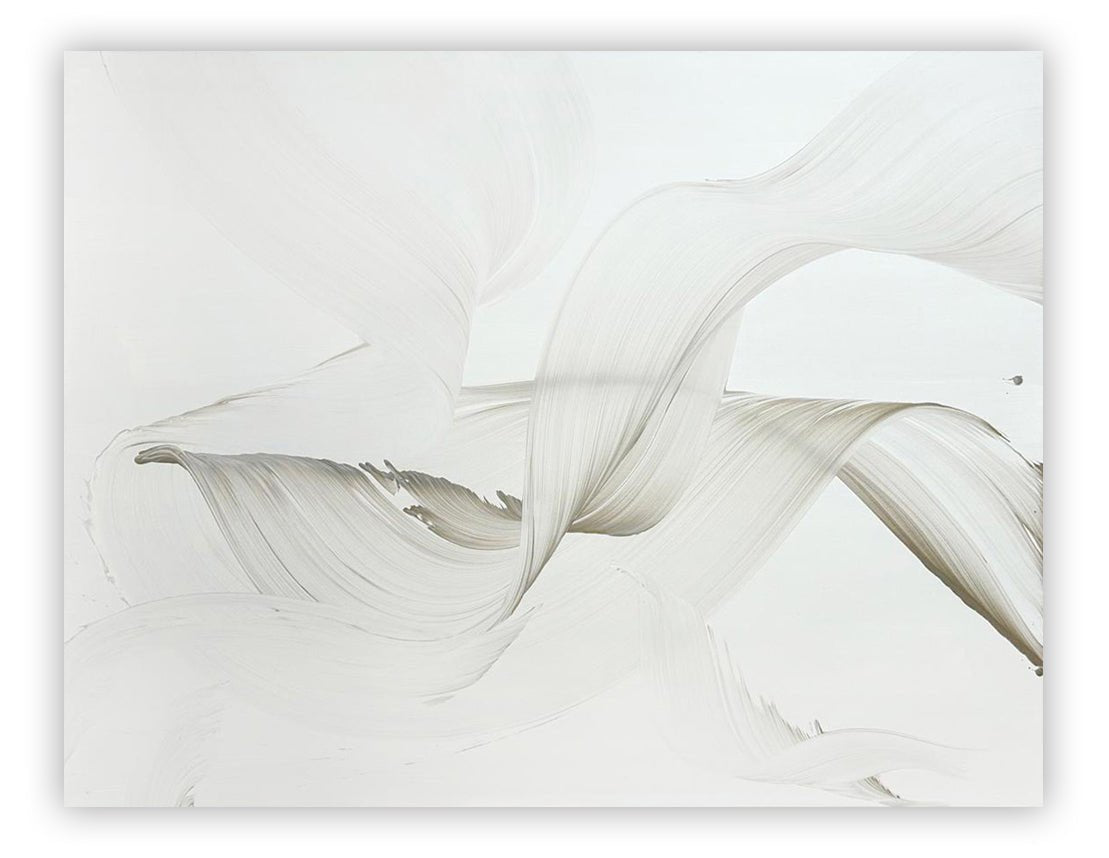
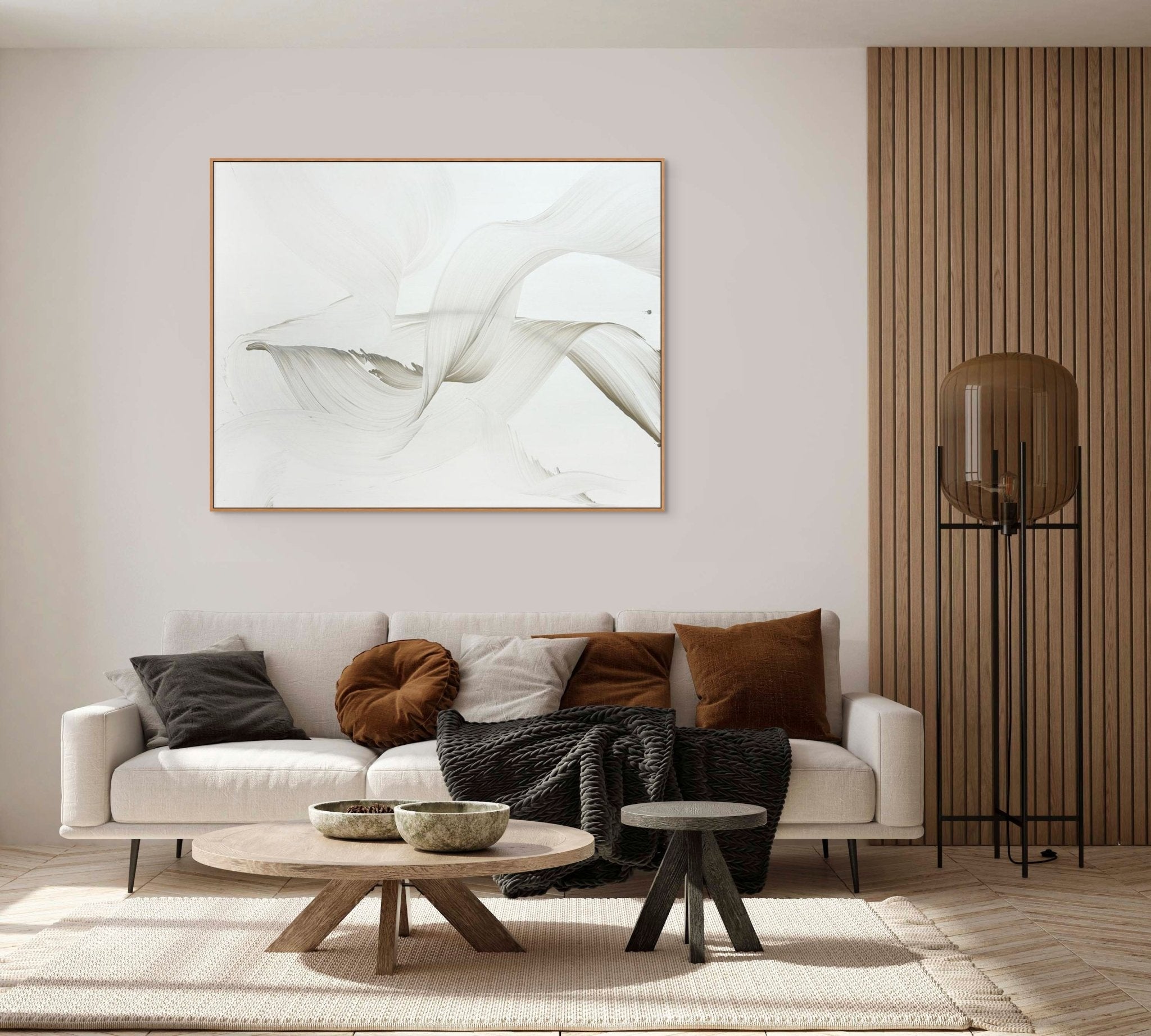
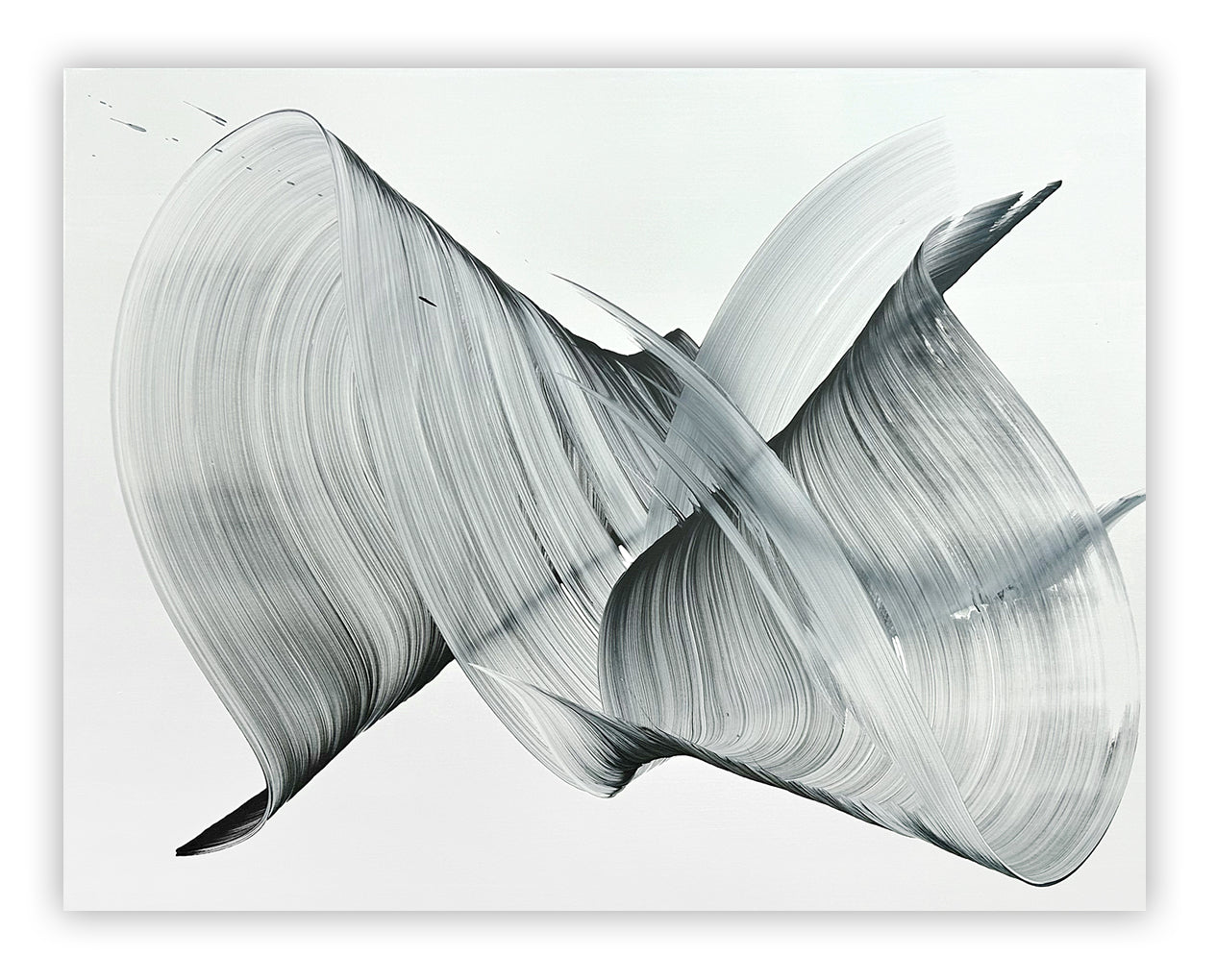


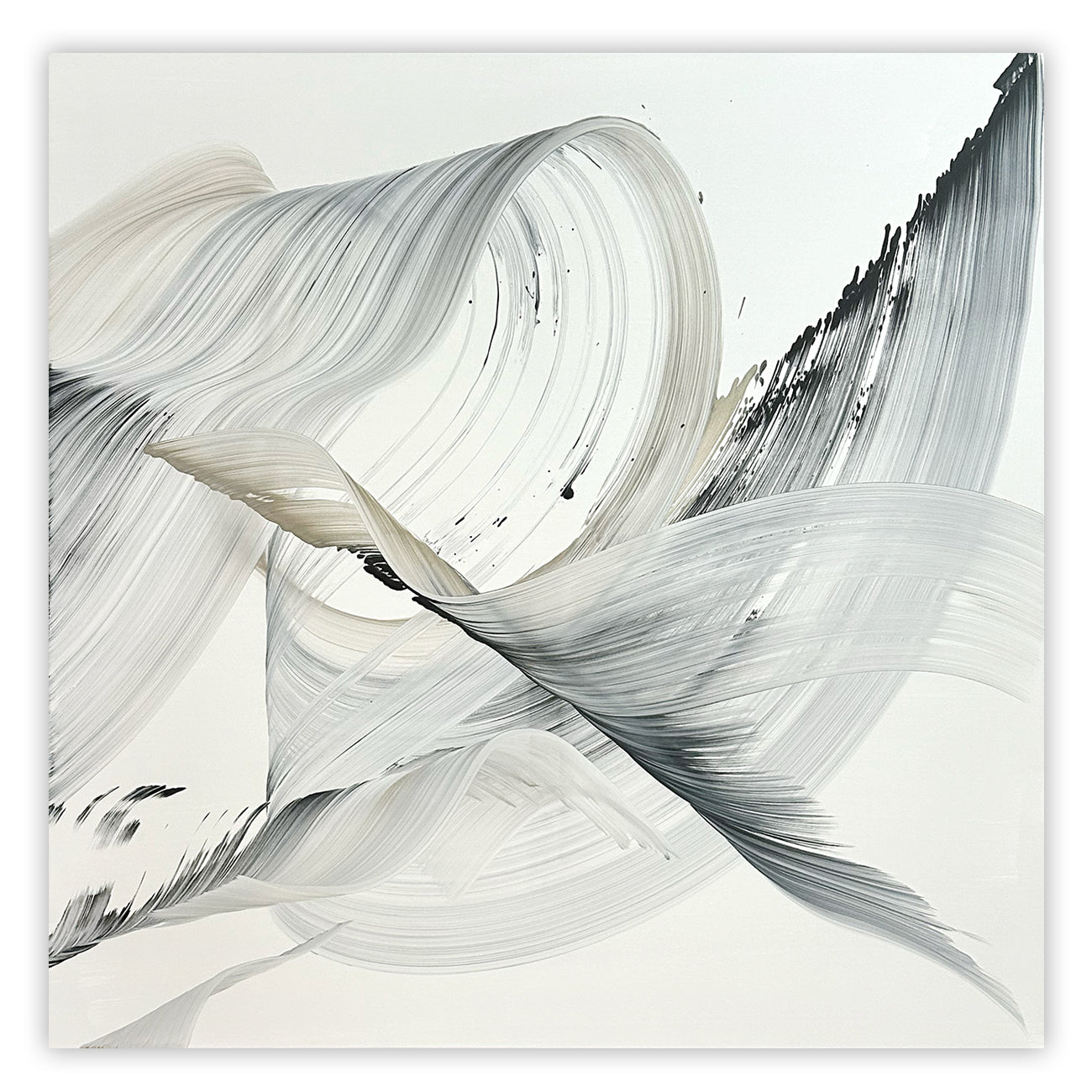


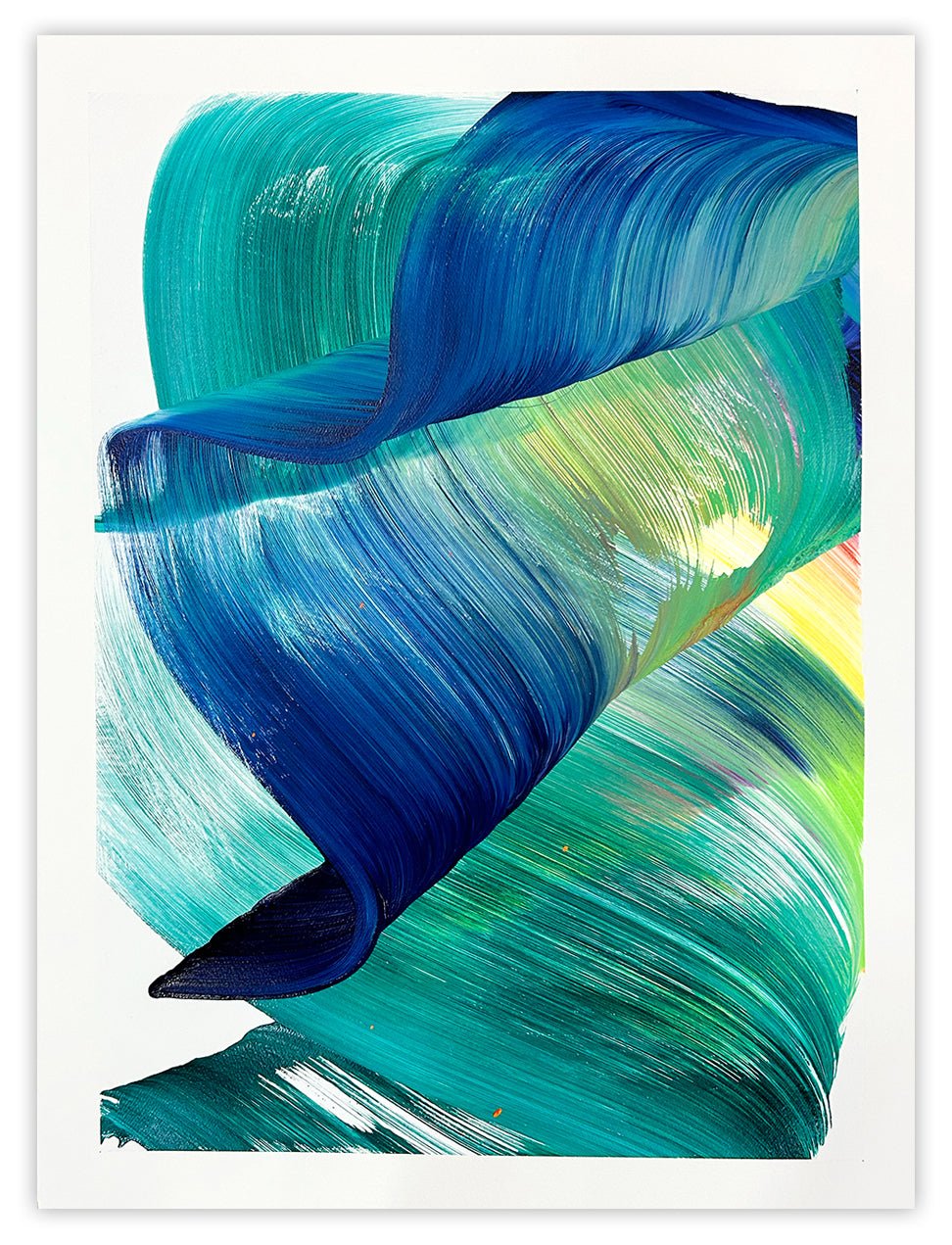
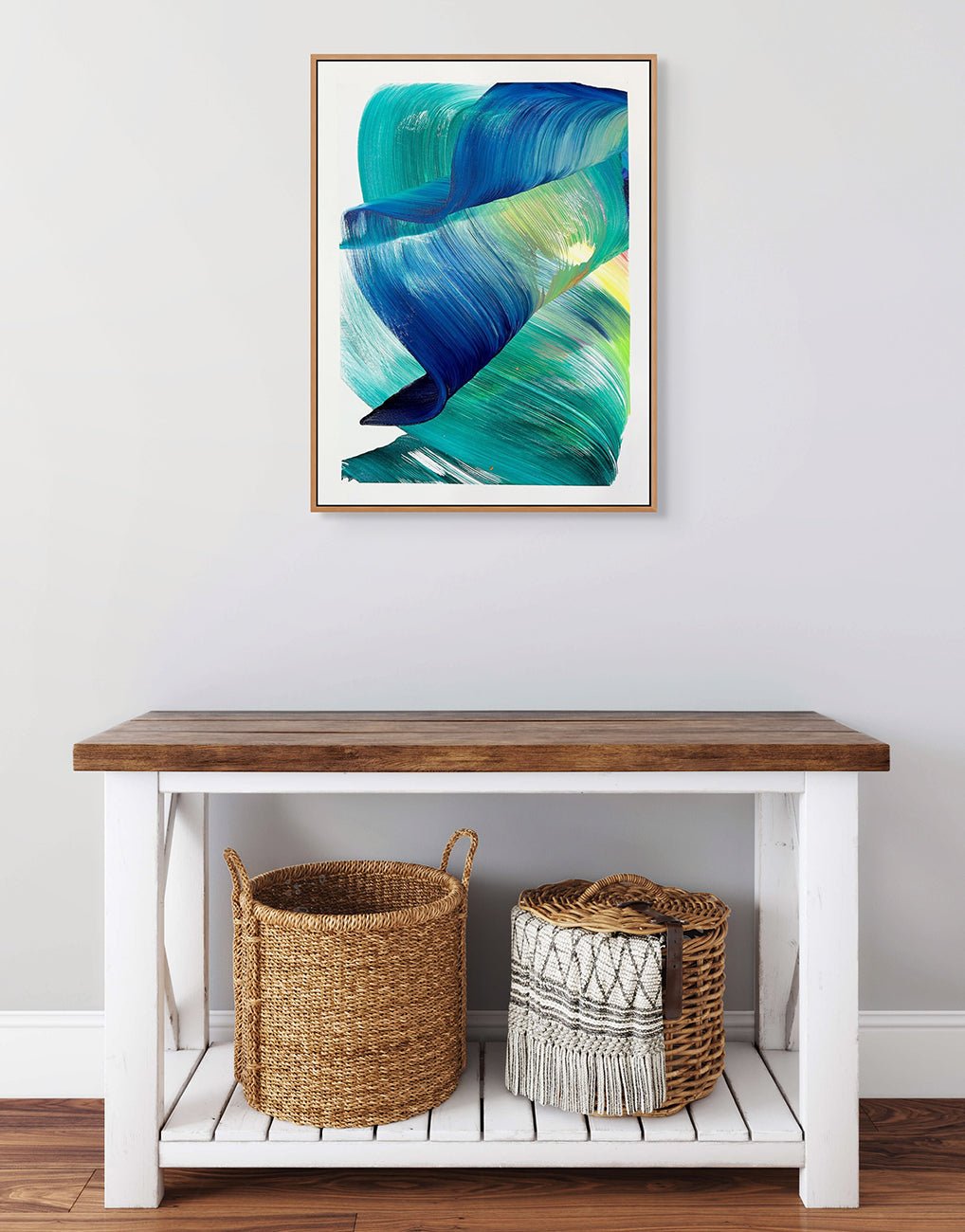
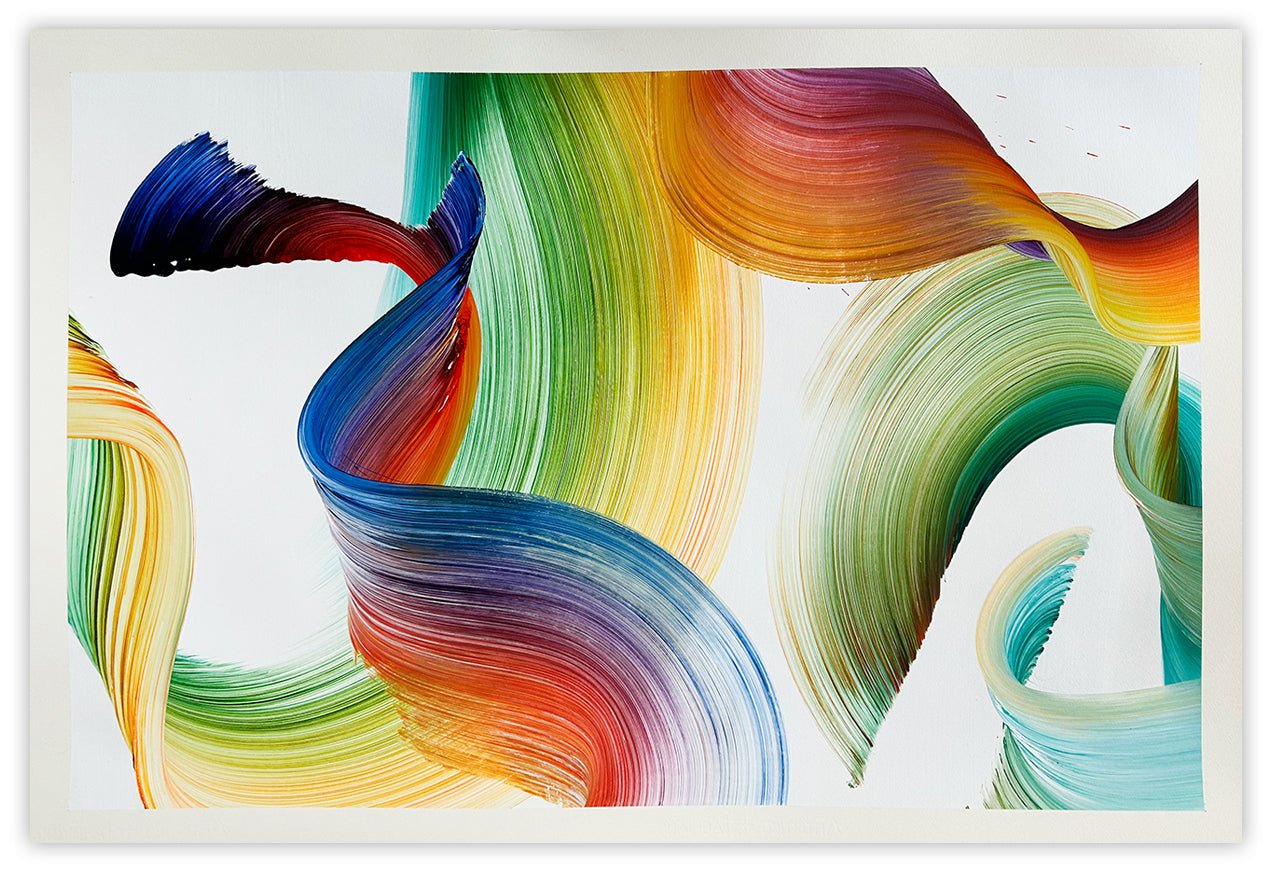
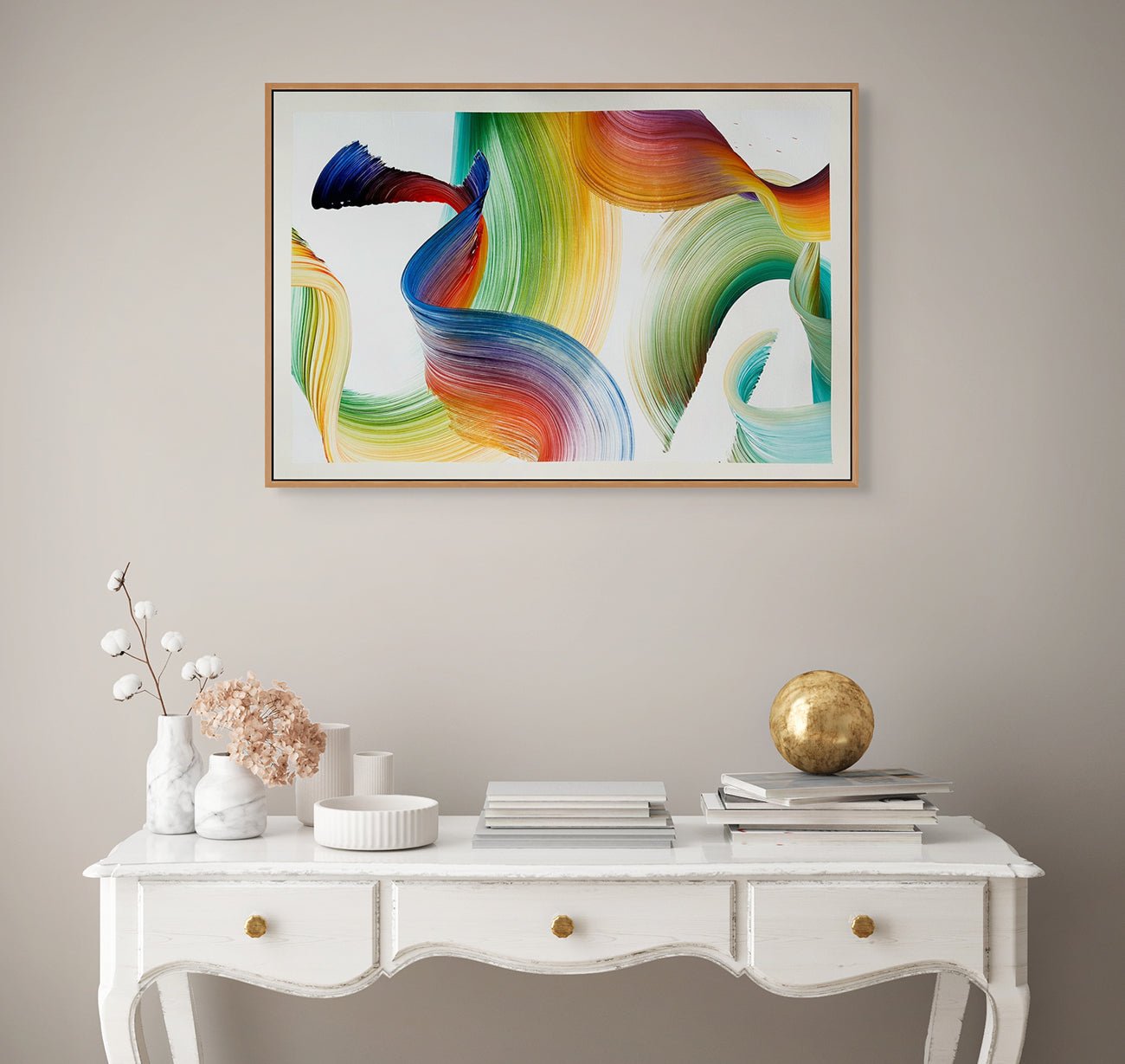
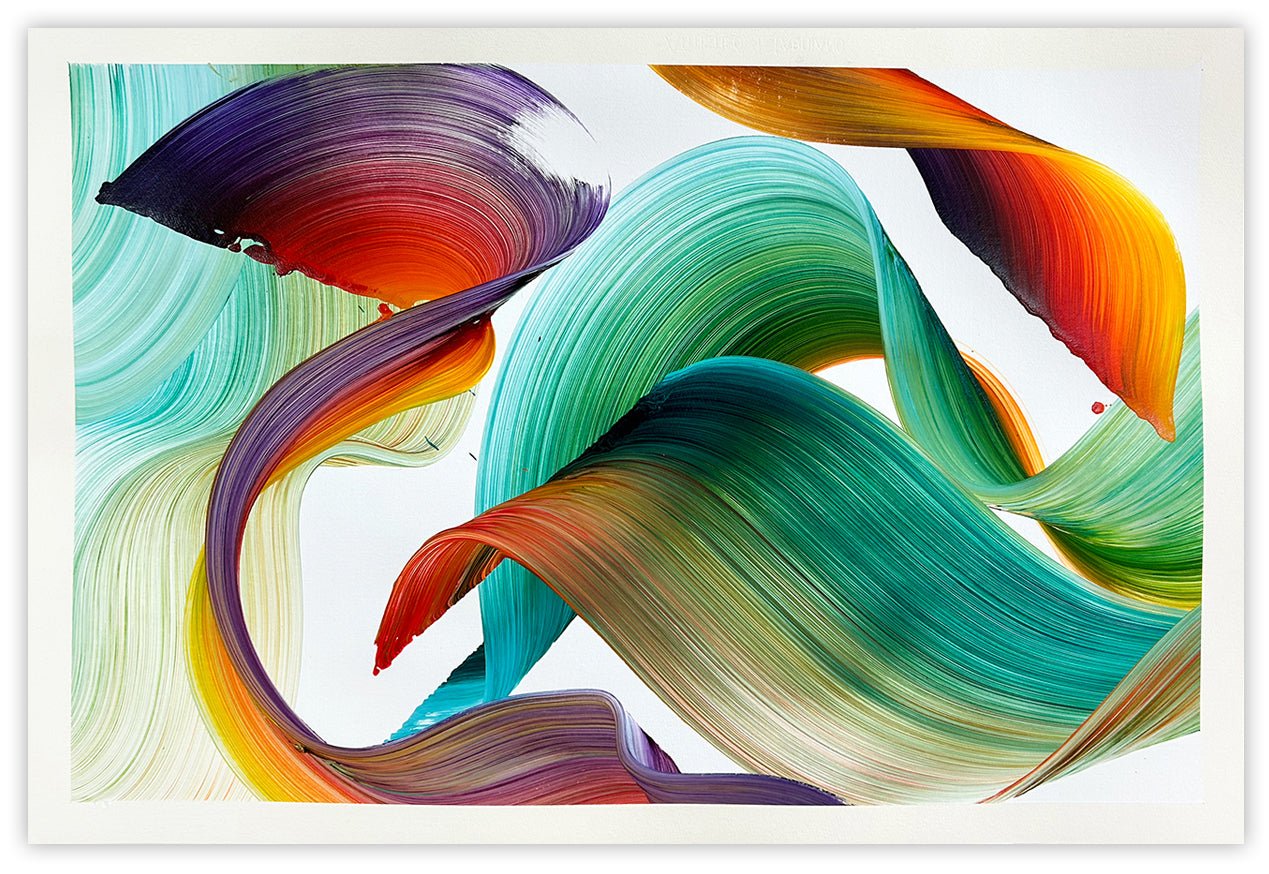
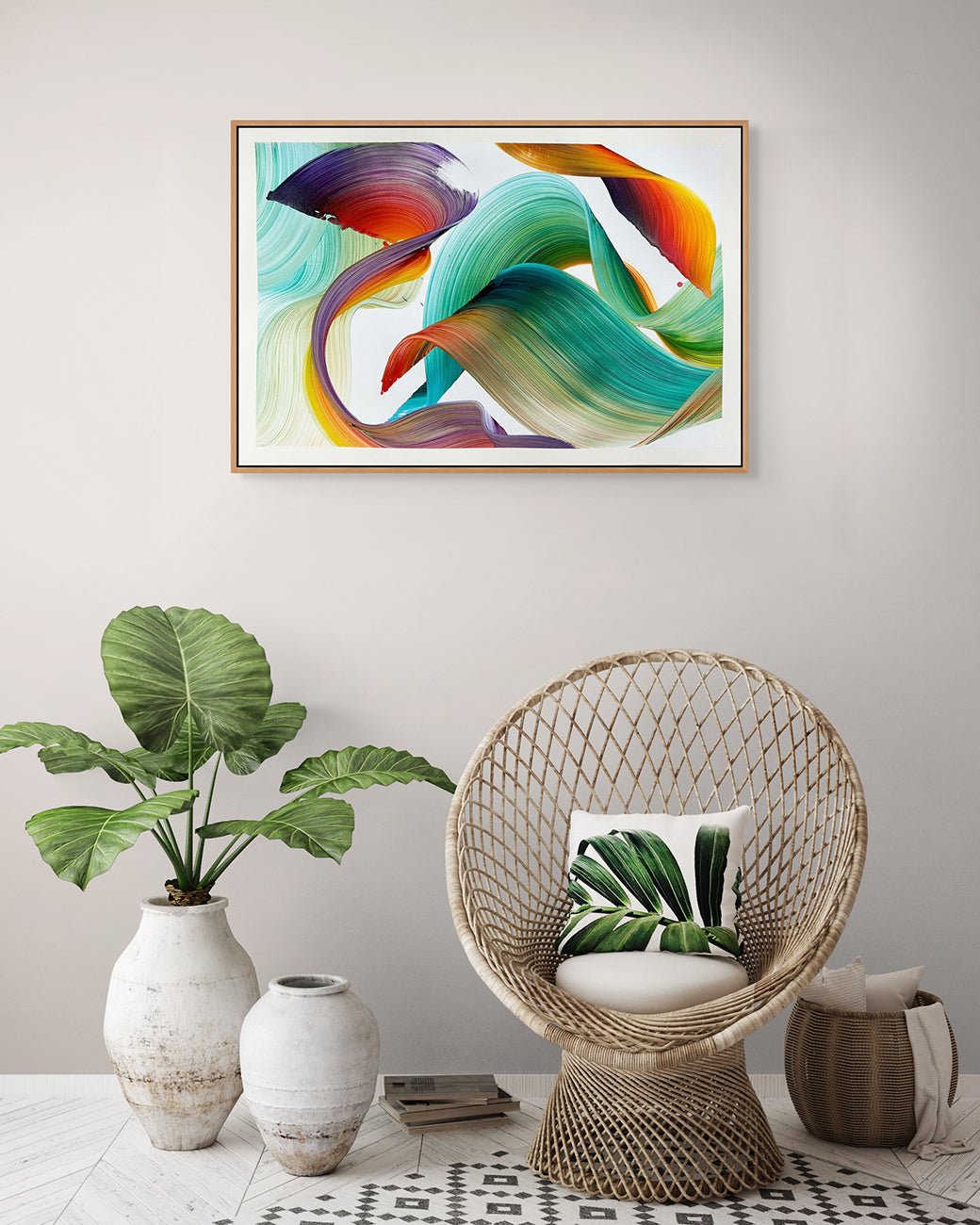


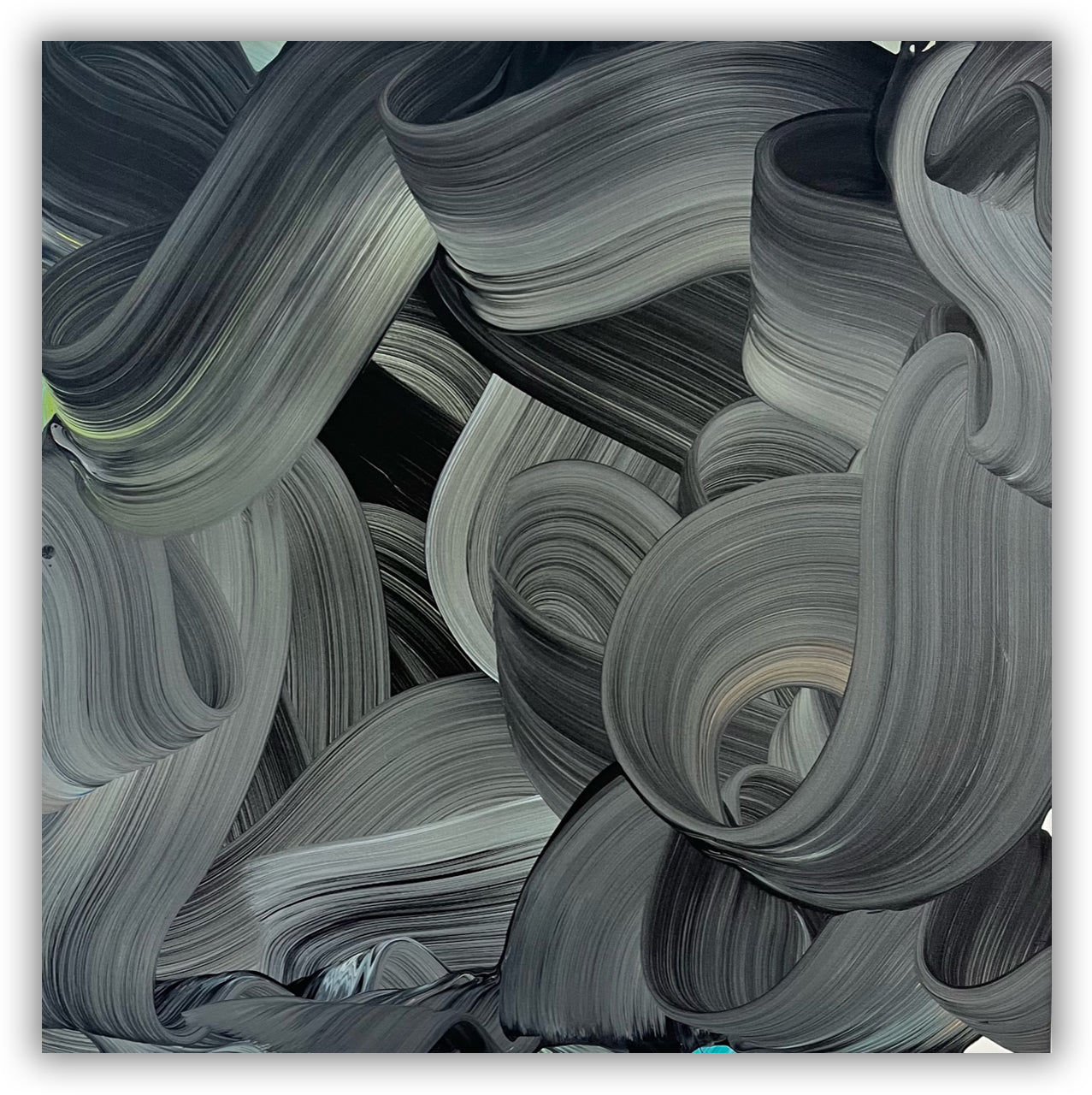


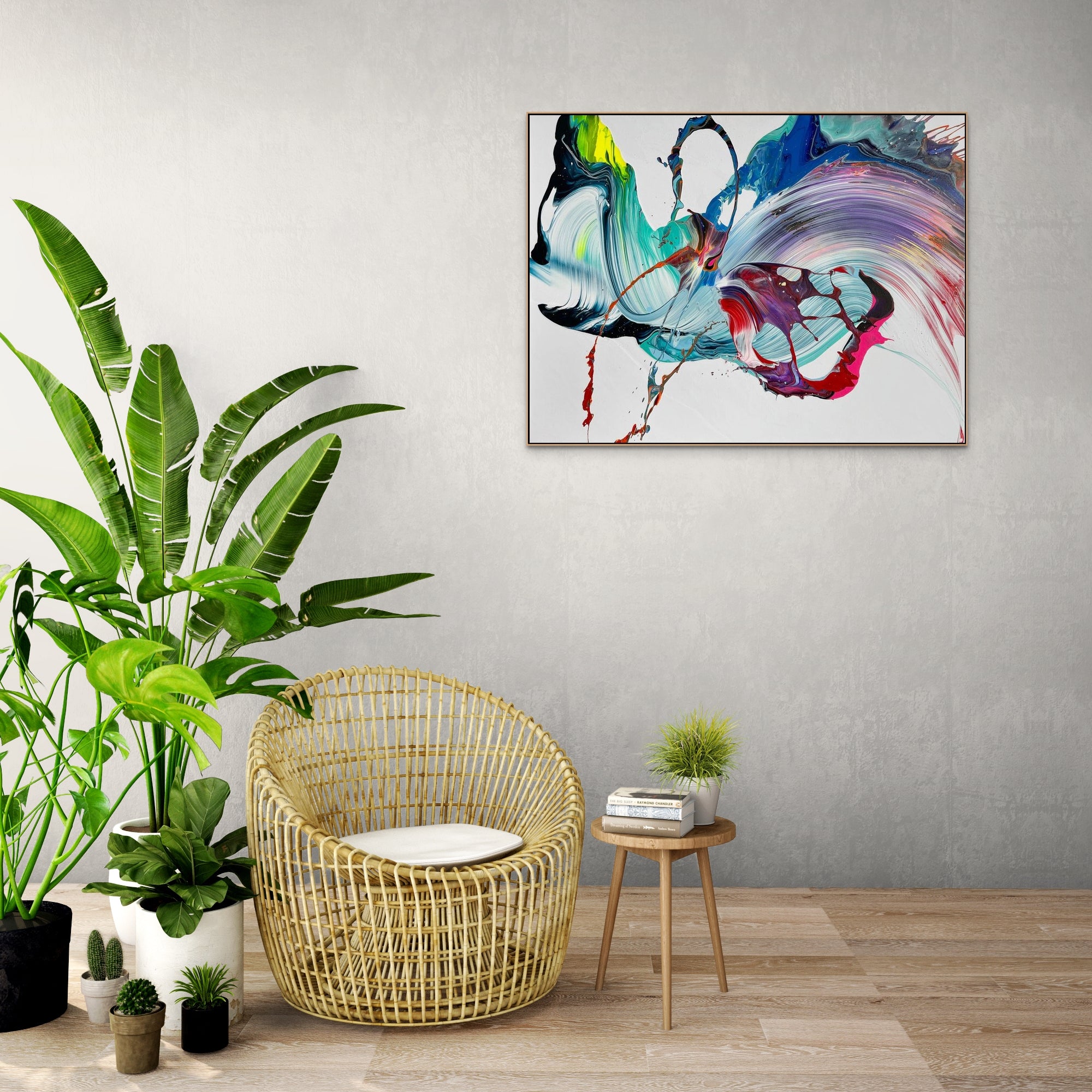


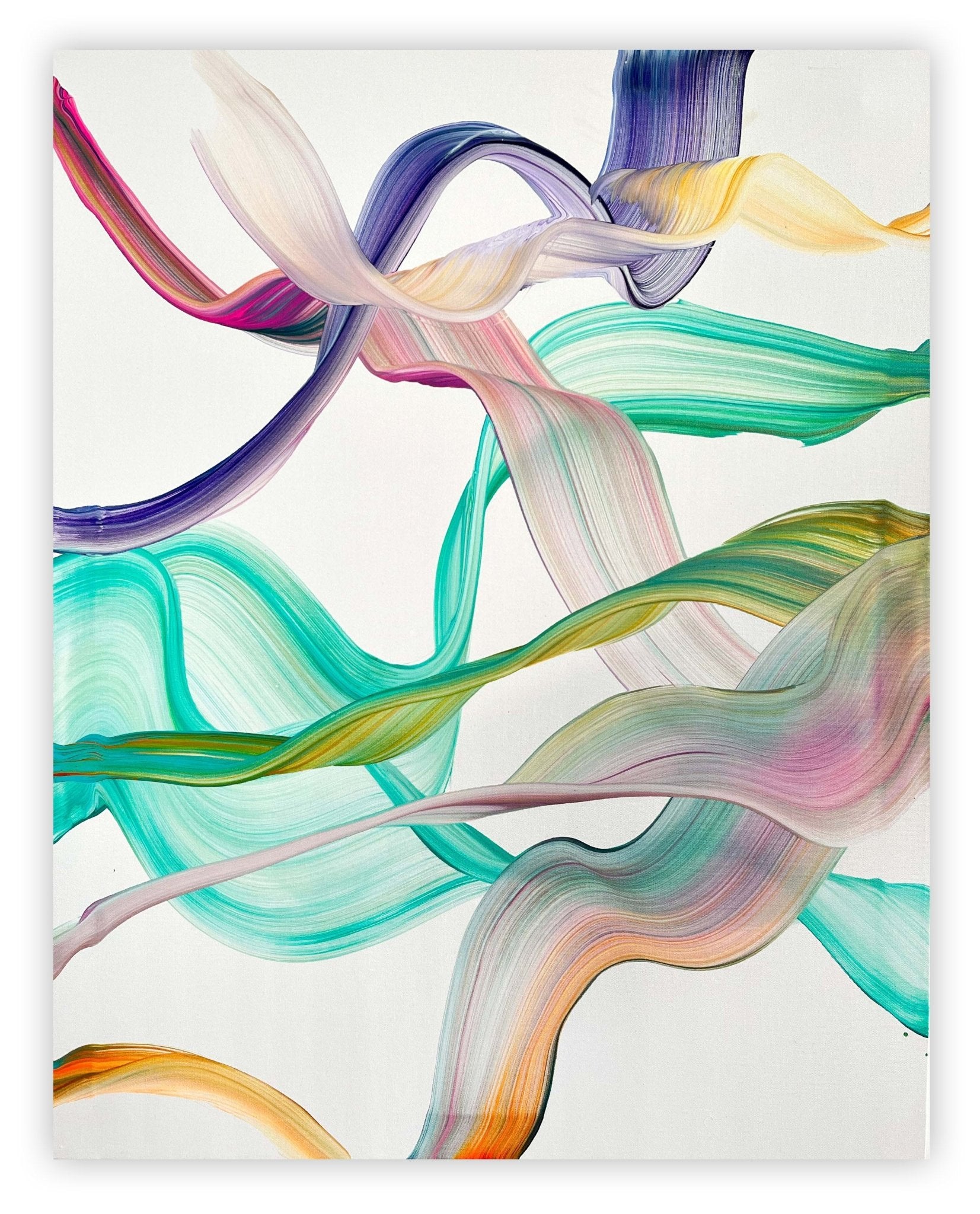
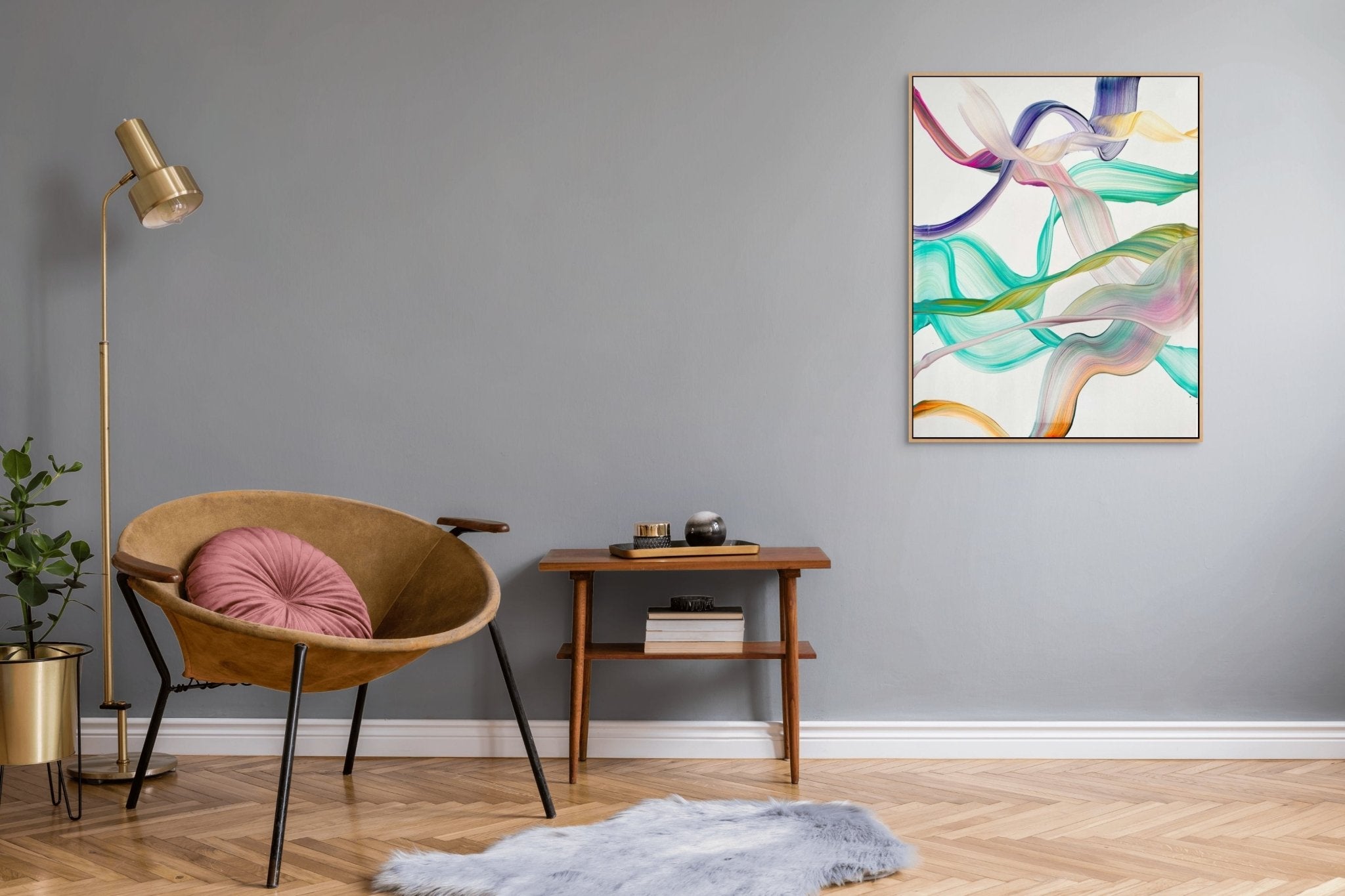


Nikolaos Schizas is a Barcelona-based Greek abstract painter born in 1983, whose dynamic paintings have rapidly established him as one of the most prolific and sought-after contemporary abstract artists of his generation. Since beginning his professional career in 2020, Schizas has created over 550 works, selling approximately 450 pieces. This extraordinary productivity and market appeal has made him one of IdeelArt's best-selling artists.

Education and Background
Schizas is primarily self-taught, developing his distinctive style through intuitive experimentation and practice. He later refined his skills through mentorships with professional painters and spent a year at Barcelona Drawing Academy, where he further developed his technical foundation. His approach to art serves as both passion and necessity, providing a meditative outlet that helps him channel his energy as someone with ADHD into focused creative productivity.
Inspiration and Style
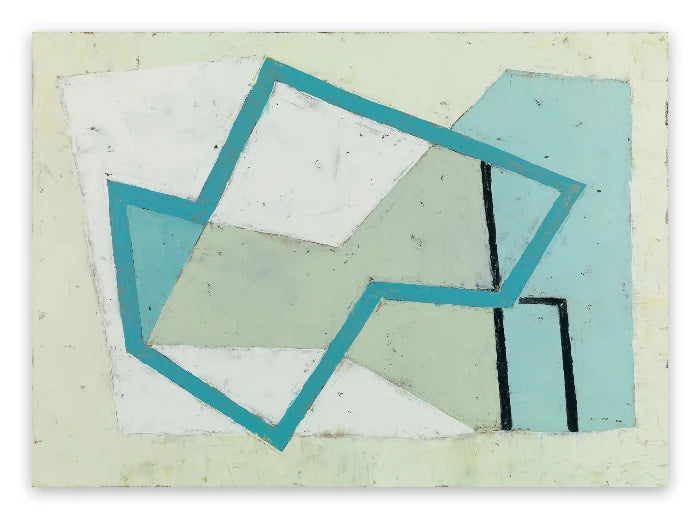
Schizas's work bridges elements of Abstract Expressionism, Surrealism, and Pop Art, reflecting his exploration of unconscious feelings and repressed emotions. His artistic practice is deeply meditative—each year, he retreats to a remote Greek island for two weeks of solitude, sketching and gathering inspiration that reconnects him with the emotional core of his work.
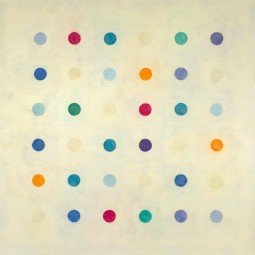
His body of work can be visualized as a growing tree, with each series branching from his foundational splash paintings. Unlike many artists who abandon previous techniques, Schizas nurtures all his series simultaneously, creating works that range from playful and rejuvenating to deeply meditative and reflective. His series include monochromatic all-over paintings in deep blues, greens, purples, and reds; gestural minimalist works incorporating metallic tones like zinc, bronze, graphite, and gold; and experimental pieces that blend spontaneity with precision.

Technique
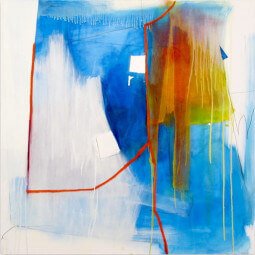
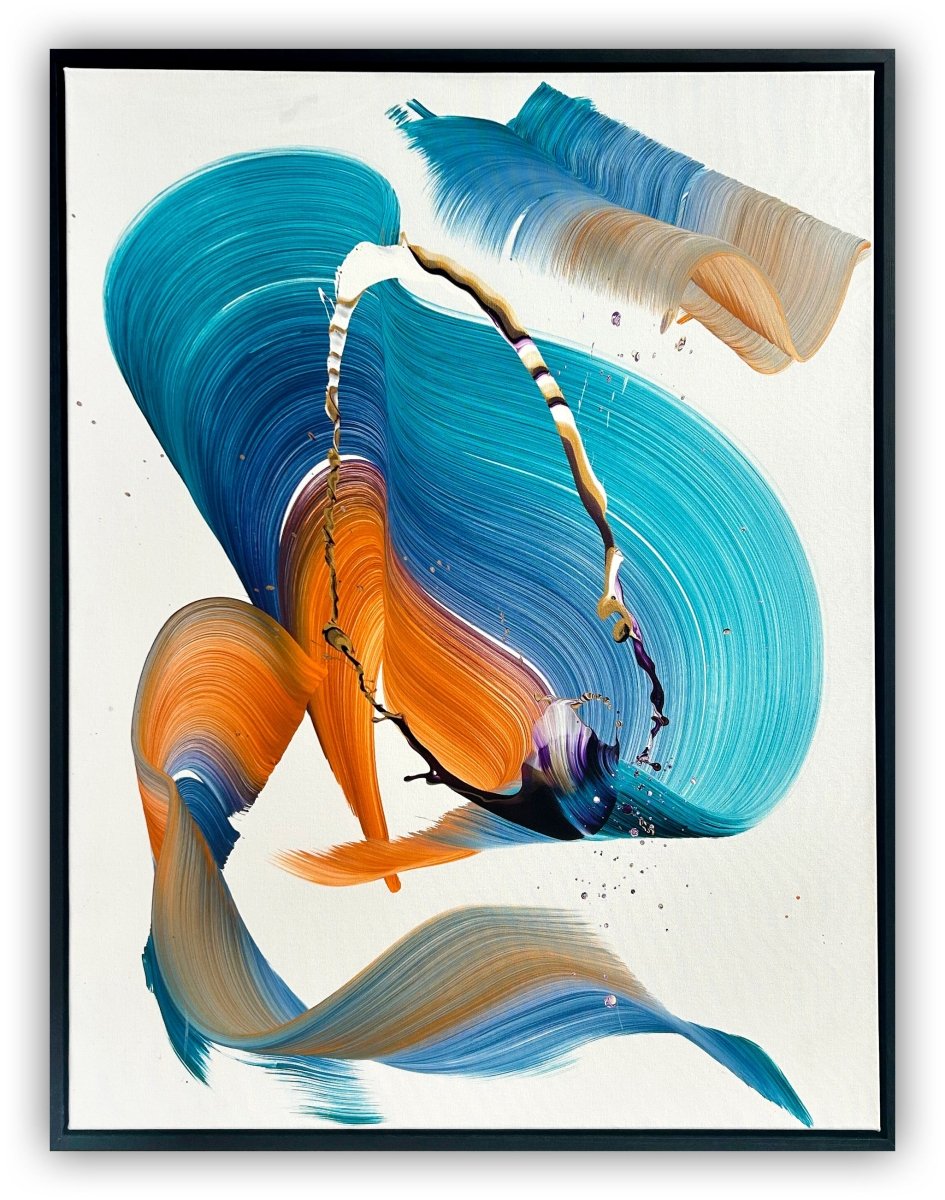
Working primarily with acrylics, spray paint, and resin on canvas, Schizas employs a diverse range of techniques including pouring, dripping, spraying, and gestural mark-making. His process begins with meticulous color preparation—he thins industrial acrylic paint to achieve the desired consistency, allowing colors to rest for several days before application. He works on wet backgrounds to ensure smooth, elegant brush movements, often using brushes up to 30 cm wide to create sweeping, energetic gestures that span two-thirds or more of the canvas.
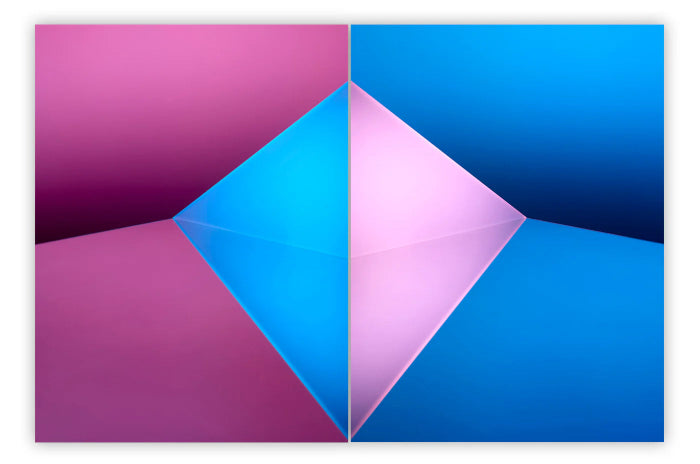
His technique has evolved through distinct phases: from early splash paintings executed on wet surfaces, to large multicolored brushstrokes prepared on glass surfaces, to more controlled "Ribbons" series featuring precise 10cm-wide strokes. He frequently incorporates sculpted gel in his "Sweeties" series, which becomes transparent over time, creating an evolving "reveal" effect. More recently, he has explored gradient backgrounds using spray paint techniques adapted from automotive painting methods.
Exhibitions
Despite a relatively late career start, Schizas has already exhibited his work in over a dozen of solo and group exhibitions in the US, Canada and Europe. He achieved a significant milestone in 2024 with his first solo exhibition at Art Miami Context, where 50 of his gestural works were presented.
Representation
IdeelArt has been promoting Schizas' distinctive abstract works since 2021.
Articles
The Growing Tree of Emotions: Nikolaos Schizas Ever Evolving Series

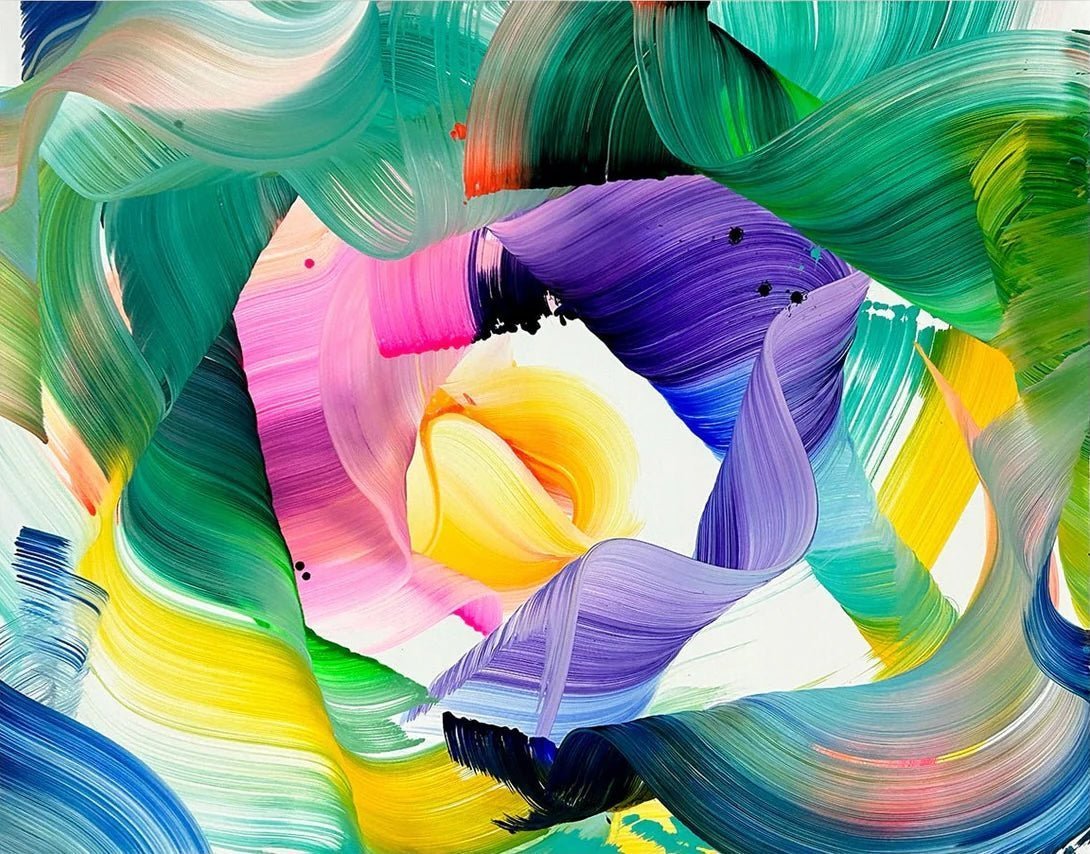
The Growing Tree of Emotions: Nikolaos Schizas’ Ever-Evolving Series
Nikolaos Schizas, a Barcelona-based artist, has become one of the most prolific and sought-after abstract painters of his generation. Despite only beginning his professional career in 2020, Schizas...
Read more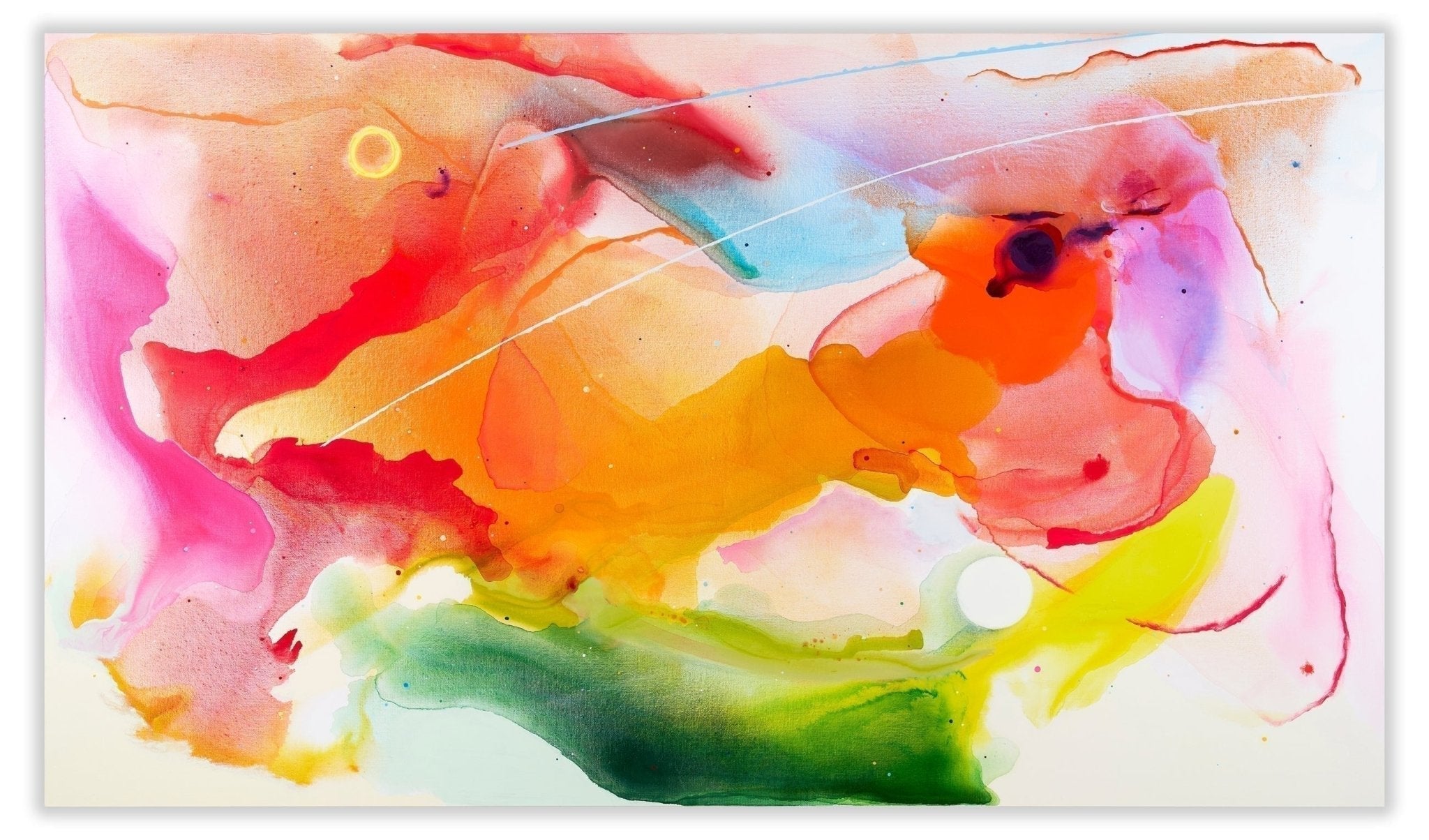
The Language of Feeling: Artists Who Paint Pure Emotions
What if a painting could speak directly to your soul without showing you a single recognizable thing? What if color and form alone could make you feel joy, melancholy, or transcendence as powerfull...
Read more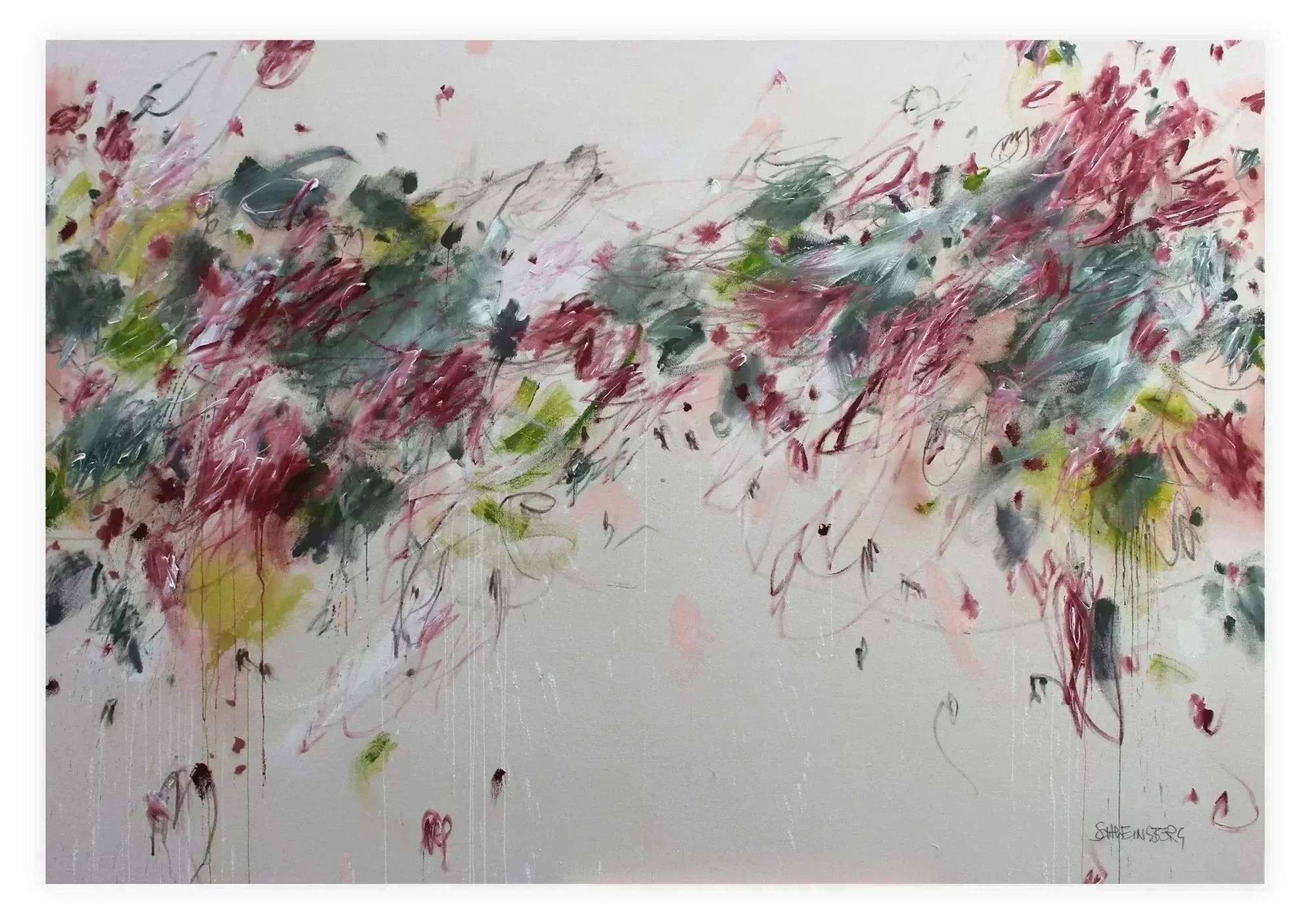
The Neuroscience of Beauty: How Artists Create Happiness
For centuries, philosophers and artists have sought to define the nature of "beauty." Thinkers such as Plato and Kant conceptualized beauty as a transcendent idea or an aesthetic experience detache...
Read more