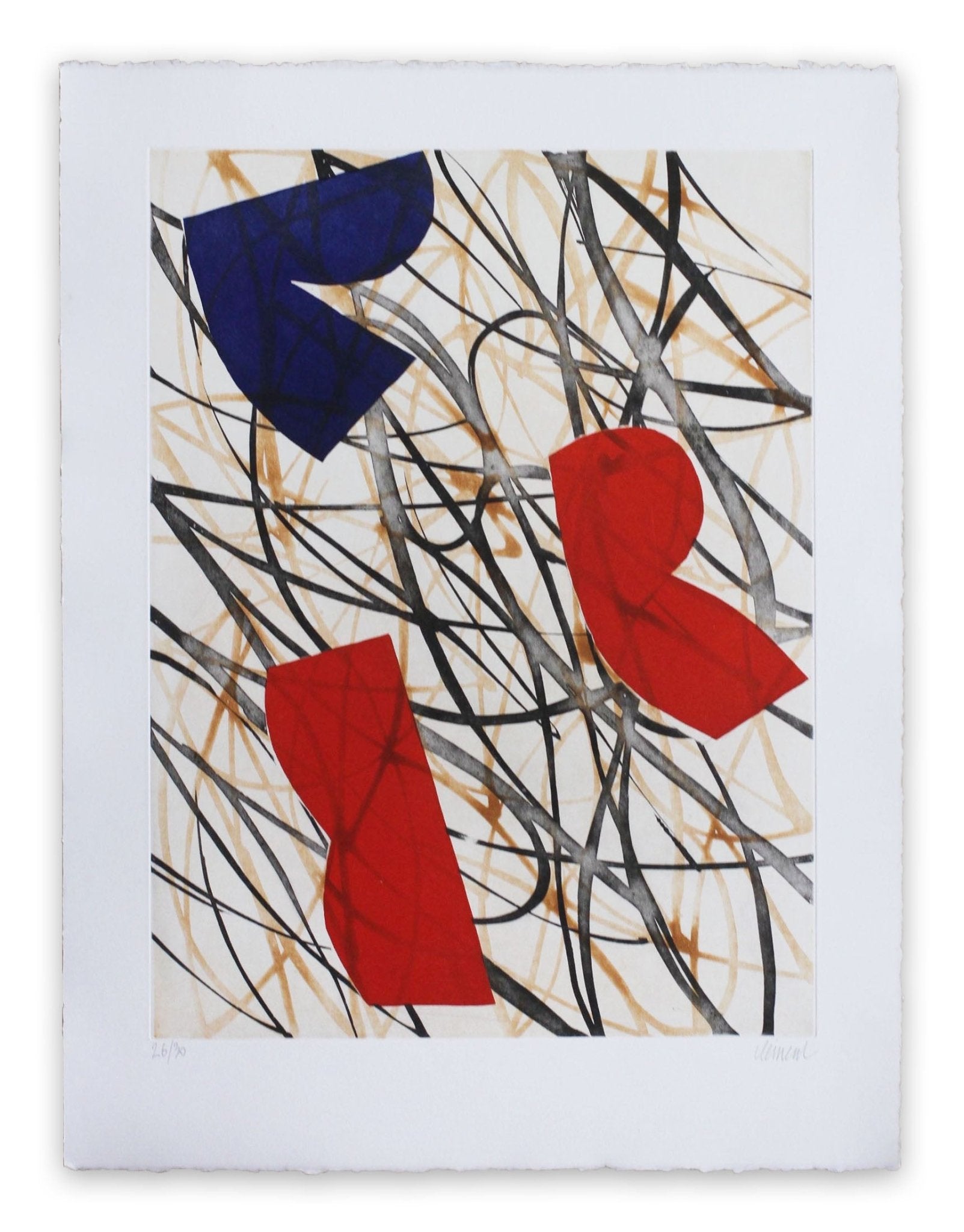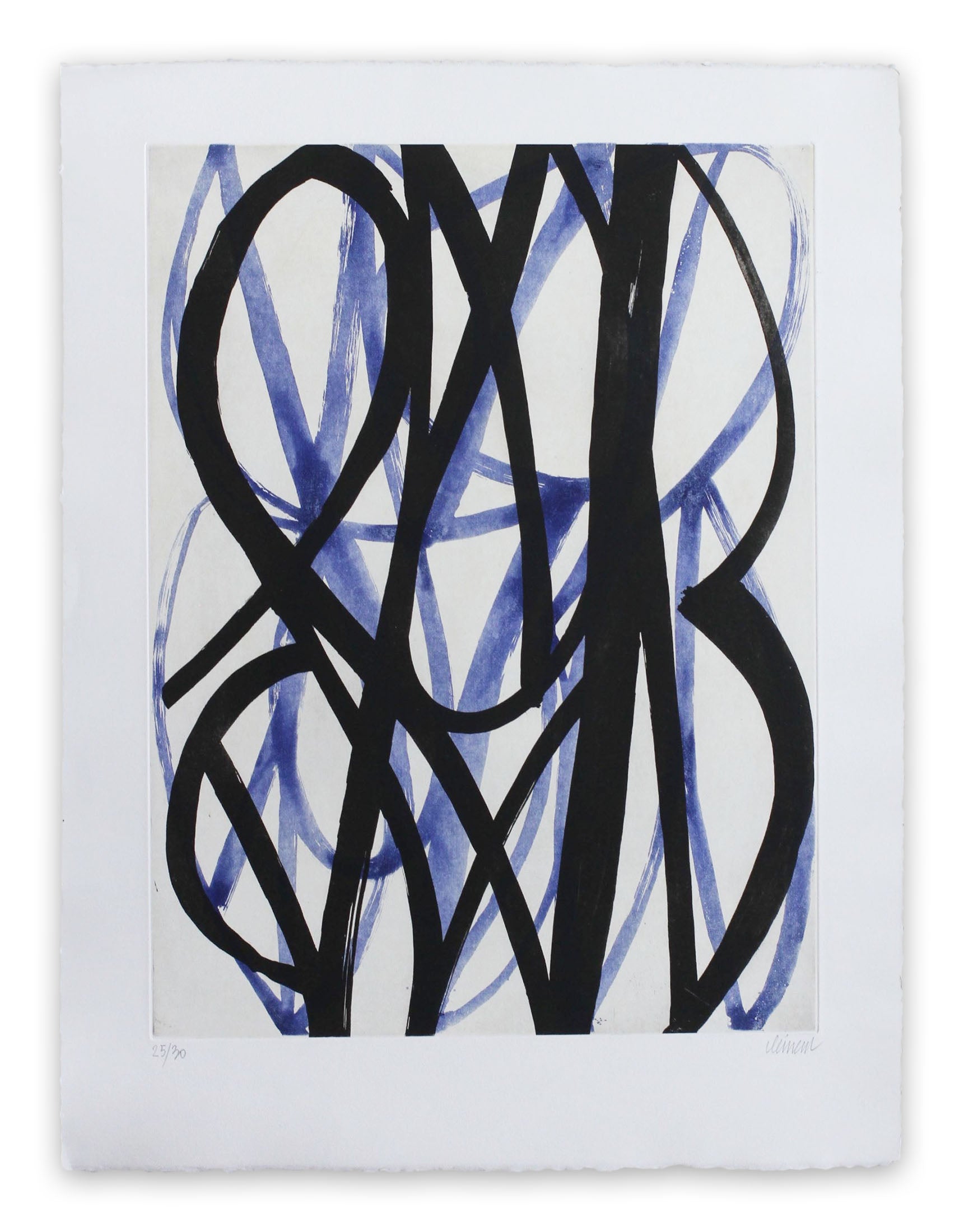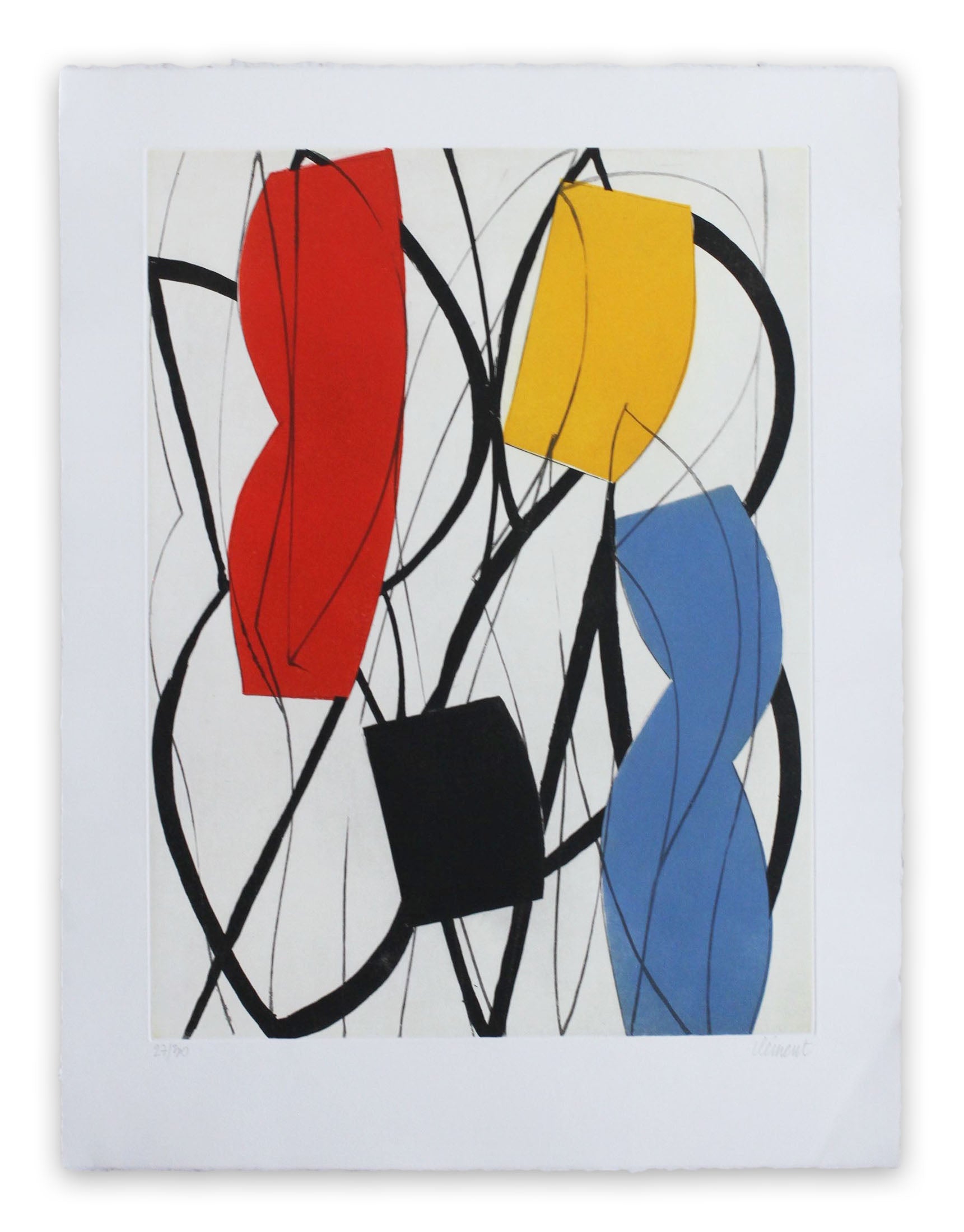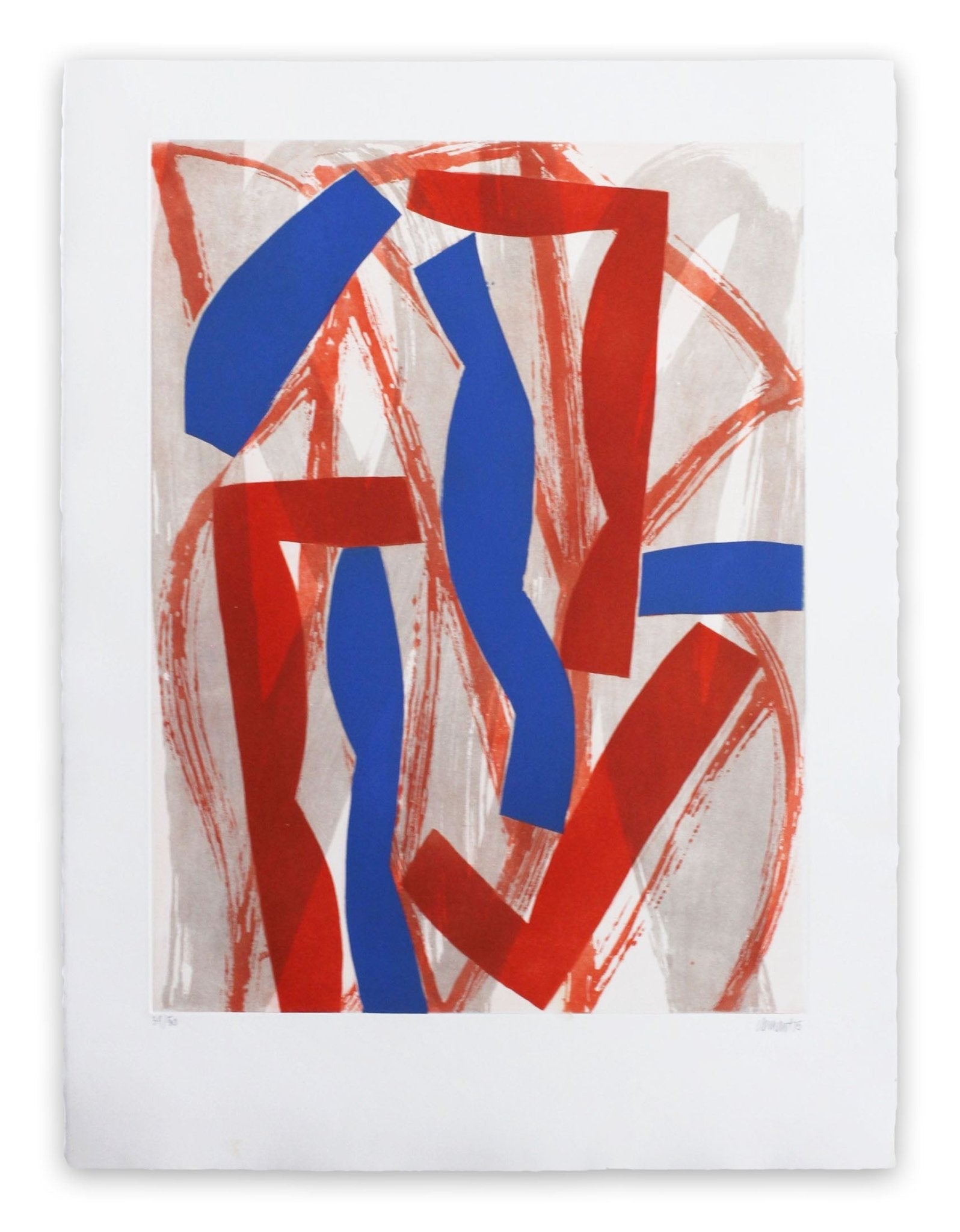
Alain Clément: Täydellinen opas halun, veistoksellisen värin ja aistillisen abstraktion maalariin
Harvat nykytaiteilijat ovat liikkuneet sodanjälkeisen eurooppalaisen abstraktion myrskyisissä virtauksissa yhtä itsenäisesti, rakenteellisesti kurinalaisesti ja fyysisesti elinvoimaisesti kuin Alain Clément. Vuonna 1941 syntynyt ranskalaismestari on käyttänyt yli kuusi vuosikymmentä monumentaalisen tuotannon rakentamiseen. Se ulottuu sulavasti maalaukseen, taidegrafiikkaan, taiteilijakirjoihin ja taiteltuihin teräsveistoksiin.
Monien 1960- ja 1970-lukujen aikalaiskollegoidensa antautuessa kuivalle käsitetaiteelle tai jäykille ideologisille dogmeille Clément loi syvästi henkilökohtaisen polun. Hän torjui käsityksen, jonka mukaan abstraktin maalauksen pitäisi olla litteää, tunteetonta tai teoreettista, ja kehitti sen sijaan radikaalin, keholähtöisen estetiikan, jossa laajat värinauhat, arkkitehtoninen jännite ja raaka fyysinen läsnäolo törmäävät toisiinsa. Nykyään hän kuvailee itseään nimenomaisesti ”Halun maalari”, muuntaen eroottisen jännitteen, elinvoiman ja fyysisen intohimon abstrakteiksi vertauskuviksi naisen kaarista, paisuvista muodoista ja aaltoilevista arabeskeista.
Työskentelipä hän Välimeren valoon uppoutuvien valtavien kankaiden parissa, leikkasipa ja taittelipa hän monen tonnin teräslevyjä saksalaisissa teollisuusvalimoissa (viime aikoihin asti) tai painoipa hän käsin harvinaisia taiteilijakirjoja, Alain Clément on edelleen yksi Ranskan vaikuttavimmista elävistä mestareista. Tämä kattava opas käsittelee hänen elämäänsä, uraauurtavaa filosofiaansa, markkinaperintöään ja hänen historiallista, vuonna 2025 tekemäänsä lahjoitusta Pariisin Centre Pompidoulle.
Alain Clément: tärkeimmät tiedot
-
Syntynyt: 1941 Neuilly-sur-Seinessä, Ranskassa
-
Ensisijaiset tekniikat: Öljymaalaus kankaalle, guassi paperille, maalattu laserleikattu teräsveistos, kaiverrus/kuparikaiverrus, monotypiat
-
Liittyvät piirit ja liikkeet: Sodanjälkeinen ranskalainen abstrakti taide, Atelier 17, Éditions Fata Morgana, ABC Productions (itsenäinen Supports/Surfaces-liikkeen lähialueella)
-
Keskeiset työskentelypaikat: Nîmes, Pariisi, Berliini (viime aikoihin asti)
-
Merkittävät julkiset kokoelmat: Centre Pompidou (Pariisi), CNAP / Palais Farnèse (Rooma), Carré d’Art (Nîmes), Musée Fabre (Montpellier), Hamburger Kunsthalle (Saksa), Kunsthalle Bremen (Saksa), Nirox Foundation (Etelä-Afrikka)
-
Keskeiset käsitteet: ”Halun maalari”, ”väärä ele” (Le faux geste) ja auki rullattu tilataso
1. Synty ja aatteelliset juuret (1941–1964)
Montparnassen mallipiirustuksesta Hayterin Atelier 17:ään
Alain Clément vietti varhaisvuotensa Montrougessa Pariisin lähellä ja kasvoi toisen maailmansodan jälkeisessä suurkaupunkiympäristössä, joka janosi visuaalisen kulttuurin uudistamista. Aloittaessaan muodollisen taidekoulutuksensa 1960-luvun alussa hän ohitti tarkoituksella École des Beaux-Artsin perinteisen, usein tukahduttavan opetussuunnitelman. Sen sijaan hän valitsi kaksi legendaarista itsenäistä oppilaitosta, joissa asetettiin etusijalle tekninen vaativuus, fyysinen kosketus materiaaleihin ja estoton kokeilu.
Ensin hän kehitti piirtäjän taitojaan Académie de la Grande Chaumière Montparnassessa. Grande Chaumière, joka tuli tunnetuksi korjaamattomista elävän mallin piirustustunneistaan ja vapautumisestaan akateemisesta hierarkiasta, opetti Clémentin näkemään piirtämisen ei maalauksen valmistavana luonnoksena vaan itsenäisenä tilallisen jännitteen ja virtaavien arabeskien kielenä.
Seejärel liitus Clément 1960. aastate alguses Atelier 17, Pariisis asuv maailmakuulus graafikalabor, mida juhtis Briti meistergraveerija Stanley William Hayter. Atelier 17, mis oli 1930.–1950. aastatel tuntud selliste suurkujude nagu Pablo Picasso, Joan Miró, Max Ernsti ja Jackson Pollocki võõrustajana, jäi 1960. aastatel rahvusvaheliseks tehnilise innovatsiooni kasvulavaks, eriti samaaegse värvitihedustrüki ja vaskplaadigravüüri alal. Clément astus sellesse ajaloolisse pärandisse, omandades trükipressi füüsika meisterlikkuse.

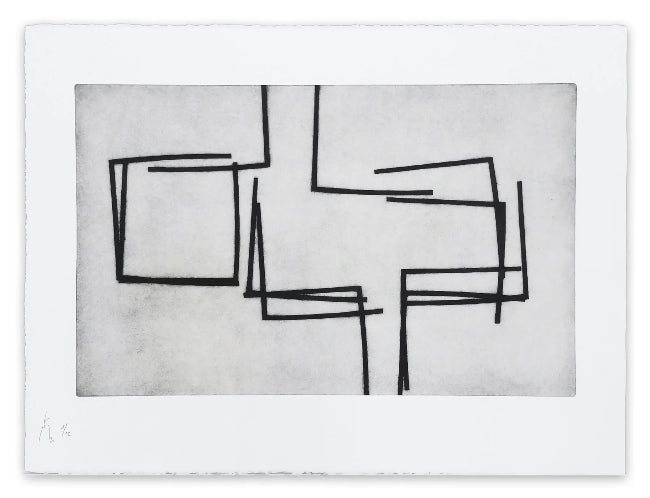
67M1P (valmistatud 1967. aastal Atelier 17-s) – Alain Clémenti isiklik arhiiv
Graafika kui filosoofiline maatriks: „vale žesti” analüüs
Clémenti jaoks oli graafika õppimine palju enamat kui käsitööoskuse omandamine: see kujundas kogu tema elukestva loomeviisi.
Erinevalt spontaansest action painting’ust nõuab sügavtrükitehnika järjestikuseid samme, äärmuslikku füüsilist vastupanu ja läbimõeldud ettenägemist. Kunstnik peab mõtlema samm-sammult, arvutama, kuidas hape vaskplaati söövitab, kuidas surve surub tindi niiskesse paberisse ja kuidas mehaanilised protsessid muudavad käeliigutusi. Nagu Clément hiljem mõtiskles, sunnib graafika vastupanu kunstnikku tulemusi ette aimama, leppides samal ajal sellega, et füüsiline protsess kaldub puhtast kontseptuaalsest kavatsusest paratamatult kõrvale ning juhib käe ootamatute avastusteni.
See arhitektuurilise ettevalmistuse ja füüsilise protsessi kahesus on ajendanud kunstikriitikuid ja ajaloolasi analüüsima tema loomingut tõlgendusliku mõiste kaudu „vale žest” (le faux geste). Kuigi tema küpsed maalid näivad pööraselt spontaansed, laiaulatuslike värvilintidega, mis matkivad action painting’ut, täheldavad kriitikud, et iga pintslitõmme on ette kavandatud, läbi arvutatud ja üles ehitatud. Tema žestid ei ole impulsiivsed raevupursked, vaid rangelt distsiplineeritud, füüsiliselt teostatud struktuurid.
2. Sõnad, trükipressid ja avalik ruum (1964–1977)
Lõunasse kolimine, Fata Morgana ja Bulletin
1964. aastal kolis Clément, otsides valgust, avarust ja sõltumatust Pariisi kunstielust, Lõuna-Prantsusmaale ning asus elama Montpellier’ ja Sainte-Croix-de-Quintillargues’i lähedale. Süvenedes traditsioonilisse trükikunsti, soetas ta rasked pliikirjatüübid ning õppis tundma kõrgtrüki ja vaskplaadigravüüri taktiilset füüsikat.
1966. aastal asutas ta koos teistega legendaarse kirjastuse Éditions Fata Morgana koos Bruno Roy ja Claude Féraud’ga.

Tourmente – Michel Butor – Fata Morgana Editions – 1968
Clément suhtus „kunstnikuraamatutesse” kompromissitult. Ta lükkas traditsioonilise illustratsiooni jõuliselt tagasi, uskudes, et kujutav kunst ei tohiks kunagi lihtsalt kirjalikku teksti kopeerida ega parafraseerida. Selle asemel käsitles ta graafikat, guašše ja gravüüre iseseisvate plastiliste teostena, mis astuvad luulega paralleelsesse dialoogi. Fata Morgana avaldas monumentaalseid teoseid, kus osalesid kirjanikud nagu André Breton, Roger Caillois ja Michel Butor ning mille visuaalse külje eest hoolitsesid Max Ernst, Joseph Sima ja Pierre Alechinsky.
Clémentin henkilökohtainen kirjallinen kumppanuus runoilija Frédéric Jacques Templen kanssa kesti yli viisi vuosikymmentä. Sen aikana syntyi radikaaleja taidekirjoja, kuten L'Hiver (1966), haitarimaisesti taiteltu kangaspäällysteinen kirja, ja yhteistyö jatkui teokseen Meschacebé (2020) asti.
Vuonna 1971 Clément laajensi teoreettista ja julkaisutoimintaansa ja perusti yhdessä kriittisen taidelehden Bulletin (Pratique/Peinture/Théorie) yhdessä legendaarisen käsitetaiteilijan Claude Rutault'n kanssa, julkaisemalla esseitä, joissa tarkasteltiin nykymaalauksen käytäntöjä ja teoriaa.
Supports/Surfacesin torjuminen ja ABC Productionsin perustaminen
1960-luvun lopulla Ranskan taidetta hallitsi poliittinen dekonstruktio. Vuonna 1967 Clément asetti teoksiaan näytteille niiden taiteilijoiden rinnalla, joista myöhemmin muodostui kuuluisa Supports/Surfaces liikkeeseen (johon kuuluivat muun muassa Claude Viallat, Vincent Bioulès ja Daniel Dezeuze), joka pyrki pelkistämään maalauksen raaka-aineosiinsa (pingottamaton kangas, puutangot, käsittelemättömät pigmentit) tiukan marxilais-maoistisen teorian ohjaamana.
Vaikka Clément jakoi heidän halunsa kiertää porvarilliset galleriat ja instituutioiden rutiinit, hän kieltäytyi johdonmukaisesti liittymästä Supports/Surfacesiin. Hän torjui heidän kylmät, toisteiset ja persoonattomat analyyttiset menetelmänsä. Sen sijaan Clément vaati säilyttämään maalauksessa yksilöllisen tunteen, fyysisen aistillisuuden, kromaattisen ilon ja ruumiillisen energian.

Näyttely ”100 Artistes dans la Ville” (1970) – Arkistokuva Alain Clémentista toukokuussa 1970 järjestetyssä Montpellier'n julkisen katutaiteen valtauksessa
Toteuttaakseen näkemyksensä julkisesta, välittömästä taiteesta ilman dogmaattista ideologiaa Clément perusti vuonna 1969 ABC Productionsin yhdessä Tjeerd Alkeman, Jean Azémardin ja Vincent Bioulèsin kanssa. Toukokuussa 1970 ABC Productions järjesti legendaarisen katutapahtuman ”100 Artistes dans la Ville” (100 taiteilijaa kaupungissa) Montpellier'ssä. Ryhmä otti haltuunsa kadut, aukiot ja historialliset julkisivut muuttaen kokonaisen kaupungin ulkoilmalaboratorioksi. Tapahtuma oli niin uraauurtava, että vuonna 2019 kuraattori Nicolas Bourriaud ja MO.CO-museo järjestivät laajan kansainvälisen juhlan sen perinnön kunniaksi.
3. Nîmesin läpimurto, ekspressionismi ja halun maalari (1977–1990)
Nîmesin kutsu ja eurooppalainen ekspressionismi
Vuonna 1977 Clément liittyi Beaux-Arts de Nîmesin opetushenkilökuntaan ja muutti pysyvästi historialliseen roomalaiskaupunkiin vuonna 1979. Nîmes tarjosi maiseman, jota kylpi kirkas Välimeren valo ja jota ympäröi muinainen roomalainen arkkitehtuuri (Arena, Maison Carrée), mikä vaikutti syvästi hänen väripalettiinsa ja tilan mittakaavan tajuunsa.
Clément toimi Beaux-Arts de Nîmesin johtajana 1985–1990, muuttaen sen dynaamiseksi kansainväliseksi instituutioksi. Vuonna 1990 hän kuitenkin erosi kaikista akateemisista ja hallinnollisista tehtävistä omistautuakseen kokonaan ateljeetyöskentelylleen.

Alain Clément - Nimetön - 1979/1980
1970- ja 1980-luvuilla Clément yhdisti poikkeuksellisen laajan vaikutteiden kirjon. Vaikka amerikkalainen abstrakti ekspressionismi liikautti häntä syvästi (Willem de Kooningin lihallisuus, Jackson Pollockin tilalliset rytmit, Barnett Newmanin värikentät ja Frank Stellan geometria), hän tutki myös eurooppalaisia mestareita. Tintorettolta ja Eugène Delacroix’lta hän ammensi pyörteilevän sommitteludraaman sekä Borrominilta ja Berniniltä barokkiset tilan vääristymät. Hänen työnsä herätti merkittävää kriittistä huomiota johtavilta ajattelijoilta, kuten filosofilta Yves Michaud, joka kirjoitti laajasti Clémentin työstä (muun muassa hänen vuoden 1988 Pernod-monografiastaan ja vuoden 2001 Actes Sud -retrospektiivisestä teoksestaan).
Kieltäytyen teollisista, valmiiksi sekoitetuista maaleista Clément alkoi jauhaa omat pigmenttinsä käsin öljyjen ja itse valmistamiensa sideaineiden kanssa ateljeessaan ja säätää maalin tiheyttä ja viskositeettia vastaamaan suoraan siveltimensä fyysistä vastusta.
Halun arkkitehtuuri: feminiiniset kaaret ja orgaaninen aistillisuus
Juuri tässä fyysisen intensiteetin ja rakenteellisen harkinnan yhdistelmässä Alain Clément määrittelee luomisviettinsä perustan: Halu.
Kuvaillessaan koko elämänsä kestäneen abstraktille maalaus- ja kuvanveistotaiteelle omistautumisensa liikkeellepanevaa voimaa Clément määrittelee itsensä ylpeästi ”Halun” maalari (halun maalarina). Clémentille halu ei ole abstrakti teoreettinen käsite tai romanttinen klisee, vaan raaka, ruumiillinen polttoaine, joka saa käden merkitsemään tilaa.
Vaikka hänen sommitelmansa eivät ole kerronnallisia eivätkä jäljitteleviä, niiden visuaalinen kieli on syvästi lihallinen. Jauhetun värin laajat nauhat, aistilliset silmukat, toisiinsa kietoutuvat solmukohdat ja elastiset arabeskit toimivat suorina vertauskuvina feminiiniset kaaret, muistuttaen lantion kaarta, vartalon kiertoa tai syleilyn fyysistä rytmiä. Antamalla abstrakteille eleilleen ruumiin painon, paisuvan tilavuuden ja kehon lämmön kosketeltavan lämmön Clément muuttaa abstraktin tilan värähteleväksi eroottisen jännitteen ja elinvoimaisen vetovoiman kentäksi.

Alain Clement - 21 M6 P ja 21 M11 P - 2021 - näyttelykuva - Carré d'Art (Nîmes) 2026 - ©francis berthomier
Greenbergin vastainen kangas: väri fyysisenä tilavuutena
Taiteen teorian alalla Alain Clément on vaikutusvaltaisen yhdysvaltalaisen kriitikon Clement Greenbergin suora vastavoima. Greenberg väitti tunnetusti, että modernin maalaustaiteen lopullinen päämäärä oli kaksiulotteisen tasomaisuuden (tasomaisuuden) ehdoton puhtaus.
Barokkisesta energiasta, Välimeren valosta ja feminiinisen aistillisuuden vertauskuvasta ammentanut Clément hylkäsi tasomaisuuden täysin. Clémentille kankaalla täytyy olla tilallinen syvyys, fyysinen paino ja värähtelevä tilavuus.
Hänen visuaalisessa kielessään väri ei ole litteä väripinta tai Mark Rothkon teosten kaltainen ilmakehän utu. Jokaisella värillä on oma fyysinen muotonsa ja rakenteellinen painonsa. Asettamalla paksut, säteilevät, käsin hiotut värinauhat vastakkain negatiivisen tilan kanssa hän luo optisen syvyysilluusion: hän kaivertaa kankaan taaksepäin äärettömyyteen tai työntää raskaat, nauhamaiset siveltimenvedot eteenpäin katsojan fyysiseen tilaan.
4. Kankaasta irtautuminen: läpimurto taitettuun teräkseen (1990–nykyhetki)
Seinäreliefeistä leikattuun teräkseen
Vuoteen 1990 mennessä, Pariisin Galerie Montenayssa järjestetyn kiitellyn näyttelyn jälkeen, jossa hänen maalatut muotonsa alkoivat hajota läpikuultaviksi verkoiksi, Clément tunsi fyysistä tarvetta murtautua ulos kaksiulotteisesta kehyksestä.
Vuonna 1994 hän loi ensimmäiset kolmiulotteiset teoksensa kaarevista tammitynnyrin laudoista. Vuoteen 1998 mennessä hän oli edennyt monimutkaisiin seinäreliefeihin, jotka oli valmistettu kaiverretusta, monivärisestä MDF-levystä.

Alain Clément – Sans Titre – 2005 – Commanderie de Peyrassol
Tämä kehitys huipentui 1990-luvun lopulla ja 2000-luvun alussa hänen tunnusomaiseen kolmiulotteiseen läpimurtoonsa: laserleikattuja, taitettuja teräsveistoksia.
Veistos avautuneena maalauksena
On tärkeää ymmärtää, ettei Clémentin siirtyminen veistoksiin merkinnyt maalaamisesta luopumista, vaan sen suoraa fyysistä ilmentymää. Hän ei veistä poistamalla kiveä lohkareesta tai muotoilemalla savea ytimestä. Sen sijaan, hän luo tilavuutta kuorimalla litteän tason avaruuteen.
Hänen veistosprosessinsa alkaa aina paperille tehdyistä täsmällisistä guassipiirroksista. Nämä maalauksia muistuttavia, aaltoilevia naisellisia kaaria toistavat kaksiulotteiset nauhamaiset suunnitelmat siirretään luonnollisen kokoisina raskaille teollisille teräslevyille. Tehokkaat teollisuuslaserit leikkaavat piirrettyjä viivoja pitkin, ja raskaat koneet taittavat ja kiertävät metallilevyä. Se, mikä oli paperilla litteä viiva, muuttuu ilmassa leijuvaksi teräsnauhaksi, joka vangitsee, kiertää ja jäsentää ilmatilaa.
Dialektiikka: Kuinka veistokset muuttivat hänen maalauksiaan
Raskaan teräksen työstäminen vaikutti syvästi ja odottamattomalla tavalla hänen maalauksiinsa.
Todellisen, fyysisen metallin kokeminen kolmiulotteisessa tilassa antoi Clémentille mahdollisuuden poistaa kankaistaan viimeisetkin koristeelliset illusoriset piirteet. Palatessaan maalaustelineensä ääreen hän maalasi rohkeammin, varmemmin ja huomattavasti pelkistetymmin. Teräksen taivuttamisesta saatu tilallinen auktoriteetti antoi hänen öljymaalauksilleen ennennäkemättömän etualavaikutelman ja arkkitehtonisen selkeyden.
5. Maantieteellinen akseli: Nîmes, Pariisi ja Berliini
Alain Clément työskenteli vuosikymmenten ajan strategisen maantieteellisen kolmion puitteissa ja ylläpiti ateljeita ja tuotantotiloja kolmessa eurooppalaisessa kaupungissa: Nîmesissä, Pariisissa ja Berliinissä. Kukin sijainti ruokki hänen työskentelynsä tiettyä ulottuvuutta:
Nîmes: Core Studio -työpaja ja Välimeren valo
Nîmes on edelleen hänen emotionaalinen ja fyysinen ankkurinsa. Saint-Rémyn korttelissa sijaitseva laaja pääateljee sisältää vuosikymmenten ajalta kertyneitä maalauskankaita, kokeellisia paperitutkielmia ja hitsattuja metalliprototyyppejä. Välimeren ankaran auringon ympäröimänä Nîmes on paikka, jossa hänen värinsä saavuttavat häikäisevän kirkkautensa, läpinäkyvyytensä ja raakaan energiaan pohjautuvan vauhtinsa.
 Alain Clément veistosateljeessaan – Nîmes – 2026 – ©Francis Berthomier
 Alain Clémentin maalausateljee Nîmesissa – 2026 – ©Francis Berthomier
Berliini: teollinen voima ja monumentaalinen valmistus
Saksalla on pitkään ollut syvä älyllinen ja kaupallinen kiinnostus Clémentin teoksiin, ja siellä on arvostettu hänen jäsennellyn geometrian ja maalauksellisen tunneilmaisun yhdistelmäänsä.
Berliinissä ja Reininmaan teollisessa ydinalueella Clément työskenteli viime aikoihin asti raskaaseen teollisuuteen erikoistuneiden teräsvalimoiden kanssa monumentaalisten veistostensa toteuttamiseksi. Kun teräslevyt olivat 3–5 metriä pitkiä, tarvittiin teollisuusnostureita, laserleikkureita ja kokeneita hitsaajia. Häntä tukivat merkittävät galleriat, kuten Die Galerie Frankfurtissa ja Berliinissä nämä saksalaiset laitokset tarjosivat tarvittavan insinööriosaamisen hänen Nîmesissa syntyneiden paperipiirrostensa muuntamiseksi monimetrisiksi teräsmonumenteiksi.
Pariisi: introspektio ja graafinen jälki
Perustettuaan Pariisiin pysyvän ateljeen uudelleen vuonna 1997 taiteilija sai pääkaupungista keskittyneen ja introspektiivisen työympäristön. Hänen Pariisissa syntyneissä teoksissaan on usein tiiviimpi ja graafisempi ilme. Pariisi on myös hänen graafisten yhteistyöhankkeidensa keskus, erityisesti yhteistyössä Galerie Catherine Putman, joka on julkaissut hänen monimutkaisia akvatintojensa, monotypioidensa ja paperitöidensä sarjojaan vuodesta 1993 lähtien.
6. Institutionaalinen perintö ja merkittävät museolahjoitukset (Carré d'Art ja Centre Pompidou)
Yli 60 vuotta kestäneen uransa aikana Alain Clément on saavuttanut pysyvän aseman kansainvälisessä museohistoriassa.
Merkittävät museoretrospektiivit ja julkiset tilat
-
1977: Musée Fabre, Montpellier (merkittävä uran keskivaiheen retrospektiivi)
-
1982: Galerie Jean Fournier, Pariisi (merkittävä abstraktionäyttely)
-
1984: Ludwig Museum, Aachen, Saksa (monumentaalinen kattotilaustyö)
-
1996 ja 2017: Musée d'Art Moderne de Céret (kattavat retrospektiivit)
-
1997 ja 2001: Carré d'Art – Musée d'Art Contemporain, Nîmes
-
2012: Hôtel des Arts, Toulon (laaja teräsveistosten ja maalausten katsausnäyttely)
-
2012 ja 2015: Nirox Foundation Sculpture Park, Johannesburg, Etelä-Afrikka
-
2024: Halle des Sports de Nîmes (monumentaalisen arkkitehtonisen mittakaavan yhteistyö)
Hänen julkinen läsnäolonsa tunnetaan maailmanlaajuisesti: Ranskan kansalliskokoelmaan (CNAP) kuuluva monumentaalinen, vuonna 1982 valmistunut maalaus on esillä arvostetussa Palais Farnèsessa Roomassa (Ranskan Italian-suurlähetystössä), ja hänen monumentaaliset teräsveistoksensa ovat olleet esillä Pariisin Grand Palais'n edustalla, Provencen Commanderie de Peyrassolissa sekä julkisissa tiloissa eri puolilla Eurooppaa.
Historialliset lahjoitukset: Carré d'Art Nîmes ja Centre Pompidou
Elävän taiteilijan lopullinen institutionaalinen tunnustus on toteutunut kahden viime vuosien merkkipaaluina toimineen lahjoituksen kautta:
Élisabethin ja Alain Clémentin lahjoitus Carré d'Artille (Nîmes):
Vuonna 2024 Alain ja Élisabeth Clément tekivät anteliaan lahjoituksen, joka käsitti 16 merkittävää teosta (maalauksia, laserleikattuja teräsveistoksia ja guasseja paperille) Carré d'Art – Musée d'Art Contemporainille Nîmesissä. Lahjoitus täydentää museon hänen uransa ajalta jo olemassa olevia kokoelmia, ja sitä korostetaan Carré d'Artissa omistetulla suurnäyttelyllä nimeltä "Alain Clément : Exposition d'une donation" (heinäkuu 2026 – toukokuu 2027). Näin hänen taiteellinen perintönsä asettuu keskeiseen asemaan hänen omaksumassaan Välimeren kotikaupungissa. Carré D'Artin pysyvä kokoelma (Nîmes) – joitakin Élisabethin ja Alain Clémentin lahjoittamia teoksia
Vuoden 2025 Centre Pompidou -lahjoitus (Pariisi):
Vuoden 2025 alussa Alain Clément teki historiallisen ja monumentaalisen lahjoituksen, joka käsitti 16 mestariteosta Centre Pompidou – Musée National d'Art Modernelle Pariisissa. Lahjoitukseen, joka on valittu edustamaan hänen koko taiteellista kehitystään 1970-luvulta 2020-luvulle, sisältyy 6 suurikokoista öljymaalausta kankaalle ja 10 guassia paperille. Ranskan lippulaivamuseossa modernin taiteen suurten nimien rinnalle sijoitetut teokset vahvistavat pysyvästi Alain Clémentin aseman 1900- ja 2000-lukujen abstraktin taiteen virallisessa historiankirjoituksessa.
7. Alain Clémentin keräily: tekniikat, arvo ja markkinavetovoima
Alain Clément tarjoaa keräilijöille poikkeuksellisen väylän eurooppalaisen sinilastun abstraktion pariin. Hänen monipuolinen tuotantonsa ulottuu helposti lähestyttävästä paperigrafiikasta museomittakaavan maalattuun teräkseen.
Alain Clémentin katalogi yhdellä silmäyksellä
|
Tekniikka |
Visuaalinen kieli ja fyysisyys |
Keräilijöiden ominaisuudet ja asemointi |
|
Öljymaalaukset kankaalle |
Vaikuttavat impastomaiset nauhat, käsin jauhetut pigmentit, monumentaalinen mittakaava, tasomaisuuden vastainen syvyys. |
Sinilastun keskusteos: Merkittävin ankkuri suurille yksityisille ja institutionaalisille kokoelmille. Korkein historiallinen arvo. |
|
Taitellut teräsveistokset |
Laserleikatut, kierretyt yksiväriset tai moniväriset teräslevyt; paperin viivatyöskentelyn kolmiulotteiset jatkeet. |
Arkkitehtoninen monipuolisuus: Erittäin arvostettu nykyajan sisätiloissa (pöytätasolle sopivassa koossa) aina monumentaalisiin, 5 metrin ulkoinstallaatioihin asti. |
|
Guassit ja monotypiat |
Energinen eleellinen nopeus, intiimi mittakaava, raakapigmentin läpikuultavuus, välitön fluidisuus. |
Helposti lähestyttävä ja keskeinen kuvataide: Poikkeuksellisen edullinen lähtötaso kuvataiteeseen, joka täydentää dynaamisesti suuria öljykankaita. |
|
Taiteilijakirjat ja etsaukset |
Historialliset intagliokaiverrukset, kuparipiirrosmenetelmällä tehdyt painotyöt, typografiset yhteistyöt. |
Bibliofiilien ja historian ystävien suosiossa: Harvinaisten kirjojen keräilijät ja taidegrafiikan tuntijat (Fata Morgana, Putman-painokset) haluavat näitä teoksia erittäin paljon. |

C Thomas (IdeelArtin toinen perustaja) teoksen 77S1 P (1977) edessä – Carré d'Art, Nîmes – 2026
Miksi keräilijät ostavat Alain Clémentin teoksia nykyään
-
Institutionaalinen vakaus: Hänen historiallinen asemansa on turvattu Centre Pompidoun, CNAP:n (Rooma) ja merkittävien saksalaisten museoiden kokoelmien ansiosta.
-
Tekniikoiden välinen synergia: Hänen maalauksensa, veistoksensa ja paperiteoksensa jakavat yhtenäisen visuaalisen kielen. Öljykankaan viereen asetettu teräsveistos luo häikäisevän vuoropuhelun varjon, fyysisen metallin ja maalatun vedon välille.
-
Arkkitehtoninen monipuolisuus: Hänen maalatut teräsveistoksensa kestävät sään vaihteluita, ja ne on suunniteltu vuorovaikutukseen sekä minimalististen modernien sisätilojen että historiallisen ulkoarkkitehtuurin kanssa.
8. Usein kysyttyä (FAQ)
1. Oliko Alain Clément Supports/Surfaces-liikkeen jäsen?
Ei. Vaikka hän asetti teoksiaan näytteille yhdessä tulevien Supports/Surfaces-ryhmän perustajien kanssa vuonna 1967 ja jakoi heidän halunsa päästä perinteisten galleriatilojen ulkopuolelle, Clément kieltäytyi liittymästä ryhmään. Hän torjui heidän kylmän, analyyttisen ja poliittisen oppinsa ja päätti sen sijaan säilyttää teoksissaan aistillisuuden, tunnepitoisen eleen ja kromaattisen intensiteetin.
2. Miten kriitikot tulkitsevat Alain Clémentin ”väärän eleen” (le faux geste)?
Vaikka hänen laajat maalijatonsa näyttävät spontaanilta action paintingilta, taidekriitikot huomauttavat niiden olevan todellisuudessa ennalta harkittuja, laskelmoituja ja arkkitehtonisesti suunniteltuja. Varhaiseen kuparipiirroskaiverruksen koulutukseensa pohjautuen Clément rakentaa sommitelmansa mielessään ja paperitutkielmien avulla ennen niiden toteuttamista kankaalle fyysisellä täsmällisyydellä.
3. Miksi Alain Clément kutsuu itseään ”halun” maalariksi?
Clément pitää halua nimenomaisesti taiteellisen luomisen ensisijaisena fyysisenä voimana. Sen sijaan että hän maalaisi älyllisiä abstraktioita, hän muuntaa fyysisen intohimon, eroottisen jännitteen ja kehon elinvoiman laajoiksi orgaanisiksi muodoiksi. Hänen aaltoilevat maalijatonsa ja taiteltu teräs muodostavat abstrakteja vertauskuvia naisellisista kaarista, lanteista ja ihmisten välisestä läheisyydestä.

4. Miten Alain Clémentin teräsveistokset valmistetaan?
Clément suunnittelee veistoksensa paperille litteinä guassipiirroksina. Nämä kaksiulotteiset muodot siirretään digitaalisesti paksuille teräslevyille, leikataan laserilla ja taitetaan, kierretään sekä hitsataan sitten mekaanisesti erikoistuneissa teollisuusvalimoissa. Lopulliset teräsrakenteet pinnoitetaan kestävällä, kirkkaanvärisellä yksivärisellä maalilla.
5. Missä Alain Clémentin tärkeimmät ateljeet sijaitsevat?
Clément on perinteisesti työskennellyt kolmen paikan muodostamassa kokonaisuudessa: Nîmes (hänen pääateljeensa, joka kylpee Välimeren valossa), Pariisi (jossa keskitytään taidegrafiikkaan, paperiteoksiin ja galleriayhteyksiin) ja Berliini (joka toimi viime aikoihin asti hänen raskaan teollisen teräsvalmistuksensa keskuksena).
6. Mikä on vuoden 2025 Centre Pompidou -lahjoituksen merkitys?
Vuoden 2025 alussa Clément lahjoitti Pariisin Centre Pompidoulle 16 merkkiteosta (6 monumentaalista kangasta ja 10 guassityötä), jotka kattavat vuodet 1970–2023. Tämä historiallinen hankinta sijoittaa hänen tuotantonsa pysyvästi yhteen maailman arvostetuimmista modernin taiteen kokoelmista.
7. Mistä voin ostaa Alain Clémentin alkuperäisiä taideteoksia?
Alain Clémentin alkuperäisiä maalauksia, veistoksia ja paperiteoksia on saatavilla tässä artikkelissa mainituista johtavista nykytaidegallerioista. IdeelArtilla on pääsy suurimpaan osaan taiteilijan teosvarannosta. Jos sinulla on erityistoiveita, kerro niistä meille.
8. Miten Alain Clémentin varhainen taidegrafiikan koulutus vaikutti hänen maalaustyyliinsä?
Työskentely kuparilevyjen parissa Atelier 17:ssä 1960-luvun alussa opetti Clémentin ajattelemaan vaiheittain ja ennakoimaan työvälineiden fyysistä vastusta. Tämä kurinalaisuus esti hänen maalauksiaan muuttumasta hallitsemattomaksi action paintingiksi; sen sijaan taidegrafiikka antoi hänen siveltimenvedoilleen arkkitehtonisen rakenteen ja syvän tietoisuuden negatiivisesta tilasta.
9. Mikä oli historiallinen katutaidetapahtuma ”100 Artistes dans la Ville”?
ABC Productionsin (jonka Clément oli mukana perustamassa) toukokuussa 1970 järjestämä radikaali tapahtuma ohitti porvarilliset galleriat sijoittamalla nykytaiteen suoraan Montpellier’n julkisille kaduille, aukioille ja julkisivuille. Tapahtuma oli niin vaikutusvaltainen, että MO.CO-museo järjesti vuonna 2019 suuren kansainvälisen juhlanäyttelyn sen kunniaksi.
10. Mikä on Alain Clémentin yhteys Éditions Fata Morganaan?
Clément perusti legendaarisen kustantamon Éditions Fata Morgana vuonna 1966 yhdessä Bruno Royn ja Claude Féraudin kanssa. Hän loi vedoksia, guasseja ja kaiverruksia rajoitettuihin taiteilijakirjoihin ja loi siten ei-kuvittavia visuaalisia vuoropuheluja merkittävien runoilijoiden, kuten Frédéric Jacques Templen, André Bretonin ja Michel Butorin, rinnalle.
11. Miten Alain Clément luo syvyyden illuusion ilman perinteistä 3D-perspektiiviä?
Perinteisten horisonttiviivojen tai pakopisteiden sijaan Clément käyttää käsin jauhettuja, erittäin viskoosisia pigmenttejä vastakkaisissa lämpimissä ja viileissä sävyissä. Kerrostamalla paksuja maalijuovia avoimia värikenttiä vasten hän luo optisen työntö- ja vetovaikutelman, joka saa muodot näyttämään ulospäin pullistuvilta tai syvälle kankaaseen uurretuilta.
12. Mitä kriittisiä tekstejä filosofi Yves Michaud on kirjoittanut Alain Clémentista?
Tunnettu ranskalainen filosofi ja taidekriitikko Yves Michaud on kirjoittanut laajasti Clémentin tuotannosta, muun muassa merkittävän Pernod Mécénat -luettelon vuonna 1988 sekä kattavan Actes Sudin monografian Alain Clément vuonna 2001. Michaudin kirjoituksissa tarkastellaan Clémentin avaruudellisen syvyyden, värien intensiteetin ja maalijäljen fyysisen läsnäolon hallintaa.
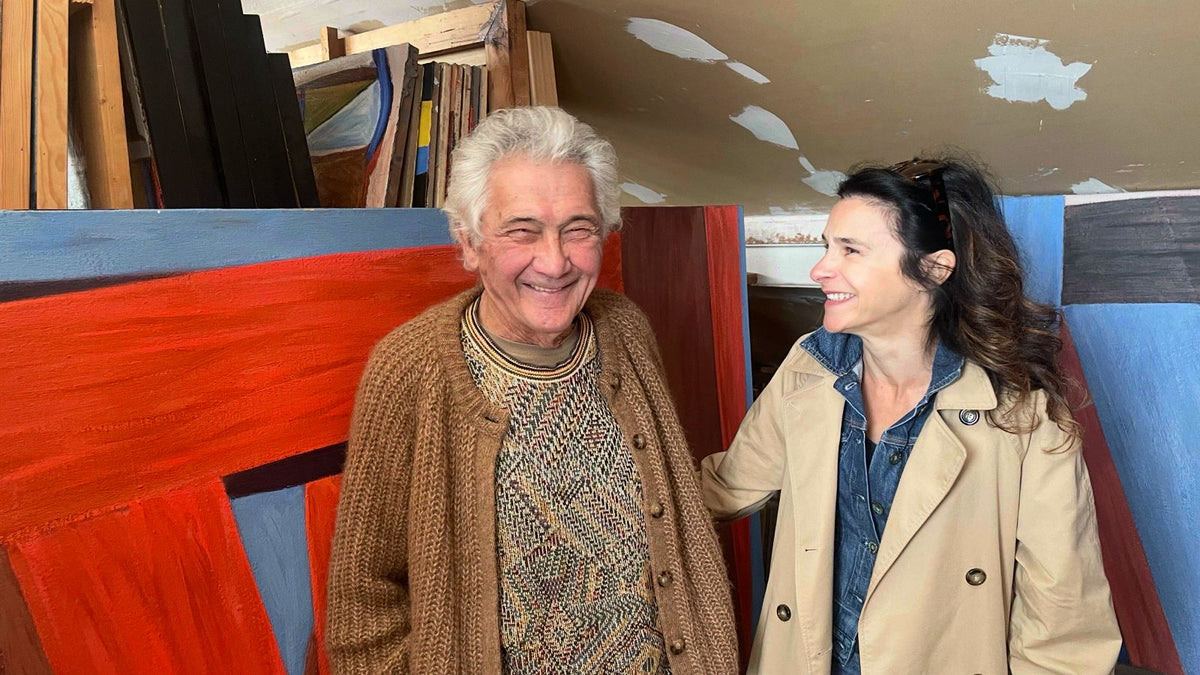
 F. Berthomier (IdeelArtin toinen perustaja) ja Alain Clément tämän varastossa (Nîmes, 2026). ©Francis Berthomier
Francis Berthomier
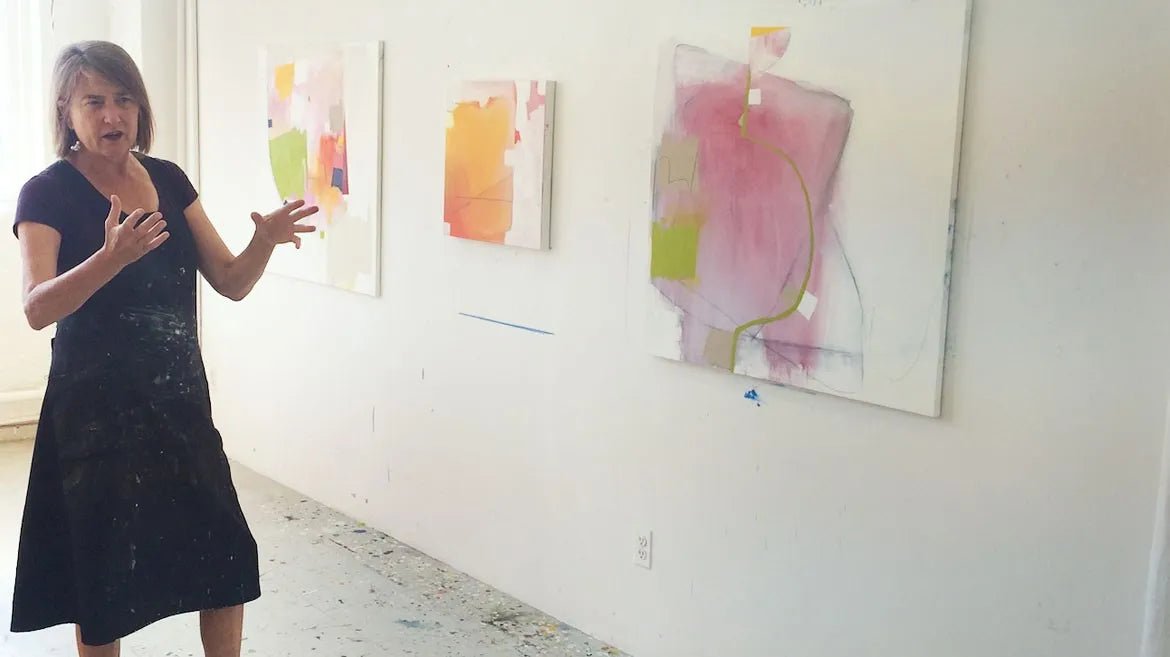
Esittelykuva: Alain Clément Nîmesissä sijaitsevan ateljeensa varastossa suurikokoisten maalattujen kankaiden ympäröimänä © Francis Berthomier