Serious And Not-So-Serious: Macha Poynder In 14 Questions
The Secret Laws of the Universe
At IdeelArt, we believe an artist’s story is told both inside and outside the studio. In this series, we pose 14 questions that bridge the gap between creative vision and everyday life, mixing professional insight with the personal quirks that make each artist unique.
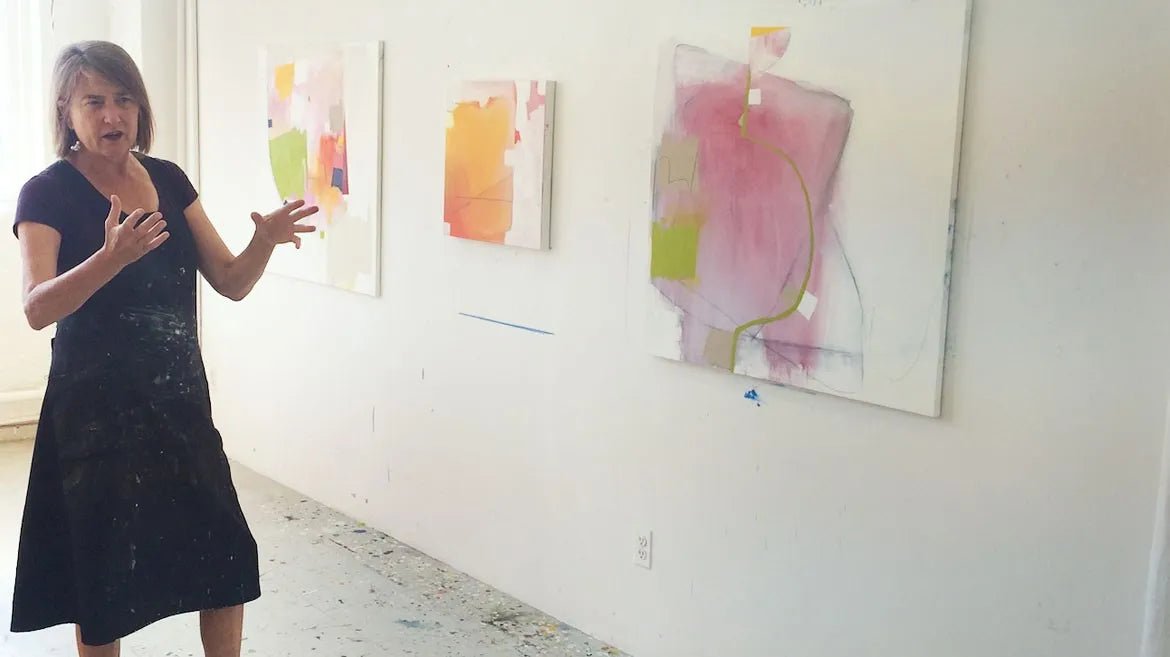
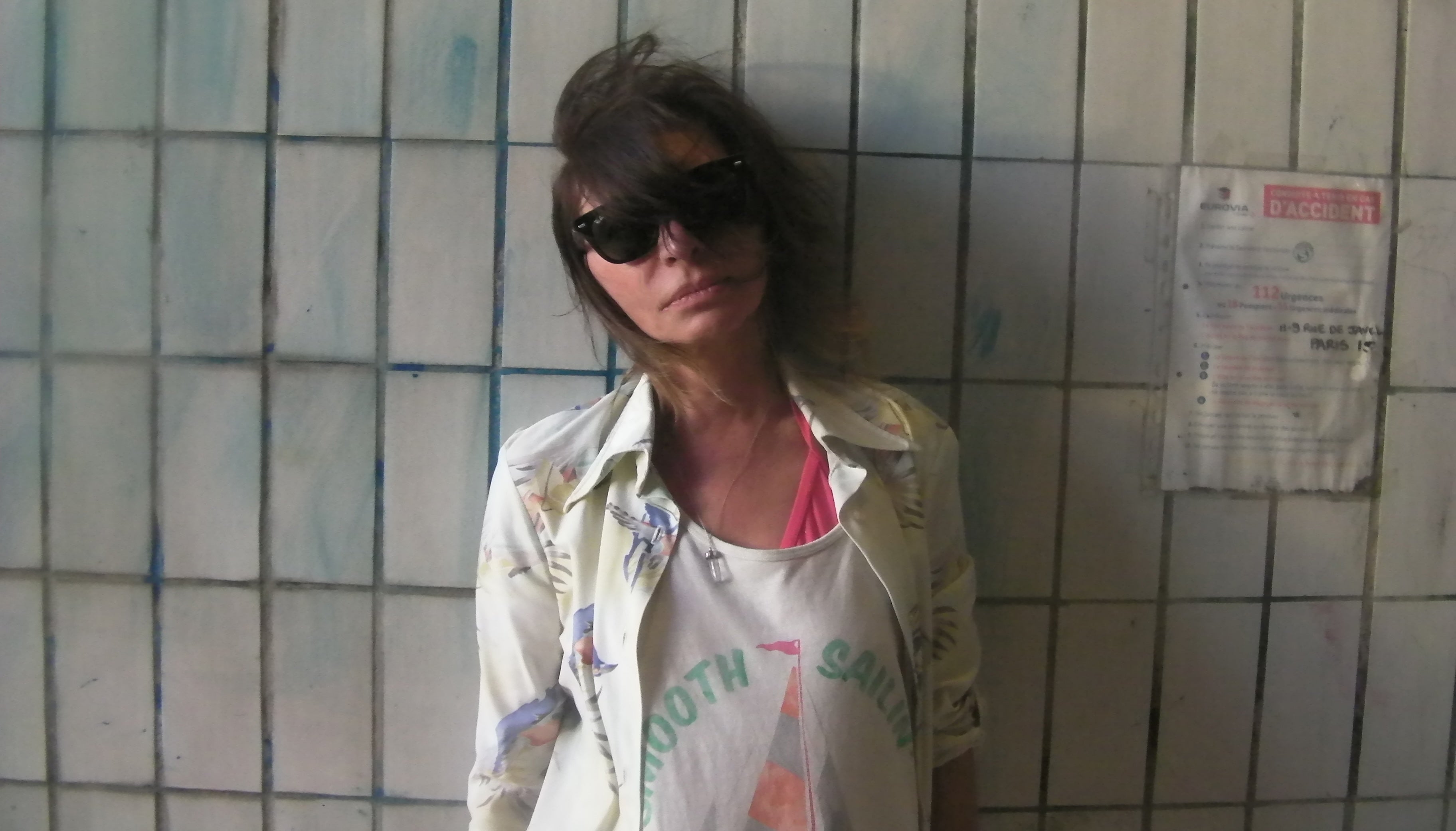
Today, we dive into the mystical, deeply intuitive world of Macha Poynder. For Macha, painting is not a career choice, but a destiny that has guided her life since the age of six. Rooted in a spiritual worldview shaped by astrology, shamanism, and the I Ching, she views her canvas as a space to unlearn past habits and let the unknown emerge.
Discover how she blends the raw energy of indie rock with the quiet discipline of her Burgundy studio, her deep connection to the scale and breath of American abstraction, and why she believes the ultimate goal of art is to disappear completely so the work can take over.
The Not-So-Serious Questions
8 questions to reveal unexpected quirks and everyday life of Paul Landauer.
Section 1: Fun & Personal – 8 Questions
1 - If your art was a song or a piece of music, what would be playing in the background?
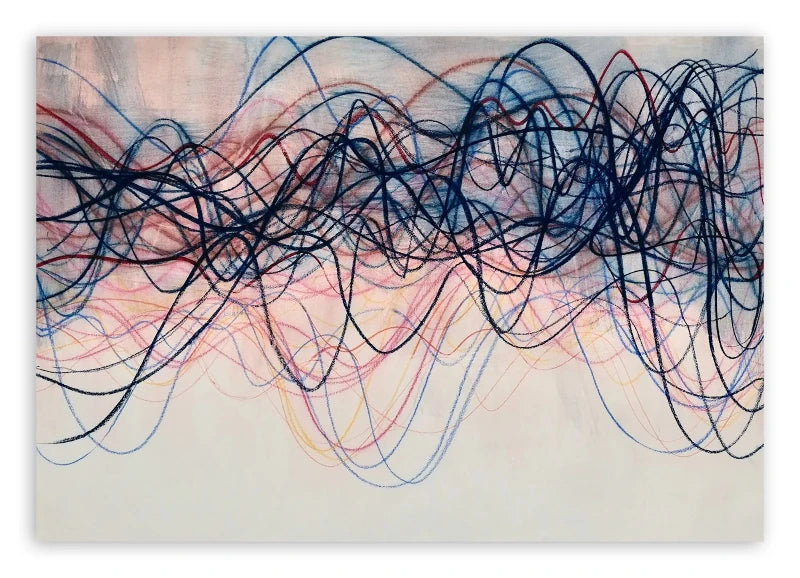
A track by Elliott Smith or Mattiel, and plenty of others too, like Warpaint, Cat Power, Alex Ebert, The Be Good Tanyas, Wooden Shjips, Ali Farka Touré, and Keaton Henson. Essentially indie rock, but also the oud. I love multi-layered sounds, hypnotic vertigo, and magical wanderings. In any case, painting and music are two sides of the same coin.

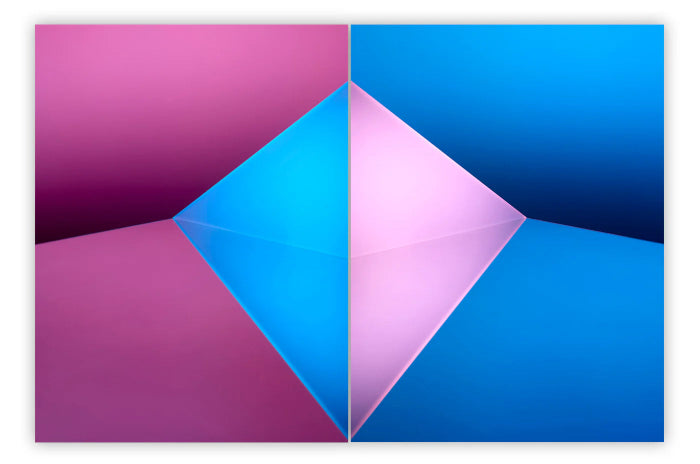
Macha Poynder - Fly - 2026
2 - What's something you're obsessed with or have a strong interest in that has nothing to do with art?
Astrology, shamanism, and the I Ching. An approach to the world that isn’t exactly Western. I am on the side of those who believe the universe is governed by forces beyond us, where everything is linked and connected. Just like in painting. Painting and the universe are ruled by the very same laws.
3 - Coffee, tea, or something stronger while you work? Or just light and silence?
An infusion of fresh ginger - replenished throughout the entire afternoon - and lots and lots of music; a bath of sounds, both known and unknown. But also watching the light move and change. And kettlebells for the breaks.

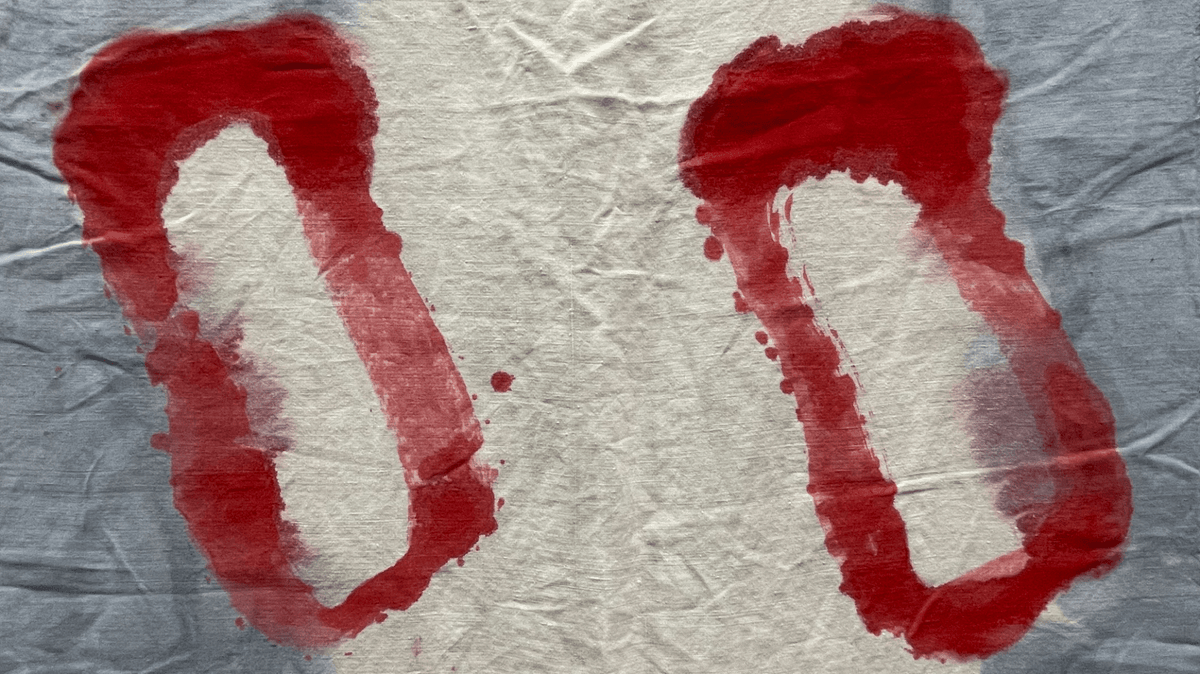
Macha Poynder - Lipstick - 2026
4 - If you could meet with anyone, dead or alive, who would it be?
Rembrandt. The most mysterious of them all. In Russian, one would say his painting is "nerukotvornaya", meaning it was not created by the hand of man.
5 - If you weren't an artist, what would you be doing?
My first thought is that it's unthinkable; without painting, I wouldn't exist. My second thought would be cinema, making films.

Macha Poynder - May - 2026
6 - Can you share a short story or moment from your non-artistic life that had a strong impact on your life as an artist?
Since I was six years old, ever since I started drawing and painting, art has never ceased to produce miracles, both big and small, in my life. Because of this, I realized very early on that it was painting that made the decisions: choosing my friends, my loves, my circles, the cities I went to, my worldview, my choices, and my life. It was destiny; my destiny.
7 - What does a good day look like for you, outside of the studio?
A good day cannot be a day without painting, unless I am traveling. But an ideal day off is, above all, about not rushing, letting myself drift and experiencing an internal expansion. Then swimming; ideally in Greece in September, or even just in a pool, as is the case when I am in Paris (but unfortunately not in Burgundy, where I have set up my new studio).
Then, to let the mind float and travel as it pleases, I write, walk the streets or the woods, sit for a long time on a café terrace reading or just watching, go see a movie, write some more, and paint, paint, paint. Then see or talk to a friend. And finish the day in a sauna.

Macha Poynder - Atlas - 2026
8 - Is there something about you that would probably surprise people who know your work only through your art?
I love to swim anywhere I can find water: swimming in the summer and immersing myself in the water in the winter. Another passion of mine is looking at the astrological charts, of people I know.
The (More) Serious Interview
6 questions to look deeper into the ideas, experiences, and hopes that shape Poynder's creative journey.
9 - What themes or questions keep coming back in your work?
How to unlearn. Unlearning everything I have been taught and handed down since I was six years old; breaking free from my ruts, my habits, from what I know, and from what I did and who I was yesterday, six months ago, a year ago, or ten or twenty years ago. Escaping the cage of the known, being completely vacant, and letting the painting emerge, flow, happen, surpass me, and surprise me to the point of making me disappear.

Macha Poynder - Far Away - 2026
10 - Can you describe a pivotal moment in your journey as an artist?
New York, during my very frequent and regular stays throughout the 1990s. I felt like a bottle of champagne being uncorked, and the champagne just kept flowing and flowing. That city gave me permission to simply be myself, and it welcomed that self.
11 - What materials or processes are most important in your practice, and why?
In the beginning, after gouache and watercolor, it was oil paint. But for the past twenty years, it has been acrylic. Firstly, because of the purity and quality of the pigments, which are of exceptional quality and which I mix with a binder to prepare my own paint. Secondly, because acrylic dries quickly, allowing me to work fast and layer colors. This greatly supports the speed and liveliness of my gestures. Let's say acrylic corresponds to the stage I am at today; it is necessary for it. However, I can fully envision a return to oil, or even working with both in parallel. And then, of course, there is my work with light - my night (light) paintings - and our performances with Kirk Hellie, a Californian musician, assisted by Mathieu Morelle, my partner in crime.

Macha Poynder - Un Pas De Côté - 2026
12 - How do you want people to feel when they experience your work?
I hope viewers can feel even a fraction of what inhabits, fills, and transports me when I work. That being said, that is exactly what happened during our performance with Kirk Hellie at the Théâtre du Châtelet during Nuit Blanche. The members of the audience I was able to interview described sensations extremely close to those I experienced while working on the project.
I would say that painting transports us into another dimension. A dimension where everything is in its place, where everything answers to each other, vibrates, sounds, and rejoices, a space where problems no longer exist. Painting is another way of thinking. And of being. I think painting shifts, and even expands, the viewer's perception.
13 - Can you walk us through a typical working day in your studio?
Because I read quite late the night before, I rarely wake up before 9 AM. If I am in Paris, I drink my green tea with lemon, then go for a swim before starting anything else. But since my large studio is now in Burgundy and there is no pool nearby, I start with that same lemon green tea while turning on France Culture radio. Then I dispatch administrative tasks and invoices before doing my workout. The rest of the day is dedicated to painting.
Painting is not just the act of painting; it is also sitting and looking, sometimes for a long time. It is clearing the mind of all worries and daily intrusions. It is a step aside, a discipline, an ascetic practice, a retreat. Painting demands that we make room for it, the primary room. It requires us to step back, to forget, to disappear. Only then can it begin to pour in and flood everything, because it is bigger than us, so much bigger. As for the rest of the day, the painting decides.
The only issue is deadlines, dinner invitations, or other planned outings, because then I have to interrupt the flow, often at the wrong moment, to pack everything up, wash the brushes, and close the paint pots. Returning to life outside of painting is not always easy. Except when a canvas is finished; then it is a feeling of such satisfaction and completeness, you see life as if from a cloud.

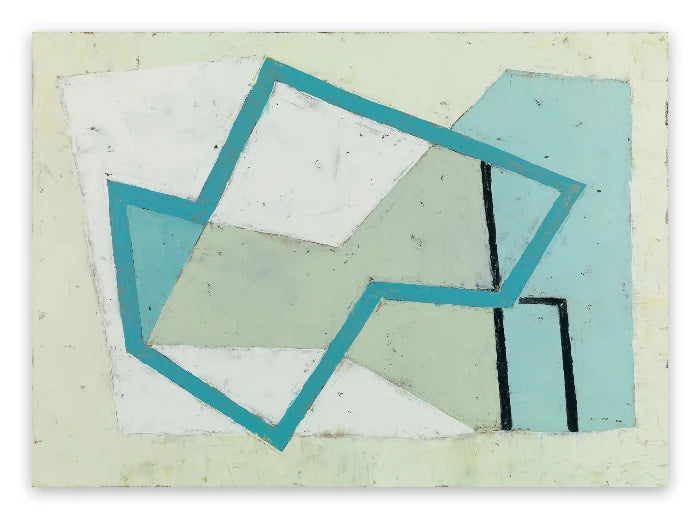
Macha Poynder - Godspeed - 2026
14 - What dreams or hopes do you have for your artistic journey?
Too many dreams! But two of them are very clear: performing our piece with Kirk Hellie - combining my night paintings and his soundscapes - in the Southwest desert under a starlit sky.
And for my canvases to once again find a home in a New York space, or any other American space, whether it be a gallery or an atypical venue. American painting, its spirit, its breath, its air, and its scale have nourished me so much that a magical, secret, invisible (yet visible to some) link exists between my work and that space. I would love for my paintings to gather out there again for a "pow-wow."
By Francis Berthomier
All images ©Macha Poynder
CLICK HERE TO DISCOVER THE WORK OF MACHA POYNDER AVAILABLE ON IDEELART