
Serious And Not-So-Serious: Arvid Boecker In 14 Questions
Painting as Breathing
At IdeelArt, we believe an artist's story is told both inside and outside the studio. In this series, we pose 14 questions that bridge the gap between creative vision and everyday life, mixing professional insight with the personal quirks that make each artist unique.
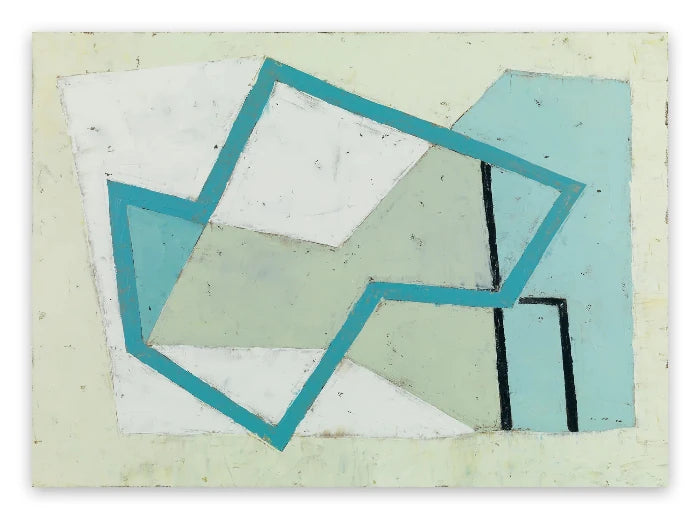
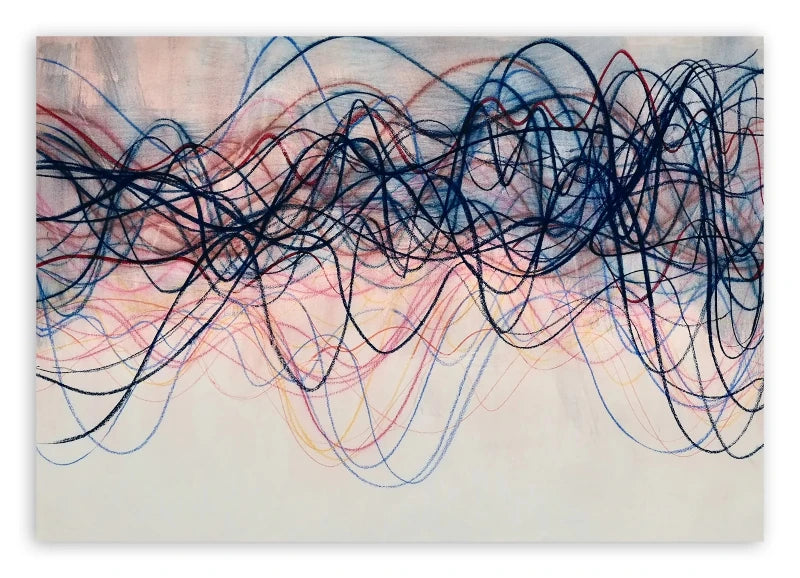
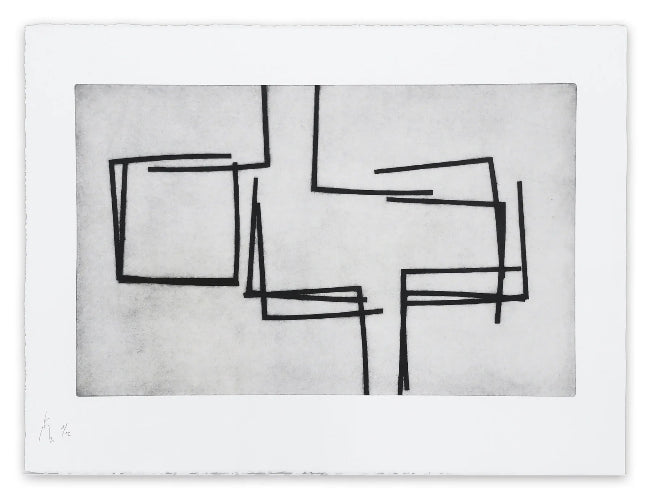
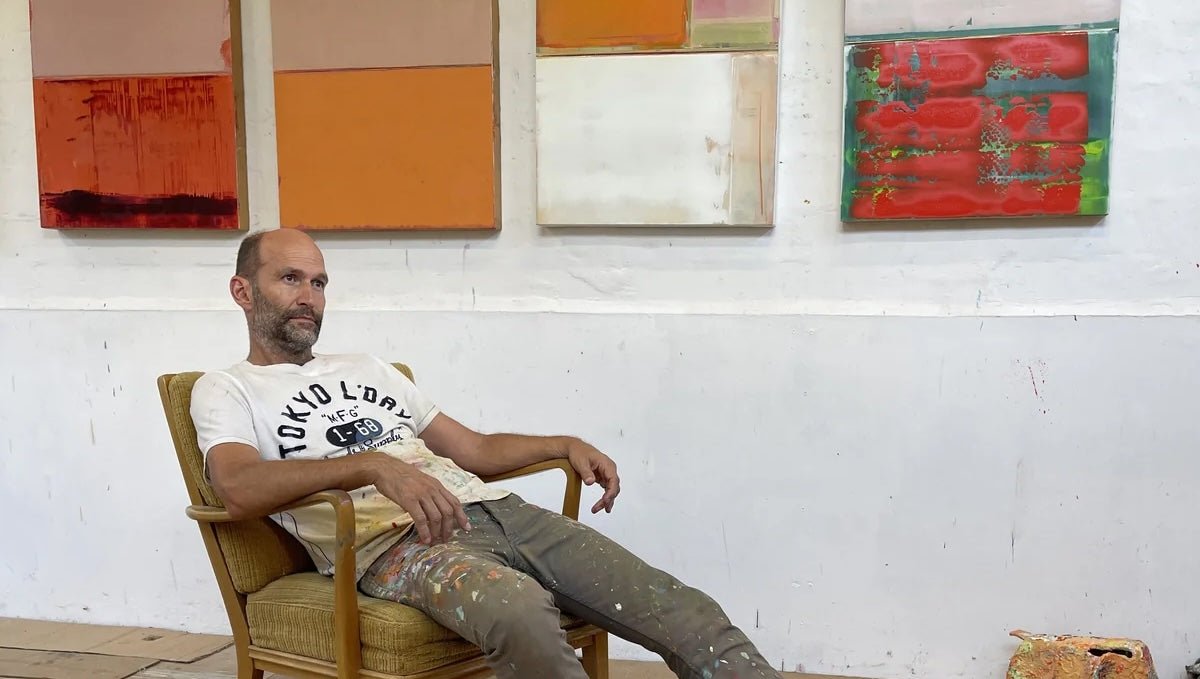
Today, we step into the quiet, deeply considered world of Arvid Boecker. For Arvid, painting is not a choice but a physical necessity - something as natural and essential as breathing. With over 40 years of practice, he approaches each canvas as a space of constant discovery, working with oil paints he continuously transforms through processes and additives, always in pursuit of subtle shifts, unexpected textures, and the emotional resonance of color.
Discover how a chance encounter with monochrome black paintings at the age of 17 set him on his path, how mountain hiking clears his mind, and why - despite being a leading figure in contemporary painting - he is the youngest volunteer at his local heritage museum by several decades.
The Not-So-Serious Questions
8 questions to reveal unexpected quirks and everyday life of Arvid Boecker.
Section 1: Fun & Personal - 8 Questions
1 - If your art was a song or a piece of music, what would be playing in the background?
If my work were a piece of music, it would be something minimal and atmospheric - like Music for Airports by Brian Eno. Quiet, spacious, and slowly unfolding, it creates a sense of calm while leaving room for subtle shifts and unexpected moments.

2 - What's something you're obsessed with or have a strong interest in that has nothing to do with art?
I love mountain hiking. Being in the mountains clears my head completely - the rhythm of walking, the changing light, and the vastness of the landscape help me reset and think more clearly.
3 - Coffee, tea, or something stronger while you work? Or just light and silence?
When I go to the studio in the morning, I always start by drinking a coffee in silence. That quiet moment helps me arrive mentally before I begin working, setting the tone for the rest of the day.

4 - If you could meet with anyone, dead or alive, who would it be?
I would choose to meet my great-uncle, my grandfather's brother, who was a painter. I never met him, but I'm curious about his life, his artistic choices, and whether our shared path says something about continuity across generations.
5 - If you weren't an artist, what would you be doing?
If I weren't an artist, I would be an art collector. I've always been fascinated by living with art, following artists over time, and building meaningful relationships through collecting.

6 - Can you share a short story or moment from your non-artistic life that had a strong impact on your life as an artist?
When I was 17, I accidentally walked into an exhibition opening showing monochrome black paintings. After talking with the artist that evening, something clicked - I realized this was the path I wanted to follow, and I decided to study art.
7 - What does a good day look like for you, outside of the studio?
A good day outside the studio often means working on exhibition concepts. Curating two art spaces and developing new formats and ideas is something I find deeply engaging - it keeps me connected to dialogue, collaboration, and the broader art scene.

8 - Is there something about you that would probably surprise people who know your work only through your art?
I volunteer at the local heritage museum in my neighborhood. I'm also the only person there under the age of 80, which usually comes as a surprise to people who only know my work through contemporary painting.
The (More) Serious Interview
6 questions to look deeper into the ideas, experiences, and hopes that shape Boecker's creative journey.
9 - What themes or questions keep coming back in your work?
I have been painting for over 40 years, and it has become a physical need - painting feels like breathing. I'm constantly surprised by what I discover in the process, and there's very little I find as endlessly fascinating as this practice.

10 - Can you describe a pivotal moment in your journey as an artist?
A few weeks after graduating from art school, the leading German art magazine art published a major article about me. Shortly after, two top galleries offered me representation, and several institutions invited me to solo exhibitions - a moment that truly launched my professional career.
11 - What materials or processes are most important in your practice, and why?
I work with oil paints from different manufacturers, constantly altering the colors through processes and additives. This experimentation allows me to explore subtle shifts, textures, and effects that give each painting its own life.

12 - How do you want people to feel when they experience your work?
I know some of my collectors personally and speak with them regularly, and many share my passion for color. I hope viewers feel a quiet intensity and a deep appreciation for subtlety, texture, and the emotional resonance that color can evoke.
13 - Can you walk us through a typical working day in your studio?
My studio is in my garden, and I start the day with a coffee while reviewing what I worked on the day before. I try to keep my studio days free from other obligations and often work late into the night. At the moment, I'm at a residency in Berlin, so I'm also spending a lot of time exploring the city.
14 - What dreams or hopes do you have for your artistic journey?
In recent years, I've participated in residencies in London, New York, Paris, and Reykjavik. Next year, I've been invited to Bangkok, and I find it incredibly enriching to meet other artists and exchange ideas while experiencing new places and cultures.
By Francis Berthomier
CLICK HERE TO DISCOVER THE WORK OF ARVID BOECKER AVAILABLE ON IDEELART